You’ve planted your seeds with care, only to find tiny holes and missing sprouts days later. If chipmunks are digging up your beans, corn, or other young plants, you’re facing a common but preventable garden challenge. These small, energetic rodents are drawn to nutritious seeds and tender seedlings, often destroying crops before they even emerge. The most effective way to keep chipmunks out of garden beds is immediate protection using row cover fabric—a simple, humane barrier that blocks access while letting light and water through.
This guide reveals proven, wildlife-friendly strategies to stop chipmunk damage from day one. You’ll learn how to use physical barriers, natural repellents, and habitat modifications that work together to protect your plants. Whether you’re growing vegetables, flowers, or bulbs, these methods will help you grow healthy crops without harming local wildlife.
Use Row Cover Immediately After Planting
Installing row cover right after sowing is the single best defense against chipmunks. This lightweight, breathable fabric shields vulnerable seeds and seedlings while allowing essential elements like sunlight and moisture to pass through.
Secure Edges to Block Entry
Chipmunks can slip under covers through gaps as small as an inch. To fully seal the barrier:
• Press the fabric edges into the soil every 6–12 inches
• Use soil mounds, rocks, or landscape pins to anchor the perimeter
• Inspect after wind or rain for lifted sections
Even a small opening invites digging. A tightly sealed edge prevents chipmunks from tunneling underneath and accessing your seeds.
Support Fabric with Hoops or Stakes
Without support, row cover can collapse onto wet soil and crush delicate sprouts. Prevent damage by using:
• Metal or plastic hoops spaced every 2–3 feet
• Rebar stakes with bent tops to hold hoops securely
• Supports tall enough to allow plant growth without contact
Elevating the fabric improves air circulation and protects seedlings from being smothered.
Leave Cover Until Plants Are Established
Timing is critical. Keep the row cover in place until your plants develop several true leaves and can tolerate minor nibbling.
• For fast growers like beans and corn: 3–4 weeks
• For slower crops like carrots or beets: up to 6 weeks
• Remove gradually on cloudy, calm days to reduce stress
Check growth weekly and lift the cover briefly to assess progress and prevent excess humidity.
Gain Extra Pest Protection
Row cover doesn’t just stop chipmunks—it also blocks common insect pests such as:
• Flea beetles
• Aphids
• Cabbage moths
This dual protection reduces the need for sprays. Just remember to remove the cover before flowering if your plants require pollination.
Deter Chipmunks with Natural Repellents
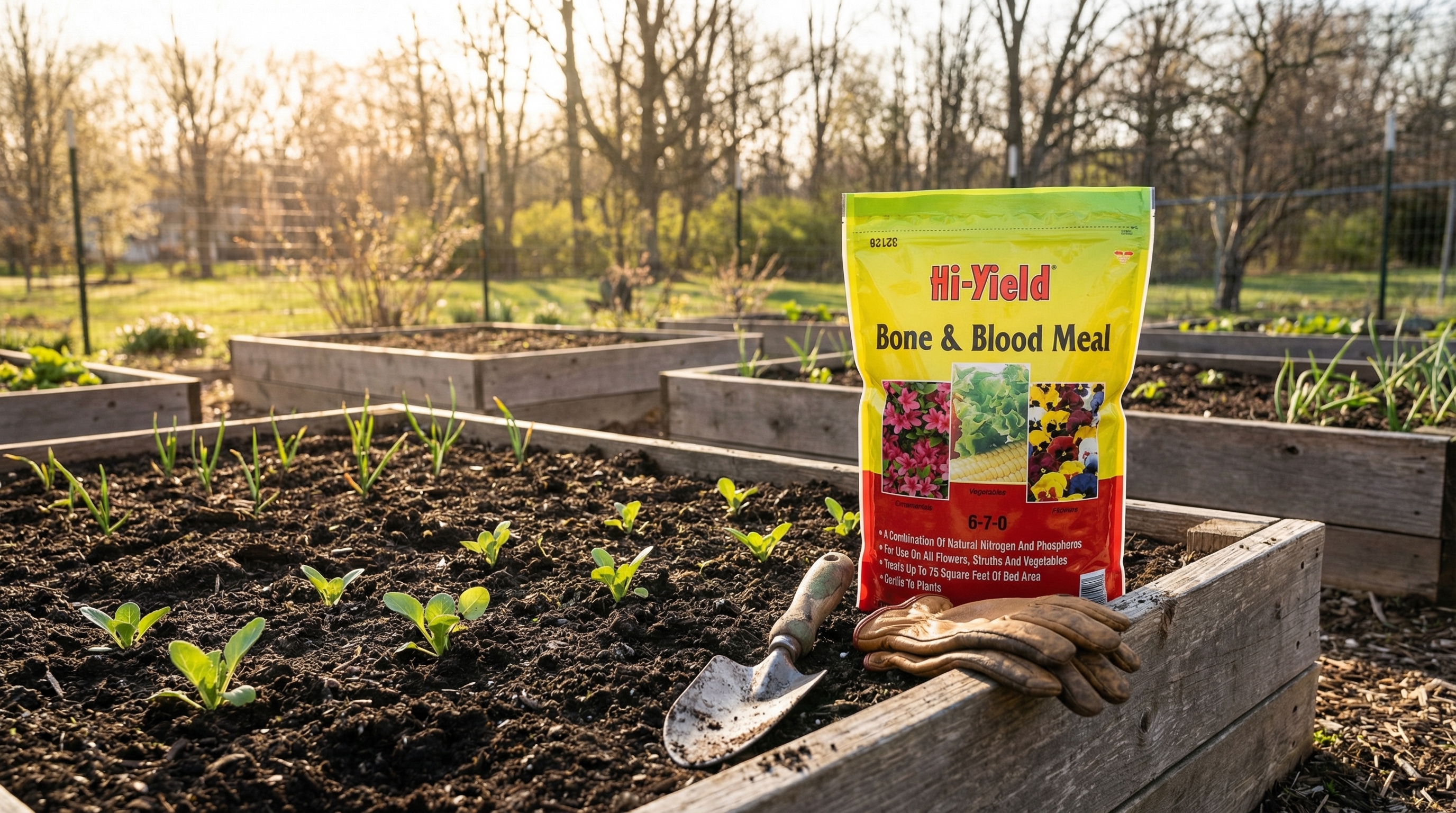
While row cover is essential early on, natural repellents help discourage chipmunks from returning to your garden beds.
Try Granular Repellents
Sprinkle deterrents around planting zones to make the area less inviting:
• Blood meal (adds nitrogen while repelling)
• Crushed red pepper flakes
• Predator urine (fox or coyote scent)
Reapply after rain or irrigation. These materials create unpleasant textures or smells that chipmunks avoid.
Use Liquid Spray Options
Homemade sprays can be applied to soil surfaces:
• Mix 1 tablespoon cayenne pepper, 1 crushed garlic clove, and 1 quart water
• Strain and spray lightly on topsoil (avoid edible parts)
• Reapply every 3–5 days or after watering
These sprays are temporary but effective when used with physical barriers.
Remove Food and Shelter Sources
Chipmunks return to gardens that offer food, water, and hiding spots. Make your yard less attractive by eliminating these resources.
Clear Debris and Brush Piles
Remove potential nesting and escape sites:
• Woodpiles near garden beds
• Rock walls or stone stacks close to plants
• Tall grass or leaf litter along borders
A clean perimeter reduces cover and discourages chipmunk activity.
Avoid Spilled Birdseed
Bird feeders often attract chipmunks indirectly. Prevent this by:
• Using squirrel-proof feeders
• Placing trays under feeders to catch spills
• Cleaning up fallen seed weekly
Even a few scattered seeds can encourage digging behavior.
Protect Bulbs and Seeds Before Planting

Chipmunks dig up bulbs and seeds before they sprout. Stop them before they start.
Plant in Wire Mesh Cages
For tulips, crocus, or other bulbs:
• Line planting holes with ¼-inch hardware cloth
• Shape into baskets and cover with soil
• Place bulbs inside before backfilling
Roots grow through the mesh, but chipmunks can’t reach the bulbs.
Cover Seed Rows with Hardware Cloth
For direct-sown crops like carrots or peas:
• Lay rigid wire mesh over rows
• Secure with stakes or pins
• Remove once seedlings emerge
Hardware cloth is chew-proof and ideal for high-traffic areas.
Install Motion-Activated Deterrents
For persistent chipmunk problems, electronic devices can disrupt their routine.
Use Motion-Activated Sprinklers
When chipmunks enter the area:
• A sudden burst of water startles them
• Covers up to 30 feet
• Solar-powered models available
Place near active digging zones. Most chipmunks avoid the area after 2–3 exposures.
Try Ultrasonic Repellers
Devices that emit high-frequency sound:
• Install at ground level
• Cover 500–1,000 sq. ft.
• Harmless to pets and humans
Effectiveness varies, but they work best when combined with other methods.
Exclude Chipmunks with Fencing
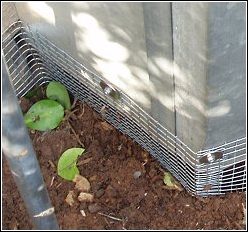
In severe cases, install a long-term physical barrier.
Build a Fine-Mesh Barrier
Use ¼-inch galvanized hardware cloth:
• Bury at least 6 inches deep to prevent tunneling
• Extend 18–24 inches above ground
• Bend the top 6 inches outward to discourage climbing
This fence blocks access and lasts for years.
Add Electric Wire (Optional)
For extreme infestations:
• Add a low-voltage wire 3–4 inches above the fence
• Use battery or solar-powered charger
• Delivers a mild, non-harmful shock
This humane addition deters repeat visits.
Avoid Harmful Traps and Poisons
Lethal methods often cause more harm than good.
Skip Poison Baits
• Not designed for chipmunks
• Risk of poisoning pets or wildlife
• Illegal in many areas
There are no safe, legal poisons for chipmunk control in home gardens.
Use Live Traps Cautiously
If relocation is permitted:
• Use small live traps baited with peanut butter or sunflower seeds
• Check traps every few hours
• Release at least 5 miles away
But relocation can spread disease and often fails. Prevention is safer and more effective.
Maintain Protection Through the Season
Chipmunk pressure continues beyond germination. Stay alert to protect your crops.
Monitor for New Digging Signs
Check daily for:
• Small, round holes (1–2 inches wide)
• Piles of loose soil
• Chewed stems or missing seedlings
Address hotspots quickly with extra cover or repellents.
Rotate Crops and Cover Types
Prevent habituation by varying your approach:
• Alternate row cover with cloches or netting
• Change planting locations yearly
• Add companion plants like marigolds
Variety keeps chipmunks guessing and reduces predictability.
Frequently Asked Questions About Keeping Chipmunks Out of Garden
Do coffee grounds keep chipmunks away?
No strong evidence supports this. While some gardeners claim coffee grounds deter chipmunks, they wash away quickly and have minimal effect. Use proven methods like row cover or repellents instead.
Can I use netting instead of row cover?
Yes, but only if it’s fine enough. Standard bird netting may not block chipmunks. Use row cover or ¼-inch hardware cloth for reliable protection.
When should I remove row cover from my plants?
Remove it when seedlings have several true leaves and are sturdy—typically 3–6 weeks after planting. For flowering plants, remove before blooms open to allow pollination.
Are ultrasonic repellents effective against chipmunks?
Results vary. Some users report reduced activity, but these devices work best when combined with physical barriers and habitat changes.
Will planting certain flowers deter chipmunks?
Not directly. But marigolds and other strong-scented plants may help mask food odors. Use them as part of a broader strategy, not a standalone solution.
Is it legal to trap and relocate chipmunks?
It depends on your location. Many areas require permits or prohibit relocation due to disease risks. Always check local wildlife regulations before trapping.
Key Takeaways for Keeping Chipmunks Out of Garden
The best way to keep chipmunks out of garden spaces is to act early and layer your defenses. Start with row cover immediately after planting—it’s the most effective step you can take. Combine it with habitat cleanup, natural repellents, and physical barriers like hardware cloth for lasting results.
• Seal row cover edges tightly to block access
• Remove attractants like spilled birdseed and brush piles
• Use motion-activated sprinklers for persistent problems
• Avoid poisons and traps that risk harm to wildlife
By working with nature instead of against it, you can grow a thriving garden while coexisting peacefully with local animals. Protect your plants, stay consistent, and enjoy a harvest free from chipmunk damage.