You’ve精心 cultivated your garden—only to find paw prints across flower beds and chewed stems left behind by a curious dog. Whether it’s your own pet or a neighborhood wanderer, unwanted canine visitors can destroy plants, dig up soil, and turn your peaceful retreat into a mess. The key to how to keep dogs out of garden spaces lies in combining smart design, natural deterrents, and consistent boundaries—all without harming animals or disrupting your yard’s beauty.
This guide reveals proven, humane methods to protect your garden. You’ll learn how to install effective barriers, use scent-based repellents, modify landscaping to deter digging, and train dogs to respect boundaries. From budget-friendly DIY tricks to long-term prevention, these strategies help you reclaim your garden while staying kind to pets.
Build Dog-Proof Fencing and Barriers
A well-designed barrier is the most reliable way to keep dogs out of garden zones. Even small obstacles can redirect dog traffic when placed strategically.
Choose the Right Fence Height and Material
Dogs typically won’t jump over fences taller than their shoulder height. For small breeds, a 3- to 4-foot fence works well. Larger or athletic dogs may need 5 to 6 feet. Use solid materials like vinyl, metal, or tightly spaced wood to block visibility and access. Avoid chain-link with wide gaps.
To stop diggers, bury the bottom 6–12 inches of fencing or install an “L-footer”—a 12-inch-wide wire mesh buried horizontally and bent outward under soil. This prevents dogs from tunneling underneath.
Install Low Edging for Garden Beds
If fencing the entire yard isn’t practical, protect individual beds with low barriers:
• Raised beds at least 18 inches high
• Bamboo stakes spaced 6–8 inches apart
• Chicken wire围 around vulnerable plants
These create subtle boundaries that discourage casual entry while blending into the landscape.
Use Motion-Activated Sprinklers
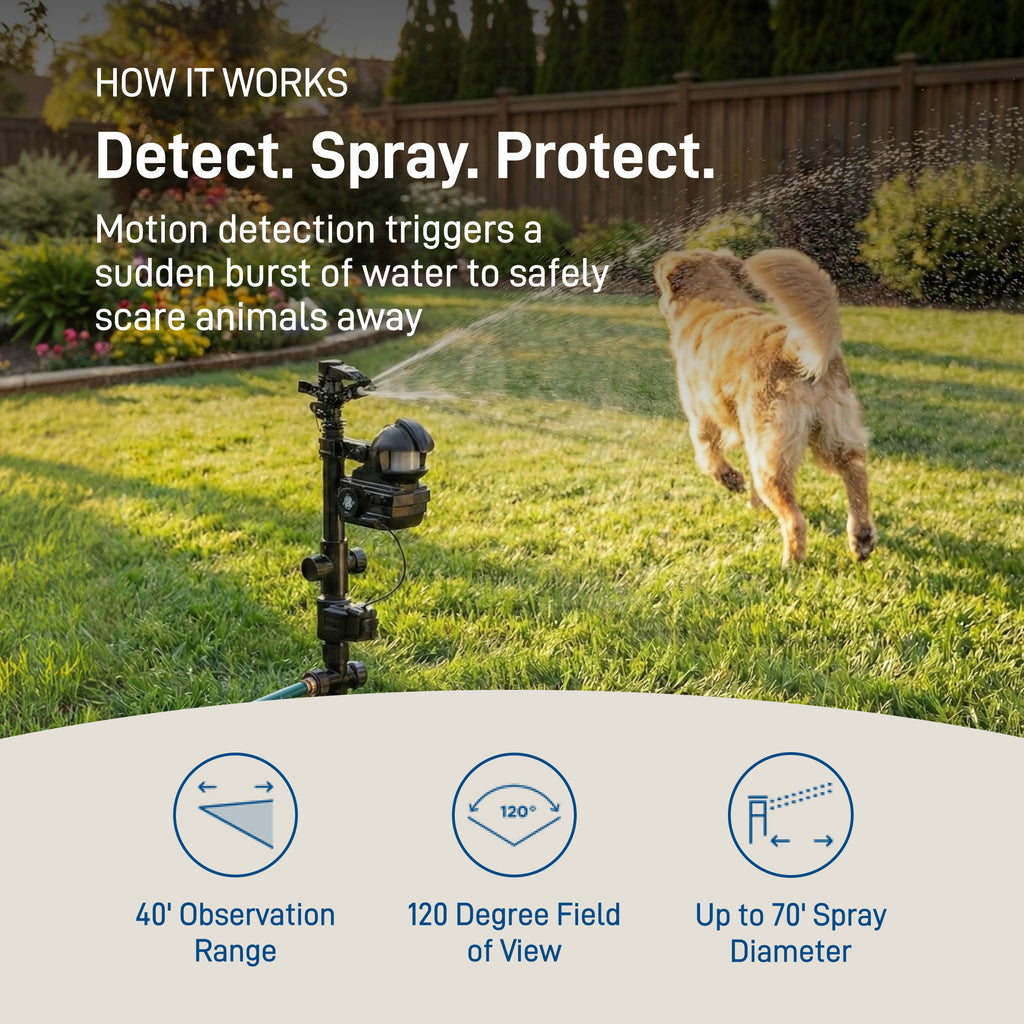
Dogs dislike sudden movement and water. Motion-activated sprinklers detect heat and motion, then release a quick spray that startles but doesn’t harm. Place them near entry points or soft soil where dogs dig.
• Range: 10–30 feet
• Coverage: Up to 180 degrees
• Best for: Backyard corners, garden gates, and high-traffic zones
They reset automatically and connect to standard hoses—ideal for ongoing, hands-free protection.
Use Natural Scents to Deter Dogs
Dogs rely heavily on smell, making scent-based repellents one of the most effective ways to keep dogs out of garden areas.
Apply Citrus and Vinegar Solutions
Scatter lemon, orange, or grapefruit peels around garden edges. The strong citrus odor repels most dogs. Replace every few days or after rain. Alternatively, mix white vinegar and water (1:1) in a spray bottle and apply to soil or borders.
Warning: Do not spray vinegar directly on plants—it can burn leaves and alter soil pH.
Try Commercial Dog Repellents
Choose sprays made with natural, pet-safe ingredients such as:
• Citronella
• Garlic oil
• Cayenne pepper extract
• Ammonia-like scents
Follow label instructions for application, usually every 3–7 days. Reapply after rain or irrigation to maintain effectiveness.
Plant Dog-Deterrent Plants
Incorporate plants dogs naturally avoid:
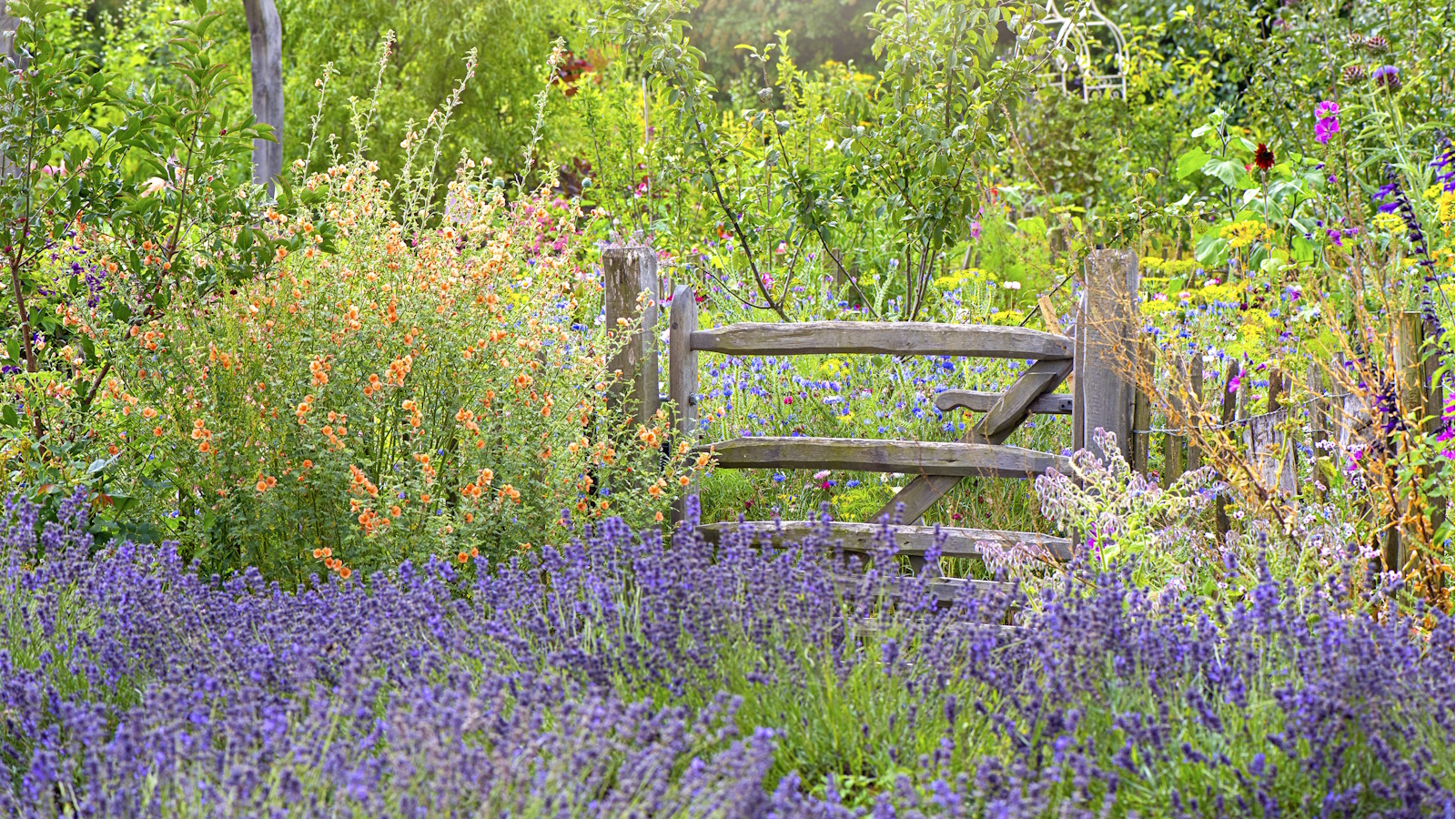
• Lavender – Fragrant to humans, unpleasant to dogs
• Rosemary – Woody aroma acts as a natural barrier
• Coleus canina (Scaredy-Cat plant) – Releases a skunk-like odor when touched
• Marigolds – Pungent smell discourages digging
Plant these along borders or between prized flowers to create living, low-maintenance fences.
Redesign Your Garden to Be Less Appealing
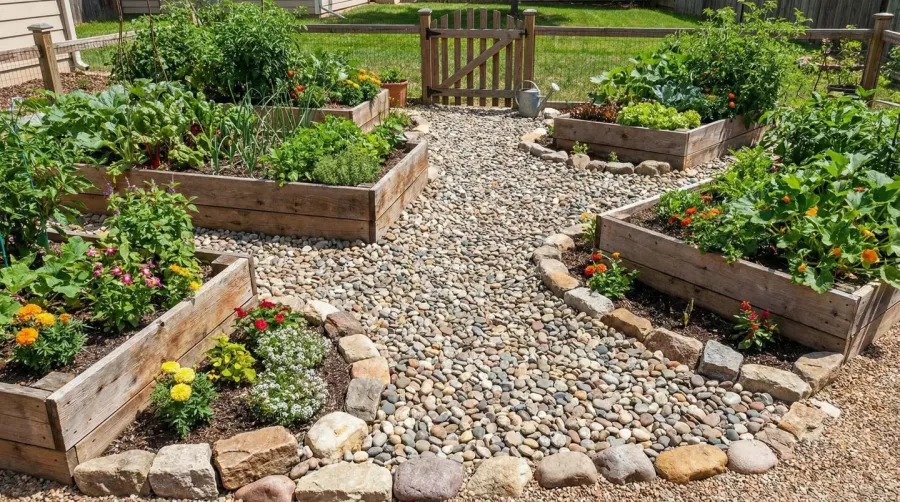
Modify your garden layout to reduce temptation and block access—making it easier to keep dogs out of garden soil and plants.
Define Paths with Gravel or Pavers
Use gravel, mulch, or stone pavers to create clear walkways. Dogs often avoid loose or uneven surfaces. A well-defined path guides both people and pets away from delicate plants.
Elevate Plants in Containers
Move high-value or frequently targeted plants into:
• Raised planters
• Hanging baskets
• Wall-mounted pots
Even a 12-inch elevation can deter casual sniffing or digging. This also adds visual interest and saves space.
Remove Dog Attractants
Eliminate what draws dogs in:
• Pick up fallen fruit or berries
• Secure compost bins with tight lids
• Control rodents that trigger chasing
• Avoid bone-based fertilizers—their smell attracts dogs
A less tempting garden is a safer garden.
Train Your Dog to Stay Out of the Garden
If your own dog is the intruder, consistent training offers a long-term solution.
Teach “Leave It” and “Out” Commands
Use positive reinforcement to train boundary behavior:
1. Walk your dog on leash toward the garden
2. Say “Leave it” before they cross the line
3. Reward with treats and praise when they stop or turn away
Practice daily until the response becomes automatic—even off-leash.
Create a Designated Dog Zone
Give your pet an appealing alternative space:
• Install a sandbox for digging
• Plant dog-safe grass like wheatgrass or rye
• Add toys, shade, and water
Redirecting natural behaviors reduces the urge to invade the garden.
Use Visual and Auditory Cues
Mark boundaries with:
• Stakes and flags
• Motion-activated alarms
• A consistent verbal “No!” or whistle
Ensure all household members respond the same way—consistency builds reliable habits.
Try Budget-Friendly DIY Deterrents
You don’t need expensive gear to keep dogs out of garden. Many household items double as effective, humane repellents.
Cover Soil with Chicken Wire or Netting
Lay galvanized chicken wire or plastic bird netting over bare soil or seedbeds. It’s uncomfortable under paws but nearly invisible once covered with mulch. Secure edges with landscape pins to prevent tripping.
Pro Tip: Place under low-growing plants or new sod to protect roots.
Sprinkle Mustard or Coffee Grounds
Used coffee grounds add nitrogen to soil and emit a bitter smell dogs dislike. Dry mustard powder lightly sprinkled on soil also discourages digging.
Use sparingly—excess can affect soil chemistry or plant health.
Use Fake Predators
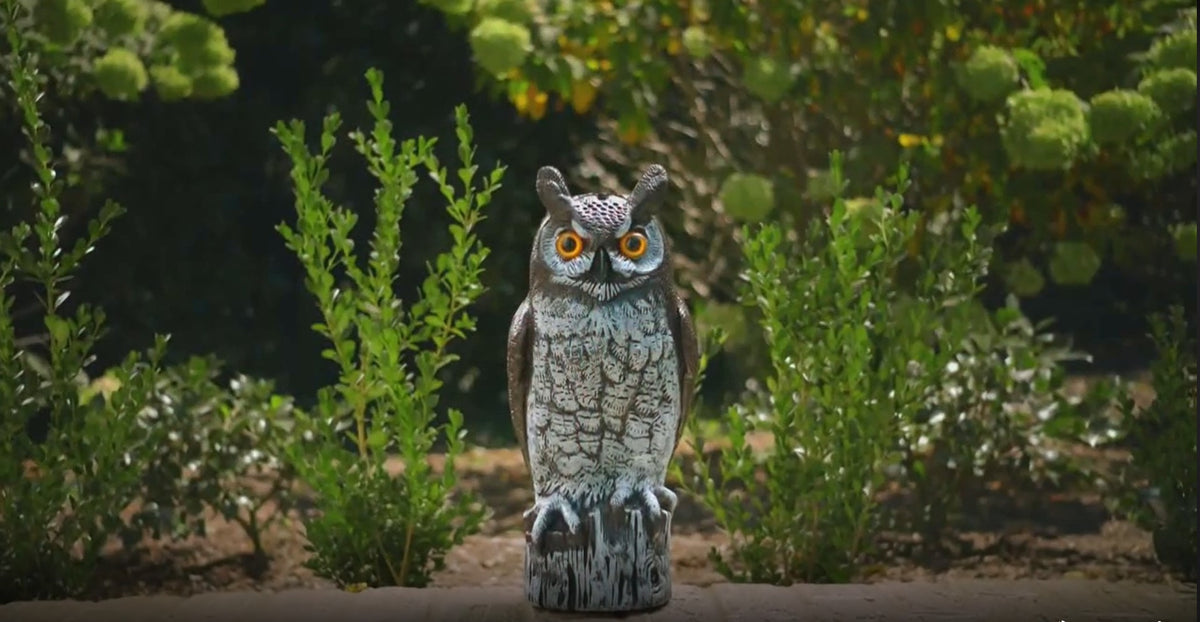
Place plastic owls, rubber snakes, or scare-eye balloons near garden entrances. Dogs instinctively avoid predator signs. Move them daily—stationary objects lose their effect within days.
Handle Neighbor Dogs with Care
Dealing with other people’s pets requires patience and legal awareness.
Talk to the Owner Calmly
Approach the neighbor politely. Most don’t realize their dog roams. Suggest solutions like better fencing or supervised outdoor time. A friendly conversation often resolves the issue.
Know Local Pet Laws
Check your city’s leash laws or homeowners’ association rules. If the problem continues, document incidents (photos, timestamps) and contact animal control.
Never Use Harmful Methods
Avoid:
• Spikes or traps
• Toxic chemicals
• Electric shocks
These can injure animals, create liability, and violate animal cruelty laws.
Maintain Long-Term Garden Protection
Keeping dogs out requires ongoing effort. A single method rarely works forever—layered strategies are most effective.
Reapply Repellents on Schedule
Natural scents fade quickly. Stick to a routine:
• Every 3 days during peak dog activity
• After rain or watering
• When new plants are added
Rotate between citrus, vinegar, and commercial sprays to prevent dogs from adapting.
Inspect for New Entry Points Weekly
Check fences, gates, and borders regularly. Repair loose boards, close unlatched gates, and trim overhanging branches that could aid climbing.
Combine Multiple Tactics
Use a layered defense:
• Fence + scent + motion sprinkler
• Training + redirection + supervision
The more obstacles in place, the less likely dogs are to enter.
Key Takeaways for Keeping Dogs Out of Your Garden
Protecting your garden from dogs doesn’t require harsh measures. By combining physical barriers, natural repellents, smart landscaping, and consistent training, you can create a dog-resistant space that stays beautiful and humane. Start with one or two methods—like a motion-activated sprinkler and citrus peels—then expand as needed. Monitor results, reapply deterrents, and stay consistent.
The best defense is variety and persistence. Over time, dogs learn to avoid your garden, leaving your plants intact and your peace of mind restored.
Frequently Asked Questions About How to Keep Dogs Out of Garden
What is the most effective way to keep dogs out of my garden?
Install a 4- to 6-foot solid fence buried at the base to prevent digging. Combine it with motion-activated sprinklers and natural repellents like citrus or vinegar for best results.
Do coffee grounds really keep dogs away?
Yes, used coffee grounds have a bitter smell that deters dogs. They also enrich soil with nitrogen. Sprinkle lightly and reapply every few days for continued effect.
Are there plants that naturally repel dogs?
Yes. Lavender, rosemary, marigolds, and Coleus canina (Scaredy-Cat plant) emit scents dogs dislike. Plant them along borders to create natural barriers.
How do I stop a neighbor’s dog from pooping in my garden?
First, talk to the owner. If that fails, install a motion-activated sprinkler or use commercial repellents. Document repeated incidents and contact animal control if necessary.
Can I train my dog to avoid the garden?
Yes. Use commands like “Leave it” and “Out” with positive reinforcement. Practice daily on leash until your dog respects the boundary—even off-leash.
Are fake owls effective at keeping dogs out?
They can be—initially. Dogs recognize stationary objects over time. For lasting results, move fake predators daily or combine them with other deterrents.