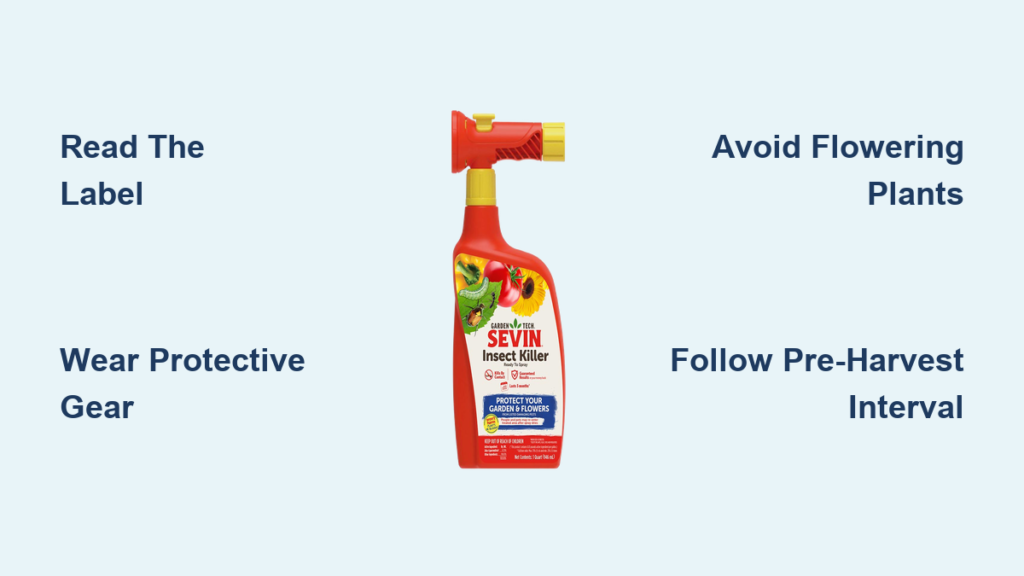
Dealing with destructive garden pests like Japanese beetles, aphids, or spider mites can quickly ruin your hard work. Garden Tech Sevin Insect Killer is a trusted solution used by home gardeners to protect vegetables, fruits, flowers, and ornamental plants from over 100 types of insects. Knowing how to use Garden Tech Sevin insect killer correctly ensures fast pest control while minimizing risks to your plants, family, and beneficial insects. When applied properly, Sevin delivers strong knockdown power and lasting protection across your garden.
This guide covers everything you need to know—from choosing the right Sevin product and reading the label to safe application, timing, and avoiding common mistakes. Whether you’re using Sevin Dust, Concentrate, or Ready-to-Use, you’ll learn step-by-step how to apply it effectively and responsibly for maximum results.
Choose the Right Sevin Product for Your Garden

Selecting the correct Sevin formulation depends on your garden size, pest pressure, and application preference. Each type offers unique benefits for different growing situations.
Sevin Dust for Targeted Pest Control
Sevin Dust 5% works well for spot-treating infested plants like tomatoes, squash, and roses. Use a hand duster to apply a light, even layer on both sides of leaves and stems. It adheres well and provides residual control. Apply on calm days to prevent drift, and avoid using on flowering plants to protect bees.
Sevin Concentrate for Large-Scale Coverage
For bigger gardens, Sevin Concentrate mixes with water in a pump sprayer and covers up to 16,000 square feet per quart. Mix 1.5 to 3 ounces per gallon of water, depending on the pest. It’s effective against cabbage loopers, Japanese beetles, and leafhoppers. Ideal for broad, uniform coverage on vegetables and ornamentals.
Sevin Ready-to-Use for Fast, No-Mix Applications
The Ready-to-Use spray comes pre-mixed in a trigger bottle and treats up to 1,000 square feet. Perfect for small gardens or container plants. Just shake and spray—no measuring or mixing required. Great for quick response when you first notice pests.
Read the Product Label Before Use
The label is your most important tool when using Garden Tech Sevin insect killer. It’s legally required and contains vital information specific to your product.
Confirm It Controls Your Target Pest
Check the label to ensure your pest—such as Colorado potato beetles or thrips—is listed. Applying Sevin to unlisted insects may not work and could be unsafe.
Verify Approved Plants and Crops
Not all plants can be treated. The label lists safe crops like beans, peppers, and roses. For example, Sevin can be used on tomatoes but has a 1-day pre-harvest interval (PHI). Never use on lawns or indoor houseplants unless specified.
Follow Application Frequency Guidelines
Overuse can harm plants and lead to pest resistance. Most Sevin products allow reapplication every 7 to 14 days. Do not exceed the maximum number of treatments per season as stated on the label.
Prepare for Application with Safety in Mind

Protecting yourself and the environment starts before you open the bottle.
Wear Proper Protective Clothing
Always wear chemical-resistant gloves, long sleeves, long pants, and closed-toe shoes. Add goggles and a mask when handling dust or mixing concentrate to avoid skin contact and inhalation.
Check Weather Before Spraying
Apply only when no rain is expected for at least 24 hours. Avoid spraying in high heat (above 90°F) or strong wind, which can cause leaf burn or drift onto unintended areas.
Minimize Harm to Pollinators
Bees are highly sensitive to Sevin. Apply early in the morning or late in the evening when bees are not active. Never spray open blossoms on fruit trees, herbs, or flowering plants.
Apply Sevin Based on Product Type
Correct application ensures effective pest control and reduces plant damage.
For Sevin Dust: Apply Lightly and Evenly
Fill a bulb duster or shaker with Sevin Dust 5%. Dust both sides of leaves and stems where pests are seen. Use a thin, visible coating—avoid heavy buildup that can stress foliage. Reapply after rain or every 7–10 days if needed.
For Sevin Concentrate: Mix and Spray Thoroughly
Add clean water to your sprayer first, then measure the correct amount of concentrate (1.5–3 oz per gallon). Shake well. Spray until foliage is wet but not dripping. Pay special attention to leaf undersides where insects hide. Rinse the sprayer immediately after use.
For Ready-to-Use: Spray with Precision
Shake the bottle before and during use. Hold 6–8 inches from the plant. Spray infested areas until coated, moving slowly for full coverage. Avoid creating fine mists that can drift to nearby plants or pollinators.
Time Treatments for Best Results
When you apply Sevin affects its effectiveness and safety.
Treat at the First Sign of Insects
Inspect plants weekly for chewed leaves, webbing, or visible bugs. Early action stops small infestations from becoming major problems. Apply Sevin as soon as pests appear.
Observe Pre-Harvest Intervals (PHI)
Wait the required number of days before harvesting. For example, tomatoes have a 1-day PHI, while apples require 14 days. Harvesting too soon risks consuming unsafe residues.
Plan Applications Around Harvest Days
If you harvest on weekends, apply Sevin earlier in the week to meet PHI requirements. For a 3-day PHI, spray on Thursday to harvest Sunday.
Monitor, Reapply, and Rotate Control Methods
Sevin is not a one-time fix. Ongoing care keeps pests under control.
Inspect Plants Every 3–4 Days
Look under leaves and along stems for returning pests. Reapply Sevin only when necessary and according to label intervals—every 7 days for dust, 14 days for concentrate.
Combine Sevin with Other Pest Control Tactics
Reduce chemical reliance by using hand-picking, row covers, or insecticidal soap. Rotating methods helps prevent pest resistance and supports a healthier garden ecosystem.
Watch for Return of Beneficial Insects
After treatment, check for ladybugs, lacewings, or parasitic wasps. Their presence means your garden is regaining natural balance.
Clean Up and Store Sevin Safely
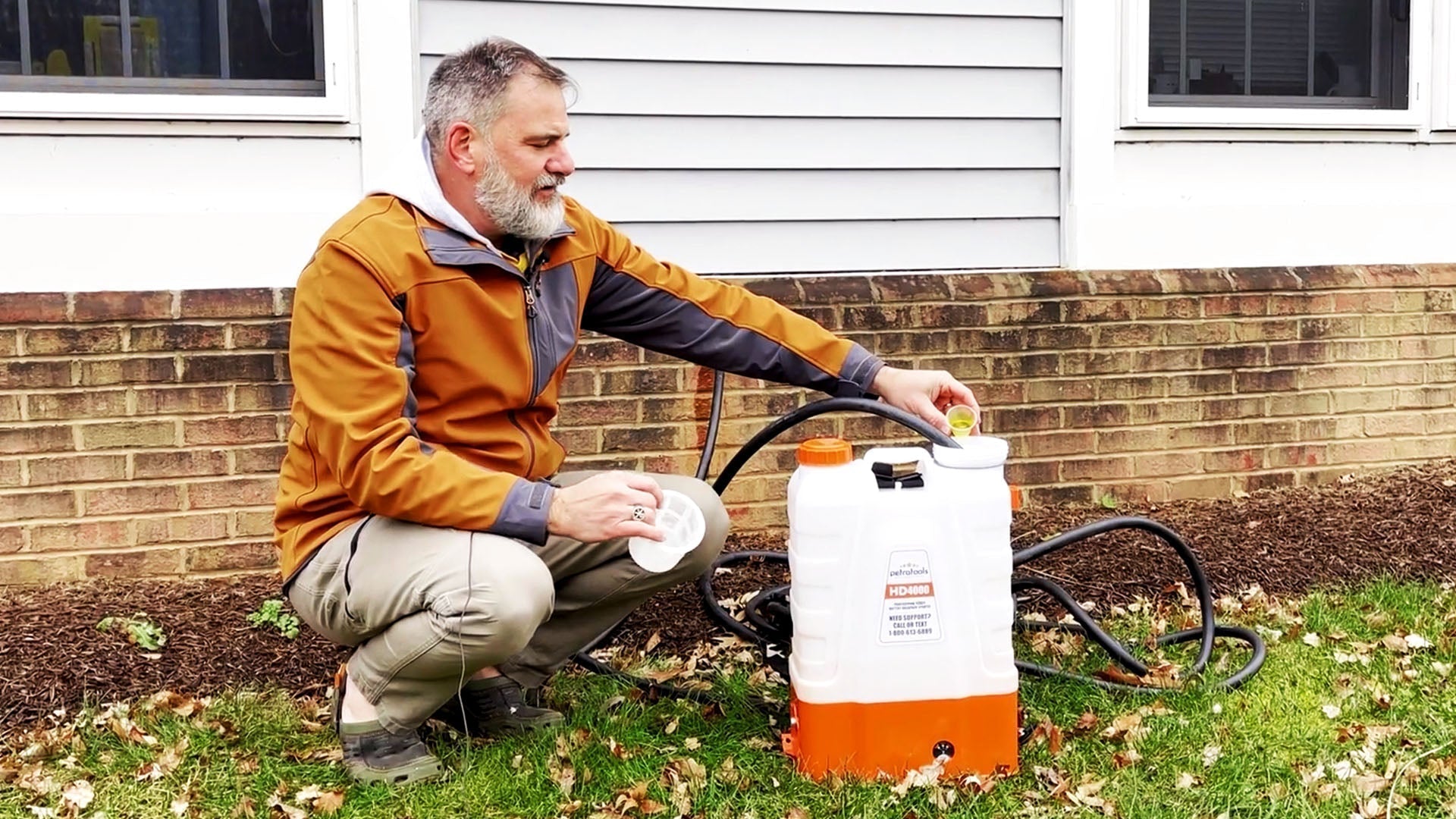
Proper cleanup protects your health and equipment.
Rinse Sprayers Immediately After Use
Flush the tank, hose, and nozzle with clean water several times. Never use the same sprayer for fertilizers or herbicides unless cleaned thoroughly to avoid cross-contamination.
Wash Protective Gear Separately
Remove gloves and clothing after use. Wash them alone in hot water with detergent to remove pesticide residues and prevent exposure to others.
Store Sevin in a Secure Location
Keep the product in its original container with the label intact. Store in a cool, dry place away from children, pets, food, and heat sources. Direct sunlight can degrade the active ingredient.
Avoid These Common Sevin Mistakes
Even experienced gardeners make errors that reduce effectiveness or create risks.
Applying on Windy or Hot Days
High temperatures or wind increase drift and plant damage. Always spray in calm, moderate conditions.
Using More Than the Label Recommends
Overapplying does not improve results and can harm plants. Stick to the recommended rates for your pest and crop.
Ignoring Pre-Harvest Intervals
Harvesting too soon can leave harmful residues on food. Always follow the PHI for each treated crop.
Spraying Flowering Plants
This kills bees and other pollinators. Avoid blooms and treat only when flowers are closed or absent.
Maximize Garden Health with Smart Sevin Use
Use Sevin as part of a balanced pest management strategy.
Support Plants with Good Cultural Practices
Healthy soil, proper watering, and good spacing help plants resist pests naturally. Strong plants recover faster after treatment.
Integrate Sevin into IPM (Integrated Pest Management)
Use pesticides only when needed. Combine Sevin with physical, biological, and cultural controls for long-term success.
Keep a Garden Treatment Log
Record the date, product, plants treated, and pest targeted. This helps track what works and prevents overuse.
Frequently Asked Questions About Garden Tech Sevin Insect Killer
Can I use Sevin on vegetables I plan to eat?
Yes, Sevin is labeled for many edible crops like tomatoes, beans, and peppers. Always follow the pre-harvest interval (PHI) listed on the label—wait the specified number of days before harvesting.
How often can I apply Sevin Dust?
Reapply Sevin Dust every 7 days as needed, or after rain. Do not exceed the maximum number of applications per season for your crop as stated on the label.
Is Sevin safe for bees?
No, Sevin is toxic to bees. Avoid spraying blooming plants and apply early morning or late evening when bees are not foraging.
Can I use Sevin Concentrate on fruit trees?
Yes, Sevin Concentrate can be used on certain fruit trees like apples and pears. Check the label for approved trees and follow the 14-day PHI for apples.
What should I do if I get Sevin on my skin?
Wash the area immediately with soap and water. Remove contaminated clothing and wash it separately. If irritation occurs, contact a poison control center.
Does rain wash off Sevin?
Yes, rain can remove Sevin if it falls within 24 hours of application. Reapply after heavy rain if pests return and the label allows.
Key Takeaways for Using Garden Tech Sevin Insect Killer
Using Garden Tech Sevin insect killer effectively means following the label, choosing the right product, and applying it safely and at the right time. Whether you use dust, concentrate, or ready-to-use, proper technique ensures strong pest control without harming your plants or pollinators. Always wear protective gear, avoid spraying blooms, and respect pre-harvest intervals for edible crops. Combine Sevin with other pest control methods to reduce chemical use and prevent resistance. With smart, responsible use, Sevin can help you maintain a thriving, productive garden all season long.