You’ve just finished a backyard fire, and now there’s a pile of leftover ash. Instead of discarding it, consider using it to enrich your garden. When applied correctly, wood ash can be a powerful natural soil amendment—adding potassium, calcium, and trace minerals that support healthy plant growth. But because it’s highly alkaline, improper use can harm your soil and plants. This guide shows you exactly how to use ash in the garden safely, effectively, and at the right time.
Wood ash from untreated hardwoods contains nutrients like potassium carbonate, calcium carbonate, and magnesium—key elements that strengthen plant stems, prevent blossom end rot, and improve disease resistance. However, its high pH (9–11) means it raises soil alkalinity, which benefits acidic soils but harms neutral or alkaline ones. Applying too much or using the wrong type of ash can lock out essential nutrients or damage sensitive plants. You’ll learn how to test your soil, apply ash safely, choose compatible plants, enhance compost, deter pests, and avoid common mistakes—all while turning waste into a valuable garden resource.
Test Your Soil Before Adding Ash
Check Your Current Soil pH
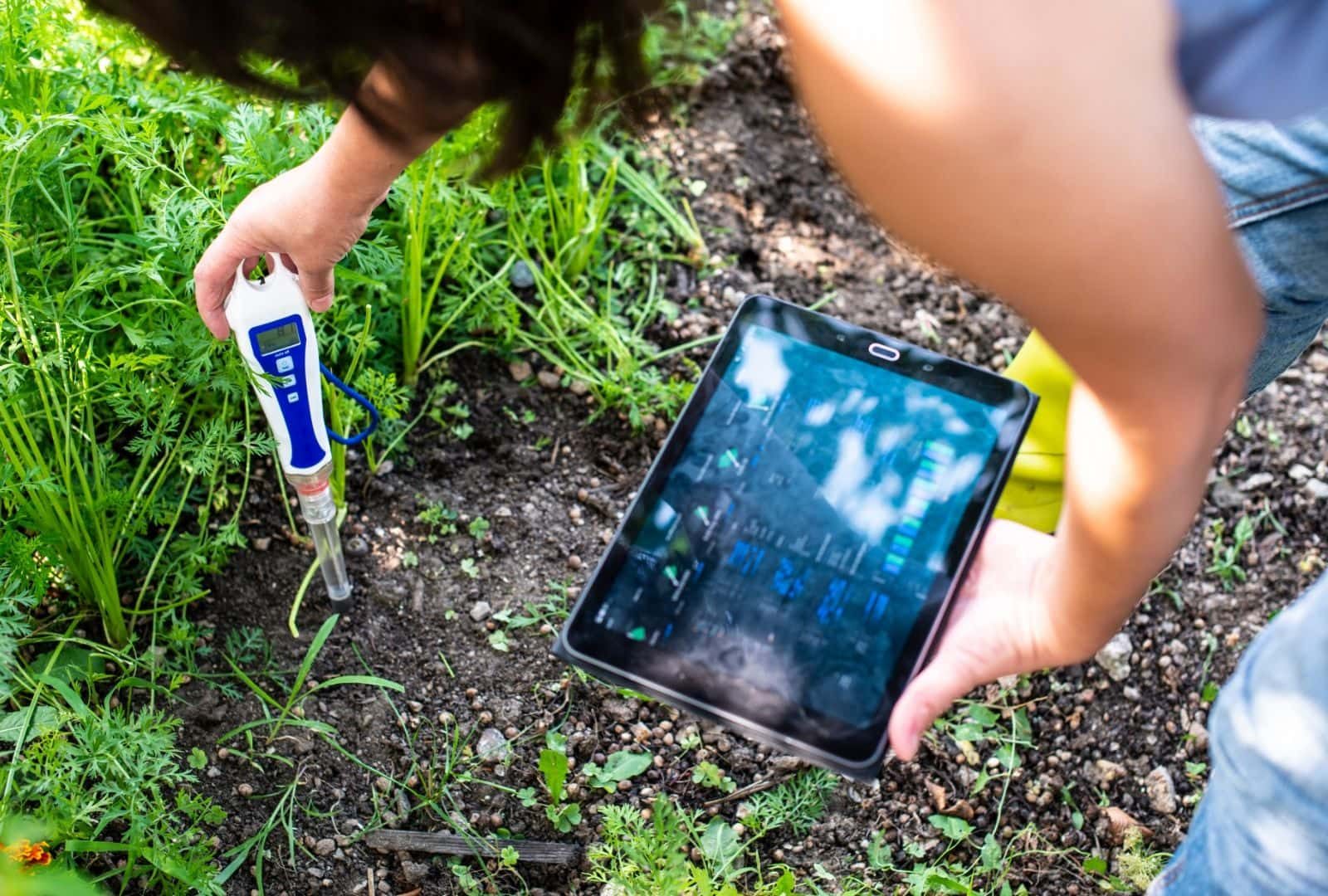
Before spreading any ash, test your soil’s pH level. Most vegetables and flowers grow best in slightly acidic to neutral soil (pH 6.0–7.0). Since wood ash is strongly alkaline, it should only be used on soils with a pH below 6.0. Applying it to neutral or alkaline soil can make iron, manganese, and phosphorus unavailable to plants, leading to yellowing leaves and stunted growth.
Use a home testing kit or send a sample to your local agricultural extension for accurate results. If your pH is under 6.0, ash may help balance it. If it’s 7.0 or higher, avoid using ash altogether.
Determine Soil Type and Plant Needs
Sandy soils benefit more from ash because they drain quickly and leach nutrients. The calcium and potassium in ash help replenish lost minerals. Clay soils retain nutrients better and are more prone to pH buildup, so use ash sparingly.
Also consider what you’re growing. Some plants thrive with added lime and potassium, while others require acidic conditions. Matching your soil type and crop needs to ash application ensures better results and prevents damage.
Apply Wood Ash the Right Way
Use Only Clean, Untreated Wood Ash
Only use ash from natural, untreated wood such as hardwood logs or clean firewood. Never use ash from coal, charcoal briquettes, painted or pressure-treated lumber, or household trash. These materials release toxic substances like arsenic, lead, and sulfur that contaminate soil and harm plants.
Avoid ash from glossy paper, magazines, or colored packaging, which may contain heavy metals and inks unsuitable for gardens.
Spread a Thin, Even Layer
Apply no more than 20 pounds of ash per 1,000 square feet per year—roughly the amount in a 5-gallon bucket. This equals a light dusting of less than 1/8 inch thick. Overapplying can spike soil pH and cause nutrient imbalances.
Apply on dry, windless days to prevent clumping and drift. Use gloves or a shovel to spread it evenly, avoiding concentrated piles around plant bases or tree trunks.
Mix Ash Into the Topsoil
After spreading, work the ash into the top 4–6 inches of soil with a rake or tiller. This ensures even distribution and reduces runoff. For lawns or established beds, lightly top-dress and water gently to help it settle.
Never apply ash on frozen ground or before heavy rain, as it can wash into waterways and cause environmental harm.
Choose Plants That Benefit From Ash

Grow Vegetables and Flowers That Like Alkaline Soil
Certain plants respond well to the potassium and lime in wood ash. These include:
• Tomatoes (ash helps prevent blossom end rot)
• Peppers and squash (need potassium for fruiting)
• Beans and peas (benefit from calcium)
• Lettuce and spinach (thrive in balanced pH)
• Marigolds and zinnias (flower better with added potassium)
Apply a small handful of ash to planting holes or rows before sowing these crops.
Keep Ash Away From Acid-Loving Plants
Do not use ash near plants that require acidic soil. These include:
• Blueberries
• Rhododendrons
• Azaleas
• Camellias
• Potatoes
• Radishes
Even small amounts can raise the pH around their roots, leading to poor growth and nutrient deficiencies.
Improve Compost With Wood Ash
Balance Acidic Compost Piles
Fruit peels, coffee grounds, and vegetable scraps make compost acidic over time. Adding a small amount of wood ash helps neutralize the pH. Use no more than one cup of ash per foot of compost material, and mix it in thoroughly.
Avoid combining ash with other lime-based additives like garden lime or crushed oyster shell, which can over-alkalize the pile.
Increase Potassium in Finished Compost
Ash boosts potassium levels, which supports root development and flowering in future garden plants. It also contributes trace minerals like magnesium and iron.
Do not add ash to compost containing fresh manure. The high pH can cause nitrogen loss through ammonia gas, reducing compost quality.
Use Ash for Natural Pest Control
Create Barriers Against Slugs and Snails
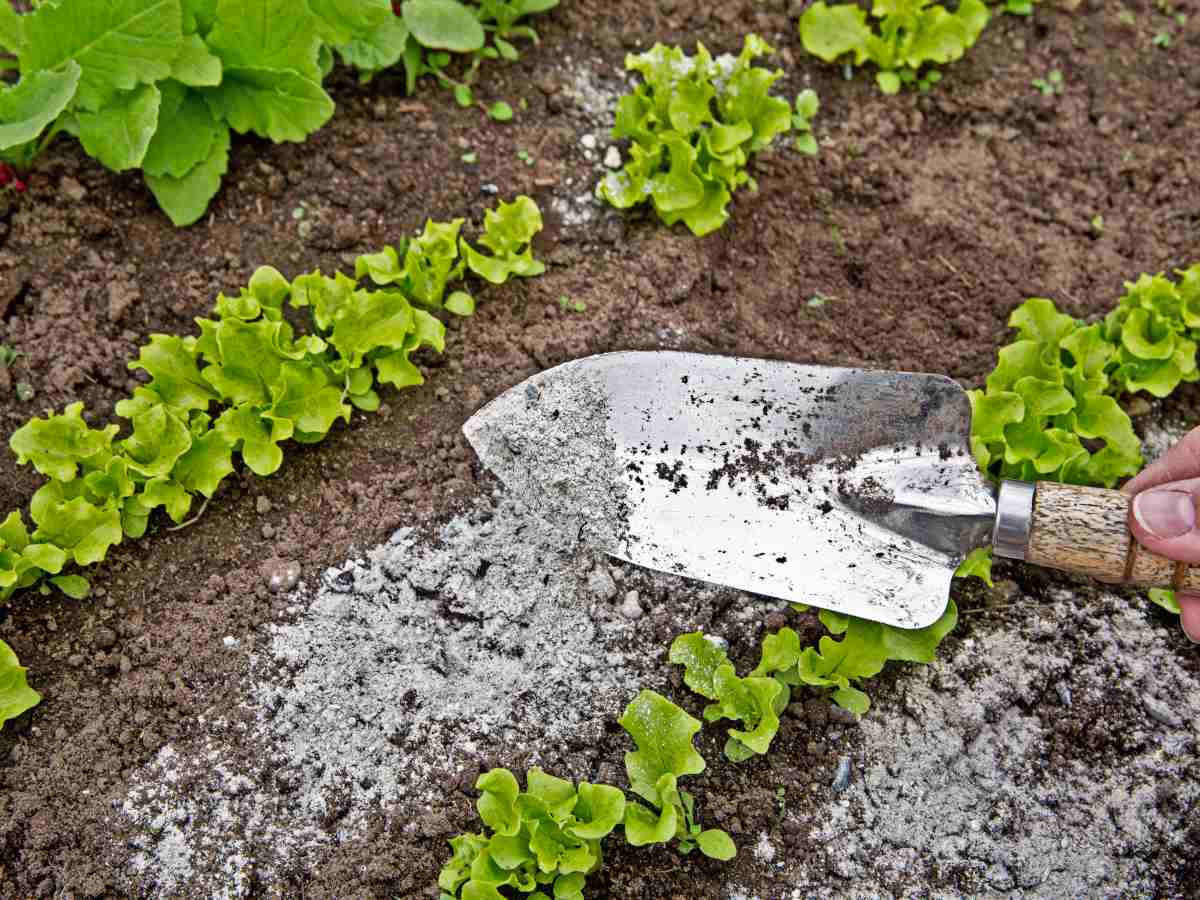
Sprinkle a thin ring of dry ash around the base of hostas, lettuce, or strawberries to deter slugs and snails. The ash absorbs moisture and irritates their soft bodies on contact.
This method only works when dry. Rain or watering washes it away, so reapply after wet weather. Avoid thick layers that form a crust and block water penetration.
Discourage Ants and Garden Pests
A light dusting of ash around ant hills or garden borders may reduce activity. While not a permanent fix, it offers a chemical-free way to manage minor infestations.
Do not rely on ash alone for severe pest problems—combine with other organic controls if needed.
Avoid These Common Ash Mistakes
Don’t Overapply Ash
Too much ash raises soil pH too fast, making essential nutrients inaccessible. Signs include yellow leaves with green veins (iron deficiency) and weak plant growth. Correcting high pH takes time and sulfur applications.
Stick to one annual application and retest your soil every 2–3 years to monitor changes.
Never Use Ash on Seedlings or Young Plants
Fresh ash contains soluble salts and high alkalinity that can burn tender roots and inhibit germination. Wait until plants are well established before applying ash nearby.
Keep ash out of seed-starting mixes and newly sown beds.
Don’t Combine Ash With Nitrogen Fertilizers
Mixing wood ash with ammonium-based fertilizers like urea or ammonium sulfate causes nitrogen loss as ammonia gas. This reduces fertilizer effectiveness and wastes nutrients.
Apply ash and nitrogen fertilizers at least 3–4 weeks apart.
Store Ash Safely for Garden Use
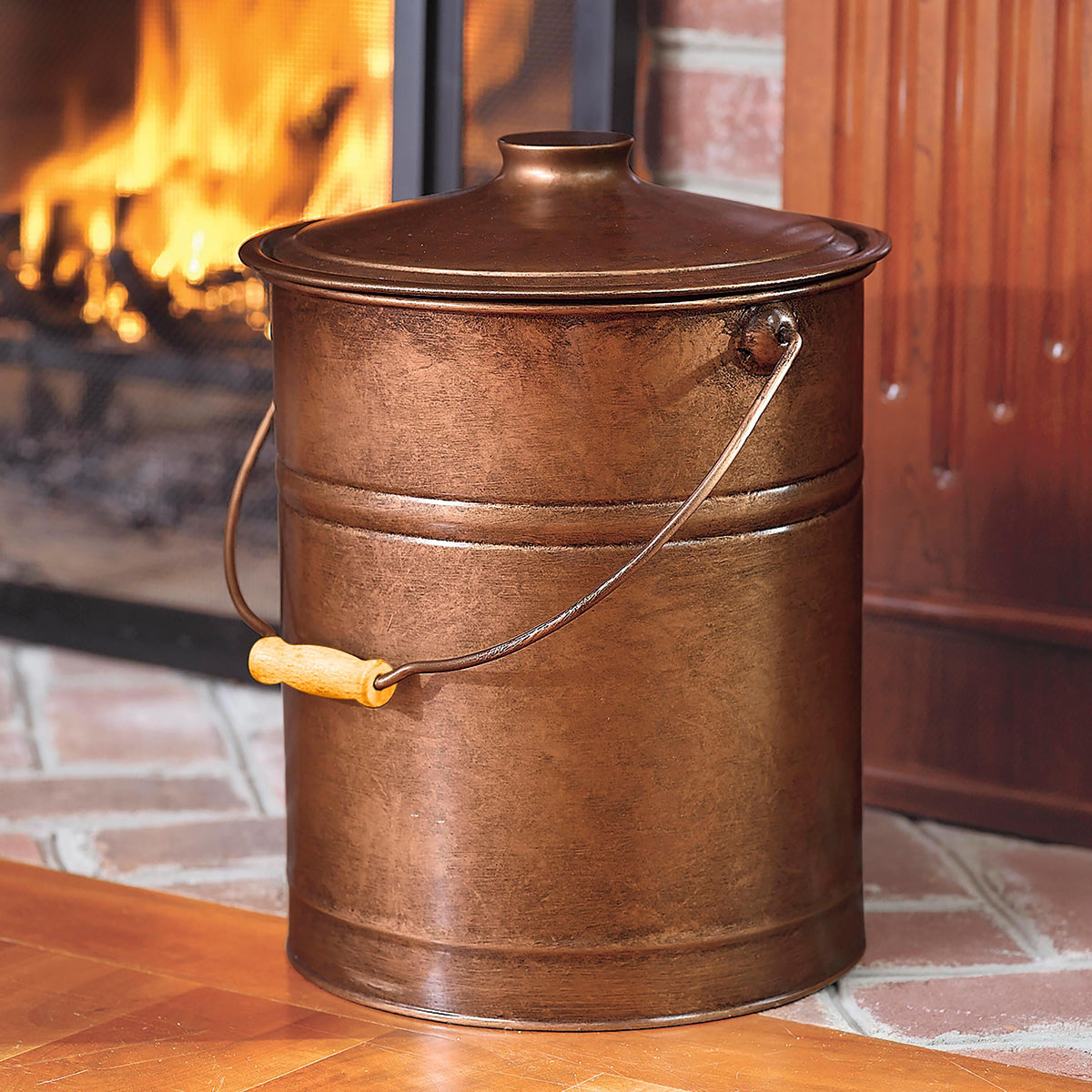
Keep Ash Dry in a Labeled Metal Container
Store unused ash in a sealed metal container away from flammable materials. Label it clearly as “Wood Ash – Garden Use” to prevent accidental misuse.
Never store ash in plastic bins—residual heat or moisture can degrade the container or cause smoldering.
Ensure Ash Is Completely Cooled
Wait at least 48 hours after your fire before handling ash. Douse the pile with water if you’re unsure it’s cool. Hot embers can reignite and pose a fire hazard.
Only handle fully cooled ash to avoid burns or accidents.
Monitor Your Garden After Application
Watch for Plant Response
After applying ash, observe your plants for 4–6 weeks. Look for stronger stems, darker green foliage, and improved fruiting—signs of healthy potassium and calcium uptake.
If you see yellowing between leaf veins or poor growth, stop using ash and retest your soil pH.
Retest Soil Every 2–3 Years
Soil conditions shift over time. Regular testing helps you track pH and nutrient levels. This prevents over-liming and guides future ash applications.
Retesting ensures long-term soil health and avoids unintended damage.
Best Times to Use Ash in the Garden
Apply Ash in Late Fall or Early Spring
The ideal times to add ash are late fall or early spring. Fall applications let winter rain and snow slowly incorporate nutrients into the soil. Spring applications prepare beds before planting potassium-loving crops.
Avoid applying during summer droughts or on frozen ground in winter.
Prepare Soil for Spring Planting
In early spring, mix a handful of ash into each planting hole for tomatoes, peppers, or squash. Combine with compost for balanced nutrition and disease resistance.
This targeted approach gives plants a strong start without overloading the soil.
Frequently Asked Questions About Using Ash in the Garden
Can I use fireplace ash in my vegetable garden?
Yes, if it’s from untreated wood and your soil is acidic. Test your pH first. Apply no more than 20 pounds per 1,000 square feet annually and avoid using it near potatoes or root crops that prefer acidic conditions.
Does wood ash add nutrients to soil?
Yes. Wood ash provides potassium, calcium, magnesium, and trace minerals. It’s especially high in potassium carbonate, which supports fruiting and stem strength in plants like tomatoes and peppers.
Is wood ash safe for compost?
Yes, in small amounts. Add no more than one cup per foot of compost to balance acidity and boost potassium. Avoid mixing it with manure to prevent nitrogen loss.
Can wood ash hurt plants?
Yes, if overused or applied to the wrong plants. Too much ash raises soil pH, locking out nutrients. It can also burn seedlings and harm acid-loving plants like blueberries and azaleas.
How often should I apply wood ash?
Once per year is enough. Apply in fall or spring and retest your soil every 2–3 years. Regular monitoring prevents over-application and maintains healthy growing conditions.
Can I use wood ash to kill weeds?
No. Wood ash does not kill weeds. While it may deter some pests, it’s not an effective herbicide. Heavy application can damage soil structure and raise pH unsafely.
Key Takeaways for Using Ash in the Garden
• Always test your soil before applying ash—only use it on acidic soils (pH below 6.0)
• Use only clean, untreated wood ash—never from coal, trash, or treated lumber
• Apply lightly—no more than 20 pounds per 1,000 sq ft per year—and work it into the soil
• Avoid using ash near acid-loving plants like blueberries, azaleas, and potatoes
• Enhance compost and deter slugs with small, strategic applications
Start with a small test area, observe plant response, and retest soil regularly. When used wisely, wood ash transforms fireplace waste into a free, eco-friendly garden booster—supporting stronger plants, healthier soil, and sustainable gardening.