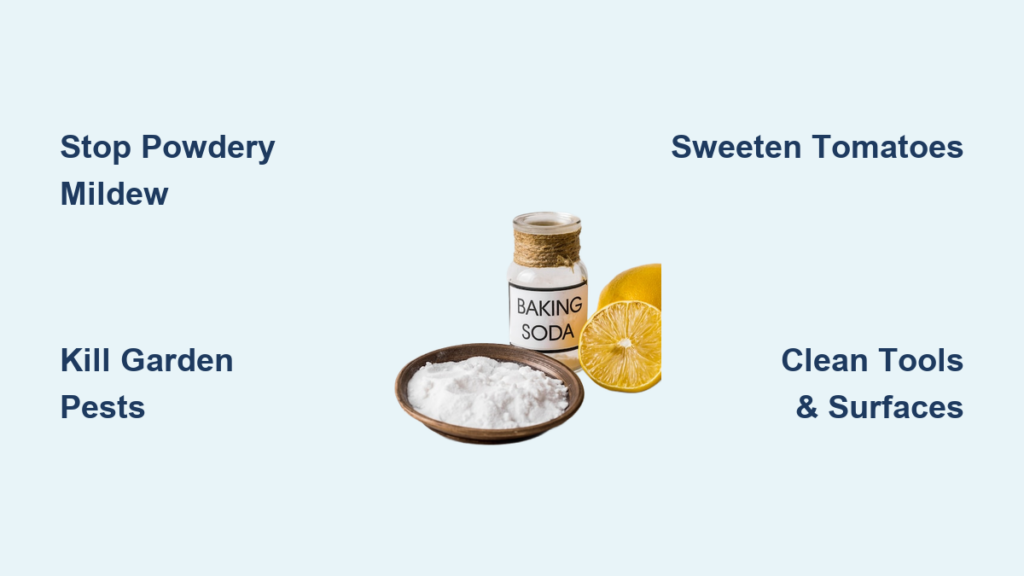
If you’re looking for natural, affordable ways to protect your plants and keep your garden thriving, learning how to use baking soda in the garden can be a game-changer. This common household item—sodium bicarbonate—is a powerful ally against powdery mildew, pests, weeds, and odors. Gardeners use it to sweeten tomatoes, enhance blooms, clean tools, and even extend the life of cut flowers. When applied correctly, baking soda is safe for pets, kids, and pollinators, making it a go-to eco-friendly solution.
But caution is essential. While baking soda is natural, it’s not harmless. Overuse can raise soil pH and introduce damaging sodium levels that harm plant roots and soil structure. The key is targeted, moderate use—never treat it as a cure-all. In this guide, you’ll discover exactly how to use baking soda in the garden with proven, step-by-step methods for disease control, pest management, cleaning, and more. From squash leaves to tomato vines and garden paths, these practical tips help you get real results—safely and effectively.
Stop Powdery Mildew on Vegetables and Flowers
Powdery mildew is a white, powdery fungus that spreads quickly on squash, cucumbers, tomatoes, and roses. Baking soda stops its growth by raising leaf surface pH, creating an environment where fungal spores can’t survive.
Make an Effective Baking Soda Fungicide Spray
Mix 1 tablespoon of baking soda with 1 gallon of water. Add 2–3 drops of mild liquid soap like Castile or baby shampoo to help the solution stick to leaves. For better adhesion, include 2 tablespoons of vegetable oil.
Shake well before transferring to a spray bottle or garden sprayer. Use clean, non-chlorinated water—rainwater or well water works best, as chlorine can reduce effectiveness. Avoid using tap water if possible.
Apply Weekly to Prevent and Treat Infections
Spray both sides of leaves, focusing on the undersides where mildew often starts. Apply once a week as a preventive measure. Reapply after heavy rain to maintain protection.
Always spray in early morning or late evening—never in direct sunlight. Wet leaves under hot sun can scorch. Avoid spraying flower buds and stalks. Most gardeners see improvement within 7–10 days of consistent use on plants like zucchini, pumpkins, grapes, and roses.
Control Garden Pests Without Chemicals

Baking soda disrupts soft-bodied pests by altering their internal pH and releasing carbon dioxide when ingested. Combined with soap or oil, it becomes a safe, effective pest control method.
Eliminate Aphids and Spider Mites with Spray
For aphids, whiteflies, and spider mites, mix 1 tablespoon baking soda, 1 tablespoon natural liquid soap, and 2 tablespoons vegetable oil into 1 liter of water. Shake well and spray every 5–7 days.
Target leaf undersides where pests hide. The soap breaks down their protective coating, while baking soda interferes with digestion. Test on one leaf first. Avoid spraying in full sun to prevent leaf damage.
Kill Cabbage Worms with a Flour and Baking Soda Mix
Cabbage worms destroy broccoli, kale, and other brassicas. Mix equal parts baking soda and white flour. Lightly dust the leaves of infested plants.
When worms eat the treated foliage, the baking soda reacts in their acidic digestive system, killing them within hours. Reapply after rain. This method is non-toxic and won’t harm bees or ladybugs.
Destroy Slugs on Contact
Sprinkle baking soda directly on slugs at night when they’re active. It dehydrates and kills them instantly. Use only on visible slugs near hostas, lettuce, or strawberries.
Do not spread baking soda widely—this can harm soil. For long-term control, combine with beer traps or copper barriers.
Protect Carrots and Potatoes from Soil Pests
Before planting root vegetables, sprinkle a light layer of baking soda on the soil surface. This deters grubs and root maggots.
Reapply after rain until plants are established. Use no more than 1 tablespoon per square foot. This is a preventive tactic, not a cure for existing infestations.
Adjust Soil pH Without Harmful Chemicals

Baking soda raises soil pH, making acidic soil more alkaline. It should never be used to lower pH. Use it only for small, targeted adjustments—not as a long-term soil amendment.
Test Your Soil Acidity with Baking Soda
To check if your soil is acidic, try this quick test:
1. Place ½ cup of soil in a bowl.
2. Add ½ cup distilled water and mix into a slurry.
3. Sprinkle 1 tablespoon of baking soda over the mix.
4. If it fizzes, your soil is acidic (pH below 7).
No reaction means your soil is neutral or alkaline. This test isn’t precise but gives a fast, low-cost indication. For accuracy, use a $20–$25 soil pH meter.
Gently Raise pH in Acidic Garden Beds
If your soil is too acidic (below pH 6.0), dissolve 1 tablespoon of baking soda in 1 gallon of water. Apply only to small areas like container gardens or flower beds.
Water the solution into the soil and wait 3–5 days. Retest pH before reapplying. Never exceed 1 tablespoon per square foot per week. Overuse leads to sodium buildup.
For long-term pH correction, use dolomite lime or gypsum instead. Baking soda is best for quick fixes or indoor plants.
Kill Weeds in Cracks and Walkways
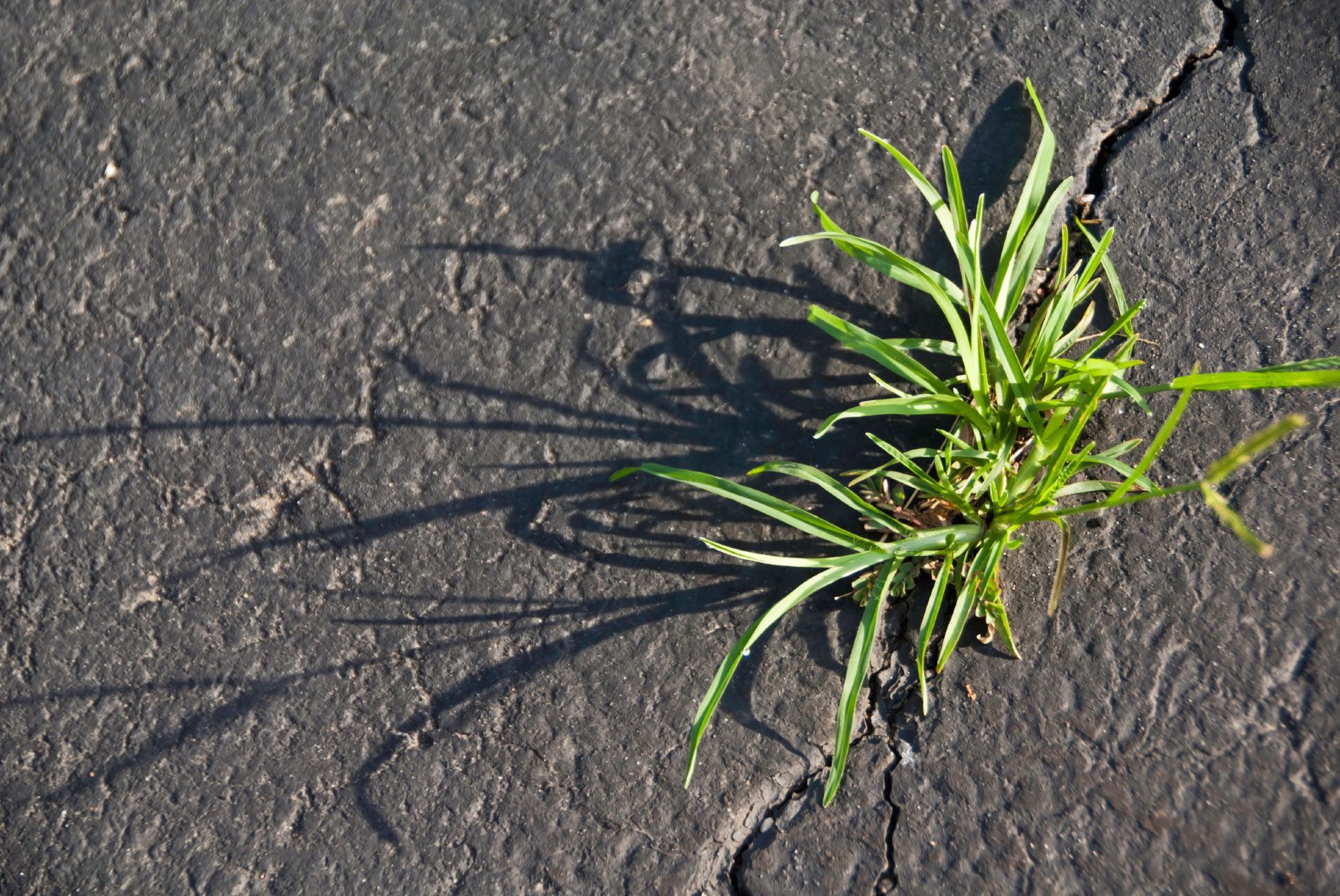
Baking soda acts as a natural herbicide by drying out plant cells and increasing soil salinity. It’s most effective on paved surfaces where sodium won’t damage surrounding plants.
Eradicate Weeds in Sidewalk and Patio Cracks
Sprinkle 3–4 tablespoons of baking soda directly onto weeds growing in cracks. Lightly water the area to activate the baking soda.
Weeds will wither and die within 2–3 days. Reapply if regrowth occurs. This method works best in hot, dry weather when plants are already stressed.
Prevent Damage to Garden Beds and Lawns
Never use baking soda as a weed killer near vegetable beds, lawns, or flower gardens. Sodium leaches into the soil and can poison nearby plants. Stick to non-plantable hardscapes only.
For garden weeds, pull by hand or use vinegar-based herbicides. Reserve baking soda for spot-treating weeds where nothing else grows.
Improve Tomato Flavor and Flowering

Baking soda isn’t just for cleaning—it can also enhance plant performance when used in small, targeted doses.
Grow Sweeter Tomatoes with Baking Soda
When tomatoes begin to form, sprinkle 1 tablespoon of baking soda around the base of each plant. Water it in well.
This slightly raises soil pH, reducing acidity in the fruit. The result? Less tartness and more natural sweetness in ripe tomatoes. Do not apply during the seedling stage—wait until fruit set.
Promote More Blooms on Geraniums and Roses
For more vibrant flowers, dissolve 1 tablespoon of baking soda in 2 quarts of water. Use this solution to water blooming plants like geraniums, petunias, and roses.
The mild pH boost helps plants absorb nutrients more efficiently, encouraging bud development. Use once per season—overuse can inhibit growth.
Give Plants a Monthly Growth Boost
Mix 1 tablespoon baking soda, 1 tablespoon Epsom salt, and 1 teaspoon household ammonia into 1 gallon of water. Stir well.
Apply ½ to ¾ cup per plant once a month during the growing season. This delivers sodium, magnesium, and nitrogen—key nutrients for strong stems and lush foliage.
Do not exceed monthly use. This is not a substitute for compost or balanced fertilizer—use it as a supplemental boost.
Reduce Compost Odors Naturally
Compost piles can develop strong, unpleasant smells from ammonia or rotting food. Baking soda neutralizes odors and supports healthy decomposition.
Keep Your Compost Bin Fresh and Functional
Add 2 heaping tablespoons of baking soda to your compost bin once a month. Mix it into the top layer of kitchen scraps and manure.
This helps balance pH, reduce ammonia fumes, and speed up breakdown. It’s especially useful in enclosed bins or urban compost systems where odors are a concern.
Avoid overuse—too much baking soda can slow microbial activity. Stick to monthly applications for best results.
Clean Garden Tools, Pots, and Surfaces
Baking soda’s mild abrasiveness and deodorizing power make it ideal for cleaning garden equipment and containers without harsh chemicals.
Remove Rust from Shovels and Pruners
Soak metal tools in equal parts vinegar and water for 15–30 minutes to loosen rust. Then, make a paste of baking soda and water.
Use a stiff brush to scrub the tool with the paste. Rinse thoroughly and dry completely to prevent new rust. This method is perfect for end-of-season maintenance.
Clean Mineral Stains from Terracotta Pots
Mineral deposits from watering leave white stains on clay pots and stone bird baths. Make a paste of baking soda and water.
Apply with a soft brush or cloth. Scrub gently and rinse well. For tough stains, let the paste sit for 10–15 minutes before scrubbing.
This restores appearance without scratching surfaces. Safe for frequent use on outdoor décor.
Sanitize Used Seed Trays for Next Season
Used seed trays can harbor fungi and bacteria. Prevent disease by cleaning them with a baking soda paste.
Mix 2–3 tablespoons of baking soda with a little water to form a toothpaste-like consistency. Scrub trays thoroughly, then rinse and air dry.
This ensures a sterile start for next season’s seedlings—no need for bleach.
Maintain Outdoor Furniture and Paths
Keep your garden space clean and inviting with baking soda’s cleaning power. It cuts through grime, neutralizes odors, and removes stains—safely and affordably.
Clean Plastic and Metal Garden Furniture
Mix ½ cup baking soda with 1 tablespoon dish soap and 1 gallon of warm water. Dip a sponge into the solution and wipe down chairs, tables, and benches.
Rinse with clean water. This removes dirt, mildew, and sticky residues without damaging finishes. Ideal for plastic, metal, or painted wood.
Wash Garden Walkways Without Chemicals
For clean, weed-free paths, mix 2 tablespoons of baking soda into 1 liter of warm water. Apply with a mop or brush.
Scrub with a stiff broom if needed. For extra cleaning power, add a pinch of baking powder. Rinse thoroughly.
Avoid spilling on lawns or flower beds—this solution can harm nearby plants.
Smart Bonus Uses for Gardeners
Beyond disease and pest control, baking soda has several niche but effective applications in the garden.
Make Cut Flowers Last Longer
Add 1 teaspoon of baking soda to vase water to slow bacterial growth and maintain pH balance. This helps cut flowers like roses, daisies, and zinnias stay fresh longer.
Change water every 2–3 days with a fresh pinch of baking soda. Keep vases out of direct sunlight for best results.
Neutralize Pet Odors in Garden Soil
Cats and dogs sometimes use garden beds as litter boxes. To eliminate odors, sprinkle 1 teaspoon of baking soda over the affected area.
Mix it into the top inch of soil and water lightly. Baking soda neutralizes ammonia smells and discourages animals from returning.
Use sparingly—no more than once per week per area.
Clean Dusty Houseplant Leaves
Dusty leaves reduce photosynthesis. Wipe them gently with a soft, damp cloth dipped in a solution of 1 pinch of baking soda per liter of water.
Clean both top and bottom surfaces. This removes grease and grime, helping plants breathe and grow better.
Wash Gardening Hands Without Harsh Soaps
After working in the soil, rub a small amount of dry baking soda on wet hands. Scrub for 20–30 seconds, then rinse.
It exfoliates and deodorizes without drying skin—much gentler than harsh soaps.
Frequently Asked Questions About Using Baking Soda in the Garden
Can baking soda kill powdery mildew on plants?
Yes, baking soda stops powdery mildew by raising the pH on leaf surfaces, making them inhospitable to fungal spores. Mix 1 tablespoon with 1 gallon of water and 2–3 drops of soap. Spray weekly on both sides of leaves for best results.
Does baking soda make tomatoes sweeter?
Yes, sprinkling 1 tablespoon of baking soda around the base of tomato plants when fruit sets can reduce soil acidity, leading to sweeter-tasting tomatoes. Do not apply during the seedling stage.
Is baking soda safe for plants and soil?
Yes, when used in moderation. Overuse can raise soil pH and introduce harmful sodium levels. Always test on one plant first and avoid widespread soil applications.
Can I use baking soda to kill weeds?
Yes, but only on paved surfaces like sidewalks, driveways, and patios. Sprinkle 3–4 tablespoons directly on weeds. Avoid using near garden beds—sodium can leach into soil and damage plants.
How do I test soil pH with baking soda?
Mix ½ cup soil with ½ cup distilled water. Sprinkle 1 tablespoon of baking soda on top. If it fizzes, your soil is acidic (pH below 7). No reaction means neutral or alkaline soil.
Can baking soda harm beneficial insects?
No, when used correctly. Baking soda sprays and dusts target pests like aphids and slugs but do not harm bees, ladybugs, or other beneficial insects—especially when applied selectively.
Key Takeaways for Using Baking Soda in the Garden
Baking soda is a versatile, safe, and affordable garden aid when used wisely. Focus on targeted applications: fungal sprays, pest dusts, pH tweaks, and cleaning. Always test first, use in moderation, and avoid overapplying to soil.
The most effective uses include preventing powdery mildew, sweetening tomatoes, killing weeds in cracks, and cleaning tools. Avoid large-scale soil treatments due to sodium risks. When in doubt, less is more.
Try one method at a time, monitor results, and integrate baking soda into your regular garden care routine. With these strategies, you can grow healthier plants, prevent problems, and keep your garden clean—all without synthetic chemicals.