Imagine stepping onto your rooftop and being greeted by lush greenery, vibrant flowers, and fresh herbs ready to harvest—all in the heart of the city. Creating a rooftop garden transforms unused urban space into a sustainable oasis, improves air quality, and provides a peaceful retreat from daily life. Whether you’re in a high-rise apartment or managing a commercial building, how to create a rooftop garden starts with smart planning, structural safety, and the right materials.
This guide walks you through every essential step—from assessing load capacity to choosing drought-tolerant plants—so you can build a thriving rooftop garden that’s beautiful, functional, and safe. No prior gardening experience? No problem. With clear steps and practical tips, you’ll be growing your own green sanctuary in weeks.
Confirm Your Roof Can Support a Garden

Before placing a single plant, verify your roof’s ability to handle extra weight. Overloading risks structural damage, leaks, and even collapse.
Determine Roof Load Capacity
Contact a structural engineer or building manager to assess your roof’s live load capacity—the maximum weight it can safely support. Most residential roofs handle 20–50 pounds per square foot, but older buildings may have lower limits.
• Lightweight setups (pots, small containers): ~20 lbs/sq ft
• Raised beds, gravel paths, water features: 30–50+ lbs/sq ft
Exceeding these limits can void insurance and create safety hazards.
Inspect Roof Membrane and Drainage
Ensure the roof surface is intact and properly waterproofed. Moisture from soil can seep into cracks and cause leaks.
• Look for pooling water, blistering, or cracks in the membrane.
• Confirm a root barrier is installed if required.
• Add a drainage layer beneath planters to prevent water accumulation.
Warning: Never drill or puncture the roof without professional approval.
Choose the Best Rooftop Garden Type for Your Space
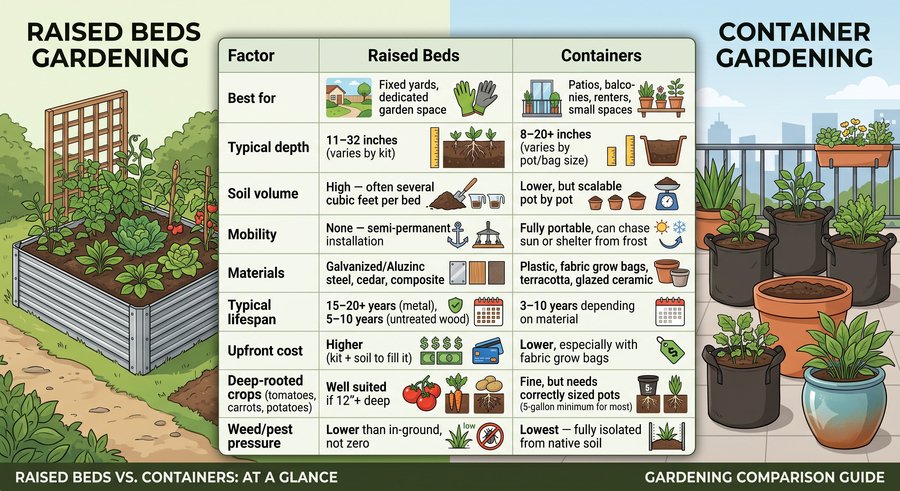
Select a garden system based on weight, budget, and how much maintenance you can provide.
Build a Container Garden (Lightweight & Flexible)
Use pots, planters, or fabric grow bags filled with lightweight soil. Ideal for beginners and small spaces.
• Pros: Portable, affordable, easy to install
• Cons: Dries out quickly, limited root space
Best plants: Herbs, lettuce, peppers, annual flowers
Install Shallow Raised Beds (More Growing Room)
Use 6–12 inch deep beds made from cedar, composite, or metal. Fill with a light soil mix.
• Pros: Better moisture retention, larger yields
• Cons: Heavier, less mobile
Tip: Line the bottom with landscape fabric to prevent soil loss and protect the roof.
Opt for a Green Roof System (Long-Term Solution)
Install a layered system with drainage mats, filter fabric, and sedum or native plants.
• Pros: Reduces energy costs, manages stormwater, lasts decades
• Cons: Expensive, requires professional installation
Best for: Commercial buildings or owners committed to sustainability
Use Lightweight, Fast-Draining Soil Mixes

Regular garden soil is too heavy and compacts easily. Use a custom blend designed for rooftop conditions.
Recommended Soil Components
• Compost (30%): Provides nutrients
• Coconut coir or peat moss (30%): Holds moisture without adding weight
• Perlite or pumice (40%): Enhances drainage and aeration
Avoid clay-rich soils—they retain water and increase load.
Pro Tip: Mix in slow-release organic fertilizer at planting time to reduce feeding frequency.
Select Plants That Thrive in Rooftop Conditions

Rooftops face intense sun, strong winds, and temperature swings. Choose resilient, low-maintenance species.
Top Plant Choices for Rooftop Gardens
Drought-Tolerant Perennials
• Sedum
• Lavender
• Russian sage
• Yarrow
These require minimal watering and spread slowly.
Fast-Growing Vegetables
• Cherry tomatoes
• Arugula
• Swiss chard
• Bush beans
Use self-watering containers to prevent drying.
Wind-Resistant Herbs
• Thyme
• Oregano
• Sage
• Chives
Plant in sheltered corners or behind windbreaks.
Avoid These Rooftop Plants
• Tall, top-heavy types like corn or sunflowers
• Water-loving species such as water lilies
• Invasive plants like mint—unless grown in containers
Add Windbreaks and Shade Structures
Exposed rooftops lose moisture fast and can damage delicate plants. Protect your garden with smart design.
Install Effective Wind Protection
Use semi-permeable barriers that block wind but allow airflow:
• Bamboo screens
• Acrylic panels
• Trellises with climbing vines (e.g., ivy, clematis)
Rule: Keep windbreaks below railing height to comply with building codes.
Provide Afternoon Shade
Use retractable canopies, shade cloths (30–50% density), or pergolas to shield plants from harsh sun.
• Position shade on the south or west side.
• Choose UV-resistant fabric for durability.
Set Up an Efficient Watering System
Hand-watering works for small gardens, but automation saves time and keeps plants healthy.
Use Drip Irrigation for Large Gardens
Delivers water directly to roots, reducing evaporation and waste.
• Use a timer to water early morning or late evening.
• Connect to a rain barrel if allowed by building management.
Choose Self-Watering Planters for Containers
These have built-in reservoirs that feed soil as needed.
• Reduces watering by up to 70%
• Prevents both over- and under-watering
Warning: Never leave irrigation systems running unattended.
Pick the Right Containers for Roof Safety
Choose planters that are strong, lightweight, and durable in sun and wind.
Best Container Materials
| Material | Weight | Durability | Best For |
|---|---|---|---|
| Fiberglass | Light | High | All plants |
| Plastic (food-grade) | Very light | Medium | Vegetables, herbs |
| Fabric grow bags | Ultra-light | Low (1–3 years) | Root crops, temporary setups |
| Recycled composite | Medium | High | Permanent installations |
Avoid unglazed clay pots—they dry out too fast.
Follow Building Rules and Safety Regulations
Many cities and buildings restrict rooftop modifications. Always check before you start.
Check Local and Building Codes
• Is gardening allowed on rooftops?
• Are there fire code rules about materials?
• Do you need a permit for structures like pergolas or sheds?
Get written approval from your landlord or HOA.
Essential Safety Features
• Install non-slip mats or flooring
• Ensure railings are at least 42 inches high
• Keep a fire extinguisher nearby
• Never block emergency exits or access points
Maintain Your Rooftop Garden Weekly
Regular care keeps your garden productive and safe.
Weekly Maintenance Checklist
• Inspect containers for cracks or leaks
• Check irrigation for clogs
• Remove dead leaves and spent flowers
• Test soil moisture 2 inches deep
• Look for pests like aphids or spider mites
Seasonal Care Tips
• Spring: Refresh soil, start seedlings
• Summer: Monitor water, prune overgrowth
• Fall: Harvest, plant cover crops
• Winter: Store containers, protect perennials
Pro Tip: Keep a garden journal to track what works each season.
Maximize Space with Vertical Gardening

When floor space is limited, grow upward.
Install Vertical Growing Systems
• Wall-mounted fabric pockets
• Hanging gutter gardens
• Trellises for beans, cucumbers, or peas
Benefits:
• Doubles growing area
• Improves air circulation
• Reduces pest pressure
Caution: Secure all vertical systems to prevent tipping in high winds.
Prevent Pests and Diseases Naturally
Rooftops have fewer pests, but problems can still occur. Use eco-friendly solutions.
Common Issues and Natural Fixes
• Aphids: Spray with soapy water or introduce ladybugs
• Spider mites: Rinse leaves, increase humidity
• Fungal spots: Improve airflow, avoid overhead watering
Avoid chemical pesticides—they can drift and affect neighbors.
Use Companion Planting
• Marigolds repel nematodes
• Basil deters whiteflies on tomatoes
• Chives discourage aphids on roses
Harvest Your Homegrown Produce
Enjoy the rewards of fresh, organic food from your rooftop.
Harvesting Tips
• Leafy greens: Pick outer leaves first
• Herbs: Trim before flowering for best flavor
• Tomatoes: Harvest when fully colored and slightly soft
Use clean scissors to avoid damaging plants.
Bonus: Share extra produce with neighbors or compost it.
Extend Your Growing Season
Use microclimate strategies to grow earlier in spring and later in fall.
Use Cold Frames or Mini Greenhouses
• Trap heat on cool nights
• Protect seedlings from wind
• Build from recycled clear plastic or glass
Choose Cold-Hardy Varieties
• ‘Early Girl’ tomatoes
• ‘Winter Density’ lettuce
• ‘Bull’s Blood’ beet
Key Takeaways for Building a Successful Rooftop Garden
Creating a rooftop garden is more than just placing plants on a roof—it’s about building a safe, sustainable, and thriving green space in an urban environment.
• Always verify structural safety before adding any weight.
• Use lightweight soil and containers to reduce load.
• Choose drought-tolerant, wind-resistant plants.
• Automate watering to save time and prevent stress.
• Follow building rules and get permission in writing.
Start small with a few containers, then expand as you gain confidence.
Next Step: Assess your roof’s load capacity and sketch a simple layout—then plant your first container this weekend.
Frequently Asked Questions About Rooftop Gardens
Can I grow a garden on any rooftop?
Yes, but only if the roof can support the weight and you have permission from building management or landlord. Always consult a structural engineer before starting.
How much weight can a rooftop garden add?
Container gardens add 15–30 lbs/sq ft. Raised beds and green roofs can exceed 50 lbs/sq ft. Confirm your roof’s live load capacity first.
What is the easiest way to start a rooftop garden?
Begin with lightweight containers and self-watering planters. Choose low-maintenance plants like herbs, lettuce, or succulents.
Do rooftop gardens require special soil?
Yes. Use a lightweight, fast-draining mix with compost, coconut coir, and perlite. Avoid heavy garden soil.
How do I protect plants from wind and sun?
Install bamboo screens or trellises as windbreaks. Use shade cloths or retractable canopies to block intense afternoon sun.
Are rooftop gardens allowed in cities?
Most cities allow them, but rules vary. Check local zoning laws, fire codes, and building regulations before installing.