Moss spreading across your lawn, garden beds, or stone pathways is more than just an eyesore—it’s a red flag that your garden’s conditions favor moss over healthy plants. While moss isn’t toxic, its presence signals underlying issues like poor drainage, compacted soil, excessive shade, or imbalanced pH. Learning how to get rid of moss in garden spaces starts with understanding why it’s there in the first place. The good news is that with simple, natural methods and smart garden care, you can eliminate moss and prevent it from coming back.
This guide gives you a complete action plan—from diagnosing root causes to removing moss safely and transforming your garden into a thriving, moss-resistant space. You’ll learn how to use household items like vinegar and baking soda, improve soil health, boost sunlight, and maintain a lush lawn without relying on harsh chemicals. Whether you’re dealing with moss on grass, walkways, or flower beds, these proven steps will help you reclaim your garden for good.
Diagnose Why Moss Is Growing in Your Garden
Before tackling moss removal, identify the conditions allowing it to thrive. Moss doesn’t invade healthy lawns or well-drained beds—it exploits weak spots. Fixing these issues ensures long-term success.
Is Your Garden Getting Too Little Sunlight?
Moss flourishes in shady areas where grass struggles. If your garden receives less than 4 hours of direct sunlight daily, moss will likely take over.
What to do: Prune low-hanging tree branches and thin dense shrubs to increase light. In persistently shady zones, consider replacing grass with shade-loving ground covers like ivy, pachysandra, or ferns.
Is Your Soil Compacted?
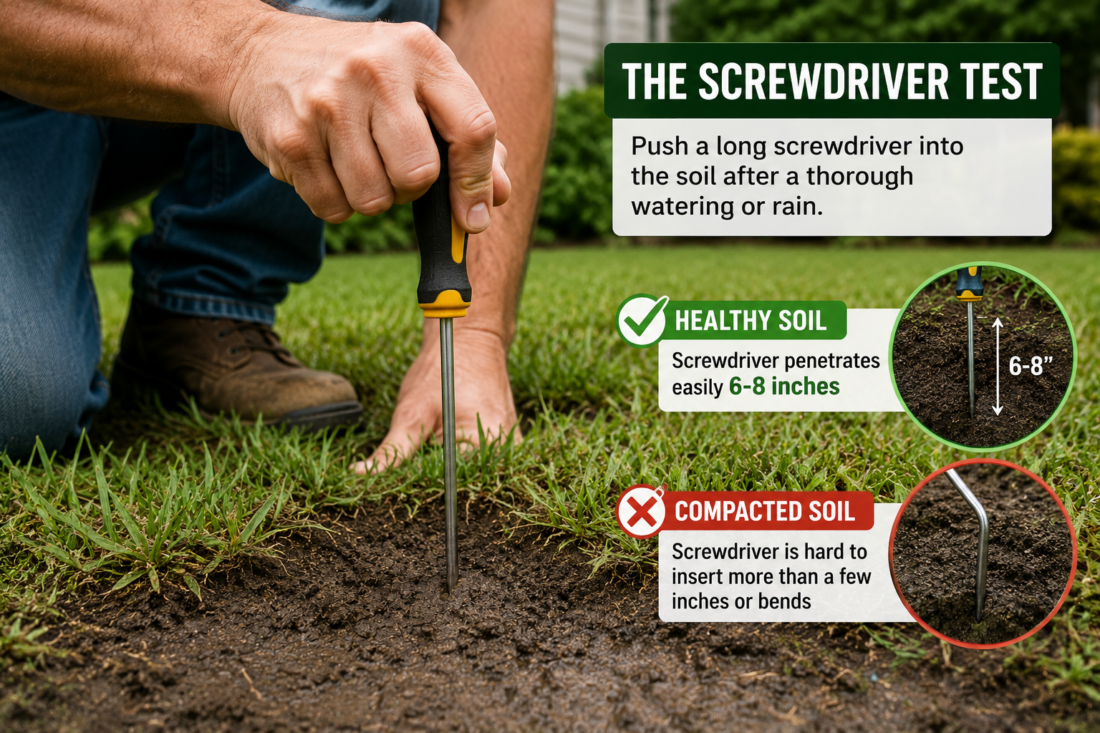
Hard, dense soil prevents air, water, and root movement—perfect for moss, not grass. Walk across the area: if it feels solid and water pools after rain, compaction is likely.
Quick test: Push a screwdriver into the soil. If it meets strong resistance, your soil is compacted and needs aeration.
Does Your Garden Have Poor Drainage?
Wet, soggy soil creates ideal moss habitat. Look for low spots, heavy clay, or areas near downspouts where water collects.
Fix it: Improve grading to redirect runoff, install a French drain, or add organic matter like compost to enhance soil structure and drainage.
Is Your Soil Too Acidic?
Moss thrives in acidic soil (pH below 5.5), while most grasses prefer a pH between 6.0 and 7.0. Acidic soil weakens grass and gives moss the upper hand.
Solution: Use a home soil test kit. If pH is too low, apply garden lime to raise it and create a better environment for grass.
Remove Moss Naturally and Without Chemicals
Once you’ve identified the cause, eliminate existing moss using safe, effective methods that won’t harm your plants, pets, or soil.
Rake Moss Out of Your Lawn by Hand
For lawns, use a spring-tine rake or dethatcher to pull moss out by the roots.
• Do this when the soil is moist—after rain or watering
• Rake vigorously in multiple directions to loosen moss
• Gather and dispose of moss in the trash (don’t compost if spores are present)
Pro tip: Rent a power dethatcher for large or heavily infested lawns to save time and effort.
Scrub Moss Off Paths, Stones, and Driveways
Moss on hard surfaces is slippery and unsightly. Remove it with simple tools and natural cleaners.
• Use a stiff-bristle brush or low-pressure washer to scrub away moss
• For a natural solution, mix equal parts white vinegar and water
• Spray, wait 10–15 minutes, then scrub and rinse thoroughly
Warning: Vinegar can damage nearby plants—cover them or avoid overspray.
Use Baking Soda to Kill Moss on Hard Surfaces
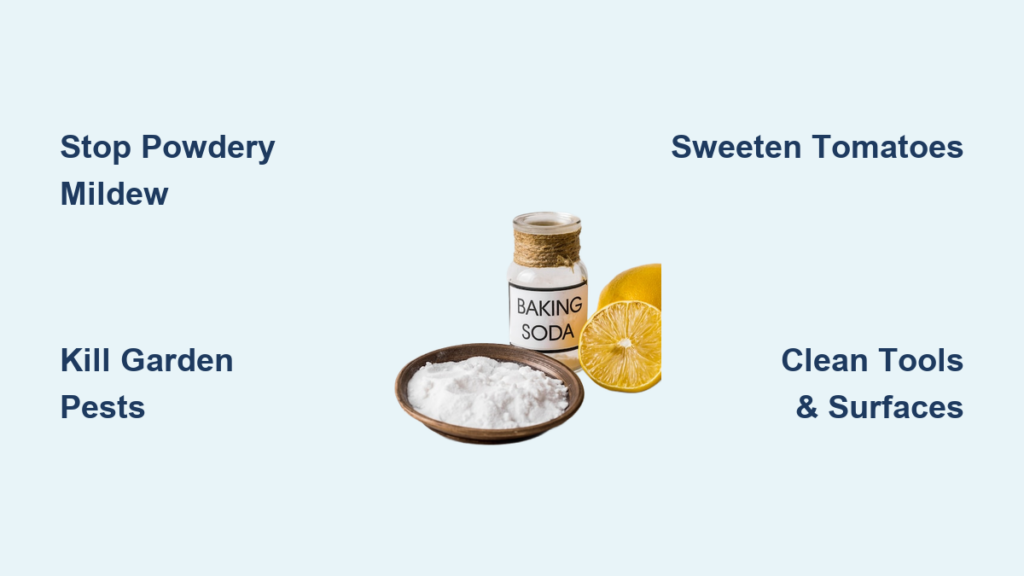
Baking soda alters surface pH, killing moss on contact. It’s safe, cheap, and effective for small areas.
• Sprinkle generously over mossy patches on sidewalks or patios
• Wait 2–3 days for moss to turn brown and die
• Scrub with a brush and rinse with water
Note: Avoid using on lawns—baking soda can harm grass if overapplied.
Apply Natural Moss-Killing Treatments
When manual removal isn’t enough, natural treatments can eliminate moss without harming your garden ecosystem.
Use Iron Sulfate Moss Killer
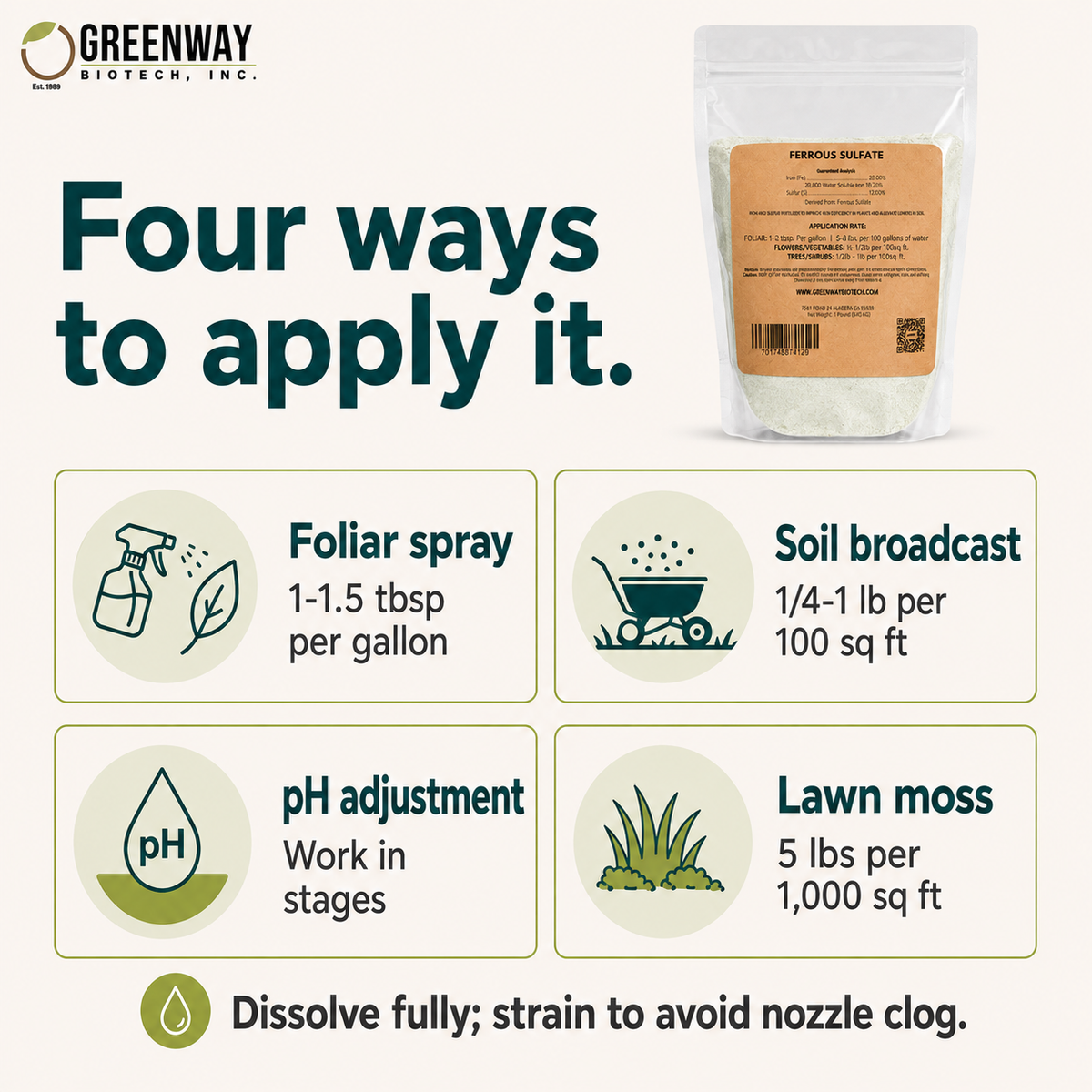
Iron-based products (like ferrous sulfate) are among the most effective organic moss killers. They turn moss black within days and break down safely in soil.
• Available in liquid or granular form
• Apply in cool, damp weather—spring or fall is ideal
• Water lightly after application to activate
Caution: Iron can stain concrete—rinse paved areas after use.
Try Corn Gluten Meal to Prevent Moss Spores
Corn gluten meal stops moss spores from germinating and acts as a natural fertilizer.
• Apply in early spring before moss spreads
• Avoid using if you’re seeding—corn gluten inhibits all seed germination
• Provides slow-release nitrogen to feed your lawn
Bonus: It also helps control weeds like crabgrass.
Make a DIY Moss-Killing Spray
A homemade spray works well for light moss infestations on lawns or hard surfaces.
Recipe:
• 4 cups water
• 1/2 cup white vinegar
• 1 tablespoon dish soap
• 1 tablespoon baking soda
Mix in a spray bottle. Apply directly to moss, wait 24–48 hours, then scrub or rake away.
Important: Test on a small area first—this mix can harm nearby plants if oversprayed.
Improve Lawn Health to Prevent Moss from Returning
A thick, healthy lawn is your best defense against moss. Focus on care practices that strengthen grass and crowd out invaders.
Aerate Your Lawn Annually
Core aeration removes small soil plugs, reducing compaction and improving airflow, water, and nutrient absorption.
• Best done in early spring or fall
• Use a manual or powered aerator
• Follow with overseeding and a thin layer of compost
Result: Deeper roots, stronger grass, and less room for moss.
Overseed Bare or Thin Spots
Sparse grass gives moss an opening. Overseeding fills gaps and restores lawn density.
• Choose shade-tolerant grass like fine fescue if needed
• Lightly rake the soil, spread seed, and keep moist until germination
• Ideal timing: early fall for cool-season grasses
Tip: Water daily for the first 10–14 days to ensure good seed-to-soil contact.
Mow at the Correct Height
Cutting grass too short weakens it and exposes soil—perfect moss conditions.
• Keep cool-season grasses 2.5–3.5 inches tall
• Never remove more than one-third of the blade in a single mow
• Sharpen mower blades regularly to avoid tearing grass
Pro tip: Taller grass shades the soil, reducing moisture and moss growth.
Fertilize to Balance Soil Nutrients
Lawns lacking nitrogen or potassium are more vulnerable to moss. A balanced fertilizer strengthens grass.
• Use a 10-10-10 or similar balanced formula in spring and fall
• Conduct a soil test to tailor nutrient application
• Avoid over-fertilizing—it can cause thatch buildup, which moss loves
Best practice: Use slow-release organic fertilizers for steady feeding.
Modify Garden Conditions to Keep Moss Away

Long-term moss control means changing the environment so moss can’t return.
Increase Sunlight in Shady Areas
More light means drier soil and healthier grass. Even small changes help.
• Trim tree limbs and thin shrubs to open the canopy
• Remove or relocate garden structures blocking sunlight
• Replace grass with moss-resistant ground covers in deep shade
Ideal alternatives: Hostas, lungwort, or creeping thyme.
Fix Drainage Problems
Standing water invites moss. Improve drainage to keep soil healthy and dry.
• Install French drains in low-lying areas
• Redirect downspouts at least 3–5 feet from the house
• Mix compost into clay soil to improve structure
Quick test: If water sits longer than 30 minutes after rain, drainage needs attention.
Avoid Excessive Mulch
Too much mulch traps moisture around plant bases, encouraging moss.
• Keep mulch layers 2–3 inches thick
• Pull mulch away from stems and tree trunks
• Use gravel or stone in wet-prone areas instead
Better option: Inorganic mulch like crushed rock stays drier and resists moss.
Maintain a Consistent Garden Care Routine
Prevention is easier than treatment. Regular maintenance stops moss before it starts.
Clean Gutters and Downspouts Twice a Year
Clogged gutters spill water onto garden beds, creating damp zones perfect for moss.
• Clean in spring and fall
• Extend downspouts to direct water away from problem areas
• Install splash blocks to prevent erosion
Result: Drier soil and fewer moss-friendly conditions.
Avoid Overwatering Your Lawn
Too much irrigation keeps soil saturated. Moss loves constant moisture.
• Water deeply but infrequently—1–2 times per week
• Use a rain gauge or smart timer to prevent excess
• Water in the early morning to reduce evaporation and fungal growth
Tip: Your lawn needs about 1 inch of water per week, including rainfall.
Rake Up Fallen Leaves Promptly
Wet leaves smother grass and create a moist, moss-friendly layer.
• Rake weekly during fall
• Compost or mulch leaves instead of letting them pile up
• Mow leaves into small pieces with a mulching mower
Benefit: Prevents lawn suffocation and reduces moss risk.
When to Use Chemical Moss Killers (Last Resort)
If natural methods fail, chemical options exist—but use them sparingly and responsibly.
Choose Iron or Zinc-Based Moss Killers
Products with iron or zinc are effective and safer for pets and the environment.
• Look for “lawn-safe” moss killers
• Apply when moss is actively growing—spring or fall
• Follow up with raking and overseeding
Avoid: Copper sulfate—it’s toxic to aquatic life and pets.
Spot-Treat Instead of Blanket Spraying
Never apply moss killer to your entire lawn.
• Target only mossy patches
• Use a pump sprayer with a narrow nozzle for precision
• Keep children and pets off the area until dry
Eco-friendly tip: Less product means less runoff and safer results.
Repair and Reclaim Moss-Damaged Garden Areas
After moss removal, restore the area so healthy plants can thrive and moss won’t return.
Reseed or Lay Sod on Bare Spots
Exposed soil is an open invitation for moss. Replant immediately.
• Prepare soil by loosening and adding compost
• Choose grass seed suited to your climate and sun exposure
• Water daily until new grass is established
For instant results: Lay sod over problem areas.
Add Organic Matter to Improve Soil
Healthy soil grows healthy plants. Enrich your garden with compost or well-rotted manure.
• Improves drainage in clay soil
• Boosts water retention in sandy soil
• Feeds beneficial microbes
Application: Spread 1–2 inches annually and till into the top 6 inches.
Monitor for Early Moss Regrowth
Check treated areas every few weeks.
• Remove new moss by hand if spotted early
• Reassess drainage, shade, or compaction if moss returns
• Keep a garden journal to track what works
Key insight: Early intervention prevents major infestations.
Frequently Asked Questions About Getting Rid of Moss in Garden
Why is moss growing in my garden?
Moss thrives in damp, shady, compacted, or acidic soil where grass and plants struggle. It’s a symptom of poor growing conditions, not the cause. Fixing drainage, increasing sunlight, and improving soil health will stop moss from spreading.
Can I use vinegar to kill moss?
Yes, white vinegar kills moss on contact, especially on hard surfaces. Mix equal parts vinegar and water, spray, wait 10–15 minutes, then scrub. Avoid using on lawns or near plants—vinegar can damage or kill them.
Does baking soda kill moss?
Yes, baking soda changes surface pH and kills moss, especially on sidewalks and driveways. Sprinkle it on moss, wait 2–3 days, then scrub away. Avoid using on lawns, as it can harm grass.
Will lime get rid of moss?
Lime doesn’t kill moss directly, but it raises soil pH, making conditions less favorable for moss and better for grass. Use it only if a soil test shows your soil is too acidic (below pH 6.0).
How do I stop moss from coming back?
Prevent moss by improving sunlight, aerating soil, fixing drainage, mowing at the right height, and overseeding thin areas. A healthy, dense lawn naturally outcompetes moss.
Is moss harmful to my garden?
Moss isn’t toxic, but it indicates underlying problems like poor drainage or compacted soil. Left unaddressed, these issues can harm plants and grass. Removing moss is less important than fixing the conditions that allow it to grow.
Key Takeaways for Getting Rid of Moss in Garden
Getting rid of moss in garden areas requires more than just removal—it demands fixing the root causes. Moss grows where grass fails, so focus on improving soil health, increasing sunlight, and enhancing drainage. Use natural methods like raking, vinegar, baking soda, or iron sulfate to eliminate existing moss safely. Then, build a resilient lawn through aeration, overseeding, proper mowing, and fertilization.
Consistent garden maintenance—like cleaning gutters, avoiding overwatering, and raking leaves—goes a long way in preventing moss. Remember, a moss-free garden isn’t about constant fighting—it’s about creating conditions where healthy plants thrive and moss can’t survive. Start with the soil, act early, and stay consistent. Your vibrant, moss-free garden is closer than you think.