Your garden looks tired. The leaves are pale, growth is slow, and your tomatoes aren’t setting fruit. You’ve watered and weeded, but something’s still off. The issue might not be the plants—it could be when you’re fertilizing.
Timing your fertilizer applications correctly can mean the difference between a struggling garden and a thriving one. Fertilizing too early wastes nutrients. Too late, and your plants miss critical growth stages. The best time to fertilize garden soil depends on your soil test results, plant types, and seasonal cycles. This guide reveals the science-backed schedule for fertilizing vegetables and annual flowers—so you feed your plants exactly when they need it most.
You’ll learn how to test your soil, apply base and maintenance fertilizers, use starter solutions at transplant time, and side-dress crops for maximum yield. No guesswork. Just proven steps from horticulture experts.
Test Soil Before Applying Any Fertilizer
You can’t see nutrient levels in soil, but a lab can. Skipping a soil test risks over-fertilizing or feeding your plants the wrong nutrients—especially phosphorus, which can lock up micronutrients if overapplied.
Get a Lab-Based Soil Test
Send your sample to a certified lab like the MU Soil and Plant Testing Laboratory. They’ll analyze pH, organic matter, and key nutrients—phosphorus, potassium, calcium, and magnesium. Your report will tell you exactly how much lime and fertilizer to apply.
The best time to test is October through December. Labs are less busy than in spring, so you’ll get faster results. Plus, you’ll have time to correct deficiencies before planting season.
How to Take a Valid Soil Sample
• Use a clean spade and bucket
• Dig 7 inches deep and discard the first spade of soil
• Cut a ½- to 1-inch slice from the back of the hole
• Repeat at 5–6 different spots across your garden
• Mix all slices thoroughly in the bucket
• Send about one pint to the lab
Avoid sampling within three weeks of adding compost or fertilizer for accurate results.
How Often Should You Test Garden Soil?
Test once every three years if you follow proper fertilization and organic matter practices. More frequent testing isn’t needed unless plants show signs of deficiency or poor growth.
Build Base Fertility in Fall or Spring
If your soil test shows low nutrients, apply a basic fertility application to correct major deficiencies. This is a one-time (or every few years) correction, not an annual step.
Apply Fertilizer Before Tilling
Split the recommended amount:
• Mix half into the soil 6–7 inches deep using a spade or tiller
• Apply the second half and rake it into the top 3–5 inches
This ensures nutrients are available throughout the root zone.
Skip If Your Soil Is Already Balanced
Your report may say “no basic application needed.” That’s good—your soil is fertile. Don’t add more. Overloading phosphorus or potassium harms plant growth and pollutes water.
If certain nutrients are too high, stop adding them. Instead, plant green manure crops like rye or clover and plow them under to improve soil structure naturally.
Apply Maintenance Fertilizer in Spring
After base fertility is set, maintain it yearly with a spring maintenance application. This replaces nutrients lost from last year’s harvest.
Time It Before Planting
Apply just before preparing your seedbed. Work the fertilizer into the top 3–5 inches—no deep tilling needed.
Use a balanced mixed fertilizer like 10-10-10 or 12-12-12. The numbers represent pounds of nitrogen (N), phosphorus (P), and potassium (K) per 100 pounds of product.
How Much Fertilizer Per 1,000 Sq Ft?
| Fertilizer Analysis | Application Rate |
|---|---|
| 6-24-24 | 6 lbs |
| 12-12-12 | 6 lbs |
| 13-13-13 | 6 lbs |
| 5-10-5 | 10 lbs |
| 5-10-10 | 10 lbs |
| 10-10-10 | 8 lbs |
Choose the rate closest to your fertilizer’s label. Over-applying wastes money and can burn plant roots.
Use Starter Fertilizer at Transplanting Time
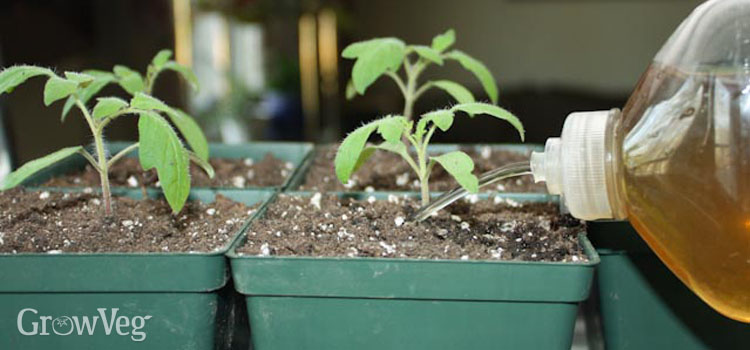
Give seedlings a strong start with starter fertilizer—a water-soluble, high-phosphorus solution applied right at planting.
Choose High-Phosphorus Formulas
Phosphorus boosts root development. Effective options include:
• 10-52-17
• 8-32-16
• 15-30-15
Mix two tablespoons per gallon of water. Pour one cup around each transplant’s roots immediately after planting.
Why Starter Fertilizer Works
Young roots struggle in cold spring soil. Liquid starter delivers phosphorus directly to the root zone, reducing transplant shock and speeding early growth.
Don’t skip this for tomatoes, peppers, or annual flowers. It’s one of the most effective ways to ensure strong establishment.
Side-Dress Nitrogen During Active Growth
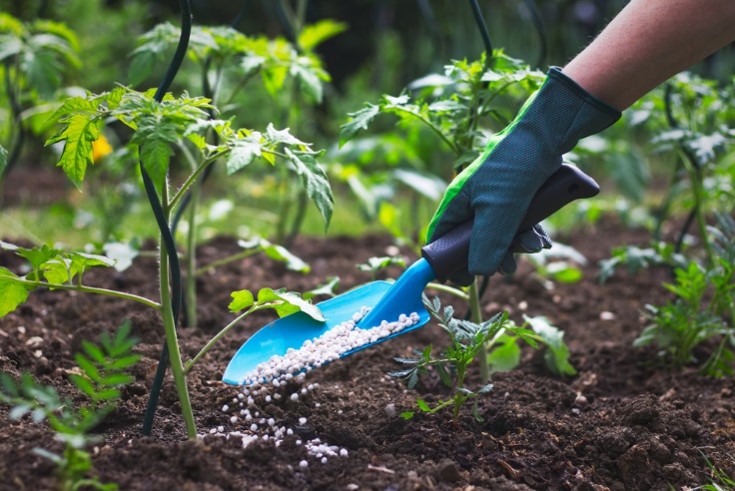
Even with spring fertilizer, many plants need extra nitrogen mid-season. Side-dressing adds nitrogen to fuel leaf and fruit production after flowering or fruit set.
When to Side-Dress Key Vegetables
| Crop | When to Apply |
|---|---|
| Tomatoes | 1 week before first ripens, then twice more |
| Sweet corn | At 8–10 inches tall, then after tassels |
| Cucumbers | 1 week after flowering, then 3 weeks later |
| Peppers | After first fruit sets |
| Spinach, kale | When one-third grown |
| Onions | After bulbs start forming |
Use 1 lb of ammonium nitrate per 100 feet of row, or an equivalent nitrogen source like urea or blood meal.
Always Water After Side-Dressing
Water the soil immediately after applying. This dissolves the fertilizer and prevents root burn.
Avoid Nitrogen for Root Crops
Carrots, beets, lettuce, and sweet potatoes don’t need side-dressings. Too much nitrogen reduces root quality or fruit size. If your soil was well-fertilized at planting, skip extra nitrogen.
Feed Annual Flowers Mid-Season
Annual flowers have different needs than vegetables. Many modern varieties bloom early and don’t need heavy feeding at planting.
Cool-Season Annuals: Feed Early
Pansies, snapdragons, and other cool-season flowers benefit from a nitrogen boost 4–6 weeks after planting, especially in cold soils that slow nutrient release.
Warm-Season Annuals: Feed Later
Wait until petunias, marigolds, or zinnias are established—about 4 to 6 weeks after transplanting. Apply a high-nitrogen fertilizer to encourage lush foliage and more blooms.
In rainy or heavily irrigated gardens, nutrients leach out. Reapply every 4–6 weeks through summer.
Organic Option: Use Blood Meal
Blood meal provides 12% nitrogen and is quickly available. Sprinkle lightly around plants and water in well.
Replenish Organic Matter Every Year
Fertilizer feeds plants. Organic matter feeds the soil. Both are essential for long-term health.
Target Organic Matter Levels
• Sandy soils: 2–3%
• Clay soils: 3–4%
Most garden soils fall short. Replenish annually.
Best Organic Materials to Use
• Compost – improves texture and holds nutrients
• Peatmoss – great for small gardens, but expensive
• Leaf mold – free if you collect autumn leaves
• Well-rotted manure – rich in nutrients, but avoid fresh
• Green manures – cover crops like rye or clover
Apply 2 inches of compost, manure, or peat on the surface, then till into the top 6–7 inches.
Build a Compost Pile
Layer:
• 6–8 inches of plant waste (grass, leaves, kitchen scraps)
• A thin layer of soil
• A handful of 10-10-10 fertilizer per layer
Keep moist. Turn occasionally. It’s ready in 6–12 months.
Plant Green Manure Crops
In fall, sow winter rye, wheat, or vetch. In spring, till them under three weeks before planting. They add organic matter and prevent erosion.
For summer, try Sudan grass, soybeans, or cowpeas.
Rotate green manure and vegetable areas each year for best results.
Seasonal Fertilizing Schedule for Your Garden

Follow this timeline to stay on track all year.
Fall (October–December)
• Test soil
• Apply lime (if needed)
• Spread manure or compost
• Plant green manure crops
Spring (Before Planting)
• Apply maintenance fertilizer
• Work into top 3–5 inches
• Use starter fertilizer at transplanting
Mid-Season (4–6 Weeks After Planting)
• Side-dress nitrogen for heavy feeders
• Feed annual flowers
• Water after each application
Late Season
• Stop fertilizing 6–8 weeks before frost
• Excess nitrogen late in season reduces hardiness and delays ripening
Common Fertilizing Mistakes to Avoid
1. Fertilizing Without Testing
You might add too much phosphorus, which locks up micronutrients. Always test first.
2. Overusing Nitrogen
Too much nitrogen = big leaves, no fruit. Apply only when plants need it.
3. Applying Fertilizer to Dry Soil
Always water after fertilizing. Dry granules can burn roots.
4. Ignoring Organic Matter
Fertilizer alone won’t fix compacted or lifeless soil. Add compost every year.
5. Using Fresh Manure
It can burn plants and carry pathogens. Use only well-rotted manure.
Frequently Asked Questions About When to Fertilize Garden
When is the best time of year to fertilize a vegetable garden?
Apply maintenance fertilizer in spring before planting. Use starter fertilizer at transplanting, and side-dress nitrogen during active growth. Fall is best for soil testing and applying lime or compost.
Should I fertilize my garden before or after planting?
Apply maintenance fertilizer before planting and work it into the top 3–5 inches. Use starter fertilizer immediately after transplanting seedlings.
Can I over-fertilize my garden?
Yes. Over-fertilizing, especially with phosphorus or nitrogen, can harm plants, reduce yields, and pollute water. Always base applications on a soil test.
Do tomatoes need special fertilizer timing?
Yes. Side-dress tomatoes one week before the first fruit ripens, then again two weeks after the first harvest, and once more a month later. Use 1 lb of ammonium nitrate per 100 feet of row.
How often should I fertilize annual flowers?
Feed cool-season annuals 4–6 weeks after planting. Warm-season types like petunias need feeding 4–6 weeks after transplanting, then every 4–6 weeks if irrigated or in rainy conditions.
Is organic fertilizer better than synthetic?
Both work well. Organic fertilizers like compost and blood meal release nutrients slowly and improve soil structure. Synthetics provide quick availability. Choose based on your garden’s needs and timing.
Key Takeaways for When to Fertilize Garden Soil
• Test your soil every three years, ideally in fall, to guide all fertilizer decisions
• Apply maintenance fertilizer in spring before planting, using balanced formulas like 10-10-10
• Use starter fertilizer at transplanting to boost root growth in tomatoes, peppers, and flowers
• Side-dress nitrogen mid-season for heavy feeders like tomatoes and corn, but avoid it for root crops
• Replenish organic matter annually with compost, manure, or cover crops to build healthy soil
Now that you know exactly when to fertilize garden soil, you can time every application for maximum plant health and yield. Start with a soil test, follow the seasonal schedule, and watch your garden thrive.