Imagine stepping outside your kitchen to snip fresh basil for pasta, rosemary for roasted potatoes, or mint for a refreshing tea—no grocery run needed. Starting an herb garden is one of the easiest and most rewarding ways to bring flavor, fragrance, and freshness into your daily life. Whether you have a sunny windowsill, a small patio, or a backyard plot, you can grow a thriving collection of herbs with minimal effort.
This guide walks you through every step of how to start an herb garden—from choosing the right herbs and containers to planting, watering, harvesting, and preserving. You’ll learn which herbs grow best together, how to avoid common mistakes, and how to keep your plants healthy year after year. By the end, you’ll have everything you need to create a low-maintenance, high-reward herb garden that elevates your cooking and beautifies your space.
Choose the Best Herbs to Grow for Your Kitchen
Start with herbs that are easy to grow, widely used in cooking, and resilient in various conditions. These foundational herbs deliver maximum flavor with minimal fuss.
Top Culinary Herbs for Beginners
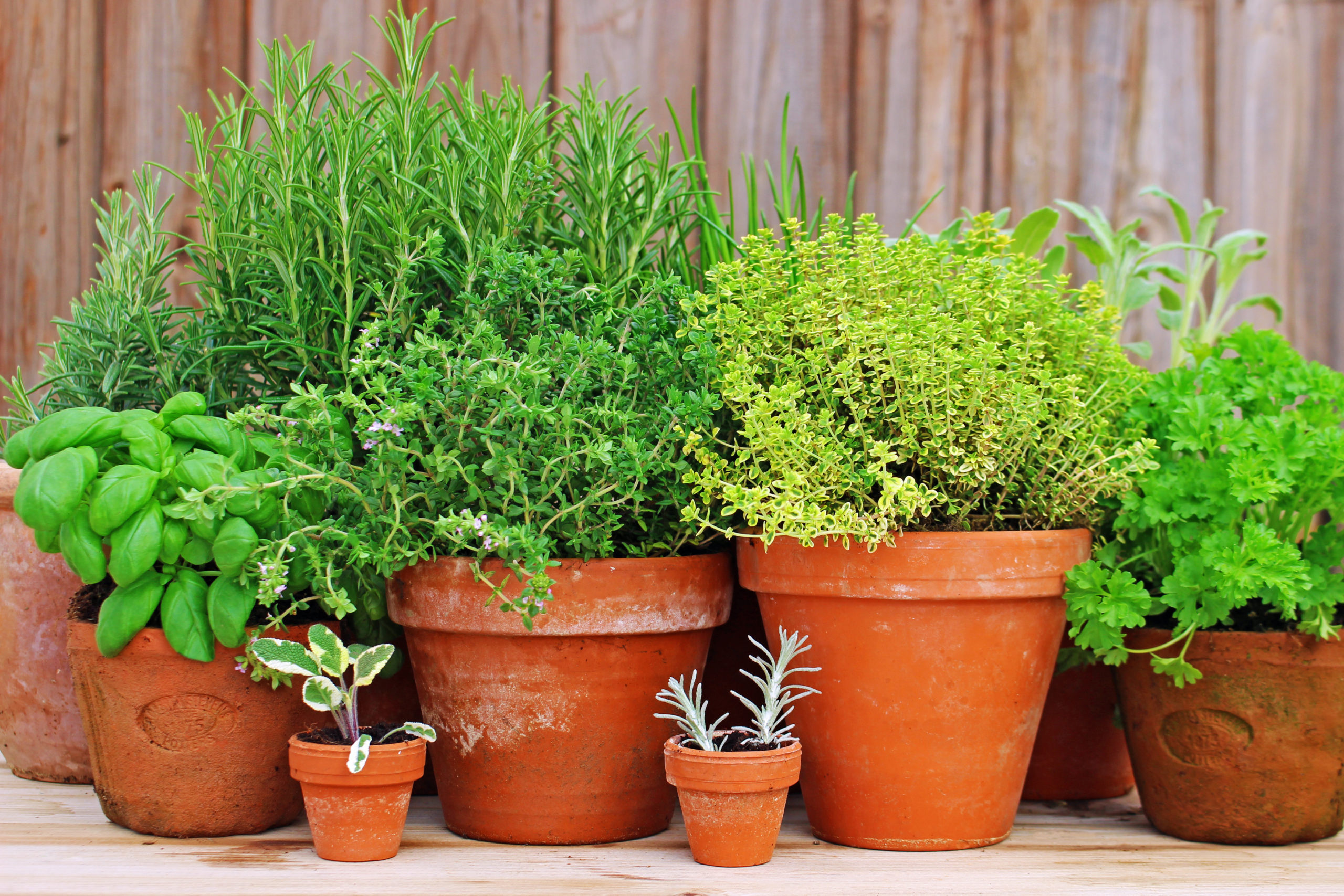
• Basil (Genovese): The gold standard for Italian dishes. Use in pesto, caprese, and tomato sauces. Choose large, bushy plants for best results.
• Parsley (Italian): Crisp and slightly peppery. Ideal for garnishes, soups, and sauces. Plant two in one pot for fuller growth.
• Chives: Delicate onion flavor. Perfect for salads, baked potatoes, and dips. Their purple flowers attract pollinators.
• Thyme (English, Lemon): Earthy and aromatic. Use in stews, meats, and roasted vegetables. Lemon thyme adds a citrusy twist.
• Oregano (Greek, Italian): Bold and pungent. Greek oregano is best for Mediterranean dishes; Italian is milder for pizza.
• Rosemary (Tuscan Blue): Woody, pine-like flavor. Excellent for roasting meats and breads. Drought-tolerant and long-lived.
• Sage: Peppery and robust. Pairs perfectly with pork, stuffing, and beans.
• Mint (Spearmint): Refreshing and versatile. Use in teas, desserts, and cocktails. Always plant in a container—it spreads aggressively.
Pick a Sunny Spot That Gets 6+ Hours of Light Daily
Sunlight is the most critical factor in how to start an herb garden successfully.
Full Sun Is Non-Negotiable for Most Herbs
Most herbs need 6 or more hours of direct sunlight daily to develop strong flavor and healthy growth. Choose a south-facing window, balcony, or garden bed that receives full sun.
• Best locations: Sunny windowsills, patios, decks, or raised beds
• Avoid: North-facing areas or spots shaded by trees or buildings—herbs become leggy and weak in low light
What to Do If You Lack Full Sun
Some herbs like parsley and chives tolerate partial shade, but their growth and flavor will be weaker. If your space lacks sunlight, use grow lights for 12–16 hours daily to supplement natural light.
Use Containers with Proper Drainage to Prevent Root Rot
Container gardening is ideal for beginners, renters, or those with limited space.
Choose the Right Pot for Healthy Roots
• Drainage holes are mandatory: Prevents water from pooling and causing root rot
• Material options: Terracotta (breathable), plastic (lightweight), or ceramic (decorative)
• Size: At least 6–8 inches deep for most herbs
Prepare Your Container Before Planting
- Clean used pots: Remove old soil and rinse with soapy water
- Add a drainage layer: Place rocks or broken pottery at the bottom
- Cover the hole: Use curved shards to allow airflow without blocking drainage
- Fill with potting mix: Use a ready-to-use potting soil with moisture control
Use Well-Drained, Lean Soil for Maximum Flavor
Soil quality directly impacts herb flavor, growth, and disease resistance.
Ideal Soil Characteristics for Herbs
• Well-drained: Prevents soggy roots and fungal diseases
• Lean (low fertility): Herbs prefer less-rich soil—too much fertilizer weakens flavor
• Slightly sandy or loamy: Mimics natural Mediterranean conditions
Never Use Garden Soil in Pots
Garden soil compacts easily and may carry pests or diseases. Always use potting mix, not topsoil, for container-grown herbs.
Group Herbs by Water Needs to Avoid Overwatering
One of the biggest mistakes in how to start an herb garden is mixing plants with different water requirements.
Dry-Loving Herbs (Water Sparingly)
Group together in one container:
• Rosemary
• Thyme
• Oregano
• Sage
• Chives
These thrive in dry, well-drained soil and need watering once a week or less.
Moisture-Loving Herbs (Water More Often)
• Basil
• Parsley
• Mint
Keep soil consistently moist but not soggy. Water every 2–3 days in hot weather.
Pro Tip: Plant moisture lovers in separate containers to avoid overwatering drought-tolerant herbs.
Plant Herbs the Right Way for Strong Root Development
Follow these steps to ensure your herbs establish quickly and grow strong.
Step 1: Prepare the Pot
• Add a drainage layer (rocks or broken pottery)
• Fill with potting mix to planting depth
Step 2: Remove Plant from Nursery Pot
• Gently squeeze the sides
• Tap the base to loosen the root ball
Step 3: Check for Root Binding
• If roots are tightly wound, tear the bottom gently to encourage outward growth
• Loosen roots slightly for better establishment
Step 4: Plant at Correct Depth
• Place herb so the top of the root ball is level with the soil surface
• For parsley, plant two per pot for bushier growth
Step 5: Lightly Compact and Water
• Press soil gently—don’t pack it tightly
• Water thoroughly until excess drains out
Water Herbs Correctly to Prevent Common Failures
Overwatering is the #1 cause of herb death. Learn how to water like a pro.
General Watering Rules
• Check soil first: Stick your finger 1 inch deep—water only if dry
• Water at the base: Avoid wetting leaves to prevent disease
• Morning watering: Best time to reduce evaporation and fungal risk
Herb-Specific Watering Guide
| Herb | Watering Frequency | Soil Condition |
|---|---|---|
| Rosemary, Thyme, Oregano | Once a week or less | Dry, well-drained |
| Basil, Parsley, Mint | Every 2–3 days in heat | Consistently moist |
Climate Tip: In dry areas (e.g., desert or coastal zones), water more frequently.
Skip Fertilizer to Preserve Herb Flavor and Aroma
Most herbs don’t need fertilizer—and too much can ruin taste.
Why Less Is More
Over-fertilizing causes:
• Weak, watery leaves
• Reduced essential oils (less aroma and flavor)
• Excessive growth with poor taste
When to Fertilize
• Annuals (basil, dill): Light feeding every 4–6 weeks
• Perennials (rosemary, thyme, sage): No fertilizer needed
• Indoor herbs: Optional light feeding in spring
Best Option: Use a diluted organic liquid fertilizer (like fish emulsion) sparingly.
Pinch Herbs Regularly for Bushier, More Productive Plants
Pinching is the secret to lush, full herbs.
How to Pinch Back Herbs
• Target: Basil, mint, oregano, chives
• Method: Pinch off the top 2–3 inches of each stem just above a leaf node
• Frequency: Every 2–3 weeks, even if you’re not cooking
Benefits of Pinching
• Encourages branching and fullness
• Prevents flowering (which reduces leaf flavor)
• Increases harvest yield
Bonus: Use trimmings to make pesto, tea, or flavored butter.
Harvest Herbs the Right Way to Encourage More Growth

Regular harvesting keeps plants productive and healthy.
Best Harvesting Practices
• Use scissors or pruners: Clean cuts prevent damage
• Harvest in the morning: After dew dries but before heat—oils are strongest
• Never remove more than 1/3 of the plant at once
Harvest by Herb Type
• Basil: Pinch stem tips to encourage branching
• Mint: Cut stems just above leaf pairs
• Rosemary: Snip sprigs from the top
• Chives: Cut leaves from the base, leaving 2 inches
Pro Tip: The more you harvest, the more your herbs grow.
Preserve Herbs for Year-Round Freshness and Flavor

Extend your harvest with simple preservation methods.
Freeze Herbs for Best Flavor
Best for: Basil, dill, cilantro
Methods:
• Whole leaves: Wash, dry, freeze in airtight bags
• Blanch first: For storage over 2 months, blanch in boiling water 45 seconds, then freeze
• Herb cubes: Chop and freeze in olive oil or water in ice trays
Dry Herbs for Long Storage
Best for: Rosemary, thyme, oregano, sage
Drying Methods:
| Method | Time | Best For |
|---|---|---|
| Air drying | 2–3 weeks | Bunches of rosemary, thyme |
| Oven drying | 2–4 hours | Small batches |
| Microwave | 1–2 minutes | Quick drying |
| Dehydrator | 4–8 hours | Consistent results |
Test for Dryness: Leaves should crumble easily between fingers.
Storage: Keep in airtight glass jars in a cool, dark place. Use within one year for best flavor.
Grow Herbs Indoors Year-Round with Proper Light
You can enjoy fresh herbs even in winter with indoor gardening.
Indoor Growing Requirements
• Light: 6+ hours of direct sun from a south window or 12–16 hours of grow lights
• Containers: Pots with drainage holes
• Soil: Quality potting mix
• Temperature: 65–75°F (18–24°C)
Best Herbs for Indoors
• Basil (needs the most light)
• Parsley
• Chives
• Mint
• Oregano
Tip: Rotate pots weekly for even growth.
Propagate Herbs from Cuttings to Grow More for Free
Grow more herbs without buying new plants.
Easy Propagation Methods
Herbaceous Cuttings (Basil, Mint)
- Cut a 4–6 inch stem tip
- Remove lower leaves
- Place in water or moist potting mix
- Roots form in 1–2 weeks
Softwood Cuttings (Rosemary, Lavender)
- Take 3–4 inch cuttings in spring
- Dip in rooting hormone (optional)
- Plant in moist mix
- Cover with plastic to retain humidity
- Roots in 2–5 weeks
Semi-Hardwood Cuttings (Thyme, Marjoram)
- Take cuttings in mid-summer to early fall
- Use firm, partially mature stems
- Root in 4–6 weeks
Pro Tip: Use clean, sharp scissors to prevent disease.
Attract Pollinators with Flowering Herbs
Let some herbs flower to support bees and butterflies.
Best Herbs for Pollinators
• Lavender: Rich in nectar
• Rosemary: Blooms in winter in mild climates
• Sage: Attracts native bees
Tip: Plant at least 20 different flowering plants in your garden for year-round pollinator support.
Collect and Store Herb Seeds for Next Season
Save seeds to grow next season’s herbs for free.
How to Collect Seeds
- Let flowers dry on the plant
- Cut stems when seed pods turn brown
- Bundle loosely with string
- Hang upside down in a dark, dry, well-ventilated room
- Place a paper bag over heads to catch falling seeds
Store Seeds Properly
• Container: Airtight glass jar
• Location: Cool, dark, dry place
• Shelf life: Up to one year
Label with herb name and date.
Prevent Pests and Diseases with Good Care
Most herbs are naturally pest-resistant, but watch for these issues.
Common Problems
• Aphids: Tiny green or black bugs on new growth
– Fix: Spray with water or insecticidal soap
• Fungal diseases: Caused by poor air circulation or wet leaves
– Prevent: Water at base, space plants, ensure airflow
Best Defense: Healthy soil, proper watering, and sunlight.
Label Your Herbs to Avoid Confusion
Even experienced gardeners mix up herbs.
Why Label?
• Distinguish parsley from cilantro
• Identify oregano vs. marjoram
• Track varieties (e.g., lemon thyme)
Use: Small plant tags, painted rocks, or waterproof labels.
Key Takeaways for Starting a Successful Herb Garden
Starting an herb garden doesn’t require perfection—just consistency.
Essential Success Tips
• Start small: 3–5 herbs are enough for beginners
• Use containers: Easier to control soil and water
• Group by needs: Dry herbs together, moist herbs together
• Harvest regularly: Encourages growth and flavor
• Don’t overwater: Let soil dry between waterings
• Skip fertilizer: Most herbs thrive in lean soil
Remember: Simplicity Wins
You don’t need a greenhouse or fancy tools. With sunlight, good drainage, and a little care, your herbs will thrive. The reward? Fresh, aromatic flavors at your fingertips—every day.
Frequently Asked Questions About Starting an Herb Garden
Can I grow herbs indoors year-round?
Yes, many herbs like basil, parsley, chives, and mint thrive indoors if they get 6+ hours of sunlight or 12–16 hours of grow lights daily. Use pots with drainage and water only when the soil is dry.
Which herbs should not be planted together?
Avoid planting moisture-loving herbs like basil and mint with drought-tolerant ones like rosemary and thyme. Their different water needs lead to overwatering or underwatering.
How often should I water my herb garden?
Check the soil first. Water when the top inch feels dry. Dry-loving herbs need watering once a week or less; moisture-loving herbs may need water every 2–3 days in hot weather.
Do herbs need fertilizer?
Most herbs do not need fertilizer. Over-fertilizing weakens flavor. Perennials like rosemary and thyme need no fertilizer. Annuals like basil can get light feeding every 4–6 weeks.
When is the best time to harvest herbs?
Harvest in the morning after the dew dries but before the sun gets hot. This is when essential oils are most concentrated, giving the strongest flavor.
How do I keep my mint from taking over the garden?
Always plant mint in a container. Even in pots, it can spread aggressively. You can also sink the container into the ground to contain roots while giving a natural look.