
Stepping onto a garden path that glimmers like a sunlit shoreline can transform your outdoor space into a coastal retreat—and you don’t need to live near the sea to achieve it. How to use seashells in the garden goes far beyond decoration. From durable, weed-suppressing mulch to calcium-boosting soil amendments, seashells offer a sustainable, low-maintenance solution that enhances both beauty and function. Whether you’re revamping a tired walkway or crafting a seaside-inspired oasis, shells deliver lasting value with minimal upkeep.
This guide covers every practical and creative way to incorporate seashells into your landscape. You’ll learn how to install long-lasting shell pathways, create eye-catching garden art, label plants naturally, and even improve soil health—all while saving money compared to traditional materials like gravel or bark mulch.
Build Durable Seashell Garden Paths
A seashell pathway adds elegance and light to your garden, reflecting sunlight and brightening shaded areas. Unlike heavy gravel, cockle shell mulch is lightweight, easier to install, and gradually enriches the soil as it breaks down.
Prepare the Ground Thoroughly
Clear all weeds, roots, and debris before laying shells. Any leftover vegetation will grow through the layer, ruining the appearance and function. For worn or weedy paths, remove the old material completely. Then level the soil with a rake and spirit level—uneven ground causes shells to slide into low spots, creating tripping hazards and patchy coverage.
Apply at the Right Depth
Spread shells to a depth of 40–50 mm for full coverage and stability. Bulk cockle shell mulch is typically delivered in one-ton bags, making it ideal for larger projects. The material is lighter than gravel, so wheelbarrowing it across a typical town garden takes about 3–4 hours. Rake the shells evenly in sections, ensuring consistent thickness across the entire path.
Maintain for Long-Term Performance
In the first few weeks, check for settling—especially in high-traffic zones—and top up thin areas. Over time, shells will naturally break down into finer particles, integrating into the soil and releasing calcium. Replenish every 3–5 years for a fresh look.
Define Spaces with Seashell Borders
Seashells make elegant, natural edging that defines planting zones without harsh lines. They add texture and coastal charm while helping to contain soil and mulch.
Edge Flower Beds and Walkways
Place shells around the perimeter of flower beds or vegetable patches to create a clean visual boundary. Use larger shells for bold definition or mix sizes for a more organic, flowing look. This simple upgrade enhances curb appeal and prevents mulch from washing into pathways.
Frame Planters and Raised Beds
Line the outer edges of pots or raised garden beds with shells. The reflective surface brightens container gardens and contrasts beautifully with green foliage. It’s an easy way to turn ordinary planters into decorative features—perfect for patios or small-space gardens.
Create Eye-Catching Garden Art

Seashells are a natural canvas for DIY garden decor. Their shapes, colors, and textures inspire creative projects that add personality and coastal flair.
Make Seashell Mosaic Features
Use waterproof adhesive to glue broken or small shells onto fountain bases, birdbaths, or stepping stones. Arrange them in patterns or random designs for a textured, artistic focal point. This works especially well in cottage or coastal-themed gardens.
Craft Seashell Wind Chimes
String lightweight shells together with fishing line or rust-resistant wire and hang them from a driftwood branch. The gentle clinking in the breeze adds soothing sound to your garden. Hang near seating areas to maximize enjoyment.
Decorate Garden Structures
Glue shells onto statues, benches, or gate panels to personalize your space. A shell-framed mirror on a fence reflects light and makes small gardens feel larger. For garden signs, use large shells to form a decorative border—turning a simple label into a statement piece.
Label Plants with Natural Seashell Markers
Skip the plastic tags—seashells make durable, attractive plant labels that blend beauty with function.
Write on Flat Shells for Legibility
Use a permanent outdoor marker to write herb, vegetable, or flower names on small, flat shells. Place them at the base of each plant. The soft white surface ensures readability, and the natural material withstands rain and sun. It’s a charming, eco-friendly alternative—especially popular in children’s gardens or coastal-themed plots.
Design Sand and Shell Garden Beds

For a true beach-inspired look, combine seashells with sand and drought-tolerant plants.
Pair Shells with Succulents
Layer sand and shells, then plant succulents like sedum, echeveria, or sempervivum. These plants thrive in well-drained, slightly alkaline conditions—exactly what shells help create. The contrast between fleshy green leaves and pale shells is striking and requires minimal watering.
Add Movement with Ornamental Grasses
Plant fine-textured grasses like blue fescue or miscanthus among shell beds. Their gentle sway contrasts with the static shell surface, adding rhythm and life. This combination works well in modern or minimalist landscapes.
Improve Soil Health Naturally
Seashells do more than look good—they actively enhance your garden’s ecosystem over time.
Release Calcium as They Break Down
As shells decompose over years, they release calcium carbonate into the soil. This slow-release amendment benefits plants like tomatoes, beans, and brassicas that thrive in slightly alkaline conditions. It helps prevent blossom end rot and supports strong cell development.
Suppress Weeds and Retain Moisture
When used as mulch, shells form a dense, light-reflective layer that blocks sunlight from reaching weed seeds. Apply over a weed-free surface for best results. The reflective surface also reduces soil temperature extremes and helps retain moisture by shielding the soil from direct sun and wind.
Source Quality Shells and Plan Delivery
Choosing the right shells and supplier ensures a smooth, cost-effective project.
Order Bulk Cockle Shell Mulch
For large areas, bulk cockle shell mulch is the most practical option. Suppliers like Gardenscape Direct deliver one-ton bags to the South East of England. Ordering in bulk cuts costs by up to two-thirds compared to gravel, with a typical project costing around £200 including delivery and labor.
Check Access for Delivery
If your garden has narrow pathways or fences, discuss delivery options in advance—some suppliers use cranes to lift bags over obstacles. Plan your installation around delivery and have wheelbarrows and rakes ready.
Compare Shells to Common Garden Materials
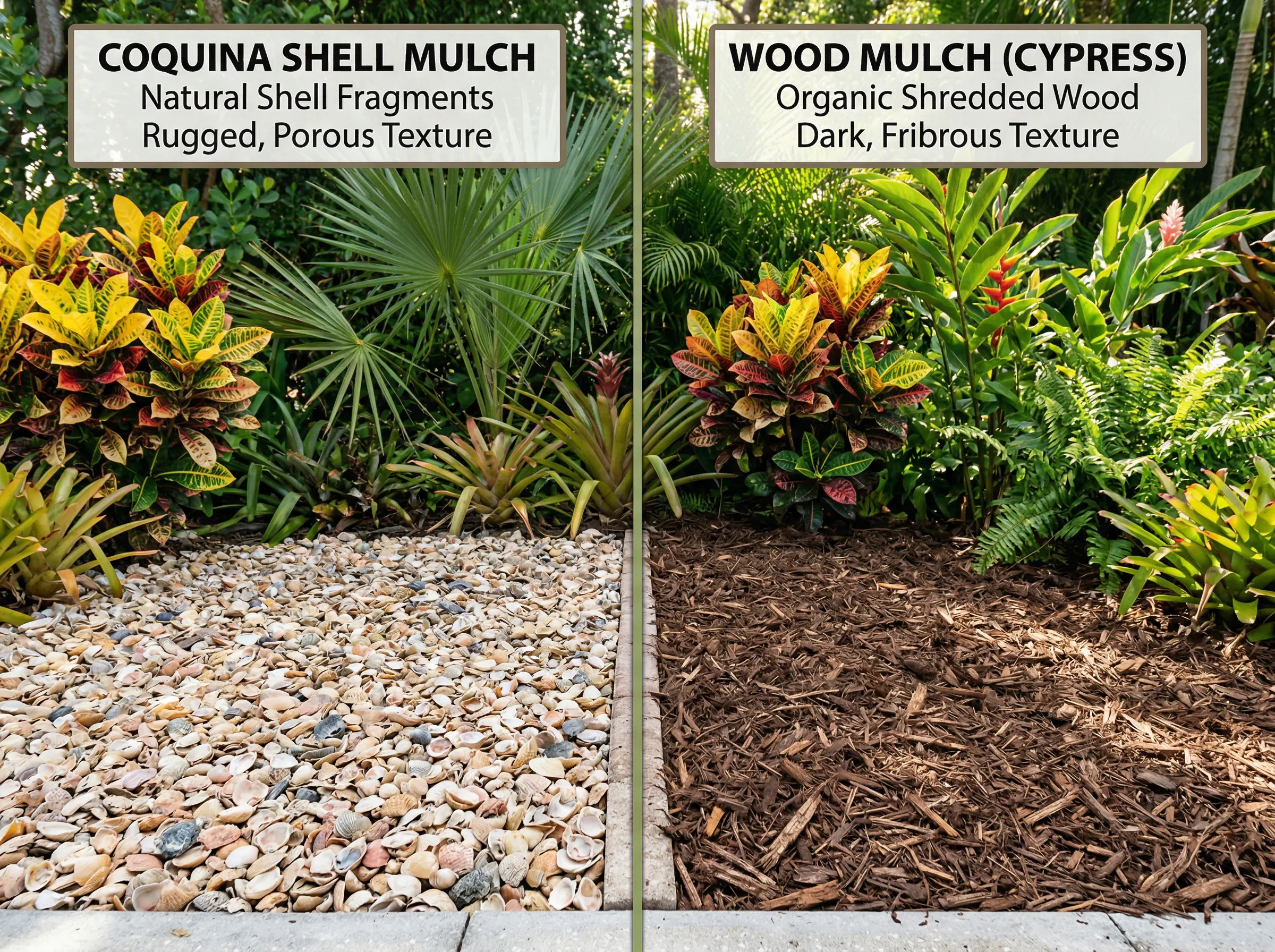
Seashells outperform many traditional options in cost, weight, and long-term benefits.
Seashells vs. Gravel
| Feature | Seashells | Gravel |
|---|---|---|
| Cost (bulk) | ~1/3 cheaper | Higher |
| Weight | Lighter, easier to spread | Heavy, labor-intensive |
| Appearance | Soft, luminous, coastal | Harsh, industrial |
| Soil Impact | Enriches with calcium | Inert, non-degradable |
| Maintenance | Low | Moderate |
Seashells vs. Wood Mulch
While wood mulch decomposes in a year and needs replacing, seashells last for years. Though slightly more expensive upfront, their longevity and soil benefits make them cost-effective. Plus, their reflective quality brightens shady areas—something dark bark mulch can’t do.
Follow Proven Installation Tips
Success depends on proper preparation and technique.
Level the Ground Before Spreading
Uneven terrain causes shells to migrate. Use a spirit level and rake to create a flat base—especially important for mixed-material paths with flagstones, where shifting shells can create gaps or trip hazards.
Skip the Landscape Fabric
Unlike organic mulches, seashells don’t need fabric underneath. They’re designed to integrate into the soil over time, enriching it naturally. Adding fabric traps moisture and defeats the ecological benefit.
Work Carefully Around Plants and Hardscapes
Avoid burying plant stems or damaging roots when edging beds. When renovating paths with flagstones, take care not to disturb the stones. Use edge restraints if needed to keep materials separated.
Maintain Your Seashell Features Easily
Once installed, seashell gardens require minimal upkeep.
Rake Shells Every Few Months
Redistribute shells and remove leaves or debris to keep the surface neat. This prevents organic matter from forming a soil layer where weeds can grow.
Top Up Every 3–5 Years
As shells break down, add a fresh layer to restore thickness and appearance. Save leftover shells from delivery for quick touch-ups.
Enjoy Year-Round Durability
Seashells are weather-resistant and perform in all climates. They don’t freeze, wash away, or fade. Their reflective surface even helps moderate soil temperature in summer and winter.
Match Shells to Your Garden Style
Seashells work in more styles than you might think.
Coastal and Beach Themes
Combine shells with sand, driftwood, and blue accents. Use succulents, ornamental grasses, and whitewashed furniture. Add wind chimes and mosaic fountains for full seaside immersion.
Formal Gardens
Use shells as crisp, clean edging along geometric beds. A straight shell border around a rose garden or herb plot adds elegance without overwhelming structure.
Cottage and Wildlife Gardens
Incorporate shells into bird feeders, garden markers, and decorative signs. Their natural origin supports eco-friendly gardening and attracts beneficial wildlife.
Modern and Minimalist Spaces
Use shells in sleek rock gardens or as sculptural inlays in concrete. A single shell mirror or wall panel becomes a focal point in a simple design.
Who Benefits Most from Seashell Gardens?
Certain gardeners get the biggest return on investment.
Eco-Conscious Gardeners
You’ll appreciate that shells are fully recyclable, enrich soil, and avoid plastic or synthetic materials.
Budget-Minded DIYers
With lower bulk costs and minimal maintenance, shells offer long-term savings—especially compared to gravel.
Pet Owners
Dogs adapt well to walking on shells. The surface is comfortable and non-toxic, making it safe for paws and playful pups.
Low-Maintenance Seekers
Once laid, shell paths and beds require little more than occasional raking. No mulch replacement, no weed pulling—just natural beauty that lasts.
Frequently Asked Questions About Using Seashells in the Garden
Can seashells damage plant roots?
No, seashells do not damage roots. When used as mulch, they sit on the surface and gradually break down, enriching the soil without harming plants.
Do seashells attract pests?
No, seashells do not attract insects or pests. Their inorganic nature makes them resistant to decay and infestation.
How long do seashell pathways last?
Seashell pathways last 3–5 years before needing a top-up. Over time, they break down into fine particles and integrate into the soil.
Are seashell paths safe for walking?
Yes, seashell paths are safe and comfortable to walk on. The shells are softer underfoot than gravel and adapt well to foot traffic.
Can I use seashells in rainy climates?
Yes, seashells perform well in all weather. They don’t wash away, freeze, or degrade quickly, making them ideal for wet or humid regions.
Do seashells change soil pH?
Yes, as shells break down, they release calcium carbonate, which slightly raises soil pH. This benefits plants that prefer alkaline conditions.
Key Takeaways for Using Seashells in Your Garden
Seashells are a smart, sustainable choice for gardeners who want beauty, function, and low maintenance. You can create luminous pathways, define borders, craft decorative art, and even improve soil health—all while saving money over time. Their reflective surface brightens dark corners, suppresses weeds, and supports healthy plant growth.
Start small with plant markers or planter edging, or go big with a full shell pathway. Either way, you’re investing in a garden feature that looks stunning today and enriches your soil for years to come. Order in bulk, prepare the ground well, and enjoy a coastal-inspired landscape that’s as practical as it is beautiful.