Fungal infections can silently sabotage your garden, turning lush foliage into withered, spotted, or powdery messes. If you’ve spotted white coatings, dark lesions, or fuzzy growth on your plants, it’s time to act. Learning how to remove fungus from garden plants effectively is crucial to saving your greenery and protecting healthy plants. This guide walks you through proven, non-toxic methods—from natural sprays to soil treatments—that stop fungal spread without harming your plants, pollinators, or soil life.
You’ll discover how to identify common fungal diseases like powdery mildew, black spot, and root rot, apply targeted treatments, and build long-term prevention habits. Whether you’re growing vegetables, roses, or potted herbs, these actionable steps will help you restore and maintain a thriving, fungus-free garden.
Identify Common Garden Fungi Early
Catching fungal infections early dramatically increases your chances of saving affected plants and stopping outbreaks before they spread. Different fungi show distinct signs, but all thrive in warm, damp, and poorly ventilated conditions.
Spot Key Fungal Symptoms on Leaves and Stems
Look for these telltale signs across your garden:
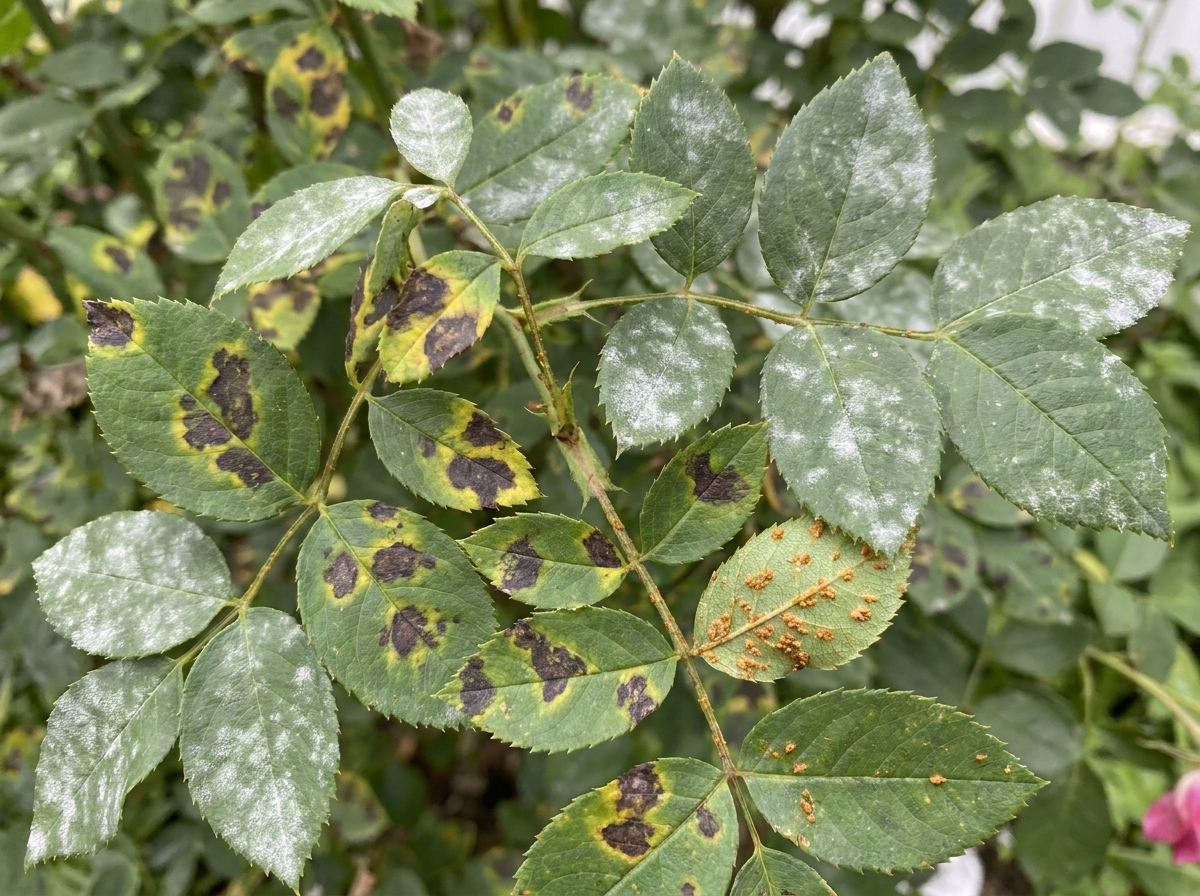
- White powdery film on leaves—classic indicator of powdery mildew
- Dark, circular spots with yellow halos—common in rose black spot
- Orange or rust-colored pustules on leaf undersides—sign of rust fungus
- Cottony white growth on stems or soil surface—often linked to overwatering
- Soggy stems or foul-smelling soil—red flags for root rot or mold overgrowth
If plants are losing leaves, wilting despite moist soil, or showing stunted growth, fungal activity is likely disrupting nutrient and water flow.
Inspect Roots for Hidden Fungal Damage
Above-ground symptoms often trace back to root issues. Gently lift the plant from its container or soil to check the roots:
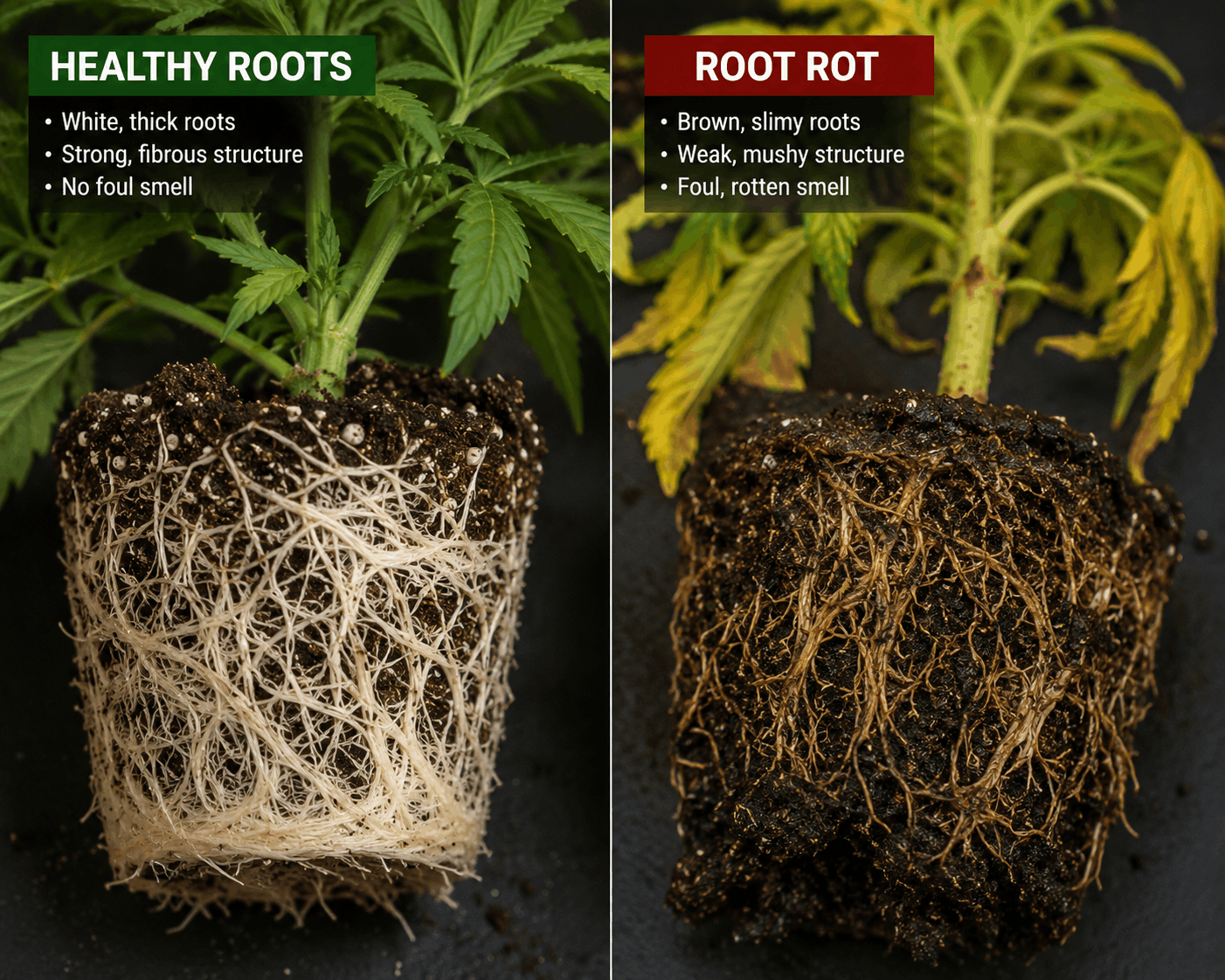
- Healthy roots: firm, white or light tan, with a fresh earthy smell
- Infected roots: soft, dark brown or black, slimy, and foul-smelling
Wilting in wet soil is a major clue—your plant’s roots may be too damaged to absorb water.
✅ Pro Tip: Quarantine new plants for 7–10 days before introducing them to your garden. This helps catch hidden fungal infections early.
Treat Powdery Mildew with Natural Remedies
Powdery mildew is one of the most widespread fungal issues in home gardens. It spreads quickly but responds well to simple, plant-safe treatments—especially when caught early.
Apply Milk Spray for Mild to Moderate Infections
A 1:4 milk-to-water spray is a proven, non-toxic solution:
- Mix 1 cup of milk with 4 cups of water
- Pour into a clean spray bottle
- Spray both the top and underside of infected leaves
- Reapply every 7–10 days until the white residue disappears
Sunlight activates the antifungal proteins in milk, making this treatment most effective when applied in the morning on sunny days.
❌ Avoid vinegar or baking soda sprays—they may kill fungus but often damage leaf tissue, increasing plant stress.
Prune and Contain Severe Cases
For advanced powdery mildew:
- Cut off heavily infected leaves using sterilized pruning shears
- Dispose of clippings in sealed plastic—do not compost
- Isolate the plant to reduce spore transmission
⚠️ Always wash hands and disinfect tools with rubbing alcohol after handling infected plants to prevent cross-contamination.
Eliminate Black Spot and Rust Fungus
Black spot and rust are persistent fungal diseases that weaken plants over time, especially in humid or rainy seasons. They spread via water splash and wind, making prompt action essential.
Stop Black Spot on Roses Immediately
Black spot thrives in wet foliage. To control it:
- Prune infected leaves and stems as soon as you spot dark spots
- Cut 6 inches below damaged areas to remove hidden fungal threads
- Sterilize pruning tools between cuts with rubbing alcohol
After pruning:
- Spray with a 1:4 milk solution or biological fungicide
- Water only at the base to keep leaves dry
✅ Best time to treat: Early morning, so any accidental leaf moisture dries quickly.
Control Rust with Airflow and Targeted Treatment
Rust spreads through airborne spores and damp conditions. To stop it:
- Remove and destroy infected leaves immediately
- Thin out dense foliage to improve air circulation
- Apply a biological fungicide weekly until symptoms vanish
Use drip irrigation or water at soil level—never overhead—to reduce leaf wetness.
Fix Root Rot and Soil-Borne Fungi
Root rot is a silent killer. By the time leaves yellow or wilt, the roots may already be severely damaged. This soil fungus spreads in waterlogged, poorly drained environments.
Diagnose Root Rot Before It’s Too Late
Watch for these warning signs:
- Leaves turn yellow or brown without drought stress
- Plant collapses despite regular watering
- Soil smells sour or rotten
- Roots are soft, dark, and mushy
If caught early, many plants can recover with proper care.
Repot and Refresh the Root Zone
For container plants:
- Remove the plant from its pot
- Gently rinse roots to remove old, infected soil
- Trim all mushy, dark roots with sterilized scissors
- Repot in fresh, well-draining potting mix
- Use a container with drainage holes
Allow the top inch of soil to dry between waterings—overwatering is the leading cause of root rot.
Treat Soil with Biological Fungicide
After root cleaning:
- Mix 5 ml of biological fungicide per liter of water
- Water the plant thoroughly to drench the root zone
- Repeat weekly for three weeks
This helps restore beneficial microbes that suppress harmful fungi.
✅ Prevent recurrence: Add perlite, coarse sand, or orchid bark to improve soil drainage.
Use Safe and Effective Fungicides

Not all fungicides are harsh chemicals. Biological options offer powerful protection without harming your garden’s ecosystem.
Choose Microbe-Based Fungicides
Look for products containing inactivated beneficial microbes:
- Safe for edible gardens, pets, and pollinators
- Strengthen plant immunity over time
- Can be used both curatively and preventively
Application steps:
- Dilute 5 ml per liter of water as directed
- Spray all leaf surfaces and drench the soil
- Apply weekly during active infection, monthly for prevention
These treatments work by crowding out harmful fungi and boosting the plant’s natural defenses.
Avoid Harsh Chemical Fungicides
Synthetic fungicides may offer fast results but come with risks:
- Harm beneficial insects and soil organisms
- Leave chemical residues on edible crops
- Can lead to resistant fungal strains over time
Opt for natural or biological treatments first—especially in vegetable gardens or pollinator-friendly spaces.
Remove and Dispose of Severely Infected Plants
When a plant is beyond saving, removing it is the best way to protect your entire garden from widespread infection.
Know When to Remove a Plant
Pull the plant if:
- Over 70% of leaves are infected
- The stem or crown is soft and rotting
- Roots are entirely black or mushy
- Multiple treatments have failed
⚠️ Never compost severely infected plants unless your compost pile consistently reaches temperatures above 140°F (60°C) to kill spores.
Dispose of Fungus Safely
- Place infected plants in sealed plastic bags
- Throw them in the outdoor trash, not yard waste bins
- Clean gloves, tools, and pots with hot, soapy water or alcohol afterward
This prevents fungal spores from drifting to healthy plants.
Prevent Future Fungal Outbreaks
Prevention is the most effective way to keep your garden healthy. Most fungi need moisture and poor airflow to thrive—remove those conditions, and you remove the risk.
Water Plants the Right Way
- Water at the base, not overhead
- Use drip irrigation, soaker hoses, or watering cans with long spouts
- Water in the morning so foliage dries by evening
❌ Avoid misting leaves—this creates the damp environment fungi love.
Improve Air Circulation
- Space plants according to their mature size—don’t overcrowd
- Trim inner foliage to allow air to flow through
- Use fans in greenhouses or indoor gardens
Good airflow reduces humidity around leaves, making it harder for fungi to establish.
Use Well-Draining Soil
- Mix in perlite, coarse sand, or compost to boost drainage
- Ensure all pots have drainage holes
- Avoid heavy, compacted garden soil in containers
For raised beds, use a high-quality blend designed for vegetables or flowers.
Apply Monthly Preventive Sprays
Even healthy gardens benefit from protection:
- Spray 1:4 milk solution monthly in dry climates
- Use biological fungicide monthly in humid or rainy areas
- Focus on leaf undersides where spores often hide
✅ Best time to start: Just before the rainy or humid season begins.
Build a Fungus-Resistant Garden
With a few smart habits, you can drastically reduce fungal problems and enjoy a healthier, more resilient garden.
Rotate Crops and Sanitize Tools
- Rotate plant families each season to prevent soil-borne fungi buildup
- Clean pruning shears, trowels, and gloves with rubbing alcohol after each use
- Replace old potting mix every 1–2 years
✅ Pro Tip: Keep separate tools for diseased plants to avoid spreading spores.
Choose Disease-Resistant Plant Varieties
When buying new plants:
- Look for labels like “powdery mildew resistant” or “rust resistant”
- Choose open, upright growth habits over dense, bushy types
- Avoid moisture-trapping foliage in humid climates
These varieties require fewer treatments and are easier to maintain.
Monitor Your Garden Weekly
Set a weekly inspection routine:
- Check leaf tops and undersides for spots or fuzz
- Smell the soil for sour or musty odors
- Watch for wilting, yellowing, or stunted growth
Early detection means easier treatment and less plant loss.
Frequently Asked Questions About Removing Fungus from Garden
What is the fastest way to kill fungus on garden plants?
The fastest safe method is applying a biological fungicide diluted at 5 ml per liter of water. Spray all affected areas and drench the soil. Repeat weekly. For mild cases, a 1:4 milk-to-water spray applied in sunlight works quickly and safely.
Can I use vinegar to remove garden fungus?
No, vinegar is not recommended. While it may kill surface fungus, its high acidity often burns plant tissue, weakening the plant and making it more vulnerable to future infections. Milk spray or biological fungicides are safer and more effective.
How do I stop fungus from spreading to other plants?
Remove infected leaves or plants immediately, disinfect tools after use, and avoid overhead watering. Isolate affected plants and apply preventive sprays to nearby healthy ones. Good airflow and dry foliage are key to stopping spread.
Does overwatering cause fungus in garden soil?
Yes, overwatering is the leading cause of soil fungus and root rot. Soggy soil creates an oxygen-poor environment where harmful fungi thrive. Always let the top inch of soil dry between waterings and use well-draining mixes.
Can I compost plants infected with fungus?
Only if your compost pile reaches and maintains high temperatures (above 140°F or 60°C) for several days. Otherwise, fungal spores can survive and reinfect your garden. When in doubt, bag infected plants and dispose of them in the trash.
How often should I apply preventive fungicide?
Use a biological fungicide once a month in humid climates or during rainy seasons. In dry areas, a monthly milk spray (1:4) is sufficient. Increase frequency to weekly if an outbreak occurs.
Key Takeaways for Removing Fungus from Garden Plants
Fungal infections are common but manageable with prompt action and the right approach. Start by identifying the type of fungus—whether it’s powdery mildew, black spot, rust, or root rot—then apply targeted treatments like milk spray or biological fungicides. For severe cases, remove and safely dispose of infected plants to protect the rest of your garden.
Prevention is your strongest tool. Water at the base, improve airflow, use well-draining soil, and inspect plants weekly. With consistent care, you can remove fungus from garden plants safely and keep your garden healthy, vibrant, and resilient for seasons to come.