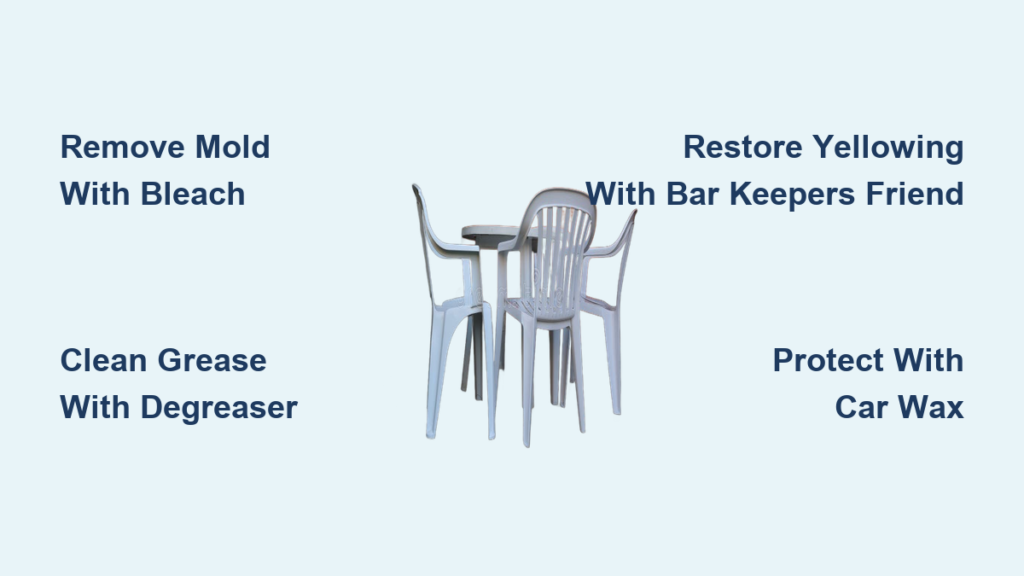
Plastic garden furniture is a popular choice for patios, balconies, and backyards thanks to its durability, affordability, and low maintenance. But over time, even the sturdiest chairs and tables can become dull, stained, or covered in grime, mold, and mildew—especially after winter storage or prolonged sun exposure. The good news? With the right techniques, you can restore your plastic furniture to like-new condition without breaking a sweat or the bank.
Cleaning plastic garden furniture doesn’t require expensive products or professional help. Whether you’re dealing with black mold spots, greasy buildup, hard water marks, or general discoloration, there’s a safe and effective method for every problem. From household staples like vinegar and baking soda to powerful cleaners like Bar Keepers Friend and degreasers, this guide covers all proven approaches based on real user experiences and expert-backed methods. You’ll learn how to choose the best cleaning solution for your specific stains, avoid common mistakes, and protect your furniture for long-term use.
Assess the Type of Stain and Damage
Identify What’s on Your Furniture
Different stains need different treatments. Take a close look before cleaning:
– Black spot mold: Dark, stubborn patches in damp or shaded areas
– Grease or oil: From food, sunscreen, or outdoor cooking
– Discoloration or yellowing: Caused by UV exposure or age
– Hard water marks: White, chalky residues from mineral deposits
– Sticky residue: From labels, sap, or adhesives
Matching the right cleaner to the stain saves time and effort.
Check for Structural Wear
Inspect for cracks, warping, or weakened joints. If the plastic is brittle or flaking, avoid harsh chemicals like bleach or solvents. Deep scratches may trap dirt and require gentler cleaning to avoid worsening the surface.
Remove Surface Debris First
Brush Off Dust and Cobwebs
Start with a dry cloth or soft-bristle brush to remove loose dirt, leaves, and cobwebs. This step prevents scratching during wet cleaning and removes up to half the grime instantly—especially on furniture stored in sheds or garages.
Rinse With a Garden Hose
Use a gentle spray to wash away mud and loose particles. Avoid high pressure at this stage to prevent driving dirt into textured surfaces. A quick rinse softens remaining grime and prepares the furniture for deeper cleaning.
Choose the Best Cleaning Method for Your Stain
Remove Grease and Grime With a Degreaser and Drill Brush
Zep’s citrus degreaser is highly effective for oily or greasy buildup. Spray it evenly and let it sit for 2–3 minutes—this dwell time breaks down grime without scrubbing.
Use a rotating drill brush for fast results on large areas. For edges and crevices, switch to a soft sponge. One pass often reveals dramatically cleaner plastic. Rinse thoroughly to prevent residue.
Best for: Outdoor chairs, tables, and benches with oily residue
Time required: Under 10 minutes per chair
Pro tip: Work in the shade so the cleaner doesn’t dry too quickly.
Kill Mold and Mildew With a Bleach Solution
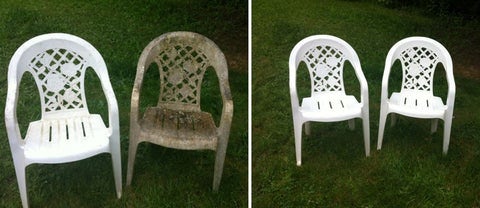
A 1:10 bleach-to-water mix kills mold and disinfects. For severe black spot mold, some users report success with a 50/50 bleach and warm water solution.
Steps:
1. Mix solution in a spray bottle (add water first, then bleach)
2. Spray thoroughly and let sit 10–15 minutes
3. Scrub with a soft brush
4. Rinse completely
Safety first: Wear gloves, work in a ventilated area, and avoid using near plants. Never mix bleach with other cleaners.
Why it works: Bleach penetrates porous plastic to destroy mold at the root. One user confirmed: “If you want to get rid of old black spot mould… that is the only way I know how.”
Restore Discolored Plastic With Bar Keepers Friend

This powdered cleaner contains oxalic acid, which lifts stains, rust, and yellowing without scratching. At just $1.99, it’s affordable and widely available.
How to use:
1. Mix powder with water to form a thick paste
2. Apply to discolored areas with a soft cloth
3. Let sit 5–10 minutes
4. Gently scrub in circles
5. Rinse well
Results: White plastic regains crisp brightness; colored chairs appear more vibrant.
Pro tip: Test on a hidden spot first. Wear gloves—oxalic acid can irritate skin.
Clean Light Soiling With Baking Soda and Dish Soap
Ideal for routine maintenance, this gentle mix removes surface dirt without harsh chemicals.
Recipe:
– Warm water
– Few drops of dish soap (like Fairy Liquid)
– 1–2 tbsp baking soda
Soak a sponge, scrub lightly, then rinse. Safe for weekly use and perfect for keeping furniture fresh between deep cleans.
Best for: Light stains, pre-summer prep, or post-party cleanup
Clean Mildew and Hard Water Marks With Vinegar and Dish Soap
Equal parts white vinegar and dish soap create a natural cleaner that tackles mildew and mineral buildup.
Steps:
1. Wet the chair first
2. Apply mixture with a sponge
3. Let sit 5–10 minutes for tough spots
4. Scrub and rinse
Why it works: Vinegar’s acidity dissolves mineral deposits and kills mold spores naturally.
Limitation: Less effective on deep-set black mold—use bleach for severe cases.
Remove Heavy Grot With White Spirit
When grime won’t budge, white spirit (mineral spirits) delivers dramatic results. One user reported: “The grot just sloughed off. No effort at all. Brought the plastic up fully white.”
How to apply:
– Use a dish scourer or cloth
– Rub in small sections
– Wipe clean and rinse
Caution: Flammable and strong-smelling. Use outdoors with gloves. Not eco-friendly—avoid frequent use.
Renew Faded Surfaces With T-Cut Polish
Originally for cars, T-Cut “cuts” a micro-thin layer of oxidized plastic to reveal fresher color underneath.
Apply like wax, then rinse. Best for faded or chalky surfaces. May help reduce the look of fine scratches.
Note: Not a cleaner—use after removing dirt and mold.
Use the Right Tools for the Job
Choose Non-Abrasive Cleaning Tools
Always use soft tools to avoid scratches:
– Soft sponges for flat areas
– Soft-bristle brushes for textured surfaces
– Drill brushes for fast grime removal (attach to a cordless drill)
Avoid steel wool or abrasive pads—they scratch plastic and make it more prone to staining.
Use a Pressure Washer for Fast Deep Cleaning
A 1,000 psi pressure washer can blast away dirt in seconds. But:
– Stabilize furniture against a wall to prevent movement
– Keep nozzle at least 12 inches away
– Avoid close-range spraying on thin plastic
Best for: Large sets or heavily soiled furniture. Not needed for routine cleaning.
Rinse Thoroughly to Prevent Residue
Wash Away All Cleaner Traces
No matter which method you use, rinse completely with clean water. Leftover cleaner can dry and cause streaks or re-staining. Use a hose or bucket rinse, then check for slippery or cloudy spots.
Critical for: Bleach, degreasers, and powdered cleaners like Bar Keepers Friend.
Dry and Inspect for Remaining Issues
Air Dry in Sunlight
Let furniture dry completely in the sun if possible. UV rays help kill lingering mold spores and speed drying. Wipe with a microfiber cloth for a streak-free finish.
Avoid using indoors until fully dry—trapped moisture promotes mold regrowth.
Protect Your Furniture With Car Wax
Apply Wax for Long-Term Protection

After deep cleaning, apply car wax to create a protective barrier. It repels water, dirt, and UV damage, reducing future staining.
Important: Use the right type—some waxes transfer to clothing. Test on a small area first.
How to apply:
1. Use a soft cloth
2. Apply thin layer
3. Buff after drying
Frequency: Once per season or after each deep clean.
Prevent Future Buildup With Smart Habits
Clean Regularly to Stop Grime from Setting
A quick wipe-down every few weeks prevents grime from setting in. Use soapy water or a vinegar mix for 5-minute maintenance.
Store Furniture Properly
When not in use:
– Stack or store indoors
– Use furniture covers
– Elevate off damp ground to improve airflow
This reduces mold risk and extends lifespan.
Troubleshoot Common Cleaning Problems
What to Do When the Cleaner Isn’t Working
- Increase dwell time (let it sit longer)
- Repeat the process
- Try a stronger method (e.g., switch from vinegar to bleach)
- Combine methods: Pre-treat with degreaser, then use Bar Keepers Friend
Why Does Plastic Look Dull After Cleaning?
Clean plastic often looks dull because it’s free of protective oils. Apply car wax to restore shine and protect the surface.
Why Does Mold Keep Coming Back?
- Use bleach for complete mold kill
- Improve airflow around furniture
- Apply wax to prevent moisture absorption
- Avoid placing under trees or in shaded, damp areas
How to Fix Scratches
Caused by abrasive pads or steel wool. Prevent by using only soft tools. T-Cut may help minimize the look of surface scratches.
Frequently Asked Questions About Cleaning Plastic Garden Furniture
What is the best way to remove black mold from plastic furniture?
Use a 50/50 bleach and warm water solution. Spray it on, let it sit for 10 minutes, scrub with a soft brush, then rinse thoroughly. This method is proven effective for stubborn black spot mold.
Can I use vinegar to clean plastic garden furniture?
Yes. Mix equal parts white vinegar and dish soap to clean mildew, hard water marks, and light stains. Let it sit for 5–10 minutes, scrub, and rinse. It’s eco-friendly but less effective on deep mold.
How do I get rid of yellowing on white plastic chairs?
Use Bar Keepers Friend. Mix it into a paste, apply to the surface, let it sit 5–10 minutes, scrub gently, and rinse. The oxalic acid lifts discoloration without scratching.
Is it safe to pressure wash plastic garden furniture?
Yes, but use a 1,000 psi pressure washer and keep the nozzle at least 12 inches away. Stabilize the furniture to prevent movement. Avoid high pressure on thin or cracked plastic.
Can I use car wax on plastic furniture?
Yes. Apply a thin layer of car wax after cleaning to protect against dirt, UV damage, and moisture. Test first—some waxes can transfer to clothing.
What should I avoid when cleaning plastic furniture?
Avoid steel wool, abrasive pads, and mixing chemicals (especially bleach and ammonia). Don’t leave bleach on longer than 15 minutes, and always rinse thoroughly to prevent residue buildup.
Key Takeaways for Cleaning Plastic Garden Furniture
• Start by brushing off debris and rinsing with water
• Match the cleaner to the stain—degreaser for grease, bleach for mold, Bar Keepers Friend for discoloration
• Always rinse thoroughly and let furniture dry completely
• Apply car wax after cleaning to protect the surface and reduce future staining
• Clean regularly and store properly to extend furniture life
Now that you know the most effective methods—from vinegar to solvents—you can keep your patio looking fresh and inviting year after year.