Gardening on a slope comes with real challenges—soil sliding downhill, water rushing away before plants can absorb it, and tough access for planting and maintenance. But with the right strategy, you can turn a steep, problematic hillside into a lush, productive garden. Learning how to garden on a slope means working with gravity, not against it. By measuring your incline, building stable terraces, and choosing erosion-fighting plants, you’ll create a landscape that’s both beautiful and sustainable. This guide walks you through every step, from calculating your 5-foot drop over 34 feet to installing low retaining walls and managing runoff.
You’ll discover how to build three-level terraces, stop soil erosion with smart design, and choose plants that hold the earth in place. Whether your yard slopes sharply north to south or gently east to west, these proven techniques will help you maximize growing space, improve water retention, and create safe, functional pathways. No more guessing—just practical, actionable steps that turn a challenging slope into your garden’s strongest feature.
Measure Your Slope Accurately
Knowing your slope’s steepness is the first step to designing a safe, effective garden. A minor miscalculation can lead to wall failure or wasted effort. Accurate measurements guide your choice of terracing, materials, and layout.
Find Rise and Run
Use a simple, field-tested method to determine your slope’s gradient:
1. Stake the top of the hill at soil level.
2. Run a string line down the slope and attach it to a second stake.
3. Use a line level to adjust the string until it’s perfectly horizontal.
4. Mark where the string touches the ground at the bottom.
Now measure:
– Rise: The vertical drop (e.g., 5 feet).
– Run: The horizontal distance (e.g., 34 feet).
This gives you a slope ratio of 5:34, or about 1:6.8—a steep grade that needs tiered solutions.
Why Slope Ratio Matters
A 1:6.8 slope means the ground drops 1 foot for every 6.8 feet forward. This affects:
– How fast water runs off
– How much soil pressure builds behind walls
– Whether you need terracing or contour planting
✅ Pro Tip: Terracing is essential for slopes steeper than 1:3 (33% grade). For 1:6 to 1:10, low retaining walls and level beds work well.
Design Tiered Garden Levels

Instead of battling gravity, break your slope into flat, usable platforms. Tiered gardening creates stable zones for planting, reduces erosion, and makes maintenance easier.
Build Three-Level Terraces
For a 5-foot drop, divide the slope into three levels:
– Upper tier: 2.5-foot drop with a low retaining wall and raised bed.
– Middle tier: Second 2.5-foot drop, forming another planting zone.
– Base tier: Final flat area at the bottom.
This design:
– Keeps wall heights under 2 feet, reducing structural risk
– Allows water to soak into each level
– Makes planting and harvesting accessible
❌ Avoid: A single 5-foot retaining wall. It requires deep footings, more materials, and is prone to collapse without engineering.
Use 1.5-Foot Retaining Walls
Low walls (12–18 inches) are ideal for DIY slope gardening:
– Easier to build with concrete blocks, stone, or timber
– Need less excavation
– Blend naturally into the landscape
Stack blocks with a slight backward tilt (batter) for stability. Backfill with gravel to prevent water buildup.
🌿 Bonus: Plant succulents or creeping thyme in wall crevices—they thrive in rocky spaces and add greenery.
Stop Soil Erosion Immediately
Erosion is the biggest threat to slope gardens. Rain and gravity can strip away topsoil, expose roots, and undermine structures—especially in dry, windy climates like Colorado.
Signs of Active Erosion
Watch for:
– Exposed utilities, like buried water lines now visible
– Soil buildup at the base (e.g., a foot of dirt against a fence)
– Bare patches where mulch or plants have washed away
These are clear signs your slope is losing ground—fast.
Install Level Beds with Retaining Walls
The most effective erosion control? Flat, level garden beds held by retaining walls.
How it works:
– Walls stop soil from sliding downhill.
– Level surfaces let water soak in, not run off.
– Plants develop stronger roots in stable soil.
✅ Key Move: Use a laser level or string line to ensure bed tops are perfectly level—even if the land beneath slopes.
Mulch and Plant Strategically
After building beds:
• Cover soil with 2–3 inches of mulch (wood chips, straw, or gravel)
• Plant groundcovers like creeping juniper or vinca to hold soil
• Use deep-rooted perennials (e.g., lavender, yarrow) to anchor the earth
⚠️ Warning: Never leave soil bare. Uncovered slopes lose nutrients and structure quickly.
Handle Multi-Directional Slopes
Most yards slope in more than one direction. You might face a steep north-south drop and a gentle east-west tilt—each requiring a different approach.
Map Both Gradients
In this example:
– North-south: 5-foot drop over 34 feet (1:6.8 – steep)
– East-west: 2-foot drop over 76 feet (1:38 – very gentle)
This diagonal tilt means you need a hybrid design that addresses both.
Bridge the Difference with Low Walls
Use 1.5-foot retaining walls to create level planting zones across the steep axis. Let the gentle east-west slope handle drainage naturally—no need to flatten it entirely.
✅ Smart Strategy: Design sloped pathways (max 5% grade) that follow the east-west fall. They’re safer and cheaper than flat, elevated walkways.
Contour Paths with the Land
Instead of cutting straight across:
• Curve pathways to reduce steepness
• Use stepping stones or gravel for traction
• Add handrails on steeper sections
🛠️ Pro Tip: Keep path width to 2–3 feet for garden access—wider paths increase erosion risk.
Plan Your Layout on Paper
A clear plan prevents costly mistakes. Sketch your design before moving soil or building walls.
Sketch Key Elements
Draw your slope and mark:
• Retaining wall locations
• Bed shapes and sizes
• Pathway routes
• Drainage channels or dry creek beds
Include:
– Sun exposure (full sun, partial shade)
– Existing plants or obstacles
– Water source location
Optimize Space and Flow
A good layout:
• Minimizes soil hauling by balancing cut and fill areas
• Maximizes flat growing space with efficient tiering
• Directs water away from structures and into planted zones
✅ Bonus: Use graph paper or free apps like SketchAndCalc or Garden Planner to scale your design.
Build Stable Retaining Walls
Your garden’s success depends on strong, well-built walls. Poor construction leads to bulging, cracking, or collapse.
Choose the Right Materials
For DIY-friendly, durable walls:
• Concrete blocks: Interlocking, no mortar needed
• Railroad ties: Rugged (check local rules—some contain creosote)
• Stacked stone: Natural look, excellent drainage
Avoid untreated wood for tall walls—it rots quickly.
Follow Wall-Building Best Practices
- Dig a level trench (6–8 inches deep) for the first course.
- Add 4–6 inches of compacted gravel for drainage.
- Set first blocks level using a rubber mallet.
- Backfill with gravel, not soil.
- Stagger joints and batter the wall slightly backward (1–2 inches per foot).
⚠️ Critical: For walls over 2 feet, add weeper holes or drainage pipes to prevent water pressure buildup.
Reinforce with Deadmen (for Timber Walls)
If using wood:
• Bury 6-inch timbers perpendicular into the hillside every 4–6 feet
• Attach to the front wall with rebar or spikes
• These “deadmen” anchor the wall and resist forward pressure
Manage Water Runoff Effectively
On slopes, water moves fast—washing away soil and drowning plants. Smart water management keeps your garden healthy.
Create Swales and Berms
- Swale: A shallow, level ditch along the contour to catch runoff.
- Berm: A raised ridge on the downhill side to hold water.
Place swales behind retaining walls or between beds to slow and absorb flow.
✅ How to dig a swale:
1. Use a level to trace a contour line.
2. Dig a 6–12 inch trench.
3. Pile soil on the downhill side to form a berm.
4. Plant the berm with water-loving perennials.
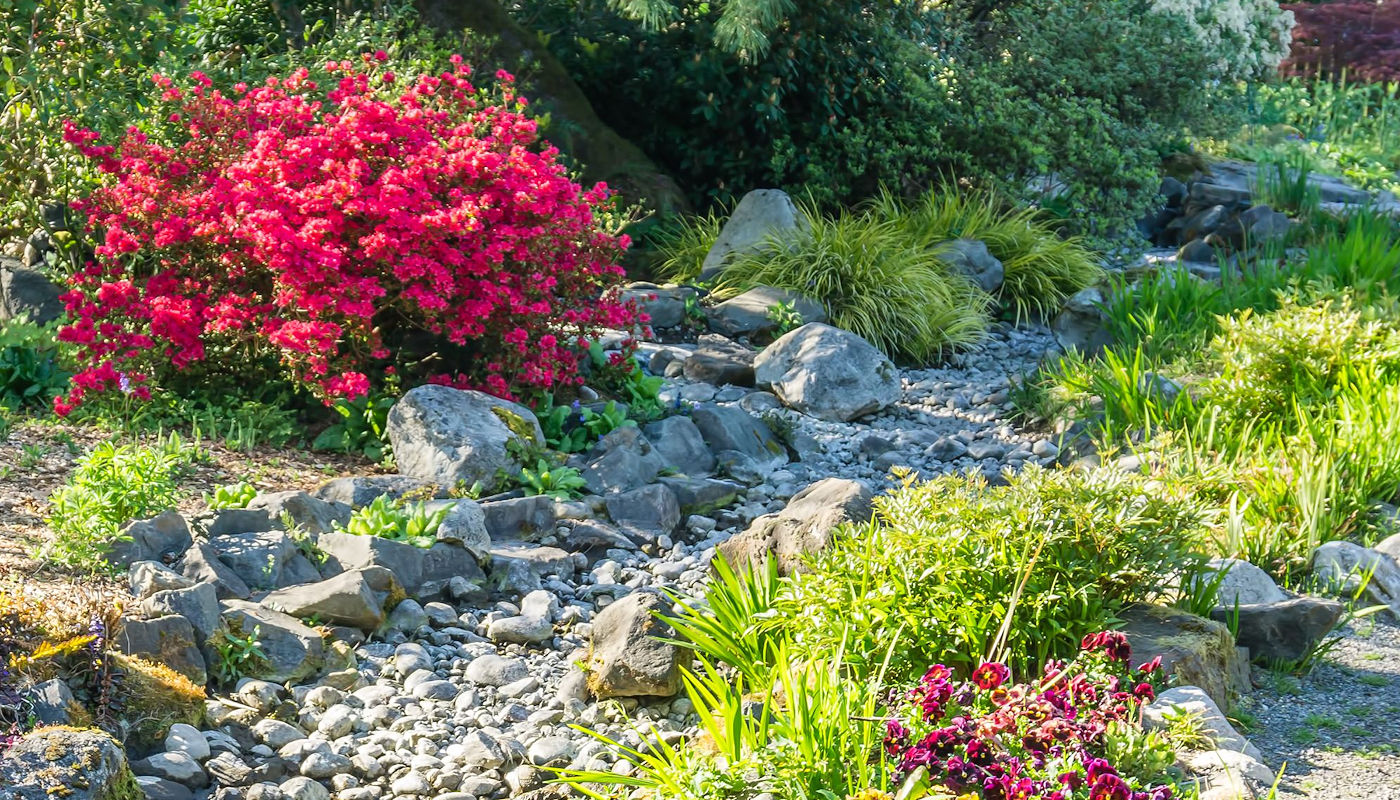
Install Dry Creek Beds
For heavy runoff areas:
• Line a natural flow path with river rock or gravel
• Shape it like a meandering stream to slow water
• Add boulders to break flow and prevent erosion
🌿 Bonus: Plant native grasses or irises along the edges for beauty and root stability.
Use Soaker Hoses or Drip Lines
Overhead watering increases runoff. Instead:
• Lay soaker hoses along flat beds
• Use drip irrigation with timers
• Water early in the morning to reduce evaporation
✅ Pro Tip: Place irrigation under mulch to keep water in the root zone.
Choose the Right Plants for Slopes
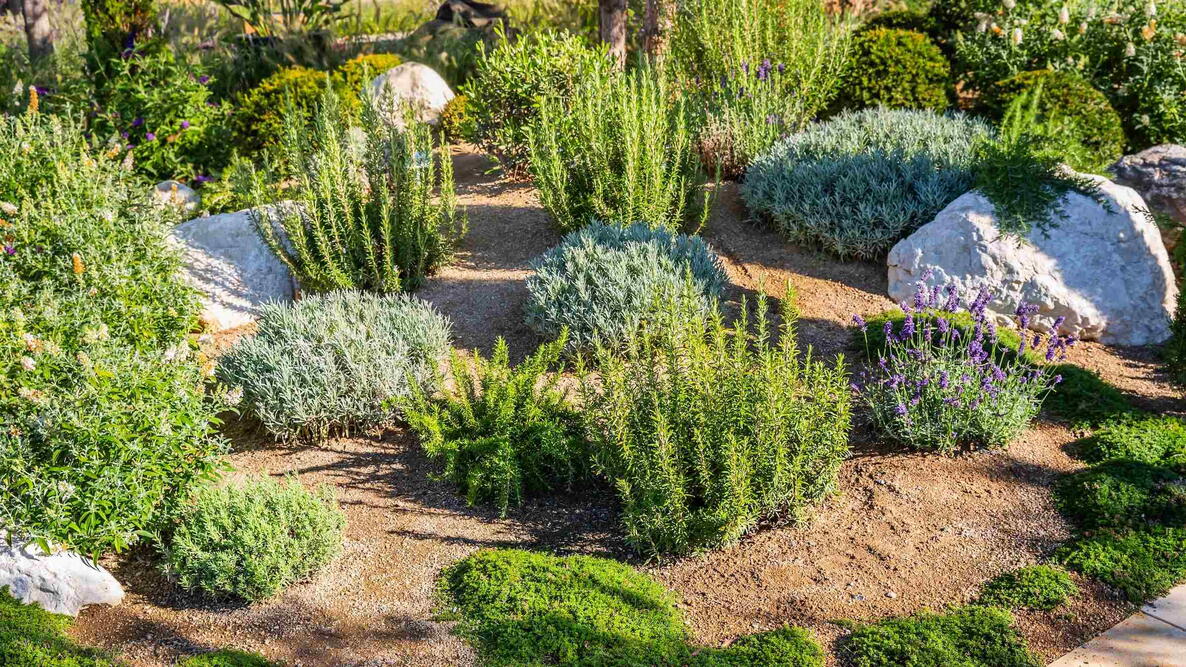
Not all plants thrive on hills. Pick varieties that stabilize soil, tolerate dry conditions, and need little maintenance.
Best Plants for Slope Gardens
| Type | Examples | Benefits |
|---|---|---|
| Groundcovers | Creeping thyme, sedum, vinca | Spread quickly, hold soil |
| Deep-rooted perennials | Lavender, yarrow, coneflower | Anchor soil, drought-tolerant |
| Ornamental grasses | Blue fescue, switchgrass | Fibrous roots, low maintenance |
| Shrubs | Juniper, cotoneaster, ceanothus | Evergreen cover, erosion control |
Avoid These Plants
• Shallow-rooted annuals (e.g., marigolds, petunias) – wash away easily
• Heavy, top-heavy plants – can topple on loose soil
• Invasive spreaders – hard to control on slopes
✅ Smart Move: Group plants by water needs (hydrozoning) to reduce waste and stress.
Maintain Your Slope Garden
A well-built slope garden lasts for years—but only with regular care.
Inspect Walls and Beds Seasonally
Check every spring and fall for:
• Cracks or bulges in retaining walls
• Soil settling or washouts
• Clogged drainage in swales or pipes
Repair small issues before they become big problems.
Replenish Mulch Annually
Mulch breaks down and washes away. Top off beds each spring with 1–2 inches of fresh material to:
• Retain moisture
• Suppress weeds
• Protect soil from rain impact
Prune and Divide Perennials
Overgrown plants can destabilize soil. Keep perennials healthy by:
• Dividing every 2–3 years
• Trimming back leggy growth
• Removing dead foliage
🌿 Pro Tip: Use pruned material for compost or mulch—close the loop on your garden.
Frequently Asked Questions About Gardening on a Slope
How do you measure the steepness of a slope for gardening?
Measure the rise (vertical drop) and run (horizontal distance). For example, a 5-foot drop over 34 feet gives a 1:6.8 slope. Use a string line and level to find true horizontal, then calculate the ratio to determine if terracing is needed.
What is the best way to stop erosion on a hillside garden?
The most effective method is building level garden beds with low retaining walls (12–18 inches). Combine this with mulch, groundcover plants, and swales to slow water and hold soil in place.
Can you grow vegetables on a sloped yard?
Yes, but use terraced beds to create flat planting areas. Grow vegetables like tomatoes, beans, and leafy greens on level surfaces. Use drip irrigation to conserve water and prevent runoff.
What plants are best for stabilizing soil on a slope?
Top choices include creeping thyme, sedum, lavender, yarrow, and ornamental grasses. These have deep or fibrous roots that bind soil and resist erosion, especially in dry climates.
How do you build a retaining wall on a slope without it collapsing?
Dig a level trench, add compacted gravel, and set the first course level. Backfill with gravel, not soil, and include a slight backward tilt (batter). For walls over 2 feet, add drainage pipes and consider professional help.
Is it possible to have pathways on a sloped garden?
Yes. Use curved, sloped pathways (max 5% grade) made of gravel, stepping stones, or pavers. Follow the natural fall of the land and add handrails on steeper sections for safety.
Key Takeaways for Successful Slope Gardening
Gardening on a slope is about smart design, not brute force. By measuring your incline, building low-tiered beds, and using retaining walls, you create a garden that works with the land. The most successful slope gardens start small—one level at a time—tested through rain and seasons before expanding. Focus on stopping erosion with mulch and deep-rooted plants, manage water with swales and drip irrigation, and maintain your system with seasonal checks.
Your next step? Sketch your slope, calculate the rise and run, and build one test terrace. See how it holds up through a storm, then scale up. With patience and planning, your hillside can become the most productive and beautiful part of your yard.