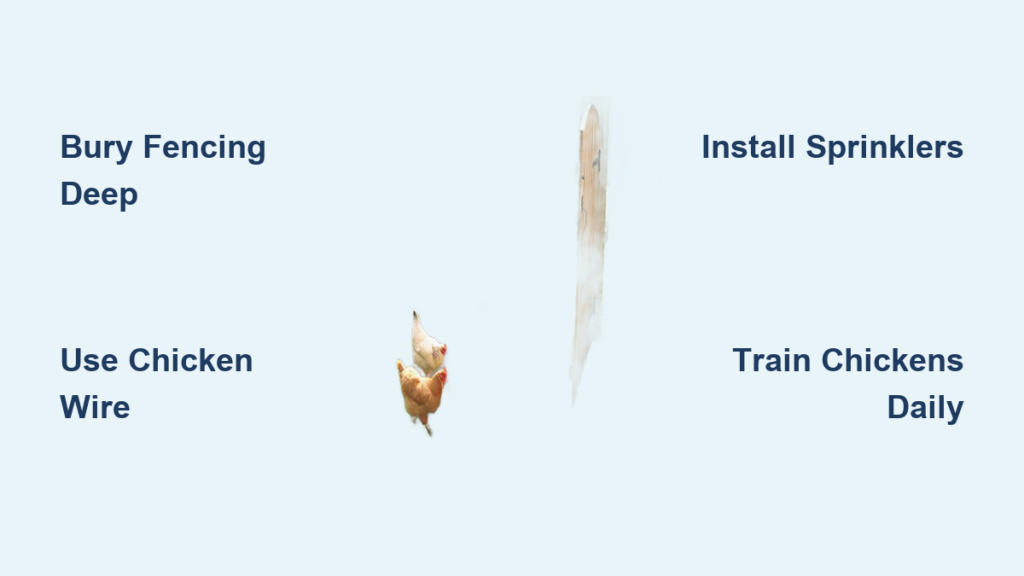
You’ve carefully planted your garden, only to find it turned into a chicken buffet overnight. Scratched-up soil, missing seedlings, and droppings everywhere—this is a common frustration for gardeners with backyard chickens. The truth is, chickens are natural foragers drawn to soft soil, insects, and tender greens, making gardens irresistible. Even a small flock of six can destroy an entire garden in days. But here’s the good news: you can protect your plants and still enjoy fresh eggs—without one ruining the other.
The key isn’t waiting for plants to grow or hoping chickens lose interest. Experience shows that a nine-month head start won’t save your garden—chickens will scratch and peck regardless. The real solution lies in combining physical barriers, deterrents, and smart management from day one. This guide delivers proven, step-by-step strategies—tested with flocks of up to 27 hens—so you can grow a thriving garden and raise happy chickens in harmony.
Build a Chicken-Proof Barrier at Ground Level
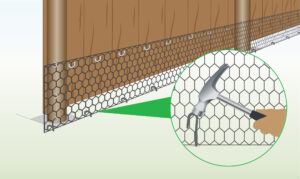
Chickens don’t fly over fences—they push under them. That’s why the most effective protection starts at the bottom, not the top.
Install Chicken Wire Along Existing Netting
Standard plastic garden netting is too lightweight and has gaps chickens easily exploit. Upgrade it by adding 16–18 gauge chicken wire along the base. Cut it with tin snips and wear gloves—this wire is sharp.
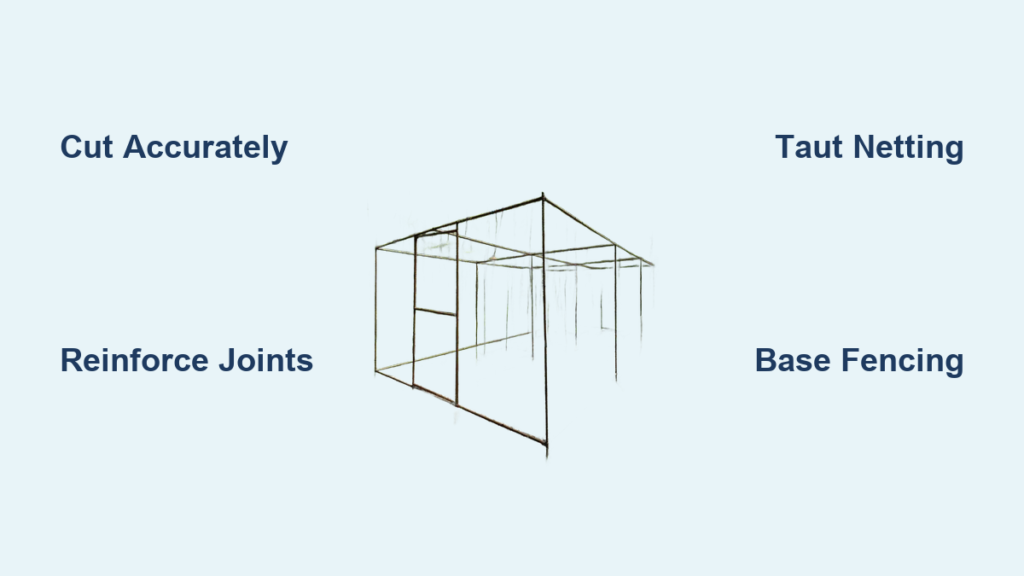
Attach the wire to the bottom of your existing netting or garden bed frame. Push the lower edge 6–12 inches into the soil and lightly bury it to block digging. Secure the top to T-posts or stakes with zip ties, pulling it taut. Seal corners and overlaps to eliminate gaps. Test the barrier by pushing on it—if it moves, reinforce with more zip ties or stakes.
Lay Flat Wire Over Raised Beds
For raised or winter gardens, lay chicken wire flat across the entire bed and secure it with landscape staples and bamboo stakes. Chickens dislike walking on the rigid surface and can’t scratch through it.
Install this after mulching to lock in topsoil and leaves. While chickens may step on the bed, they won’t cause scratching damage. Trim around plant stems and overlap sections as needed. This low-cost method also deters rabbits and works well for flower beds and young perennials.
Build a Tall, Buried Fence for Permanent Protection
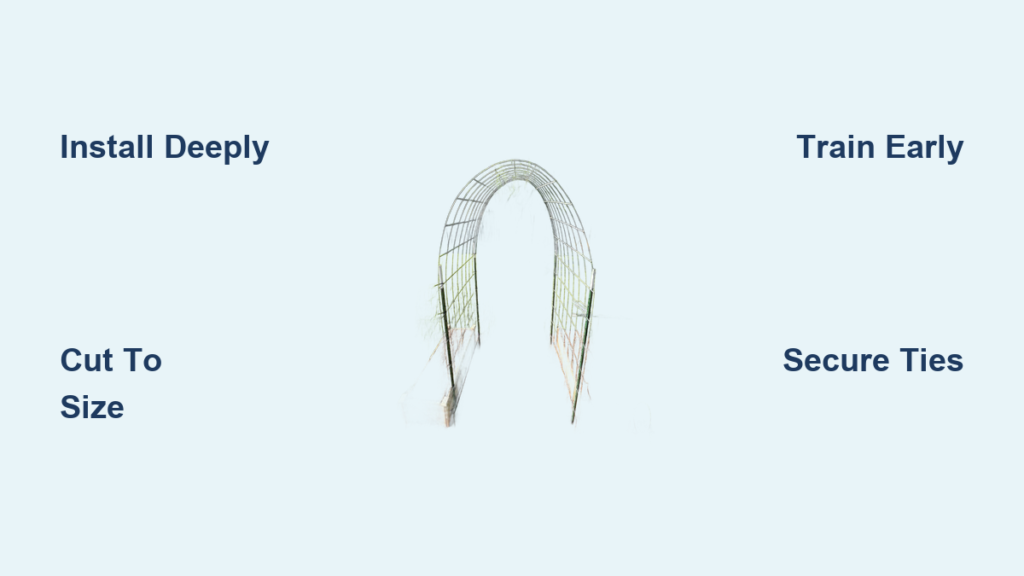
For long-term security, install a 4–5 foot tall fence with 1-inch or smaller mesh. Bury the bottom 12–18 inches deep to stop digging. Use welded wire or heavy-duty chicken wire for durability.
Add a slight outward slant at the top—like a roof eave—to throw off chickens’ balance and discourage climbing. Avoid decorative fencing; chickens will leap right over it. For maximum effectiveness, pair this with electric poultry netting on the outside.
Use Temporary and Targeted Protection for Vulnerable Plants
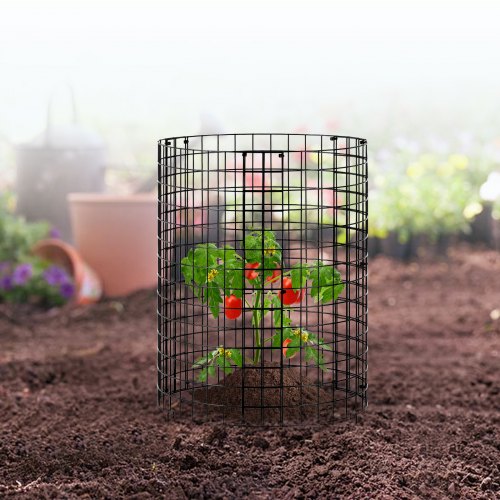
Not every plant needs a full fence. Focus on protecting high-risk areas with simple, low-cost solutions.
Shield Seedlings and Young Trees
Young plants, berry bushes, and climbing vines like passionfruit are prime targets. Rope off the base of climbing plants to block access. Use protective wire baskets or cages around delicate seedlings and perennials.
For fruit trees, place bricks or stones over root zones to prevent scratching. These small barriers stop damage before it starts. Apply them from day one—don’t wait for signs of trouble.
Block Bare Soil to Reduce Temptation
Chickens scratch where soil is exposed. Cover bare patches with mulch, gravel, or landscape fabric to make them less appealing. This also helps retain moisture and suppress weeds.
Use portable netting or decorative stakes around favorite chicken zones. These can be moved as needed and blend into your garden better than permanent fencing.
Deploy Effective Deterrents That Chickens Can’t Ignore
Barriers alone aren’t always enough. Add deterrents to discourage chickens from approaching in the first place.
Install Motion-Activated Sprinklers
A motion-activated sprinkler like Scarecrow or Bird-X delivers a surprise burst of water when chickens approach. It’s humane, reusable, and works day or night. Place it near garden entry points or high-traffic chicken zones.
Chickens learn quickly—after a few sprays, they’ll avoid the area. Rechargeable models last for months. Make sure the spray covers the full access path, not just the edge of the garden.
Apply Natural Repellent Sprays
Spray a vinegar-water mix or cayenne pepper solution (1 tbsp pepper + 1 tsp dish soap + 1 quart water) around the garden perimeter. The smell and taste deter chickens without harming plants.
Peppermint, citronella, or eucalyptus essential oils diluted in water also work. Reapply after rain or watering. Avoid spraying directly on edible plants. Rotate sprays every few weeks to prevent chickens from getting used to them.
Hang Moving Visual Deterrents
Reflective CDs, aluminum foil strips, or pinwheels create flashing light and motion that startle chickens. Hang them at eye level around the garden.
But chickens adapt quickly to stationary objects. Move these deterrents every 2–3 days to keep them effective. Pair them with sprinklers or sprays—don’t rely on visuals alone.
Train Chickens to Avoid the Garden
Chickens can be trained to respect boundaries—but it takes consistency and repetition.
Use Daily Training with Consequences
One gardener successfully stopped chickens from using a patio by repeating the same routine daily at 4 PM:
- Bring a calm dog (that chickens naturally avoid) onto the patio
- Gently shoo chickens off with a broom
- Carry them to the coop and give treats
- Communicate that garden access = end of free-range time
After 4–5 days of repetition, the chickens stopped entering. This method works best when tied to a routine and paired with a clear consequence. It may not work for all flocks, but it’s worth trying.
Start Protection on the Same Day You Introduce Chickens
Delaying chicken access while plants grow doesn’t work. One gardener gave plants nine months to establish—only to lose nearly everything when chickens were introduced.
The better strategy: plant and protect on the same day you introduce chickens. Use physical barriers immediately. This allows you to build a thriving food forest faster, with chickens contributing to pest control and fertilization—without destruction.
Only delay chickens during soil preparation, when they’d kick up dirt and block gates. Once soil is in place, bring in the chickens and protect the plants from the start.
Remove Garden Attractants That Lure Chickens
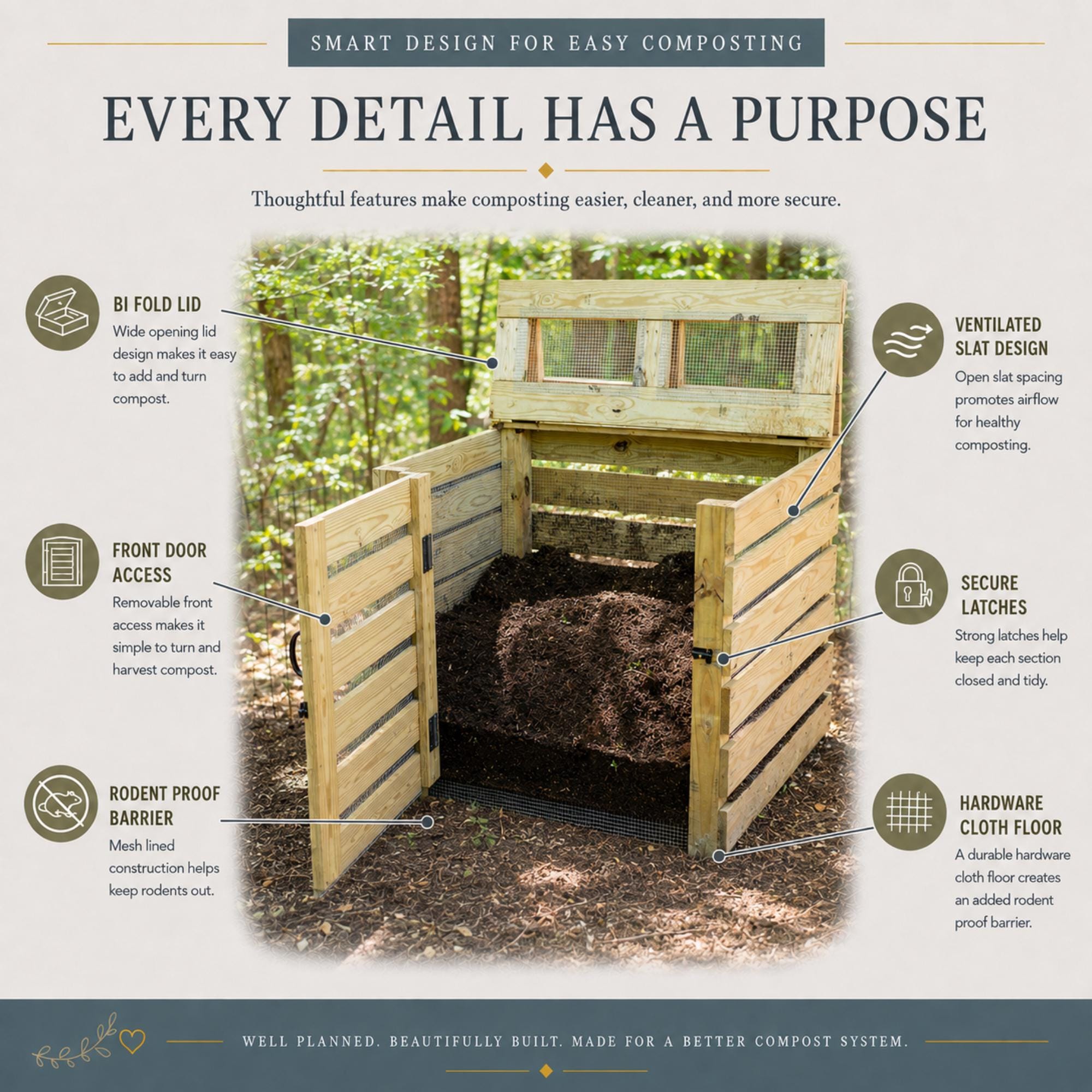
Even the best barriers fail if your garden offers food and comfort.
Secure All Food Sources
Chickens go where the food is. Seal compost bins tightly—open piles are a major draw. Pick up fallen fruit, seeds, and food scraps daily. Even small crumbs attract foraging birds.
Use trash cans with tight-fitting lids to block access. Keep the yard clean of loose grain or spilled feed. A tidy yard is a less tempting one.
Make the Yard Less Inviting
If dealing with neighbor’s chickens, make your yard less appealing. Remove standing water, cover soil, and trim dense shrubs that offer shade. Meanwhile, suggest they improve their coop with better fencing or distractions like dust baths and foraging areas.
Some gardeners report success by planting chicken-friendly greens on the neighbor’s side—making their yard more attractive—while protecting their own.
Handle Neighbor’s Free-Range Chickens the Right Way
When someone else’s chickens invade, diplomacy and preparation are key.
Communicate Politely and Offer Solutions
Start with a friendly conversation. Many neighbors don’t realize the damage being done. Say something like: “I love your chickens, but they’ve been digging up my flower beds. Could we work together on a solution?”
Offer to help install a shared barrier or suggest affordable fixes like chicken wire and zip ties. Frame it as a team effort, not a complaint.
Know Your Legal Rights and Document the Problem
Check local ordinances—many areas restrict free-range chickens or require secure enclosures. If chickens are causing property damage, you may have legal recourse.
Document the problem: take photos, note dates, and keep records. If talks fail, this evidence supports a formal complaint. Most issues resolve with communication, but it’s good to know your options.
Avoid These Common Mistakes
Even experienced gardeners make preventable errors. Avoid these pitfalls to protect your garden.
Don’t Rely on Plastic Netting Alone
Standard plastic garden netting ($30–$40 for 50–100 ft rolls) is too lightweight. Chickens push it aside, dig under it, or walk right through large gaps. It looks good but fails under pressure.
Upgrade it by adding chicken wire along the base and securing it with zip ties. This turns weak netting into a real barrier.
Don’t Forget to Bury the Fence
Even the best fence fails if the bottom isn’t buried. Chickens will dig under it in hours. Always extend fencing 12–18 inches underground or use a ground-level wire skirt.
Don’t Use Stationary Visual Deterrents
Plastic owls or hawks only work for a few days. Chickens quickly learn they’re fake. Move visual deterrents every 2–3 days or combine them with motion-activated sprinklers for lasting effect.
Frequently Asked Questions About Keeping Chickens Out of the Garden
Will a 4-foot fence keep chickens out?
A 4-foot fence can work only if the bottom is buried 12–18 inches deep and the top has a slight outward slant. Without these features, chickens will dig under or hop over it.
Can chickens be trained to stay out of the garden?
Yes, but it requires 4–5 days of consistent daily training. Use a routine that includes shooing them away, applying a consequence (like ending free-range time), and offering treats in the coop. Results vary by flock.
Does cayenne pepper spray really work?
Yes, a mix of 1 tbsp cayenne pepper, 1 tsp dish soap, and 1 quart water deters chickens with its smell and taste. Reapply after rain. Avoid spraying directly on edible plants.
Why do chickens destroy even established plants?
Because chickens scratch for insects, dust bathe in soft soil, and eat tender greens—not just seedlings. Even well-established plants are vulnerable to root exposure and trampling.
Can I let chickens in the garden at all?
Yes—after harvest or during fallow periods, chickens can help till soil and eat pests. But never allow them in during planting or growing seasons unless plants are fully protected.
What’s the cheapest way to chicken-proof a garden?
The most cost-effective method is adding 16–18 gauge chicken wire to existing netting with zip ties. It costs under $50 for most small gardens and blocks digging and pushing.
Key Takeaways for Keeping Chickens Out of Your Garden
The most successful gardeners don’t wait for damage—they act before chickens ever see the soil. Physical barriers at ground level, like buried chicken wire or flat wire over beds, are your first line of defense. Combine them with motion-activated sprinklers, natural sprays, and daily training for best results.
Remember: chickens don’t fly over—they dig under. Focus on the bottom of fences, not the top. Remove food sources, start protection on day one, and avoid relying on plastic netting or fake predators.
With the right strategy, you can enjoy both a lush garden and a happy flock. Start protecting today—your plants will thank you.