You’ve nurtured your garden with care—only to discover chewed stems, hollowed root vegetables, and mysterious tunnels weaving through the soil. The culprit? Voles. These small, mouse-like rodents feed on roots, bulbs, and bark year-round, often causing extensive damage before you even spot them. Unlike moles, which eat insects, voles destroy plants from below, targeting everything from sweet potatoes to fruit tree bark—especially under snow cover.
Stopping voles requires more than one quick fix. The most effective approach combines habitat cleanup, physical barriers, trapping, and non-toxic repellents. This guide reveals proven, safe strategies backed by real gardeners and experts. You’ll learn how to block voles with ¼-inch hardware cloth, use castor oil repellents effectively, trap smartly in active runways, and maintain long-term protection—so your garden stays productive and vole-free.
Eliminate Vole-Friendly Habitat
Mow and Clear Garden Edges to Expose Voles
Voles avoid open spaces because predators like hawks and foxes can easily spot them. By clearing vegetation within 6 to 10 feet of your garden, you remove their cover and make your yard far less inviting. Mow grass and weeds down to 3 inches or less, and remove leaf piles, brush, and woodpiles. This creates a clean buffer zone that disrupts vole movement and reduces their ability to establish colonies.
Fall and early spring are the best times for this cleanup. One gardener stopped a severe infestation by simply mowing down an overgrown border connected to an abandoned horse pasture. Without shelter, voles are forced to travel exposed—making them vulnerable and less likely to settle in your garden.
Remove Hiding Spots Near Garden Beds and Trees
Anything that provides shade and cover—like mulch piles, stacked pots, or compost bins—can become a vole highway. Keep compost at least 10 feet from garden edges. Avoid dense ground covers like ivy or pachysandra near planting zones, as they offer ideal shelter. Replace them with low-profile, open plantings that don’t hide tunnel entrances.
Snow acts as insulation in winter, allowing voles to tunnel freely and chew bark at the base of trees—a behavior called girdling. Rake away deep snow near trunks and shrubs when possible. A clear, open perimeter around your garden significantly reduces vole activity and protects vulnerable plants.
Install Vole-Proof Barriers
Use ¼-Inch Hardware Cloth Fencing to Block Entry
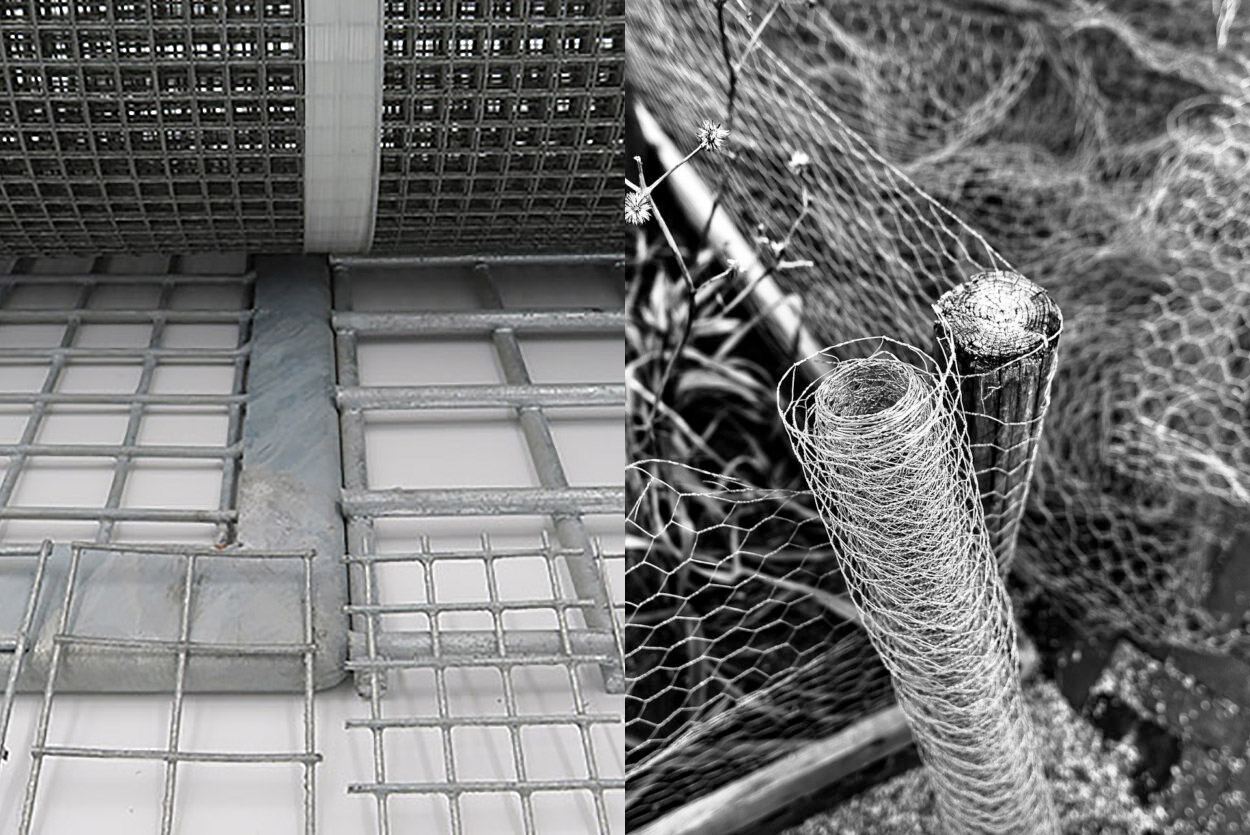
Chicken wire won’t stop voles—they can squeeze through 1-inch gaps. You need ¼-inch hardware cloth, the most reliable barrier available. Install fencing at least 12 inches above ground and bury it 6 to 10 inches deep. Voles dig and climb, so both height and depth are essential.
Bend the top 6 to 10 inches of aluminum flashing outward to prevent voles from scaling the fence. Seal all corners and overlaps tightly—any gap is an invitation. Install this barrier in fall before winter or in early spring before planting. One gardener prevented winter damage entirely by installing fencing before snowfall, proving that timing is critical.
Protect Raised Beds from Below with Hardware Cloth
Even raised beds aren’t safe—voles tunnel underneath and attack roots. Before filling your bed with soil, attach ¼-inch hardware cloth to the bottom using staples or screws. Ensure the mesh fits snugly with no gaps. This turns your raised bed into a secure, vole-proof container.
If your bed is already built, retrofit it by digging a shallow trench and sliding the mesh underneath the corners. Reinforce the sides with hardware cloth if your garden borders a wooded area or overgrown field. This extra step is especially valuable for protecting high-value crops like carrots and potatoes.
Trap Voles Effectively

Set Traps in Active Runways During Peak Seasons
Trapping is one of the most effective ways to reduce vole numbers, especially in fall and late winter when food is scarce. Use snap traps or live traps baited with oatmeal, peanut butter, or apple slices. Place traps perpendicular to visible surface runways—these are the worn paths through grass near garden beds.
Position traps at tunnel entrances, particularly near fences or garden borders. One gardener caught six voles in a single fall, but that was only a fraction of the colony—proving that trapping works best as part of a broader strategy. Always check traps daily and reset or relocate them if no captures occur after a few days.
Cover Traps for Safety and Higher Success Rates
Always cover traps with a small bucket, tin can, or cardboard box. This keeps pets and children safe and makes the trap feel like a natural tunnel, increasing the chance a vole will enter. The cover also protects bait from rain and debris.
If you’re not catching voles, try switching bait or moving traps to a different runway. Trapping is most effective when combined with repellents and barriers—don’t rely on it alone. For detailed guidance, refer to Penn State Extension’s vole control fact sheet or video trap tutorials.
Apply Proven Repellents

Use Castor Oil-Based Granules for Long-Lasting Deterrence
Mole Max and similar castor oil-based repellents are highly effective. The scent and taste repel voles but are undetectable to humans. When watered into the soil, the granules create a barrier that pushes voles toward your yard’s edges.
Apply strips along active garden beds and lawns. Water immediately after application to activate the repellent. Reapply every few weeks, especially after heavy rain. For full protection, add a final strip along fence lines to close gaps.
One gardener applied the product three times over winter and once in spring—and saw zero vole activity the next season. No tunnels, no damage, and a full sweet potato harvest. The product is non-toxic to pets and children when used as directed and also deters moles, gophers, and groundhogs.
Limit Use of Capsaicin Sprays to Non-Harvest Periods
Capsaicin (hot pepper) sprays can deter voles but have key limitations. Never apply them to edible parts of plants you plan to eat. Use only before fruit sets or after harvest, and follow label instructions carefully.
These sprays break down quickly with rain or watering, so frequent reapplication is needed. They’re best used as a short-term supplement, not a primary defense. While safe for soil and beneficial insects, they’re not consistently effective on their own.
Plant Deterrents Strategically
Grow Garlic, Daffodils, and Salvia at Garden Edges
Some gardeners plant garlic, daffodils, hellebore, or salvia around borders, believing they repel voles. While there’s no strong scientific proof, these plants may act as mild deterrents when used alongside other methods.
Plant them around the outer edge of your garden—not inside beds where they compete with crops. Their strong scents might discourage voles from entering, but don’t rely on them as your main defense. Think of them as a bonus layer, not a solution.
Follow a Seasonal Action Plan
Fall: Install Barriers and Begin Trapping
Fall is the most critical time for vole control. Install hardware cloth fencing and raised bed barriers before winter. Start trapping in active runways. Apply castor oil repellent and water it in. Clear debris and mow vegetation around garden edges. This proactive approach prevents winter damage and stops populations from taking hold.
Late Winter: Increase Trapping and Reapply Repellents
When food is scarce, voles are more likely to take bait. Boost trapping efforts in late winter. Reapply castor oil granules if they’ve washed away. Check barriers for damage from frost heave or digging.
Early Spring: Finish Barriers and Monitor for Activity
If you didn’t install fencing in fall, do it now—before soil warms and voles become active. Inspect your garden weekly for new tunnels, droppings, or chewed stems. Reapply repellents after rain. This is also a good time to plant deterrent species around borders.
Monitor and Maintain Protection
Watch for New Tunnel Activity and Early Warning Signs
Even with barriers in place, check your garden regularly. Look for:
• Fresh soil mounds
• Open tunnel entrances
• Chewed stems or roots
• Surface runways in grass
Catching activity early means you can respond before damage spreads. One new tunnel could signal the start of an infestation.
Repair Barriers and Reapply Repellents as Needed
Inspect hardware cloth for gaps, rust, or lifted edges. Fix any damage immediately. Reapply castor oil granules every few weeks, especially after heavy rain. Keep the garden perimeter clean and mowed.
If voles return, double down on trapping and reapply repellents more frequently. Consider extending your barrier if the infestation source is nearby—like an abandoned field or overgrown lot.
Avoid Common Mistakes
Don’t Use Chicken Wire—It Won’t Stop Voles
Chicken wire has openings too large to block voles. Always use ¼-inch hardware cloth for fencing and bed protection.
Don’t Rely on Plants Alone
Daffodils and garlic won’t stop a vole invasion. Use them as a supplement, not a substitute for physical barriers.
Don’t Skip the Buried Fence
If you don’t bury the barrier at least 6 inches deep, voles will dig under it. Combine depth with height and outward-bent flashing for full protection.
Don’t Use Poisons
Rodenticides can harm pets, children, and wildlife. They also risk secondary poisoning of birds and predators. Stick to traps, barriers, and non-toxic repellents.
Frequently Asked Questions About Keeping Voles Out of Garden
What is the most effective way to keep voles out of a garden?
The most effective method is combining ¼-inch hardware cloth fencing (buried 6–10 inches deep) with castor oil-based repellents and habitat cleanup. No single method works alone—layered defense delivers lasting results.
Can I use chicken wire to stop voles?
No. Chicken wire has 1-inch openings—too large to stop voles. Use ¼-inch hardware cloth instead for both fencing and raised bed protection.
When is the best time to control voles?
Fall and late winter are the best times. Install barriers in fall before winter, and increase trapping when food is scarce. Early spring is ideal for finalizing protection before planting.
Do vole repellent plants like garlic or daffodils really work?
There’s no strong scientific evidence that these plants repel voles. They may help as a mild deterrent when used with other methods, but don’t rely on them alone.
Are castor oil repellents safe for pets and children?
Yes. Products like Mole Max are non-toxic when used as directed. They’re safe for pets, children, and beneficial wildlife, and also deter moles and gophers.
How do I know if voles are still active after treatment?
Look for fresh soil mounds, open tunnels, chewed stems, or droppings. If you see new signs, reapply repellents, check barriers, and increase trapping.
Key Takeaways for Keeping Voles Out of Your Garden
To keep voles out of your garden, start with habitat cleanup—mow edges, remove debris, and eliminate cover. Install ¼-inch hardware cloth fencing buried 6–10 inches deep and extend it 12 inches above ground with outward-bent flashing. Protect raised beds by securing hardware cloth to the bottom.
Use snap traps in active runways during fall and late winter, always covering them for safety. Apply castor oil-based repellents every few weeks, especially after rain. Avoid chicken wire, poisons, and relying solely on repellent plants.
Stay vigilant. Monitor weekly, repair barriers, and act fast at the first sign of activity. By combining these proven methods, you can protect your plants, preserve your harvest, and enjoy a vole-free garden year after year.