You’ve just harvested a bounty of garden tomatoes—plump, fragrant, and bursting with flavor. But within days, they’re soft, moldy, or ruined. The truth? Most people store tomatoes wrong, cutting their shelf life short by days or even weeks. With the right techniques, you can store garden tomatoes properly and keep them fresh for months—or preserve them for up to two years—using simple, farmhouse-tested methods.
The key lies in controlling moisture, ethylene exposure, and microbial growth. Refrigeration alone won’t cut it. In fact, storing ripe tomatoes in the fridge too soon can ruin their texture and taste. But when you combine a smart pre-treatment with the right storage method for each ripeness stage, you extend freshness dramatically.
In this guide, you’ll learn five proven ways to store garden tomatoes—whether you want them ready for salads in a week or preserved for winter stews. From vinegar washing to oil sealing and pickling, these techniques work for cherry, beefsteak, heirloom, and grape tomatoes alike.
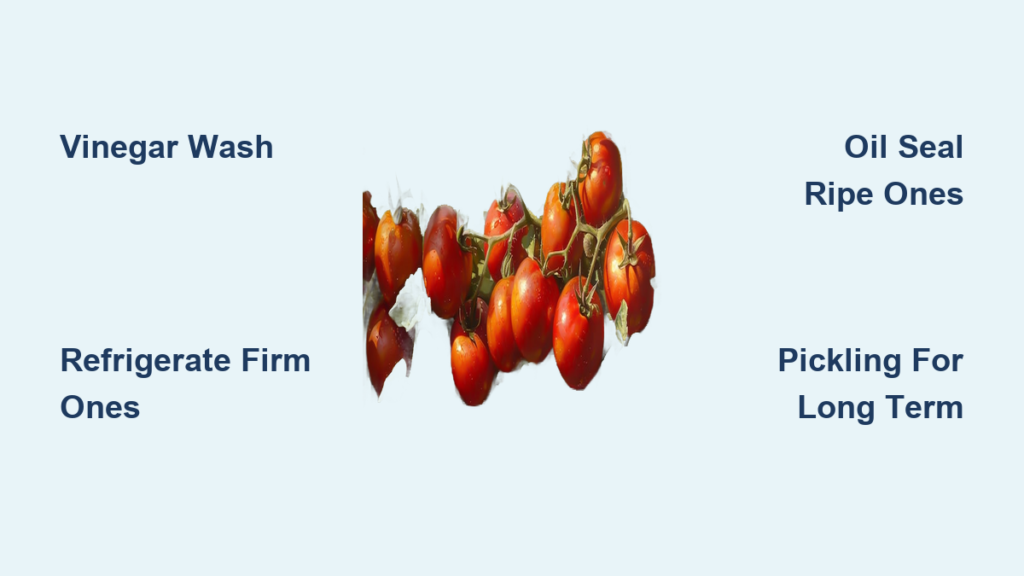
✅ Start with a Vinegar Wash
Before any storage method, clean your tomatoes to stop spoilage before it starts.
Why Wash Garden Tomatoes?
Tomato skins carry mold spores and bacteria from the garden. Even if they look clean, invisible microbes accelerate rotting. A quick vinegar wash kills these pathogens on contact—without altering flavor.
How to Do the Vinegar Wash
• Mix 3 cups distilled white vinegar (5%) with 3 cups water in a large bowl
• Submerge tomatoes for exactly 2 minutes
• Gently stir to ensure full coverage
• Remove and pat dry with a clean towel—focus on the stem scar, where moisture hides
🛑 Don’t skip this step. It’s the foundation of long-term freshness. Studies confirm vinegar reduces microbial load on produce, delaying decay by weeks.
🧊 Refrigerate Firm Tomatoes in Ziplock Bags
Best for extending freshness up to 12 months.
Not all tomatoes belong in the fridge—but firm, unripe ones do. This method slows ripening and prevents mold.
Should You Refrigerate Tomatoes?
Yes—but only if they’re firm and unripe. Cold temperatures halt microbial growth and ethylene production, preserving texture and delaying softening.
How to Store Tomatoes in the Fridge
• Sort by ripeness: keep firm (green or pale pink) and soft (red, ripe) tomatoes separate
• Use clean, dry quart or gallon ziplock bags
• Line the bottom with a dry kitchen towel to absorb condensation
• Place firm tomatoes in first, then soft ones on top (if storing both)
• Squeeze out air using a straw or cool hair dryer
• Seal and place in the crisper drawer
🔍 Pro Tip: Check after 30 days. If still firm, repeat the vinegar wash, dry thoroughly, and repackage. This resets microbial growth and can double storage time.
What to Watch For
• Condensation inside the bag? Open, dry the towel, and reseal
• One tomato going soft? Remove it immediately to protect the rest
🫒 Seal with Olive Oil for Room-Temp Storage

Keep ripe tomatoes fresh and flavorful for 7–10 days—no fridge needed.
This trick mimics Mediterranean preservation: a tiny drop of oil blocks air and bacteria at the most vulnerable spot—the stem scar.
How to Use Olive Oil Coating
- Lay tomatoes on a tray, stem-side up
- Place a tiny drop of extra virgin olive oil on the stem scar
- Use a fingertip or cotton swab to spread it into a thin, even layer
- Let dry completely (about 15 minutes)
- Store in a cool, dry, ventilated area—away from sunlight and heat
✅ Why It Works: The oil creates a breathable barrier. Tomatoes stay juicy, aromatic, and ready for caprese salads or bruschetta.
❌ Don’t oil unripe tomatoes. Only use this on fully ripe or nearly ripe ones.
🧺 Use a Breathable Basket for Short-Term Storage
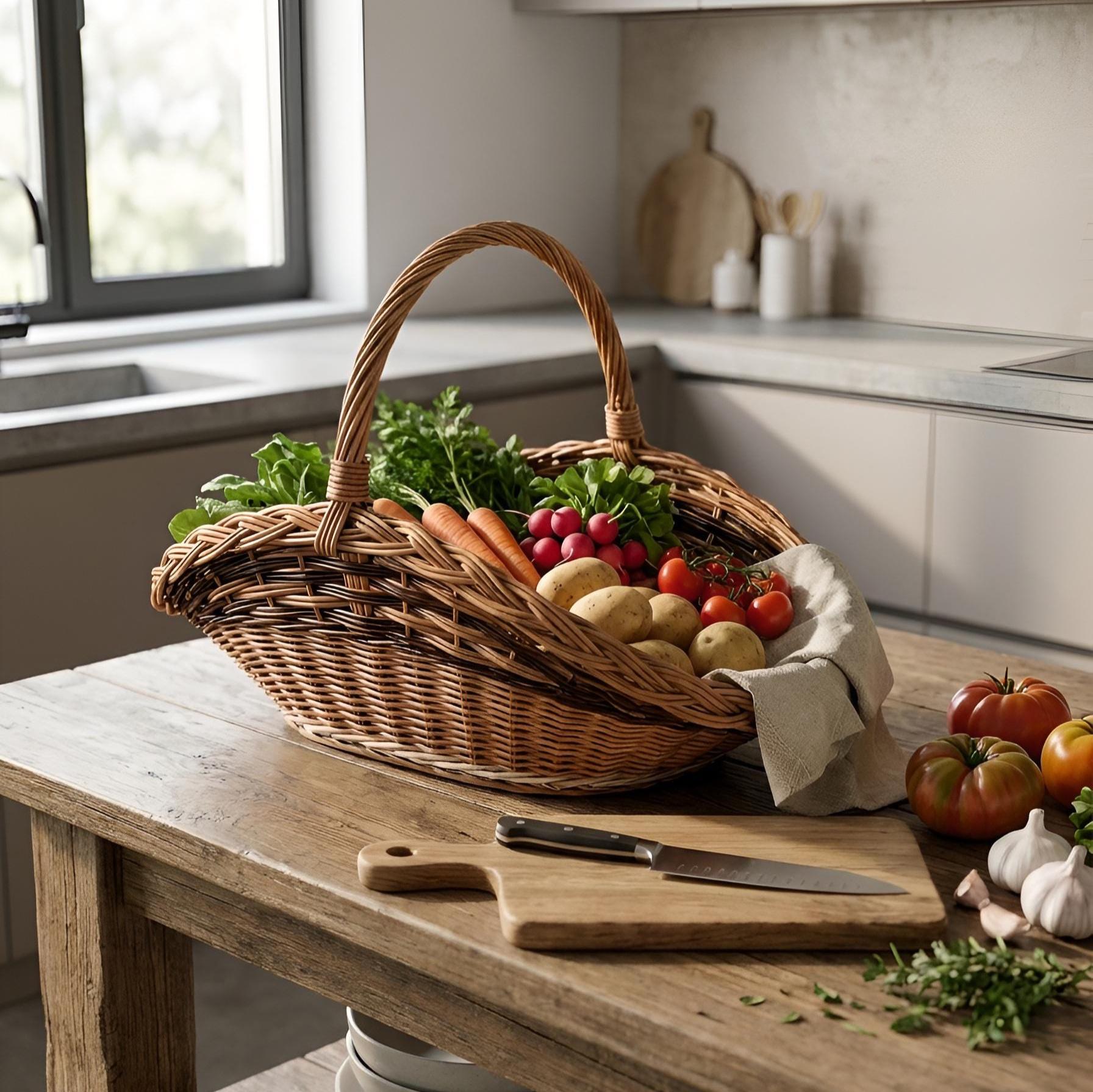
Ideal for 5–10 days of countertop freshness.
Refrigeration dulls flavor. For tomatoes you’ll eat within a week, room temperature is best—but only if you control airflow and pressure.
Best Container for Garden Tomatoes
• Use a rattan basket, wicker tray, or mesh bowl
• Arrange tomatoes in a single layer
• For multiple layers, place soft paper towels between them to prevent bruising
• Store at 18–22°C (65–72°F)—cool but not cold
• Keep away from onions, bananas, and apples—they release ethylene gas, which speeds ripening
🌿 Bonus for Cherry Tomatoes: This method lets cherry and grape tomatoes last up to 10 days on the counter, fully flavored and crisp.
🚨 Remove any soft or moldy tomatoes immediately. One bad tomato can spoil the whole batch.
🍅 Preserve in Vinegar Brine (Pickled “Snow Tomatoes”)
Store garden tomatoes for 12–24 months with this traditional pickling method.
These aren’t sour pickles—they’re tangy-sweet, firm, and bright, perfect for antipasto or cooking.
Ingredients (for Two 2.5L Jars)
• 1.5 kg fresh, unbruised tomatoes
• 50g sugar
• 50ml 9% vinegar
• 2 tsp salt
• 1 garlic clove, minced
• 2 clean glass jars (2.5L each)
Step-by-Step Pickling
- Pack jars: Gently place tomatoes into jars, leaving 2 cm headspace
- Pour boiling water over tomatoes, cover, and wait 15 minutes
- Drain water into a pot. Add sugar, vinegar, salt, and garlic
- Bring brine to a boil, then remove from heat
- Add minced garlic to jars
- Pour hot brine over tomatoes, filling to the top
- Wipe rims, seal with clean lids, and tighten
- Shake gently to mix flavors
- Cool completely, then store in a cool, dark place
📌 No canning required. The vinegar and sugar create a preservative environment. Unopened jars last over a year.
✅ Result: Tomatoes stay firm, colorful, and delicious—like they were picked yesterday.
🌿 Jar with Herbs for Flavorful, Shelf-Stable Tomatoes

Preserve garden tomatoes with herbs for up to 1 year at room temperature.
This method layers tomatoes with dill, parsley, onions, and garlic in a savory brine—perfect for sauces, soups, or eating straight from the jar.
Ingredients (One 1.5L Jar)
• 2 kg tomatoes, quartered
• 1 bunch dill + 1 bunch parsley (with stems)
• 400–450g onions, thinly sliced
• 4–6 garlic cloves, sliced
• 2 tsp salt (18g)
• 2.5 tbsp sugar
• 1 tbsp refined oil
• 25ml 9% vinegar
How to Make Herbed Tomatoes
- Sterilize a 1.5L glass jar and let dry completely
- Layer in this order:
– Garlic (bottom)
– Herbs
– Tomatoes
– Onions
– Repeat layers, ending with herbs on top - Pour boiling water over contents. Cover and wait 15 minutes
- Drain liquid into a pot. Add salt, sugar, oil, and vinegar
- Bring to a boil, then remove from heat
- Pour hot brine into the jar. Add 25ml vinegar
- Seal tightly. Wrap in a warm towel and let cool overnight
- Store unopened in a dark, cool place
🌟 Flavor Bonus: The longer they sit, the richer they taste. Ready in 2 weeks, but best after 2–3 months.
❗ Once opened, refrigerate and use within 3 weeks.
📌 Key Rules for Storing Garden Tomatoes
Follow these principles for maximum freshness and zero waste.
1. Always Wash Garden Tomatoes First
• Use a vinegar-water soak to kill mold and bacteria
• Dry thoroughly—especially the stem scar
2. Sort by Ripeness Stage
• Firm (unripe): Refrigerate in sealed bags
• Ripe (red, soft): Store at room temp with oil or in baskets
• Overripe: Use immediately or preserve
3. Control Moisture
• Use towels in bags, dry containers, and ventilated baskets
• Condensation = mold
4. Avoid Ethylene Traps
• Keep tomatoes away from bananas, apples, and onions
• Store them stem-side down to reduce air exposure
5. Preserve for Winter
• Pickled (“Snow Tomatoes”): Up to 2 years
• Herbed Jars: Up to 1 year
• Olive oil method: 7–10 days (refrigerate after opening)
Frequently Asked Questions About How to Store Garden Tomatoes
Can you store garden tomatoes in the refrigerator?
Yes, but only firm, unripe tomatoes. Cold slows ripening and prevents mold. Ripe tomatoes lose flavor and texture in the fridge, so keep them at room temperature unless you need to pause ripening.
How do you keep tomatoes from going bad so fast?
Wash them in a vinegar solution, dry completely, and store based on ripeness. Control moisture, avoid ethylene-producing fruits, and use oil sealing or pickling for longer life.
What is the best way to store tomatoes long term?
Pickling in vinegar brine (“Snow Tomatoes”) or preserving in herbed jars extends shelf life up to two years. These methods require no canning and maintain flavor and texture.
Should you wash tomatoes before storing?
Yes—always. A 2-minute vinegar wash kills mold spores and bacteria that cause rot. Dry thoroughly before storing to prevent moisture buildup.
Can you freeze fresh garden tomatoes?
Yes, but freezing changes texture. Best for cooking. Blanch, peel, and freeze in portions. Thawed tomatoes become soft, so avoid using in salads.
How long do fresh garden tomatoes last on the counter?
When stored in a breathable basket at 18–22°C, firm ripe tomatoes last 5–10 days. Cherry and grape varieties can last up to 10 days if kept dry and undisturbed.
Key Takeaways for Storing Garden Tomatoes
• The vinegar wash is non-negotiable—it stops spoilage at the source
• Refrigerate only firm, unripe tomatoes in sealed bags with moisture-absorbing towels
• Use olive oil sealing or breathable baskets for ripe tomatoes you’ll eat within 10 days
• For long-term storage, pickling and herbed jar preservation deliver shelf-stable results for up to two years
• Always sort by ripeness, avoid ethylene sources, and label your jars
Now that you know how to store garden tomatoes the right way, you can enjoy summer’s harvest all year round. Start with the vinegar wash, match the method to your ripeness stage, and preserve the rest—no waste, no loss of flavor, just fresh, vibrant tomatoes whenever you need them.