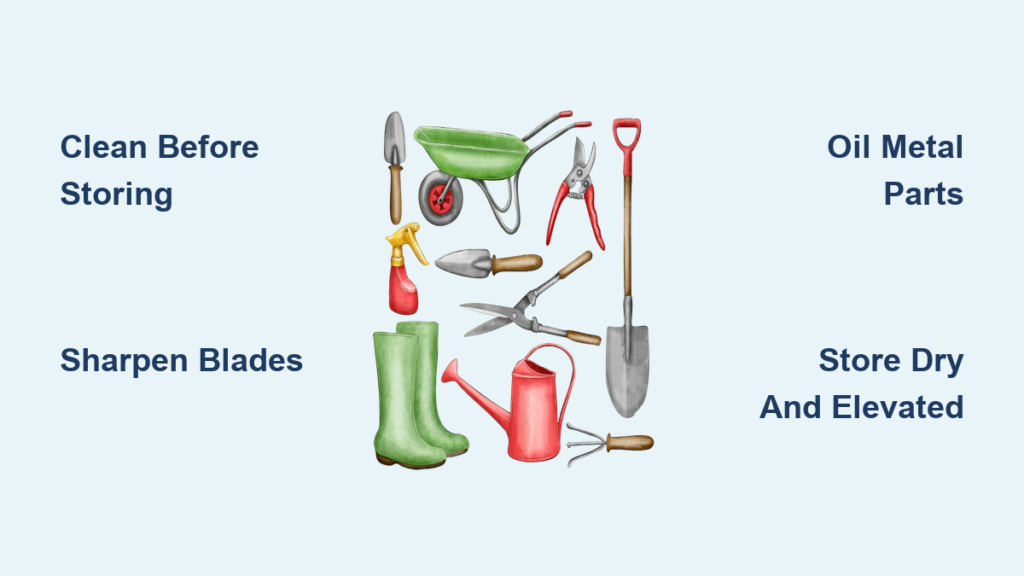
Nothing ruins a gardening session faster than grabbing a rusted trowel or realizing your pruners vanished after last week’s trimming. The way you store your tools directly impacts their lifespan, performance, and availability. How to store garden tools properly isn’t just about tidiness—it’s about protecting your investment and saving time. With the right prep and storage strategy, you can keep blades sharp, handles intact, and tools easy to find. This guide covers proven methods—from DIY wall racks to zone-based bucket systems—so you can organize by climate, space, and usage. Whether you have a small urban patio or a sprawling rural plot, these solutions ensure your tools stay clean, dry, and ready.
Clean, Sharpen, and Protect Before Storage
Storing dirty or dull tools invites rust, decay, and frustration. Always prepare tools before putting them away, even for short-term storage.
Remove All Dirt and Debris
Scrub metal parts with a brass-bristle brush to avoid scratching surfaces. For wooden or plastic handles, use a stiff nylon brush and a mix of mild soap and water. Rinse thoroughly and let air-dry completely. If you’re in a rush, hose off visible soil and wipe dry—never store damp tools. Moisture trapped on metal or in wood grain accelerates rust and rot.
Sharpen Blades for Longevity and Efficiency
Dull blades tear plants instead of cutting cleanly. Use a whetstone for shovels, hoes, and spades, matching the tool’s original bevel angle. For hand pruners and clippers, a small handheld sharpener works best. Always use downward strokes and apply 3-IN-ONE® Multi-Purpose Oil during sharpening to reduce friction and protect the edge.
Apply Protective Coatings
After cleaning and sharpening, coat metal blades with a thin layer of oil—even stainless steel can rust. Wipe off excess with a rag to prevent buildup. For wooden handles, lightly sand with 120-grit sandpaper, then rub in linseed oil to seal against moisture and prevent cracking.
Build a Wall-Mounted Tool Organizer for Long-Handled Tools

Keep shovels, rakes, and hoes off the floor and neatly arranged with a custom wall rack that maximizes vertical space.
Cut and Mount Strong Support Runners
Use two 1×3 or 1×4 boards, cut to 24–36 inches. Mount them 12 inches apart vertically on wall studs using 3.5-inch screws. Use a level to ensure alignment. This spacing fits most long-handled tools without crowding.
Add Angled Tool Arms for Secure Holding
Cut six-inch blocks from 2×3 lumber. Set a miter saw to 45 degrees to notch each block, creating a cradle for tool handles. Pre-drill holes to prevent splitting, then attach arms to the runners from behind. The angled design keeps tools from slipping off.
Stack Small Tools for Maximum Efficiency
The 6-inch arms allow you to stack trowels, pruners, or weeding tools in the same slot. Place heavier tools like shovels on lower arms and lighter ones like rakes on top. This two-layer system keeps everything visible and accessible.
Use a Bucket of Sand with Oil for Blade Protection
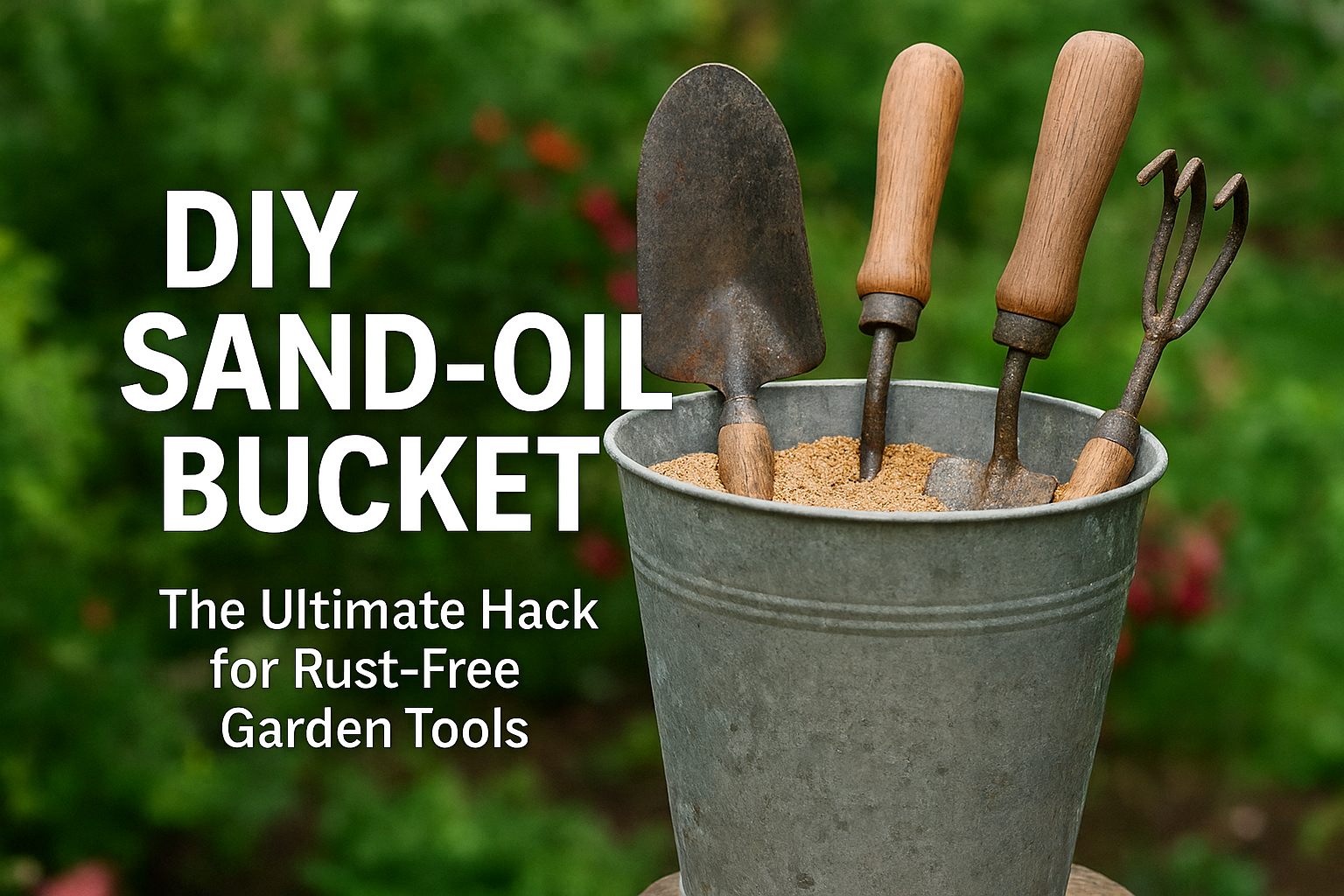
This low-cost method conditions blades every time you use them, making it ideal for busy gardeners.
Mix Sand and Oil for Rust Prevention
Fill a 5-gallon bucket with sand. Add 3-IN-ONE® Multi-Purpose Oil until the sand is moistened but not greasy. The oil coats the blade each time you insert or remove the tool, preventing rust even if cleaning was rushed.
Insert Tools Blade-First
Stick shovels, hoes, and trowels into the sand blade-first. The sand-oil mix cleans and protects the metal with every use. It’s especially effective for tools with minor nicks or incomplete sharpening.
Ideal for Winter and High-Moisture Climates
Store the bucket in a dry shed or garage. In areas with over 70 inches of annual rain, this method outperforms open racks. It’s perfect for “good enough” protection when perfect prep isn’t possible.
Repurpose a Pickup Truck Toolbox for Weatherproof Storage

A used aluminum toolbox offers durable, mobile, and pest-resistant storage for tools and supplies.
Install on Cinder Blocks for Elevation
Buy a used diamond-plated aluminum toolbox for around $75. Set it on cinder blocks to keep it off damp ground and create a convenient bench height. This prevents water pooling and makes access easier.
Store Long Tools and Supplies Together
The long design holds shovels, rakes, and hoes. The deep interior fits fertilizer bags, gloves, and sprayers. It’s mouse-proof and resists rust, rot, and UV damage—ideal for harsh or humid climates.
Turn It Into a Multi-Functional Station
Add hooks inside the lid for small tools. Place a cutting board on top to use as a prep station. This setup keeps everything dry and secure, even in high-rainfall zones like Japan’s Zone 9a/b.
Place 5-Gallon Buckets in Each Garden Zone
Bring storage to the tools, not the other way around—perfect for large or scattered garden areas.
Assign a Bucket to Every Garden Bed
Put a 5-gallon bucket with a lid in each planting zone. Stock it with essentials: pruners, gloves, trowel, hori hori knife, plant ties. Label buckets if multiple people use the garden.
Reduce Trips and Prevent Tool Loss
No more walking back to the shed for a quick weeding session. Tools stay where they’re used, cutting down on lost or misplaced items.
Protect from Rain and Pests
Use UV-resistant buckets and keep lids on. Elevate on a stone or pallet to avoid standing water. This system works year-round in mild climates.
Use Plastic Storage Drawers on the Porch for Hand Tools

Keep small tools organized and visible with a multi-drawer unit near your garden entrance.
Organize by Tool Type
Use a drawer unit like this:
• Drawer 1: Gloves
• Drawer 2: Trowels, weeders, hand shovels
• Drawer 3: Clippers, knives, sharp tools
Add a basket on top for quick toss-ins—great when interrupted mid-task.
Mount Near Entry Points
Place the unit on a back porch or beside the garden gate. Encourages immediate storage and prevents tools from migrating indoors.
Choose Outdoor-Rated Materials
Pick weather-resistant plastic or add a cover. Avoid storing fabric items like gloves outside—spiders and wasps often nest in dark folds.
Wear a Gardening Apron to Carry Tools

Keep hand tools on your person to avoid misplacing them in the soil or grass.
Carry Essentials While Working
Store pruners, gloves, a hori hori knife, and twine in the pockets. Protects your clothes and eliminates repeated trips to storage.
Hang It After Use
Mount a hook by the back door. The apron becomes a designated home for small tools, reducing loss—especially in multi-person households.
Choose Bright Colors for Visibility
Opt for red or orange fabric so you can spot it easily in the garden. Works well when multiple people are gardening.
Optimize Shed and Outbuilding Storage
Sheds only work if they’re dry, organized, and pest-free. Poor setup leads to rust, clutter, and frustration.
Keep Tools Off the Floor
Never place tools directly on concrete or soil. Use pallets or shelves to elevate them. Even plastic sheds can trap moisture, leading to rust.
Designate Usage Zones
Split your shed into areas:
• Daily use: Wall racks, buckets
• Long-term: Oiled tools in sand, covered shelves
• Power equipment: Lawnmowers in dry corners
This prevents clutter and makes finding tools faster.
Seal Gaps to Prevent Pests
Close openings to keep out wasps, mice, and spiders. Never store gloves or hats in sheds—dark folds attract pests. Check for nests before opening in spring.
Adapt Storage to Your Climate
Your local weather determines how aggressively you must protect tools.
Wet Climates (70+ Inches Rain)
Use weatherproof containers like metal toolboxes or sealed drawers. Avoid leaky greenhouses. Prioritize elevated, covered storage.
Hot, Sunny Areas
UV rays degrade plastic and wood handles. Store tools in shaded areas or use covers. A carport or covered porch beats an open patio.
Cold Winters
Bring in hoses and power tools. Store metal tools in dry, temperature-stable spaces. The bucket-of-sand method prevents freeze-related rust.
Prevent Theft and Misplacement
Visible tools are easy targets. Smart storage keeps them safe and accounted for.
Lock or Hide High-Value Tools
Store pruners, power tools, and quality gear in locked sheds or garages. Never leave tools in open yards overnight.
Use Bright Handles for Visibility
Choose tools with red or yellow grips—they’re easier to spot in grass or under leaves.
Establish a “Home” for Every Tool
Make it a rule: tools go back after each use. Use aprons, buckets, or wall hooks to create designated spots everyone respects.
Frequently Asked Questions About How to Store Garden Tools
How do I prevent rust on garden tools?
Wipe blades dry after use and apply a thin coat of 3-IN-ONE® oil. Store in a dry place off the floor. The bucket of sand with oil method provides ongoing rust protection.
Can I leave garden tools outside?
Yes, but only if stored in UV-resistant, lidded containers and elevated off the ground. Use covered buckets or metal toolboxes to block rain and pests.
What is the best way to store shovels and rakes?
Use a wall-mounted rack with 45-degree notched arms. Mount on studs, space runners 12 inches apart, and store handles cradled in the angled supports.
How do I organize hand tools like trowels and pruners?
Use plastic storage drawers on a porch or a golf cart-style organizer. Keep them near the garden entrance and assign each tool a specific spot.
Should I sharpen tools before storing?
Yes. Sharpening before storage ensures clean cuts next use and prevents plant damage. Use a whetstone for large blades and a handheld sharpener for pruners.
How can I stop tools from getting lost?
Use a gardening apron, zone-based buckets, or bright-colored handles. Create a habit of returning tools immediately after use.
Key Takeaways for How to Store Garden Tools
• Always clean, sharpen, and oil tools before storage—this trio prevents rust and extends life.
• Use wall-mounted racks for long tools and bucket systems for blade protection.
• Match your storage to your space: small yards benefit from vertical solutions, while large properties need zone-based buckets or mobile toolboxes.
Start with one system—like a bucket of sand or a wall rack—and build from there. The best storage is the one you’ll actually use. Keep tools dry, protected, and in designated spots, and they’ll stay sharp and ready for years.