You’ve heard the hype: mushroom compost boosts soil structure, retains moisture, and revitalizes tired garden beds. But if you’ve ever sprinkled it on top of your soil or planted seedlings directly into it, you might have seen poor germination, stunted growth, or even plant death. The truth? Mushroom compost is powerful—but only when used correctly.
Unlike regular compost, mushroom compost isn’t made from mushrooms. It’s the spent growing medium left after mushrooms are harvested—typically a blend of straw, manure, wood chips, and lime, broken down by fungal mycelium. This gives it a unique texture and chemistry that can improve soil like few other amendments. But it also comes with high pH levels, residual salts, and low nitrogen, making it risky if misapplied.
In this guide, you’ll learn exactly how to use mushroom compost in garden beds, containers, and lawns—without harming your plants. From soil prep to timing and plant compatibility, we’ll cover the dos, don’ts, and pro tips to get the most from this popular amendment.
Mix Mushroom Compost Into Soil, Not On Top
Why Surface Application Fails
Laying mushroom compost on top of garden soil may look tidy, but it creates a dense, compacted layer that blocks water and air penetration. This leads to shallow root systems, poor seed germination, and reduced microbial activity beneath the surface.
How to Incorporate It Properly
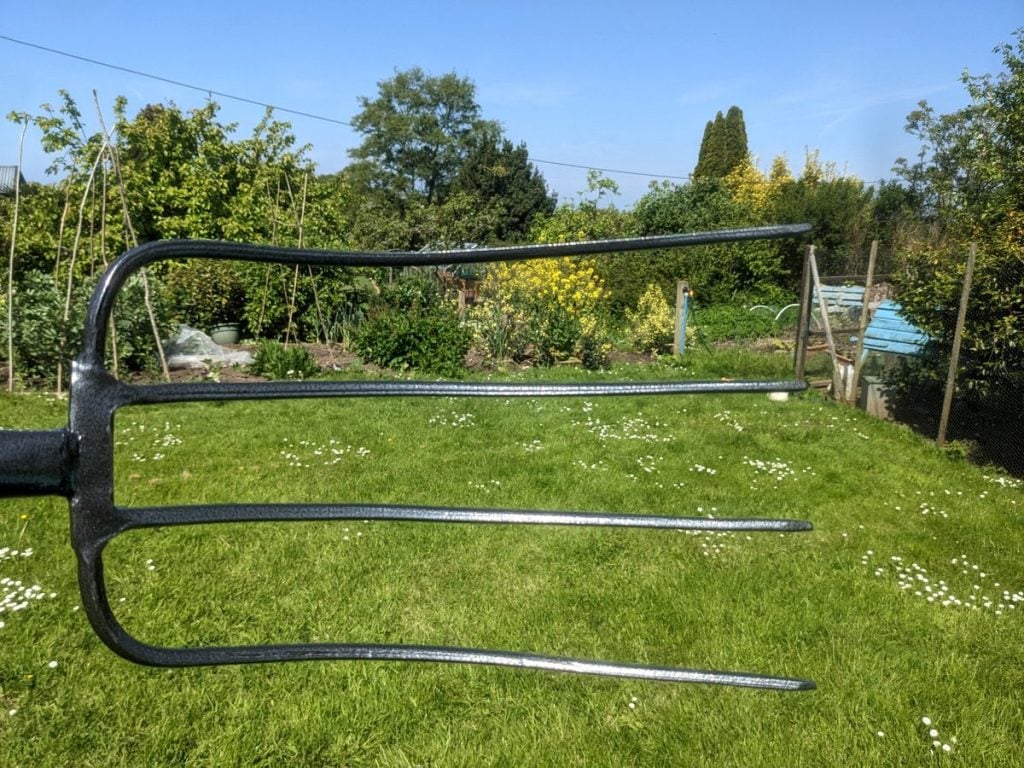
For effective results, blend mushroom compost into the top 6–8 inches of soil using a garden fork or tiller. Aim for a 30–50% compost-to-soil ratio, with 30% ideal for vegetables and flowers. This ensures even distribution without overwhelming your soil’s chemistry.
Pro Tip: Always mix thoroughly—this prevents salt pockets and allows roots to access improved texture and moisture retention.
Avoid Planting Seedlings Directly Into Fresh Mushroom Compost
Why Young Plants Struggle
Fresh mushroom compost has a high pH (7.0–8.0) and elevated levels of soluble salts. These conditions can burn tender roots and inhibit water uptake, leading to seedling shock, wilting, or death.
Safer Methods for Starting Seeds
- Use sterile seed-starting mix or balanced potting soil for germination.
- Transplant seedlings into mushroom compost-amended beds only after they develop strong root systems.
- For direct sowing (like carrots or beans), pre-mix compost into soil 2–4 weeks before planting to allow salts to leach out.
Warning: Never use fresh mushroom compost for acid-loving plants like blueberries or azaleas—these will fail to thrive.
Age Mushroom Compost Before Applying
How to Identify Unstable Compost
If your mushroom compost smells sour, ammonia-like, or sharp, it’s still “hot” and actively decomposing. This stage releases heat and ammonia gas, which can damage plant roots and kill beneficial soil microbes.
Steps to Cure Mushroom Compost
- Pile it in a shaded, well-drained area.
- Turn the pile every 7–10 days to aerate and speed decomposition.
- Moisten lightly if it dries out—keep it damp like a wrung-out sponge.
- Wait 2–6 weeks until it smells earthy and has a dark, crumbly texture.
Check Before Buying: Ask suppliers if the compost is fully pasteurized and stable. Reputable sources often age it before sale.
Keep Mushroom Compost Away From Acid-Loving Plants

Which Plants Are at Risk
Mushroom compost’s alkaline nature and lime content make it toxic to acid-loving species, including:
– Blueberries (need pH 4.5–5.5)
– Azaleas
– Rhododendrons
– Camellias
– Hydrangeas (for blue blooms)
These plants rely on acidic soil to absorb iron and manganese. Mushroom compost raises pH, locking up essential nutrients and causing yellowing leaves and weak growth.
Better Soil Options for Acid-Lovers
Use pine bark, peat moss, or leaf mold instead. If your garden bed contains mushroom compost, plant acid-lovers in raised mounds filled with acidic soil mix to avoid contact.
Improve Clay and Sandy Soils With Mushroom Compost
Break Up Heavy Clay Soil
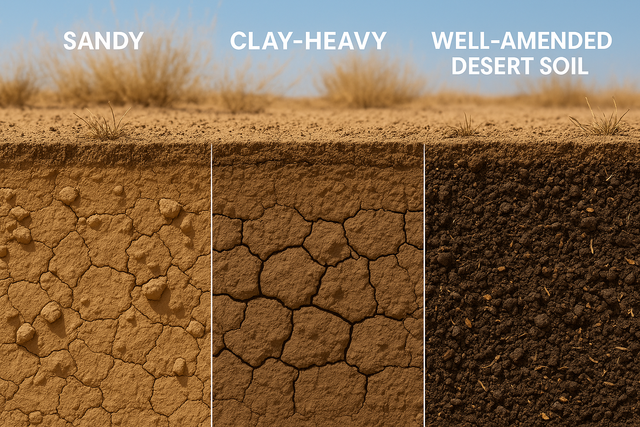
Clay compacts easily, restricting root growth and drainage. Mushroom compost loosens tight particles, enhancing:
– Aeration
– Drainage
– Root penetration
Apply 2–3 inches and mix deeply into the top 8 inches. Within one season, you’ll notice softer soil and fewer puddles after rain.
Enhance Sandy Soil Water Retention
Sandy soil drains too quickly, washing away nutrients. Mushroom compost acts like a sponge, holding moisture and minerals near plant roots.
Use 1–2 inches mixed into the top layer. Combine with composted manure for added fertility and long-term improvement.
Real-World Result: Gardens in dry climates report 30–50% less watering after amending with mushroom compost.
Never Use Mushroom Compost Alone in Garden Beds
Risks of Overreliance
Using mushroom compost exclusively year after year leads to:
– Salt accumulation
– Calcium dominance
– High pH levels
– Reduced microbial diversity
These imbalances reduce nutrient availability and harm plant health over time.
Rotate With Other Organic Amendments
Balance your soil by alternating mushroom compost with:
– Composted cow or horse manure (adds nitrogen)
– Leaf mold (improves texture, slightly lowers pH)
– Peat moss or coco coir (boosts water retention, adds acidity)
Ideal Cycle: Use mushroom compost one season, then switch to manure or leaf compost the next.
Understand That Mushroom Compost Is Not a Fertilizer
What It Provides—and What It Doesn’t
Mushroom compost excels at soil conditioning and moisture control, but it’s low in essential nutrients:
– Nitrogen (N): Very low—plants may yellow without supplementation
– Phosphorus (P): Moderate, but insufficient for heavy feeders
– Potassium (K): Present, but levels vary
It’s a soil enhancer, not a plant food.
When and How to Add Fertilizer
- For vegetables: Apply a balanced 10-10-10 or organic fertilizer after mixing in compost.
- For tomatoes, peppers, squash: Use a high-phosphorus bloom booster.
- For lawns: Top-dress with compost, then apply nitrogen-rich fertilizer for lush green growth.
Pro Tip: Test your soil every 2 years to monitor pH and nutrient levels.
Best Time to Apply Mushroom Compost
Optimal Seasons: Fall and Early Spring
- Fall application: Lets compost break down over winter, integrating naturally into soil.
- Early spring: Prepares beds before planting, especially if compost is aged.
Avoid applying fresh compost in midsummer—heat increases salt stress on plants.
Recommended Frequency
- Once per growing season is sufficient.
- Every 1–2 years for maintenance.
- Never more than 3 consecutive years without a break or soil test.
Safe Uses in Containers and Lawns
For Pots and Raised Beds
Mushroom compost can be used in containers only when mixed properly:
– 30% mushroom compost
– 60% potting soil
– 10% perlite or sand (for drainage)
Avoid using it in seedling trays or small pots—salts concentrate faster in confined spaces.
For Lawn Improvement
Use mushroom compost to level low spots or prepare soil before seeding:
1. Spread a ¼- to ½-inch layer over bare or thin areas.
2. Rake it in lightly.
3. Seed or lay sod.
4. Water gently to avoid runoff.
Don’t top-dress established lawns heavily—it can smother grass and block sunlight.
Compare Mushroom Compost With Other Soil Amendments

| Feature | Mushroom Compost | Composted Manure | Leaf Mold | Peat Moss |
|---|---|---|---|---|
| pH Level | 7.0–8.0 (alkaline) | 6.0–7.0 (neutral) | 5.5–6.5 (slightly acidic) | 3.0–4.5 (very acidic) |
| Salt Content | High | Low to moderate | Very low | None |
| Best For | Clay/sandy soil | Vegetables, heavy feeders | Acid-loving plants | Water retention |
| Nitrogen | Very low | High | Moderate | Low |
| Use Alone? | No | No | Yes, in moderation | Yes, with lime for balance |
Bottom Line: Mushroom compost is a specialist—not a universal fix.
Key Takeaways for Using Mushroom Compost Successfully
- Test your soil first—know your pH and salt levels before applying.
- Always mix into soil—never use as a top layer in garden beds.
- Age fresh compost 2–6 weeks to neutralize ammonia and salts.
- Avoid acid-loving plants—they cannot tolerate the high pH.
- Supplement with fertilizer—it doesn’t feed plants on its own.
- Rotate with other amendments—maintain long-term soil balance.
Final Thought: Mushroom compost can transform poor soil into thriving garden beds—but only when used wisely. Mix it in, use it in moderation, and pair it with the right plants and nutrients. Do that, and you’ll harness its full power without the pitfalls.
Frequently Asked Questions About Using Mushroom Compost
Can I use mushroom compost for vegetable gardens?
Yes, but only when mixed into soil at 30–50% and aged first. It improves moisture retention and soil texture, but you must add nitrogen fertilizer because it’s low in nutrients.
Is mushroom compost safe for tomatoes and peppers?
Yes, if blended into soil and not used alone. These plants benefit from its moisture-holding ability, but require extra phosphorus and nitrogen—so fertilize accordingly.
How much mushroom compost should I add to my garden?
Use 2–3 inches for clay soil or 1–2 inches for sandy soil, then mix into the top 6–8 inches. Never exceed a 50% compost-to-soil ratio to avoid salt and pH issues.
Can I use mushroom compost in pots?
Yes, but only as 30% of the mix. Combine with potting soil and perlite. Avoid using it in small containers or seed trays due to salt concentration.
Does mushroom compost kill weeds?
Not reliably. While the pasteurization process kills most weed seeds, some may survive. It’s not a substitute for mulch or weed barriers.
Can I use mushroom compost on my lawn?
Yes, for leveling low spots or preparing bare areas for seeding. Apply a ¼- to ½-inch layer, rake in, and seed. Avoid heavy top-dressing on established grass.