Neem oil is one of the most powerful organic tools available for gardeners fighting pests and fungal diseases. Extracted from the seeds of the Azadirachta indica tree, this natural solution has been used for over 2,000 years in agriculture and medicine. When you’re dealing with aphids on your roses, powdery mildew on cucumbers, or spider mites on tomatoes, how to use neem oil in garden effectively can make the difference between a thriving harvest and a failing crop.
Unlike synthetic pesticides, neem oil doesn’t just kill pests on contact—it disrupts their life cycle. The active compound, azadirachtin, interferes with insect feeding, molting, and reproduction. This means it works best as a preventive or early intervention tool, not a last-minute rescue. And because it’s biodegradable and safe for beneficial insects when used responsibly, it’s a top choice for eco-conscious gardeners.
But not all applications are equal. Many gardeners spray neem oil during the day and end up burning their plants. Others dilute it incorrectly or use low-quality products that lack potency. In this guide, you’ll learn exactly how to use neem oil in garden settings—whether through foliar sprays or soil drenches—so you get maximum protection with minimal risk.
Choose 100% Cold-Pressed Neem Oil
Why Purity Matters
Only 100% cold-pressed, unrefined neem oil delivers full pest and disease control. This method preserves azadirachtin and over 300 synergistic compounds that enhance effectiveness. Avoid refined, solvent-extracted, or “clarified hydrophobic extracts”—these lack key bioactive ingredients.
Check the label: it should say “100% pure,” “organic,” and “cold-pressed.” Anything less will underperform.
What to Avoid
• Refined oils: Stripped of azadirachtin during processing
• Synthetic additives: Reduce safety and efficacy
• Pre-mixed sprays: Often diluted beyond usefulness
Using low-quality neem oil is like watering your plants with tap water instead of fertilizer—you’re going through the motions, but nothing changes.
Apply Neem Oil as a Soil Drench for Systemic Protection
How Neem Soil Drench Works
When applied as a soil drench, neem oil is absorbed by roots and distributed systemically through the plant’s vascular system. Any insect that feeds on leaves, stems, or flowers ingests the compound and stops eating, molting, or reproducing.
This method turns your plant into its own defense system—no need for perfect leaf coverage.
Mix the Correct Soil Drench Ratio
Use this simple formula:
• 1–2 tablespoons of neem oil per gallon of water
• Add a few drops of mild liquid soap (optional, helps emulsify)
• Shake vigorously before pouring
Pour slowly at the base of each plant. Let the soil absorb it fully. One application protects for days—even weeks.
Benefits Over Foliar Spraying
• ✅ No leaf burn risk – apply any time of day
• ✅ Rainproof – watering won’t wash it away
• ✅ Long-lasting – fewer repeat applications
• ✅ Ideal for tall or dense plants – no need to reach every leaf
Apply once a week for 2–3 weeks during peak pest season, then stop. Overuse can stress plants.
Use Foliar Spray for Fast, Direct Pest Control
When to Use Foliar Spray
Foliar spraying works best for:
• Active infestations (aphids, mites, whiteflies)
• Fungal outbreaks like powdery mildew
• Quick knockdown needs
But timing and technique are critical.
Mix the Right Foliar Spray Recipe
For preventative spray (every 2 weeks):
• 1 tsp neem oil
• 1/3 tsp insecticidal or castile soap
• 1 quart warm water
For active infestation treatment:
• 6.5 oz neem oil
• 4 tsp soap
• 4 gallons warm water
Always mix soap into water first, then slowly add oil while stirring. Shake constantly during use—oil separates fast.
Spray at the Right Time of Day
Apply early in the morning or late evening. Never during midday sun. Neem oil acts like a magnifier under direct light, causing leaf scorch—especially in hot climates.
Wait 24 hours after rain to reapply. Dew or irrigation can wash off surface residue.
Target Hidden Pest Zones
Pests hide where you can’t see them. Focus on:
• Undersides of leaves
• Stem joints
• New growth and buds
Coat both sides of leaves thoroughly. Missed spots mean surviving pests.
Control Common Garden Pests with Neem Oil

Stop Aphids and Whiteflies from Spreading
These sap-sucking insects multiply fast. Neem oil disrupts their feeding and reproduction.
• Use soil drench to prevent new colonies
• Apply foliar spray every 5 days for 2–3 rounds during outbreaks
Spray at dusk for best results and minimal evaporation.
Eliminate Spider Mites and Mealybugs
Tiny but destructive. Neem suffocates eggs and repels adults.
• Spray at dusk with full leaf coverage
• Repeat weekly until gone
• Treat nearby plants—mites spread quickly
Wipe sticky mealybug clusters with a neem-soaked cotton swab for faster results.
Stop Caterpillars and Leaf Miners
Neem stops caterpillars from molting and feeding. It also prevents leaf miner larvae from developing inside leaves.
• Use soil drench for long-term control
• Spray young larvae early—large caterpillars may survive
Avoid spraying on milkweed or other host plants for butterfly larvae unless absolutely necessary.
Prevent and Treat Powdery Mildew Naturally

How Neem Oil Stops Fungal Growth
Powdery mildew appears as white, dusty spots on leaves. It thrives in humid, shaded areas.
Neem oil prevents spore germination and halts fungal growth.
Use this mix:
• 1 mL of 70% cold-pressed neem oil per liter of water
• Add a drop of soap
• Shake well before spraying
Apply to both leaf surfaces and stems every 7–10 days as a preventive. For active infections, treat weekly until clear.
Best results come when applied early—once mildew takes hold, removal becomes harder.
Protect Bees and Beneficial Insects
Is Neem Oil Safe for Pollinators?
Neem oil is safe for adult bees, butterflies, and ladybugs when used correctly. It doesn’t kill on contact and breaks down quickly in sunlight.
But caution is needed:
• ❌ Do not spray during bloom periods
• ❌ Avoid plants hosting pollinator larvae
• ✅ Use soil drenches near flowering plants—zero risk
The key is targeted application. Spray only affected areas, not entire beds.
Why Larval Stages Are at Risk
While adult beneficials are unharmed, larval forms (like ladybug or lacewing larvae) can be affected if they ingest treated tissue. Similarly, butterfly caterpillars are susceptible.
Use neem only when pests are present—not as a blanket treatment.
Avoid These 4 Common Neem Oil Mistakes

Applying in Full Sunlight
This is the #1 mistake. Spraying neem oil in direct sunlight causes phytotoxicity—leaves turn brown, curl, and die.
Always spray before 8 AM or after 6 PM, depending on your climate.
Over-Diluting the Mixture
Too much water reduces azadirachtin concentration, making neem ineffective. Stick to proven ratios.
If pests persist, check your mix—not your luck.
Skipping the Emulsifier
Neem oil doesn’t mix with water. Without an emulsifier (like castile or insecticidal soap), it beads up and runs off leaves.
Always include 1/3 to 1 tsp of mild soap per quart.
Forgetting to Shake the Sprayer
Oil separates within minutes. Shake your sprayer every few seconds during application. Otherwise, you’re spraying water half the time.
Use Neem Cake to Boost Soil Health and Prevent Pests
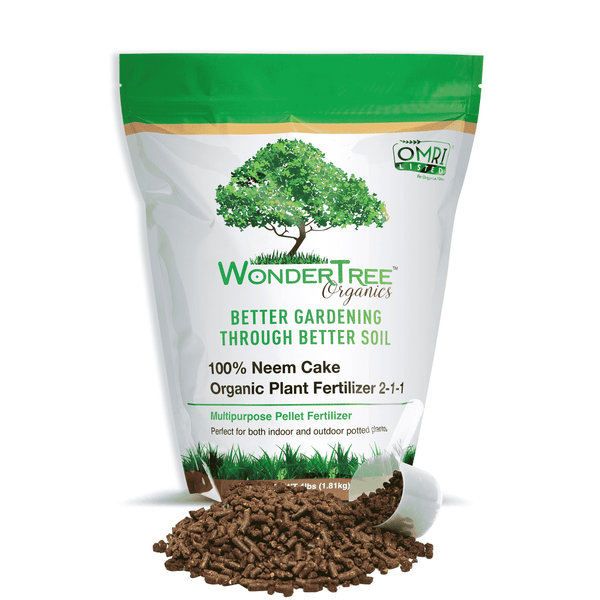
What Is Neem Cake?
After oil extraction, the leftover seed pulp becomes neem cake—a powerful organic fertilizer and soil conditioner.
It’s rich in nutrients and naturally pest-resistant.
Benefits of Neem Cake in Garden Soil
• NPK ratio: 5-1-1 – high in nitrogen, great for leafy growth
• Suppresses nitrifying bacteria – reduces nitrogen loss, increases availability
• Kills harmful nematodes – protects root systems
Unlike chemical fertilizers, neem cake feeds plants slowly and improves soil biology.
How to Apply Neem Cake
• Mix a handful into each planting hole before transplanting
• Or top-dress around established plants and lightly till in
• Water well to activate
Do not broadcast heavily—concentrate where roots will grow.
Build a Complete Organic Garden Defense System
Combine Neem Oil and Neem Cake
For total garden protection:
• Use neem cake at planting time to boost root health and deter soil pests
• Use neem oil drenches or sprays to protect foliage and prevent outbreaks
Together, they create a resilient, self-protecting ecosystem.
Seasonal Neem Application Schedule
• Start of season: Apply neem cake + first soil drench
• Mid-season: Monitor for pests; spot-spray as needed
• End of season: Final drench to break pest cycles
Prevention beats cure every time.
Store and Handle Neem Oil Properly
Maximize Shelf Life
Pure neem oil lasts 1–2 years if stored properly.
Keep in:
• A cool, dark place
• The original opaque container
• Away from children and pets
Avoid freezing or extreme heat—both degrade quality.
Clean Equipment After Use
Neem oil clogs sprayers. Rinse your bottle and nozzle with soapy water right after use.
Label your sprayer clearly—don’t confuse it with other chemicals.
Key Takeaways for Using Neem Oil in Garden
Neem oil is a proven, safe, and effective way to protect your garden naturally. Whether you choose soil drenches for systemic defense or foliar sprays for targeted control, using 100% cold-pressed oil correctly ensures success.
• Always use 100% cold-pressed, unrefined neem oil
• Apply soil drenches for long-lasting, weatherproof protection
• Spray only in early morning or late evening to avoid leaf burn
• Combine with neem cake for stronger plants and fewer pests
Now that you know how to use neem oil in garden settings the right way, you’re ready to grow healthier, chemical-free plants—with nature on your side.
Frequently Asked Questions About Using Neem Oil in Garden
Can I use neem oil on edible plants?
Yes, neem oil is safe for vegetables, herbs, and fruits when used as directed. Stop applications 1–2 days before harvest. Wash produce thoroughly before eating.
Does neem oil kill beneficial insects?
Neem oil does not harm adult bees, ladybugs, or butterflies. However, it can affect larval stages if they ingest treated leaves. Avoid spraying on pollinator host plants.
How often should I apply neem oil?
For prevention: every 7–14 days. For active infestations: every 5–7 days for 2–3 rounds. Soil drenches: once a week for 2–3 weeks max.
Why is my neem oil mixture separating?
Neem oil and water don’t mix naturally. Always add an emulsifier like castile soap. Shake the sprayer every few seconds during use.
Can neem oil burn my plants?
Yes, if applied in direct sunlight. The oil magnifies UV rays, causing leaf scorch. Always spray in early morning or late evening.
Can I use neem cake and neem oil together?
Yes. Neem cake fertilizes and protects roots, while neem oil defends foliage. Used together, they form a complete organic protection system.