Imagine stepping into your yard and seeing monarchs, swallowtails, and painted ladies flitting from flower to flower, their wings catching the morning sun. Creating a butterfly garden is more than just adding color to your landscape—it’s about building a living habitat that supports butterflies from egg to adult. The key? Planting both nectar-rich flowers for adult butterflies and host plants for caterpillars. With the right mix of plants, sunlight, and care, you can turn any outdoor space into a thriving butterfly haven—no matter your gardening experience.
Butterflies need food, shelter, and safe places to lay eggs. A successful butterfly garden provides all three. Unlike traditional flower beds that focus only on beauty, a true butterfly garden is designed with purpose: to nurture every stage of a butterfly’s life cycle. From the tiny eggs laid on leaves to the hungry caterpillars that munch on host plants, and finally to the nectar-sipping adults, each phase depends on specific plants and conditions. This guide will walk you through exactly how to create a butterfly garden that not only attracts but sustains these delicate pollinators—starting today.
Choose the Best Nectar Plants for Butterflies
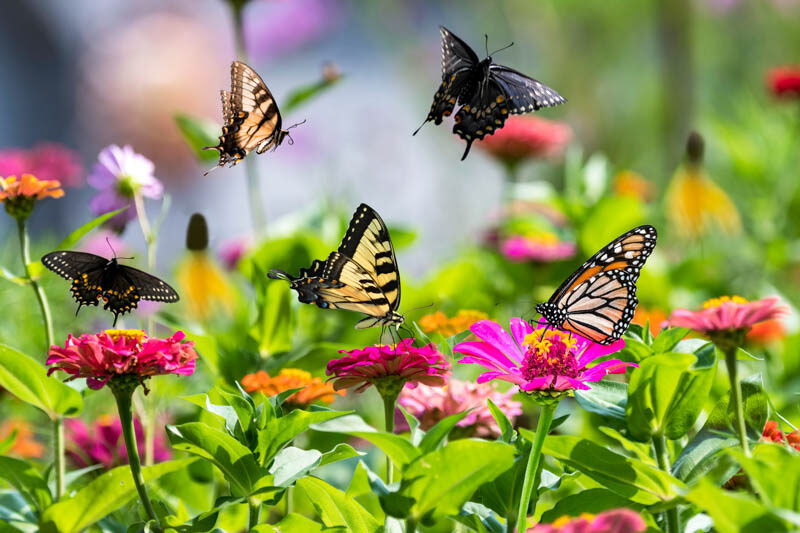
Adult butterflies rely on nectar to power their flight and reproduction. To keep them visiting your garden all season, select high-performing, long-blooming flowers that are proven butterfly magnets.
Pick Top-Performing Nectar Flowers
Butterflies are drawn to bright, flat-topped blooms that offer easy landing and rich nectar rewards. These five plants consistently attract the most visitors:
- Salvia – A top choice for swallowtails, skippers, and fritillaries
- Blanket flower (Gaillardia) – One of the earliest summer bloomers
- Echinacea (Purple Coneflower) – Drought-resistant and beloved by pollinators
- Garden phlox – Fragrant clusters that draw in butterflies late in the season
- Lantana – Heat-loving and packed with nectar, ideal for hot, sunny spots
These varieties are low-maintenance, widely available, and thrive in most U.S. growing zones.
Ensure Continuous Blooms from Spring to Fall
To support butterflies year-round, avoid planting only one or two types of flowers. Instead, stagger your bloom times so there’s always a food source available.
- Spring: Coreopsis and early salvia varieties kick off the season
- Summer: Blanket flower, coneflower, and phlox dominate
- Fall: Goldenrod and frost aster provide vital fuel for migrating monarchs
A garden with overlapping bloom cycles supports resident butterflies and long-distance travelers alike.
Plant Essential Host Plants for Caterpillars
Nectar feeds adult butterflies, but host plants are where the next generation begins. Without them, butterflies won’t lay eggs, and caterpillars won’t survive.
Why Caterpillars Only Eat Specific Plants
Most butterfly species have evolved to feed on just one or a few plant types. These specialized relationships are critical for survival.
- Monarch caterpillars eat only milkweed (Asclepias spp.)
- Black swallowtail larvae thrive on dill, parsley, and fennel
- Gulf fritillary caterpillars depend on passionflower vines
If the right host plant isn’t present, butterflies will bypass your garden completely.
Grow Milkweed to Support Monarch Butterflies
Milkweed is the only plant monarchs use for egg-laying and caterpillar development. It’s non-negotiable for any butterfly garden aiming to help this declining species.
The milky sap in milkweed contains cardiac glycosides—natural toxins that make monarchs distasteful to birds. This chemical defense is why their bright orange wings serve as a warning in nature.
Recommended milkweed types:
– Common milkweed (Asclepias syriaca) – Best for large, naturalized areas
– Swamp milkweed (A. incarnata) – Perfect for moist or wet soils
– Butterfly weed (A. tuberosa) – Drought-tolerant with vibrant orange flowers
Even a few plants can host multiple caterpillars and contribute to the monarch’s 3,000-mile migration.
Design a Functional and Attractive Layout
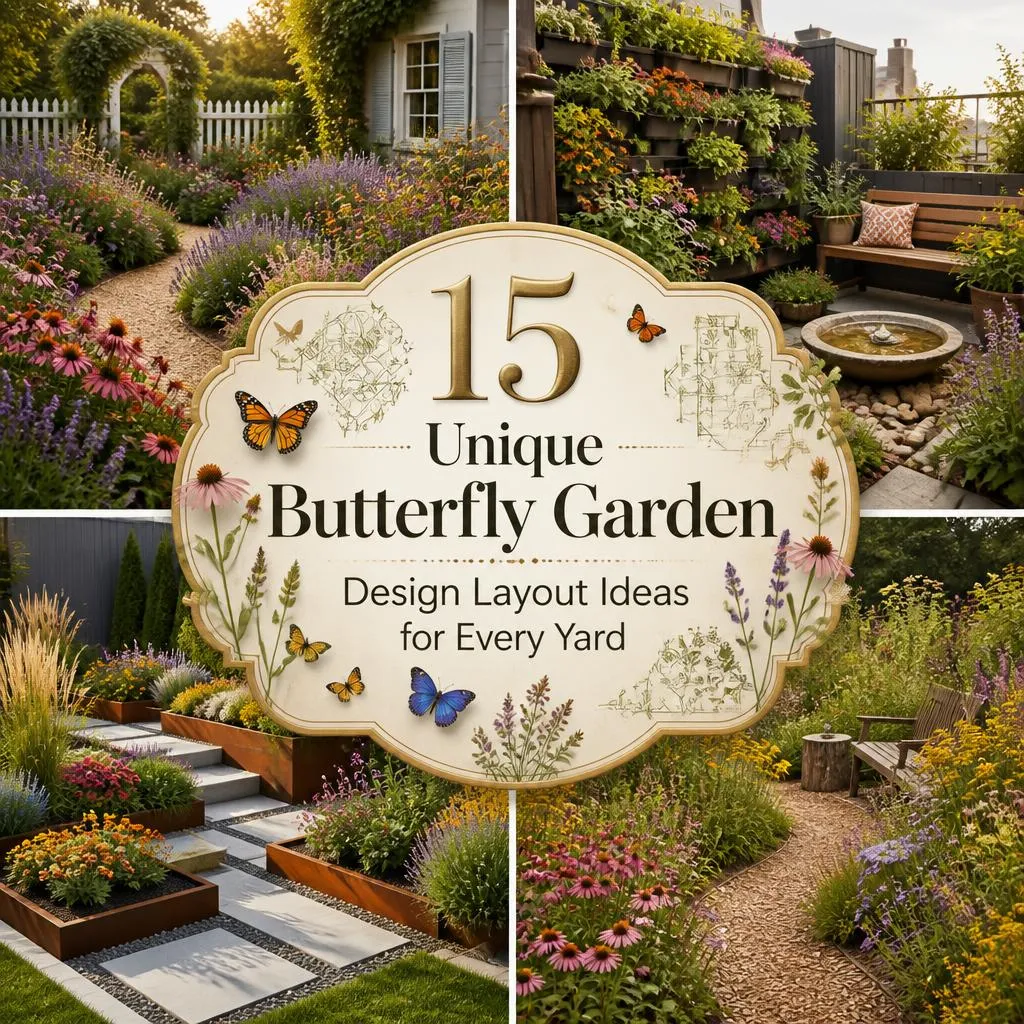
A well-planned butterfly garden isn’t just beautiful—it’s easy for butterflies to navigate and use.
Plant in Clusters for Maximum Visibility
Butterflies spot groups of flowers more easily than single plants. Plant in clusters of 3–5 of the same species to create a visual beacon.
For example:
– A patch of purple coneflowers stands out from a distance
– A group of bright orange butterfly weed acts like a signal
Clumping also improves pollination and reduces the energy butterflies spend searching for food.
Build Shelter with Layered Planting
Butterflies need protection from wind, rain, and predators. Use a mix of plant heights to create a layered habitat:
- Tall (3–5 ft): Joe-Pye weed or lantana for windbreaks
- Mid-height (1–3 ft): Coneflower, salvia, phlox
- Ground covers: Creeping thyme or sedum for resting spots
This structure mimics natural meadows and gives butterflies safe places to roost.
Select the Ideal Garden Location
The right location ensures your plants thrive and butterflies feel welcome.
Place Your Garden in Full Sun
Most nectar plants—and butterflies—require at least 6 hours of direct sunlight daily. Butterflies are cold-blooded and need warmth to fly and feed.
Avoid shady areas unless you’re using shade-tolerant species, which are rare in butterfly gardens.
Shield the Area from Strong Winds
While sun is essential, wind can make feeding difficult. Position your garden near a fence, hedge, or wall to create a sheltered microclimate.
Even a row of tall grasses or a low rock barrier can reduce wind enough to make your garden more inviting.
Eliminate Pesticides to Protect Butterflies
Chemical pesticides are one of the biggest threats to butterfly populations—even organic sprays can harm caterpillars.
Maintain a Chemical-Free Garden
Seeing chewed milkweed leaves? That’s a good sign: it means monarch caterpillars are feeding and growing.
Instead of using chemicals:
– Tolerate some leaf damage—it’s part of a healthy ecosystem
– Invite beneficial insects like ladybugs and lacewings to control pests
– Hand-pick larger pests like Japanese beetles if necessary
A pesticide-free space supports butterflies, bees, and other vital pollinators.
Prioritize Native Plants for Best Results
Native plants are the foundation of a successful butterfly garden.
Why Native Species Outperform Exotics
- Adapted to local soil, climate, and rainfall
- Support native butterfly species that evolved alongside them
- Require less water, fertilizer, and maintenance
For example, native milkweed supports monarchs far better than tropical milkweed (Asclepias curassavica), which can disrupt migration and spread disease.
Check with your local extension office or native plant society to find the best species for your region.
Add Water and Warmth Features

Butterflies need more than food—they also require water and warmth to survive.
Create a Butterfly Puddling Station
Butterflies sip moisture from damp soil in a behavior called puddling. Make a simple station:
- Use a shallow dish filled with sand and pebbles
- Keep it moist with regular watering
- Place it in a sunny, sheltered spot
Add a pinch of salt or compost to provide essential minerals.
Install Basking Stones for Warmth
Butterflies warm their bodies on sunlit surfaces. Place flat, dark-colored stones in sunny areas to serve as solar-powered basking spots.
These help butterflies become active earlier in the day, especially in cooler mornings.
Maintain Your Garden Across All Seasons
A butterfly garden thrives with light, consistent care throughout the year.
Spring: Prepare and Plant
- Clear winter debris
- Divide overcrowded perennials like coneflower or phlox
- Start milkweed early—it grows slowly at first
This is the best time to establish new plants.
Summer: Monitor and Encourage Growth
- Check milkweed for eggs and caterpillars
- Water during dry periods, especially young plants
- Deadhead spent blooms to extend flowering
Document your garden’s progress—many gardeners enjoy photographing butterfly development.
Fall: Support Migrating Butterflies
- Leave some plants standing for late-season nectar
- Delay cutting back milkweed until late fall or early winter
- Add frost aster or goldenrod to feed migrating monarchs
These late bloomers are critical for energy storage.
Winter: Plan and Protect
- Use downtime to plan next year’s additions
- Lightly mulch milkweed roots (avoid heavy coverage)
- Avoid disturbing stems or soil where chrysalises may be overwintering
Wait until spring to clean up—many pupae survive the winter on plant debris.
Join the Monarch Waystation Initiative
You can do more than attract butterflies—you can help conserve them.
What Is a Certified Monarch Waystation?
A monarch waystation is a garden that provides milkweed, nectar plants, and a chemical-free environment for monarchs during migration.
Organizations like the North Carolina Zoo and Monarch Watch encourage schools, parks, and homeowners to create these vital stopover habitats.
How to Certify Your Garden
- Plant at least 6–10 milkweed plants
- Include 3+ nectar species with staggered bloom times
- Avoid all pesticides
- Register with Monarch Watch (optional but encouraged)
Even a small balcony garden can qualify if it meets the basics.
Key Takeaways for Creating a Successful Butterfly Garden
Every butterfly garden starts with one simple step: planting the right combination of nectar and host plants. By choosing native species, avoiding pesticides, and designing with purpose, you create a sanctuary that supports butterflies at every life stage. Sunlight, water, and seasonal care keep your garden thriving year after year.
Start small—just one milkweed plant and one nectar flower can make a difference. Whether you have a backyard, patio, or community plot, your garden becomes part of a larger network helping butterflies survive and migrate. Begin today, because the journey of a thousand miles begins with a single planted seed.
Frequently Asked Questions About Creating a Butterfly Garden
What are the best plants for attracting butterflies?
The best plants include salvia, coneflower, blanket flower, lantana, and phlox for nectar, and milkweed, dill, fennel, and passionflower as host plants. Choose native varieties for best results.
How do I start a butterfly garden for beginners?
Start with one nectar plant and one host plant in a sunny spot. Avoid pesticides, water regularly, and add more plants over time. A pot of milkweed and coneflowers is a perfect starter combo.
Why is milkweed important for a butterfly garden?
Milkweed is the only plant monarch butterflies lay eggs on and the only food source for monarch caterpillars. It also provides natural protection through chemical defenses.
Can I create a butterfly garden in a small space or container?
Yes! Use containers with milkweed and nectar plants like lantana or salvia. Place them in full sun and keep them watered. Even a balcony can become a butterfly haven.
Do butterfly gardens need water features?
Butterflies don’t need birdbaths. Instead, provide a shallow puddling station with damp sand and pebbles. They sip moisture from wet soil, not open water.
Should I use tropical milkweed in my garden?
It’s best to avoid tropical milkweed (Asclepias curassavica). It can disrupt monarch migration and spread a harmful parasite. Opt for native milkweed species instead.