Knowing when to start planting a garden in Virginia can make the difference between a bountiful harvest and a season of struggle. With hardiness zones ranging from 6a in the mountains to 8b along the coast, planting times vary widely across the state. The key is aligning your sowing and transplanting schedule with your local frost dates and soil conditions. Whether you’re growing crisp lettuce in early spring or juicy tomatoes in summer, timing your planting correctly ensures healthier plants and bigger yields.
This guide gives you a clear, zone-by-zone breakdown of when to plant vegetables in Virginia, using the latest USDA Plant Hardiness Zone Map and frost date data. You’ll learn exactly when to sow cool-season crops like spinach and peas, when to transplant warm-season favorites like tomatoes and peppers, and how to extend your growing season with simple tools. We’ll also help you decide how much to plant based on your family’s needs—so you grow enough to enjoy, not so much that it goes to waste.
Find Your USDA Hardiness Zone in Virginia
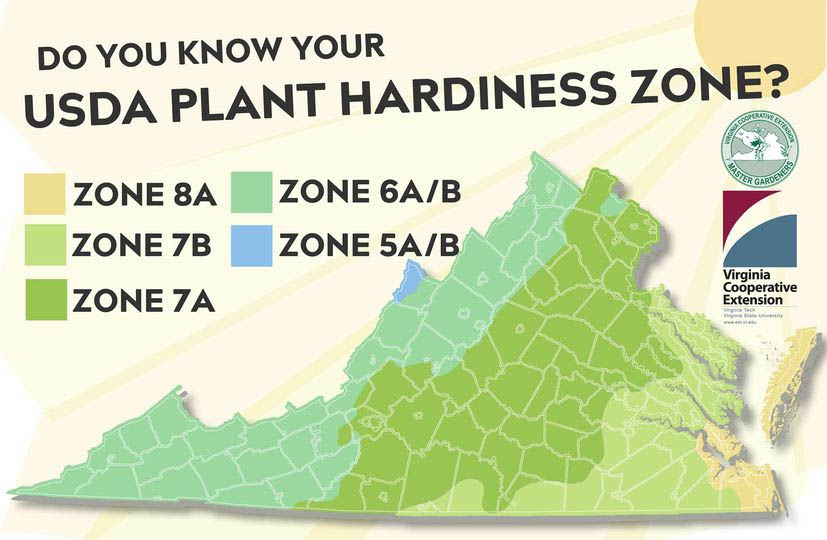
Use the USDA Zone Map to Pinpoint Your Area
Virginia spans USDA hardiness zones 6a to 8b, meaning planting windows can differ by up to six weeks across the state. Visit the USDA Plant Hardiness Zone Map to find your exact zone. Even within a single county—like Roanoke, which has four zones—planting dates can shift by 30 days due to elevation and microclimates. South-facing slopes warm faster, while low-lying areas may stay frost-prone longer.
Know Your Spring and Fall Frost Dates by Zone
Frost dates are the foundation for deciding when to start planting a garden. The average last spring frost and first fall frost determine your growing season length.
| Zone | Last Spring Frost | First Fall Frost |
|---|---|---|
| 6a | May 5–15 | Oct 5–15 |
| 6b | April 25–May 5 | Oct 5–15 |
| 7a | April 15–25 | Oct 15–25 |
| 7b | April 5–15 | Oct 25–Nov 5 |
| 8a | April 1–15 | Nov 1–15 |
| 8b | March 15–April 1 | Nov 15–25 |
Use these as general guidelines, but check local weather trends and adjust for your yard’s unique conditions.
Spring Planting Schedule by Virginia Zone
Zone 6a and 6b: Start Late March to July
Gardeners in zones 6a and 6b face a shorter spring window, with the last frost between April 25 and May 15.
- Late March–April: Sow cold-tolerant crops directly:
• Peas, radishes, spinach, mustard, and carrots
• Onions and potatoes can go in late March - April–May: Plant beets, lettuce, chard, and kohlrabi
- May–June: Wait until after frost to plant:
• Tomatoes, peppers, eggplant, squash, and beans
Pro tip: Use row covers to plant 2–4 weeks earlier and protect young transplants.
Zone 7a and 7b: Begin in Late February to August
With milder winters, zone 7 gardeners can start earlier and grow longer.
- February–March: Direct-sow peas, spinach, radishes, and onions
- March–April: Add beets, carrots, lettuce, and chard
- April–May: Transplant broccoli, cabbage, and cauliflower
- May–July: Set out tomatoes, peppers, cucumbers, and squash
Success tip: Succession plant lettuce, beans, and radishes every 2–3 weeks for continuous harvests.
Zone 8a and 8b: Plant from Mid-February to August
Southern Virginia’s long growing season allows for early and extended planting.
- February–March: Start asparagus, peas, spinach, beets, and onions
- March–April: Add lettuce, chard, kohlrabi, and early transplants
- April–July: Plant heat lovers: tomatoes, peppers, eggplant, okra, sweet potatoes
Bonus: Fall planting is viable for greens and root crops, especially with protection.
Fall Garden Planting by Zone
Zone 6a and 6b: July to Early September
Fall planting must beat the October frost.
- July: Sow bush beans, snap peas, and summer squash
- August: Plant beets, carrots, turnips, radishes, and spinach
- Late August–September: Direct-seed lettuce, mustard, and chard
Key: Choose fast-maturing varieties and use row covers to stretch the season.
Zone 7a and 7b: August to October
Longer falls allow more flexibility.
- August: Start broccoli, cabbage, cauliflower, and kale
- September: Sow beets, carrots, spinach, lettuce, and radishes
- October: Plant garlic (Oct 1–30) for next year’s harvest
Pro tip: Succession plant lettuce and radishes every 2–3 weeks for fresh greens into November.
Zone 8a and 8b: September to November
The mildest zones can garden well into winter.
- September: Plant broccoli, cabbage, kohlrabi, turnips, and beets
- October: Sow carrots, spinach, lettuce, and mustard
- November: Plant garlic (Oct 15–Nov 15) and overwinter onions
Advantage: With cold frames, you can harvest greens all winter.
Cool-Season vs. Warm-Season Crops: What to Plant When
Cool-Season Crops: Start Early, Tolerate Frost
These thrive in cooler temps and can handle light frost.
| Crop | Best Planting Time | Notes |
|---|---|---|
| Peas | Feb 20–Apr 10 (Zone 8b) | Direct seed early |
| Spinach | Feb 10–Apr 10 (Zone 8b) | Sow every 2 weeks |
| Lettuce | Mar 1–May 1 (Zone 8a) | Multiple plantings |
| Radishes | Feb 10–Apr 10 (Zone 8b) | Ready in 30 days |
| Carrots | Feb 20–Apr 1 (Zone 8b) | Thin for best roots |
Pro tip: Use shade cloth in late spring to prevent bolting as temperatures rise.
Warm-Season Crops: Wait for Warm Soil and No Frost
These need frost-free weather and soil temperatures above 60°F.
| Crop | Best Planting Time | Notes |
|---|---|---|
| Tomatoes | Apr 10–Jul 1 (Zone 8b) | Transplants only |
| Peppers | Apr 10–Aug 10 (Zone 8b) | Need warmth to fruit |
| Cucumbers | Apr 1–Jul 1 (Zone 8b) | Direct seed or transplant |
| Squash | Apr 1–Jul 1 (Zone 8b) | Watch for squash bugs |
| Okra | Apr 10–Aug 10 (Zone 8b) | Loves heat |
| Sweet Potatoes | Apr 20–Jul 20 (Zone 8b) | Plant slips, not seeds |
Warning: Never plant warm-season crops before the last frost without protection.
Extend Your Growing Season with Simple Tools
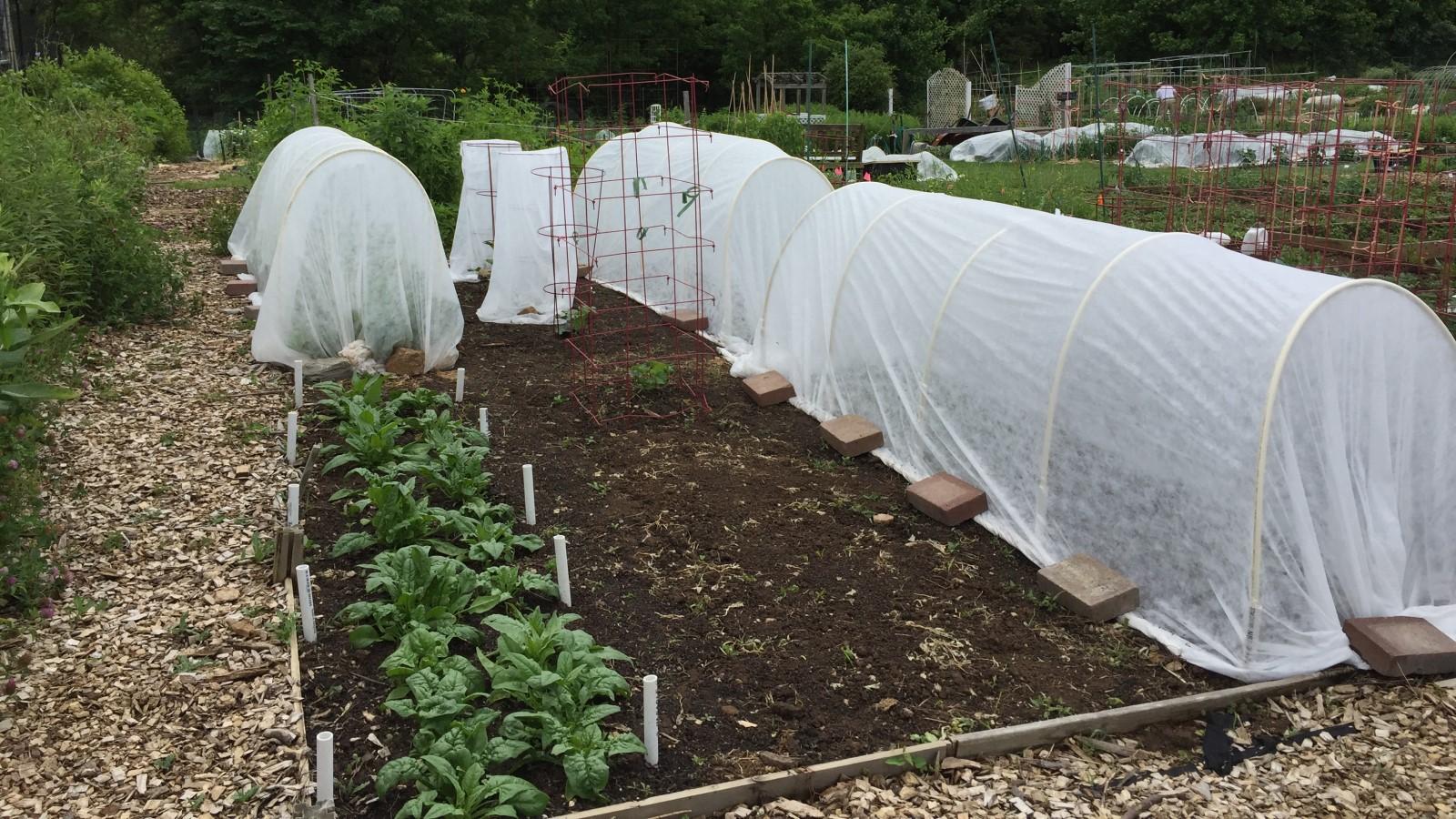
Use Row Covers and Cold Frames Effectively
Row covers and cold frames can extend your planting window by 2–4 weeks in spring and fall.
- Row covers: Lightweight fabric that protects from frost and pests
- Cold frames: Enclosed boxes with transparent tops that trap heat
Best uses:
• Cover early lettuce, spinach, and peas in March
• Protect tomato transplants in April
• Extend fall kale and chard into December
Tip: Ventilate on sunny days to prevent overheating.
Start Seeds Indoors for Long-Season Crops
For tomatoes, peppers, and eggplant, start seeds indoors 6–8 weeks before transplanting.
- Tomatoes: Start late February (Zone 8b) to early April (Zone 6a)
- Peppers: Start 8 weeks before last frost
- Eggplant: Start 8–10 weeks early
Success strategy: Harden off seedlings over 7–10 days before planting outside.
How Much to Plant for Your Family

Match Crop Quantity to Household Size
Table 5 from the Virginia guide helps estimate how many plants to grow per person.
| Crop | Plants per Person | Harvest Style |
|---|---|---|
| Tomatoes | 2–4 plants | Continuous harvest |
| Lettuce | 5–10 plants | Multiple cuttings |
| Carrots | 10–30 plants | One-time harvest |
| Bush Beans | 10 plants | Succession planting |
| Spinach | 15 plants | Cut-and-come-again |
| Peppers | 3–5 plants | Prolonged fruiting |
Adjustment: Children may need half the amount. Plant extra if canning or freezing.
Space Plants for Health and Yield
Proper spacing prevents disease and maximizes harvests.
| Crop | In-Row Spacing | Between Rows |
|---|---|---|
| Carrots | 1.5–2 in (thinned) | 6–12 in |
| Tomatoes | 18–36 in | 36–50 in |
| Lettuce | 6–10 in | 10–18 in |
| Winter Squash | 2–4 ft | 3–10 ft |
| Radishes | ¾–1 in | 6–12 in |
Tip: Closer in-row spacing works with wider between-row gaps for easier weeding.
Maximize Harvests with Succession Planting
Stagger Plantings Every 2–3 Weeks
Succession planting ensures a continuous supply of fast-growing crops.
Crops to succession plant:
• Lettuce
• Radishes
• Spinach
• Bush beans
• Carrots
• Beets
Example: Plant radishes every 2 weeks from March to September (Zone 8b) for year-round harvests.
Mix Early, Mid, and Late Varieties
Choose varieties with different maturity dates:
• Early: ‘Boltardy’ beet (50 days)
• Main season: ‘Nantes’ carrot (65 days)
• Late: ‘Winter Keeper’ cabbage (90 days)
This spreads out harvests and reduces gluts.
Avoid These Common Planting Mistakes
Don’t Plant Too Early in Cold Soil
Even if the calendar says spring, cold soil can stunt growth or kill seedlings.
Risks:
• Tomato transplants set out too early may not recover
• Seeds like corn and squash rot in cold, wet soil
• Peppers grow slowly below 60°F
Solution: Wait until soil temperature reaches:
• 55°F for peas, lettuce
• 60°F for beans, carrots
• 65°F+ for tomatoes, peppers, cucumbers
Use a soil thermometer for accuracy.
Don’t Overcrowd Your Garden
Overplanting leads to poor air circulation, disease, and small yields.
Fix: Follow spacing guidelines and thin seedlings early.
Watch for: Crowded carrots, beets, and radishes—thin to proper spacing for root development.
Prepare for Next Year’s Garden Now

Rotate Crops to Prevent Disease
Avoid planting the same family in the same spot each year.
Rotate by family:
• Tomatoes, peppers, eggplant → Solanaceae
• Cabbage, broccoli, kale → Brassicaceae
• Carrots, parsley → Apiaceae
• Squash, cucumber → Cucurbitaceae
Benefit: Reduces soil-borne diseases and nutrient depletion.
Add Organic Matter After Harvest
After pulling crops, amend soil with compost or cover crops.
Best cover crops for fall:
• Clover (nitrogen fixer)
• Rye (weed suppressor)
• Vetch (soil builder)
Till in spring for richer, healthier soil.
Frequently Asked Questions About When to Start Planting a Garden
When should I start my garden in Virginia?
Start cool-season crops like peas and spinach as early as late February in zone 8b, or wait until April in zone 6a. Warm-season crops like tomatoes should be planted after the last frost—typically May 10 in zone 6a, April 20 in zone 7b, and April 1 in zone 8b.
What vegetables can I plant now in Virginia?
If it’s early spring, plant peas, spinach, radishes, and onions. In late spring, focus on tomatoes, peppers, and squash. In fall, sow beets, carrots, lettuce, and garlic depending on your zone.
Can I plant a fall garden in Virginia?
Yes, especially in zones 7 and 8. Plant broccoli, cabbage, carrots, and spinach in August to October. Use row covers to extend the season into winter.
How do I know when my soil is warm enough to plant?
Use a soil thermometer. Most warm-season crops need soil at 60°F or warmer. Cool-season crops like peas and lettuce can go in at 55°F.
How many tomato plants do I need for a family of four?
Plant 8–16 tomato plants (2–4 per person). Choose a mix of early, mid, and late-season varieties for a steady harvest.
Should I start seeds indoors or buy transplants?
Start tomatoes, peppers, and eggplant indoors 6–8 weeks before transplanting. For fast-growing crops like beans and carrots, direct seeding is easier and more effective.
Key Takeaways for When to Start Planting a Garden in Virginia
Knowing when to start planting a garden in Virginia depends on your USDA hardiness zone, frost dates, and crop type. Cool-season crops go in early—from February in the south to April in the north—while warm-season crops must wait until after the last frost. Use succession planting, proper spacing, and season extenders like row covers to maximize harvests. With the right timing and planning, you can enjoy fresh vegetables from early spring through late fall—or even year-round in zones 8a and 8b.