You step into your garden and want to be surrounded by color, fragrance, and a sense of wild abundance—where flowers tumble over one another, bees hum from bloom to bloom, and every corner feels like a secret waiting to be discovered. That’s the magic of a cottage garden: lush, romantic, and alive with movement. But don’t be fooled by its carefree look—a beautiful cottage garden is designed, not accidental. It thrives on structure hidden beneath the chaos, repetition that soothes the eye, and plants chosen for resilience as much as beauty.
Designing a cottage garden isn’t about perfection—it’s about rhythm, scent, seasonal flow, and embracing change. Unlike formal gardens with crisp edges and symmetrical layouts, cottage gardens lean into the natural tendencies of plants: self-seeding, spreading, and surprising you where they pop up. The key is to guide that wildness with smart layering, color harmony, and anchor plants that hold everything together. In this guide, you’ll learn how to build a cottage garden that feels effortless but is thoughtfully planned—from layout and plant selection to year-round bloom and low-maintenance sustainability.
Reject Formality and Embrace the Cottage Garden Mindset
Ditch Straight Lines for Curved, Natural Borders
Cottage gardens thrive on whimsy, not precision. Avoid rigid edges and geometric shapes—they clash with the style’s soul. Instead, use gently curving bed lines that mimic nature’s flow. If your space has a straight fence or path, soften it by letting perennials spill over. This creates the illusion of endless growth and invites exploration.
Adopt the “Motel Theory” of Planting
Think of your garden as a plant motel—plants check in, stay if they like it, and leave when they don’t. A foxglove appearing three feet from where you sowed it? That’s not a mistake—it’s nature’s surprise. Let volunteers grow, move them, or remove them if they block a path. This mindset frees you from control and turns gardening into a joyful, evolving process.
Build Visual Depth with Strategic Layering
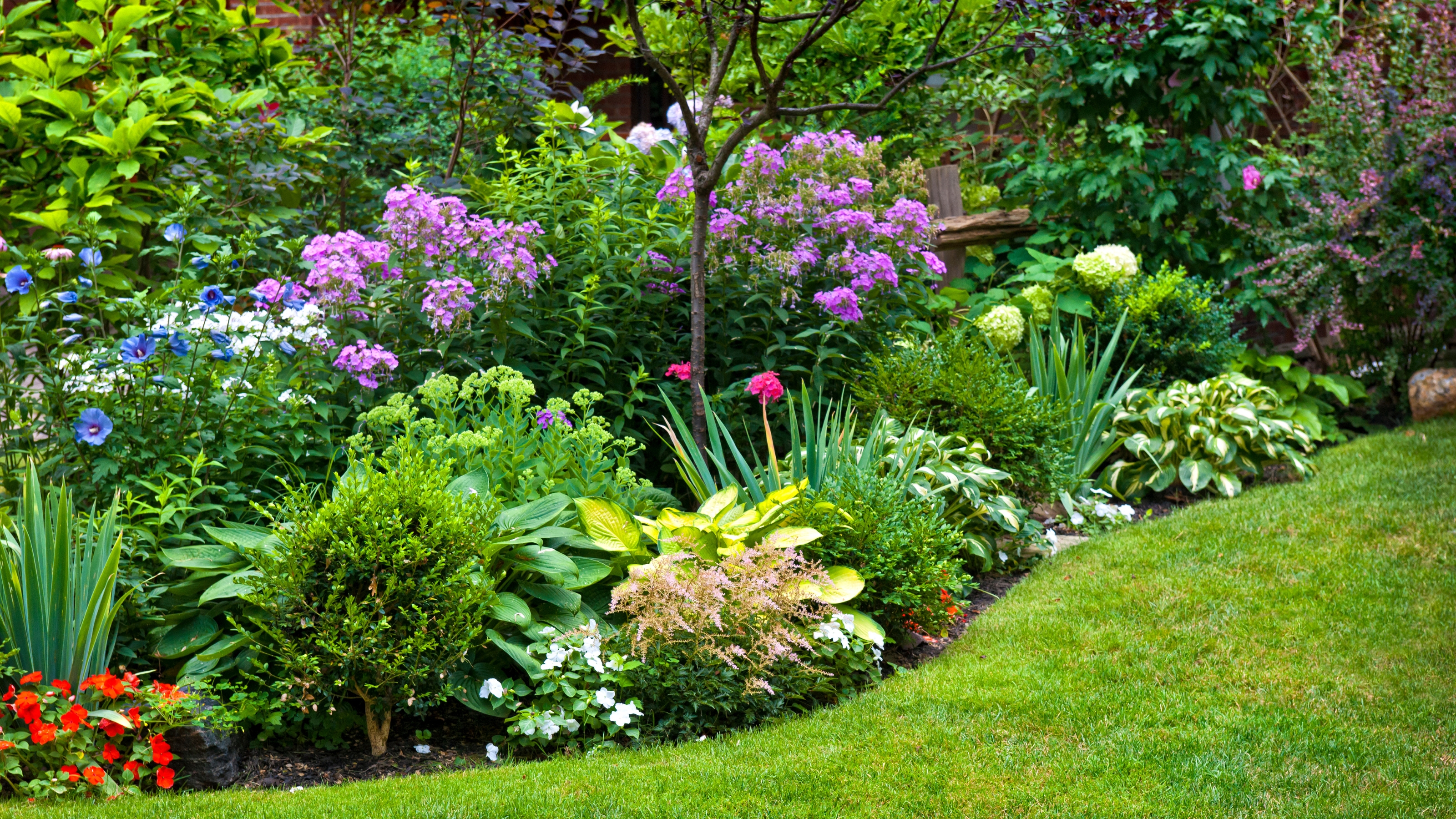
Back Layer: Anchor with Height and Structure
Start with tall plants at the rear to form the backbone of your border. These provide vertical drama and year-round presence.
- Shrub roses like Rose ‘The Lady Gardener’ offer fragrant, repeat blooms.
- Foxgloves (Digitalis) and delphiniums add spiky elegance in late spring.
- Ornamental grasses sway in the wind, adding movement.
- Evergreens or painted fences serve as permanent backdrops.
Pro tip: Stagger tall plants slightly forward or back instead of lining them up. This creates depth and a more natural rhythm.
Middle Layer: Create Waves of Continuous Color
This is the heart of your garden—where long-blooming perennials shine in soft, flowing drifts.
- Coneflowers (Echinacea) bloom from summer into fall and attract pollinators.
- Shasta daisies bring cheerful white-and-yellow flowers in early summer.
- Salvia offers spikes of blue, purple, or red that hummingbirds love.
- Peonies deliver lush, fragrant blooms in late spring.
- Black-eyed Susans and asters keep color strong into autumn.
Plant in groups of 3, 5, or 7—not singles. Larger sweeps create visual rest and prevent a cluttered “dot-to-dot” look.
Front Layer: Soften Edges with Spillers and Mounders
The front should blur the line between garden and path. Use low-growing plants that drape, creep, or mound.
- Nepeta (catmint) is a cottage garden staple—drought-tolerant, fragrant, and long-blooming.
- Creeping phlox carpets the ground in spring with pink or white blooms.
- Sedums add late-season color and texture.
- Sweet alyssum spills over edges with tiny, honey-scented flowers.
Visual cue: Avoid upright plants at the front. Look for those that naturally spill or spread.
Repeat Key Plants for Rhythm and Unity
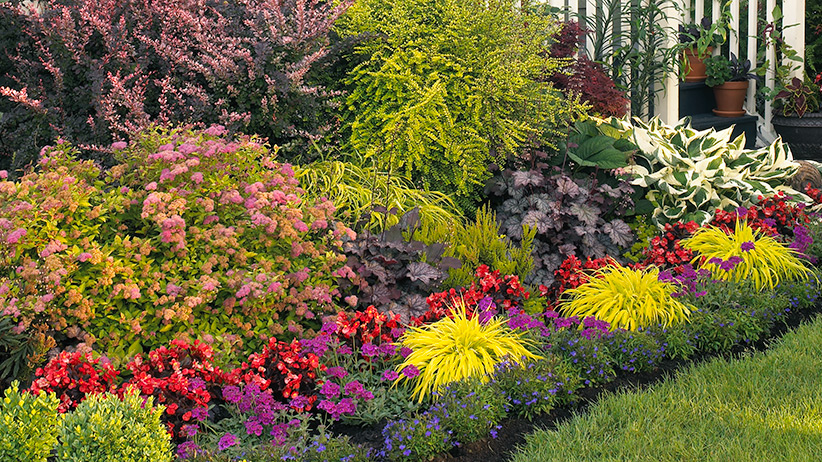
Use Repetition to Guide the Eye
Planting “one of everything” creates visual noise. Instead, repeat a few standout plants throughout your border.
- Place nepeta along the front edge in three different spots.
- Dot coneflowers across the middle layer.
- Repeat a fragrant shrub rose every few feet in the back.
Repetition creates rhythm, makes the garden feel intentional, and ties distant areas together—even when it looks wild.
Choose Anchor Plants as Your Garden’s “Bones”
Anchor plants are the structural constants that give your garden identity. They’re often shrubs, roses, or grasses that stay put.
- Rose ‘The Lady Gardener’—with apricot blooms and sweet scent—was used as an anchor in one successful design, repeated three times.
- Evergreen shrubs provide winter form.
- Ornamental grasses add movement and texture year-round.
These anchors stabilize the design, even as annuals and biennials come and go.
Plant Densely for Fullness and Weed Suppression
Ignore Plant Tag Spacing Guidelines
In a cottage garden, tight planting is essential. Pack plants closer than their tags suggest.
- Allow them to grow into each other over time.
- Fill gaps quickly and reduce bare soil.
Why it works:
• Shaded soil means fewer weeds
• Creates lushness in one or two seasons
• Encourages self-seeding by protecting seedlings
Warning: Don’t mix plants with wildly different water or sun needs. Pair companions wisely.
Welcome Self-Seeding and Natural Movement
Many cottage stars—like foxgloves, nepeta, and yarrow—self-seed freely. This is a feature, not a flaw.
- Let poppies and cosmos drop seeds where they will.
- Watch for foxglove seedlings in spring and transplant or remove as needed.
- Mark walkways to avoid unwanted volunteers.
Key tip: Don’t weed everything. Learn to recognize seedlings of your favorite plants and let them stay.
Design for Color Harmony and Fragrance

Choose a Unified Color Palette
Without color harmony, a cottage garden can feel chaotic. Pick a cohesive palette that flows from one plant to the next.
- Soft scheme: Pinks, peaches, creams, with touches of lavender and blue.
- Cool scheme: Blues, purples, and whites for a calming effect.
- Hot scheme: Reds, oranges, and yellows for bold energy.
Pro tip: Sketch your border or use a garden design app to test color combos before planting.
Prioritize Fragrant Plants for Sensory Appeal
A cottage garden should smell as good as it looks. Fragrance draws you in and keeps you lingering.
Top picks:
• Roses (especially old-fashioned and shrub types)
• Lavender (drought-tolerant and bee-friendly)
• Sweet peas (climb trellises with perfume)
• Sweet alyssum (tiny but powerfully scented)
Gardener’s trick: Smell plants at the nursery. If it doesn’t scent up close, it won’t in the garden.
Plan for Year-Round Bloom and Interest

Map Bloom Times for Continuous Color
A great cottage garden never goes silent. Plan for flowers in every season.
| Season | Key Bloomers |
|---|---|
| Early Spring | Tulips, daffodils, hyacinths, creeping phlox, alliums |
| Late Spring | Foxgloves, peonies, irises |
| Summer | Roses, coneflowers, salvia, yarrow, black-eyed Susans |
| Fall | Asters, sedum, mums, Japanese anemone, ornamental grasses |
Action step: Sketch a simple bloom calendar. If you notice a gap in July, add more salvia or shasta daisies.
Use Foliage for Off-Season Appeal
Flowers fade, but foliage carries the garden through quiet months.
- Heuchera (Coral Bells) offers silver, purple, or lime leaves that last all year.
- Ornamental grasses turn golden in fall and add winter structure.
- Evergreen herbs like rosemary or lavender provide greenery in cold months.
Design rule: For every flowering plant, consider a foliage companion.
Keep Maintenance Low and Natural
Choose Resilient, Low-Care Plants
The best cottage gardens take care of themselves. Select plants that:
• Tolerate heat, drought, or poor soil
• Resist pests and diseases
• Bloom for long periods with little deadheading
Examples: yarrow, nepeta, coneflowers, sedum.
Work With Nature, Not Against It
- Mulch lightly with compost or leaf mold to retain moisture and feed soil.
- Avoid over-pruning—let plants express their natural shape.
- Skip chemical fertilizers—rich soil encourages leggy growth and fewer blooms.
Myth bust: A cottage garden doesn’t mean no maintenance. It means smart maintenance—working with nature, not against it.
Let Your Cottage Garden Evolve Over Time
Be Patient—Gardens Aren’t Built in a Year
Your cottage garden won’t look “finished” in year one. It takes time for plants to fill in and rhythms to emerge.
- Year one: Focus on structure and anchor plants.
- Year two: Add more color waves and fill gaps.
- Year three: Watch the garden come alive with natural movement.
Reminder: A garden is never done. It’s a living, breathing space that evolves with you.
Embrace the Surprises
Let plants surprise you. A volunteer poppy in the path? Maybe it’s meant to be there. A foxglove where you didn’t plant it? Embrace it. Remove only what truly clashes or blocks access.
Final thought: The most beautiful cottage gardens aren’t perfect. They’re full of life, scent, color, and a little chaos—exactly as nature intended.
Frequently Asked Questions About Cottage Garden Design
What makes a garden a “cottage garden”?
A cottage garden is informal, abundant, and layered, with flowers spilling into one another. It emphasizes fragrance, color harmony, self-seeding plants, and a relaxed, natural look—achieved through repetition, dense planting, and strategic layering, not chaos.
Should I follow plant spacing guidelines in a cottage garden?
No. Plant more densely than recommended on tags. Tight planting creates fullness quickly, suppresses weeds, and supports self-seeding. Just ensure plants have similar sun and water needs to avoid competition.
How do I keep my cottage garden from looking messy?
Use repetition, color harmony, and anchor plants to create unity. Plant in groups, not singles. Repeat key species. Choose a cohesive color palette. Let structure shine beneath the abundance.
Which plants are essential for a cottage garden?
Top picks include shrub roses, nepeta, coneflowers, foxgloves, salvia, sweet peas, lavender, and heuchera. These offer bloom, fragrance, texture, and resilience—hallmarks of the style.
How do I plan for year-round interest?
Combine seasonal bloomers with evergreen foliage and ornamental grasses. Use a bloom calendar to fill gaps. Include plants like heuchera and rosemary for winter color and structure.
Can I have a low-maintenance cottage garden?
Yes. Choose resilient, self-sustaining plants that tolerate local conditions. Let some self-seed. Mulch lightly. Avoid over-pruning. The goal is a garden that thrives with minimal intervention.
Key Takeaways for Designing a Self-Sustaining Cottage Garden
A cottage garden that feels wild but works beautifully isn’t accidental—it’s carefully designed. By layering plants, repeating key species, and planning for bloom and fragrance, you create a space that’s both romantic and resilient.
Start with anchor plants and curves. Plant densely. Repeat favorites. Let nature help. And above all, be patient. Your garden will grow not just in size, but in soul—becoming a living, evolving sanctuary of color, scent, and joyful imperfection.