
You’ve dreamed of stepping into a backyard bursting with color, fragrance, and fluttering pollinators—but turning that vision into reality starts long before you plant the first bloom. Knowing how to design a flower garden the right way ensures your space thrives across seasons, not just survives. It’s about more than picking pretty flowers; it’s smart planning around sunlight, soil, spacing, and seasonal flow.
In this guide, you’ll learn how to design a flower garden that balances beauty with practicality. From choosing the perfect spot to selecting plants that bloom in sequence and arranging them for visual harmony, every step builds toward a low-maintenance, high-impact display. Whether you’re a beginner or refreshing an existing bed, these proven strategies will help you create a garden that wows year after year.
Choose the Best Spot for Your Flower Garden
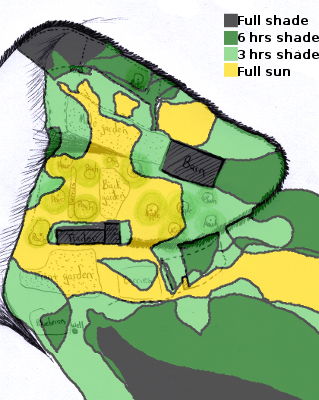
Track Sunlight Patterns Throughout the Day
Most flowering plants need at least 6 hours of direct sun daily. Spend 2–3 days observing your yard to map out full-sun, partial-shade, and full-shade zones. South- and west-facing areas typically get the most light, while north-facing spots and areas under trees stay cooler.
Sun-loving flowers like lavender, coneflowers, and black-eyed Susans need open, sunny locations. For shadier areas, choose impatiens, hostas, or foxgloves. Using a notebook or garden app to log light changes helps you match plants to their ideal conditions.
Test and Improve Your Soil
Healthy blooms start with healthy soil. Most flowers thrive in well-draining, loamy soil with a pH between 6.0 and 7.0. Do a simple squeeze test: damp soil that holds shape but crumbles slightly is ideal. If it stays in a tight ball, it’s clay-heavy; if it falls apart instantly, it’s sandy.
For accurate results, use a home soil test kit or send a sample to your local extension office. Amend accordingly:
• Clay soil: Mix in compost or perlite for better drainage
• Sandy soil: Add peat moss or aged manure to retain moisture
• Acidic soil (low pH): Apply garden lime
• Alkaline soil (high pH): Use elemental sulfur
Avoid fresh manure—it can burn roots and introduce harmful bacteria.
Avoid Problem Areas
Steer clear of low spots where water collects after rain—these can suffocate plant roots. Also avoid planting near large trees, whose roots steal water and nutrients. If placing beds near your home, leave 12–18 inches of clearance for airflow and future growth.
Create a Functional and Attractive Garden Layout

Sketch Your Garden Design to Scale
Start with a rough sketch of your yard or planting area. Include existing features like walkways, trees, and structures. Use graph paper or a free garden planner app to keep proportions accurate.
Curved bed edges look more natural than sharp corners. For island beds (visible from all sides), place the tallest plants in the center. For border beds (against a wall or fence), follow the back-to-front rule:
• Tall plants (3+ feet) go in the back
• Medium (1–3 feet) in the middle
• Short (under 1 foot) at the front
This ensures all plants get light and are visible.
Pick the Right Bed Shape and Size
Common bed shapes include rectangular, circular, oval, and freeform. Raised beds (6–12 inches high) improve drainage and reduce soil compaction. Keep beds no wider than 4 feet so you can reach the center without stepping on the soil.
For small spaces, try container gardens or vertical planters. These work well on patios or balconies and give you full control over soil and watering.
Group Plants by Water Needs
Mixing drought-tolerant plants like sedum or yarrow with moisture-loving astilbe or lobelia leads to over- or under-watering. Instead, practice hydrozoning—grouping plants with similar water needs together.
Use drip irrigation or soaker hoses for efficient watering. They deliver moisture directly to roots and reduce fungal diseases caused by wet foliage.
Choose Flowers That Bloom All Season
Combine Perennials and Annuals for Year-Round Color
Perennials come back each year and form the backbone of your garden. Great choices include daylilies, peonies, salvia, and coreopsis.
Annuals give you full-season color but must be replanted yearly. Use marigolds, zinnias, petunias, and snapdragons for instant impact.
Aim for a 70% perennial to 30% annual ratio. This keeps maintenance low while ensuring vibrant color from spring through fall.
Plan for Continuous Bloom
Avoid bare patches by selecting flowers that bloom in different seasons:
• Spring: Tulips, daffodils, pansies
• Summer: Coneflowers, lilies, cosmos
• Fall: Asters, mums, sedum
• Winter: Hellebores, winter jasmine (in mild zones)
Use a bloom calendar to stagger flowering times. Overlapping bloom periods keeps your garden lively all year.
Design with a Cohesive Color Scheme

Use a color wheel to create visually pleasing combinations:
• Monochromatic: Different shades of one color (e.g., pale pink to deep rose)
• Analogous: Neighboring colors (e.g., yellow, orange, red)
• Complementary: Opposite colors (e.g., purple and yellow) for bold contrast
Too much bright color can feel chaotic. Use white blooms or silver foliage like dusty miller to tone down the palette and add elegance.
Prepare the Soil for Healthy Growth
Clear and Loosen the Planting Area
Remove weeds, grass, and debris before planting. Use a spade or garden fork to loosen soil to a depth of 12 inches—this helps roots spread easily. For large areas, a rototiller speeds up the process, but avoid over-tilling, which damages soil structure.
Enrich with Organic Matter
Add 2–4 inches of compost, well-rotted manure, or leaf mold to boost nutrients and improve drainage. Spread evenly and mix into the top layer of soil. This also supports beneficial microbes that help plants thrive.
Warning: Never use fresh manure—it can burn roots and introduce pathogens.
Shape and Level the Bed
Rake the surface smooth. Create a slight slope (1–2%) away from buildings to prevent water pooling. For raised beds, mound the soil slightly in the center to improve drainage and root access.
Plant Flowers the Right Way
Space Plants Properly for Airflow
Crowding leads to poor air circulation and disease. Follow spacing guidelines on plant tags:
• Tall coneflowers: 18–24 inches apart
• Marigolds: 8–12 inches apart
• Lavender: 18–24 inches apart
Plant in odd-numbered groups (3, 5, 7) for a natural, full look. Avoid straight rows unless designing a formal garden.
Plant at the Correct Depth
Dig holes twice as wide as the root ball but no deeper. Place the plant so the top of the root ball is level with the soil surface. Backfill gently and press down to remove air pockets.
Water thoroughly after planting to help roots settle into their new home.
Apply Mulch to Protect Soil and Roots
Spread 2–3 inches of organic mulch—like shredded bark, straw, or wood chips—over the bed. Mulch conserves moisture, suppresses weeds, and stabilizes soil temperature.
Keep mulch 1–2 inches away from plant stems to prevent rot and pest issues.
Maintain Your Garden for Long-Term Success
Water Deeply and at the Right Time
Newly planted flowers need consistent moisture for the first 4–6 weeks. After that, water deeply 1–2 times per week instead of daily light sprinkles. Deep watering encourages strong root systems.
The best time to water is early morning—this reduces evaporation and lowers the risk of fungal diseases.
Check soil moisture by inserting your finger 2 inches down. If it feels dry, it’s time to water.
Deadhead Spent Blooms to Encourage More Flowers
Removing faded flowers—called deadheading—triggers new blooms. Use clean pruners or pinch with your fingers:
• Roses: Cut just above a five-leaf set
• Zinnias: Snip off the entire stem
• Salvia: Trim back the full flower spike when half-bloomed
Some annuals like wave petunias are self-cleaning and don’t require deadheading.
Fertilize Lightly for More Blooms, Not Just Leaves
Most flowers don’t need heavy feeding. Over-fertilizing leads to lush foliage but fewer flowers. Use a balanced, slow-release fertilizer (10-10-10) in spring.
For continuous bloomers, apply a liquid bloom booster (high in phosphorus) every 4–6 weeks. Avoid high-nitrogen fertilizers—they promote leaves, not flowers.
Avoid Common Flower Garden Mistakes
Monitor for Pests and Diseases Early
Inspect plants weekly for signs of trouble:
• Aphids: Tiny bugs on new growth
• Slugs: Chewed leaves, especially at night
• Powdery mildew: White film on leaves
Treat issues quickly:
• Spray aphids with water or insecticidal soap
• Use copper tape or diatomaceous earth for slugs
• Remove infected leaves and improve airflow for mildew
Prevent problems by spacing plants properly and avoiding wet foliage.
Support Tall Plants Before They Fall
Tall flowers like delphiniums, hollyhocks, and gladiolus often need support. Install stakes at planting time to avoid damaging roots later. Use soft ties or plant rings to keep stems upright.
Rotate Annuals to Prevent Disease Buildup
Replanting the same annuals in the same spot year after year can lead to soil-borne diseases. Change varieties each season—especially with marigolds or tomatoes, which deplete specific nutrients.
Keep Your Garden Interesting All Year
Add Foliage and Texture for Visual Depth
Flowers aren’t the only source of beauty. Use plants with striking leaves:
• Heuchera – colorful foliage in purple, lime, or silver
• Lamb’s ear – soft, fuzzy leaves
• Ferns – delicate texture for shade gardens
Mix leaf shapes—broad, narrow, feathery—for a dynamic look.
Include Evergreens and Garden Structure
Even in winter, your garden can have form. Add evergreen shrubs like boxwood or dwarf conifers. Use ornamental grasses like miscanthus—they sway in the wind and look stunning under frost.
Place a trellis, birdbath, or garden sculpture to draw the eye during off-seasons.
Attract Pollinators with Nectar-Rich Blooms

Support bees, butterflies, and hummingbirds with flowers like:
• Bee balm
• Milkweed
• Salvia
• Lantana
Avoid pesticides that harm beneficial insects. Let a small section grow a little wild—pollinators love natural habitats.
Frequently Asked Questions About How to Design a Flower Garden
How do I start designing a flower garden as a beginner?
Start small with one bed. Choose a sunny, well-drained spot. Test your soil and amend it with compost. Pick a mix of perennials and annuals that match your light conditions, and plant in odd-numbered groups for a natural look. Focus on one season first, then expand.
What is the best layout for a flower garden?
Place tall plants in the back or center, medium in the middle, and short in front. Use curved edges for a natural feel. Keep beds no wider than 4 feet for easy access. Group plants by water needs and bloom time for best results.
How do I choose flower colors that go well together?
Use a color wheel. Try monochromatic (one color, different shades), analogous (neighboring colors), or complementary (opposite colors) schemes. Balance bright colors with white blooms or silver foliage to avoid a chaotic look.
Can I grow a flower garden in shade?
Yes. Use shade-tolerant flowers like impatiens, hostas, foxgloves, and astilbe. Focus on foliage plants like heuchera and ferns for texture. Ensure good drainage and avoid planting under dense tree roots.
How often should I water a new flower garden?
Water new plants every 2–3 days for the first 4–6 weeks. After that, switch to deep watering 1–2 times per week. Always check soil moisture before watering—stick your finger 2 inches down. If it’s dry, water at the base in the morning.
What flowers bloom all summer long?
Top long-blooming choices include zinnias, marigolds, salvia, lavender, coneflowers, and coreopsis. Deadhead regularly to extend bloom time. For zero-maintenance color, try self-cleaning wave petunias.
Key Takeaways for Designing a Beautiful Flower Garden
Designing a flower garden that thrives starts with smart planning. Choose the right location based on sunlight and soil, then sketch a layout that considers height, color, and bloom time. Mix perennials for structure and annuals for instant color, and group plants by water needs to simplify care.
Prepare your soil well, plant at the correct depth and spacing, and mulch to protect roots. Maintain your garden with deep watering, regular deadheading, and light feeding. Avoid common issues by rotating annuals, supporting tall plants, and attracting pollinators.
Start small, observe what works each season, and let your garden evolve. With these steps, you’ll create a vibrant, low-maintenance space that brings joy all year round. Ready to begin? Pick three flowers you love and plan your first bed this weekend.