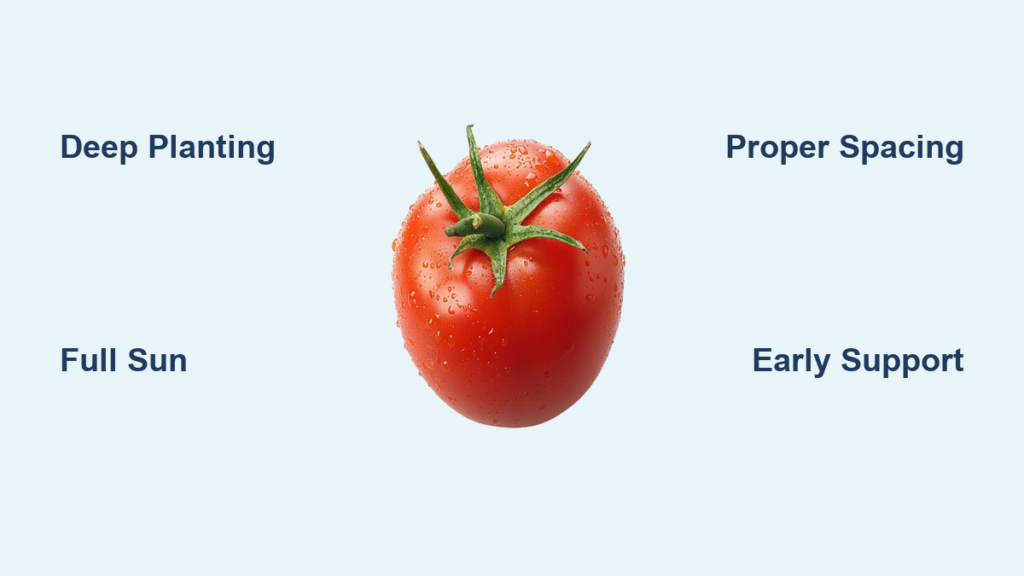
There’s nothing quite like biting into a juicy, homegrown tomato still warm from the sun. But the secret to a bountiful harvest starts long before the first fruit appears—it begins with how to plant tomatoes in a garden the right way. Most gardeners make the mistake of planting tomatoes too shallow, missing a golden opportunity to build a powerful root system. Unlike other plants, tomatoes can grow roots along their stems when buried, so planting deep leads to stronger, healthier, and more productive plants. This guide walks you through every critical step—from choosing the best spot and preparing nutrient-rich soil to using deep planting techniques that maximize yield.
You’ll learn how to select the right varieties for your climate, avoid common planting mistakes, and give your tomato transplants the strong start they need. Whether you’re growing sweet cherries, meaty beefsteaks, or colorful heirlooms, mastering the art of deep planting, proper spacing, and early support will set you up for success. With the right techniques, you’ll enjoy earlier harvests, fewer diseases, and more flavorful tomatoes all season long.
Choose a Sunny, Disease-Free Garden Spot
Maximize 8+ Hours of Daily Sunlight
Tomatoes need at least 8 hours of direct sunlight daily to grow strong and produce abundant fruit. Choose a location that receives full sun, especially during midday and early afternoon. Avoid areas shaded by trees, fences, or buildings. If your garden only gets partial sun, opt for early-season or determinate varieties like Early Girl or Super Bush, which mature faster and require less time to ripen.
Test and Adjust Soil pH to 6.0–6.8
For optimal growth, tomatoes thrive in soil with a pH between 6.0 and 6.8. Use a soil test kit to check your garden’s pH. If it’s too acidic (below 6.0), add garden lime to raise it. If it’s too alkaline (above 6.8), mix in sulfur or compost to lower it. While tomatoes can tolerate slightly acidic soil down to pH 5.5, staying within the ideal range boosts nutrient uptake and fruit production. Loamy or clay soils are best—they retain moisture and nutrients without becoming waterlogged.
Avoid Planting After Nightshades
Never plant tomatoes where potatoes, peppers, eggplants, or tomatoes grew in the past two years. These crops share soil-borne diseases like fusarium and verticillium wilt, which can survive in the soil for years. Rotate your planting beds annually to reduce disease risk. Also, avoid low-lying areas where water collects—tomatoes hate wet roots. Raised beds are ideal, especially in heavy clay or poorly drained soils.
Start with Healthy Tomato Transplants
Grow or Buy Strong, Compact Seedlings
You can start tomatoes from seed indoors or buy transplants. Sow seeds 6 to 8 weeks before your last frost date in a sterile seed mix, 1/8 inch deep. Keep the soil warm (75°F–90°F) for fast germination—most seeds sprout in 6 to 12 days. Use grow lights to prevent leggy growth if natural light is insufficient.
When buying transplants, choose short, dark green, and sturdy plants. Avoid tall, spindly ones or those already flowering. Overgrown plants often stall after transplanting, while younger, compact ones catch up and outperform them. Wait at least one to two weeks after the last frost to plant—nighttime temperatures should be consistently above 45°F.
Harden Off Seedlings Without Cold Stress
Hardening off prepares indoor-grown seedlings for outdoor conditions. Start 7–10 days before transplanting. Gradually expose plants to wind and sun by placing them outside for a few hours each day, increasing the time daily. Reduce watering slightly, but do not expose them to cold temperatures—this increases the risk of catfacing (misshapen fruit). Bring them in if temperatures drop below 45°F.
Prepare Fertile, Well-Drained Soil
Mix in Compost or Organic Amendments
Tomatoes need nutrient-rich soil. Incorporate compost, aged manure, or organic blends like Trifecta into the top 6–8 inches of soil before planting. These improve soil structure, water retention, and microbial activity. Avoid fresh manure or high-nitrogen fertilizers—they promote leafy growth at the expense of fruit.
Use Black Plastic Mulch to Warm Soil
Lay black plastic mulch 1–2 weeks before planting to warm the soil, especially in cooler climates. Cut holes in the plastic and plant through them. The dark surface absorbs heat, helping roots establish faster and speeding up harvest. Mulch also suppresses weeds and keeps soil moisture consistent.
Space Plants Based on Growth Habit
Proper spacing prevents disease and ensures good air flow. Follow these guidelines:
• Determinate varieties: 12–24 inches apart
• Staked indeterminate varieties: 14–20 inches apart
• Unstaked indeterminate varieties: 24–36 inches apart
Crowded plants are more prone to fungal diseases like early blight. If space is limited, choose compact determinate types like Super Bush or Patio varieties.
Use Deep Planting to Build Strong Roots
Why Burying the Stem Boosts Yield
Tomatoes are unique—their stems develop roots when buried, creating a deeper, more resilient root system. This leads to better water and nutrient absorption, reduced stress during dry spells, and fewer issues like blossom end rot. The more stem you bury, the more roots form. Always remove lower leaves and plant deeper than the pot depth—only the top few sets of leaves should stay above ground.
Choose the Right Deep Planting Method
The best method depends on your plant’s shape.
Vertical Planting for Stocky Tomato Varieties
Best for beefsteak or compact types like Pink Brandywine.
Steps:
1. Remove all lower leaves
2. Dig a deep hole—deep enough to bury the stem up to the first set of healthy leaves
3. Place the plant straight down
4. Backfill with soil and press gently
5. Water thoroughly
Add a balanced fertilizer (like 5-10-5) to the hole if desired. This method works well for short, thick-stemmed plants.
Trench Planting for Tall, Leggy Seedlings
Ideal for lanky cherry tomatoes like Tropical Sunrise.
Steps:
1. Dig a shallow trench 12–18 inches long
2. Remove leaves from the lower two-thirds of the stem
3. Lay the plant sideways in the trench, bending the top upward
4. Cover the stem with soil, leaving only the top 4–6 inches exposed
5. Water well
This avoids stem damage while still encouraging root development along the buried portion. The plant will grow upright naturally within days.
Install Supports at Planting Time
Set Stakes or Cages Before Roots Spread
Install supports when you plant to avoid damaging roots later. For staking, use 6-foot wooden or metal stakes driven 8–10 inches into the ground. Tie the main stem loosely with soft twine in a figure-8 pattern to allow room for growth.
For caging, use sturdy wire cages at least 5–6 feet tall. DIY cages from concrete reinforcing wire (4–6 inch mesh, 6 feet long, 22 inches in diameter) work best. Place around the plant and anchor with stakes to prevent tipping.
Prune for Better Airflow and Fruit Size
Pruning improves air circulation and fruit size, especially for indeterminate types.
• Remove suckers (new shoots at leaf joints) when 2–4 inches long
• Limit staked tomatoes to 1–2 main stems
• Do not prune determinate varieties—they grow bushy and fruit all at once
Pruning reduces total yield but increases fruit size and speeds ripening. Always prune in the morning when plants are dry to reduce disease spread.
Water and Fertilize for Consistent Growth
Deliver 1 Inch of Water Weekly at the Roots
Tomatoes need 1 inch of water per week—more during hot, dry spells. Use drip irrigation or soaker hoses to deliver water directly to roots. Avoid wetting leaves, which promotes fungal diseases.
Water early in the day so foliage dries quickly. Mulch after the soil warms to retain moisture and prevent cracking and blossom end rot. Fluctuating moisture causes fruit to split after dry periods followed by heavy rain.
Fertilize at Key Growth Stages
Too much nitrogen leads to lush leaves but few tomatoes. Use a balanced fertilizer (like 5-10-5) with more phosphorus and potassium.
• At planting: Add a small amount to the hole
• At first fruit set (when fruits are about 1 inch wide): Sidedress with ½ cup 5-10-5 per plant
• At harvest start: Apply a second sidedressing
Organic options include fish emulsion, compost tea, or granular organic blends. Always follow label rates.
Prevent Pests and Diseases Proactively
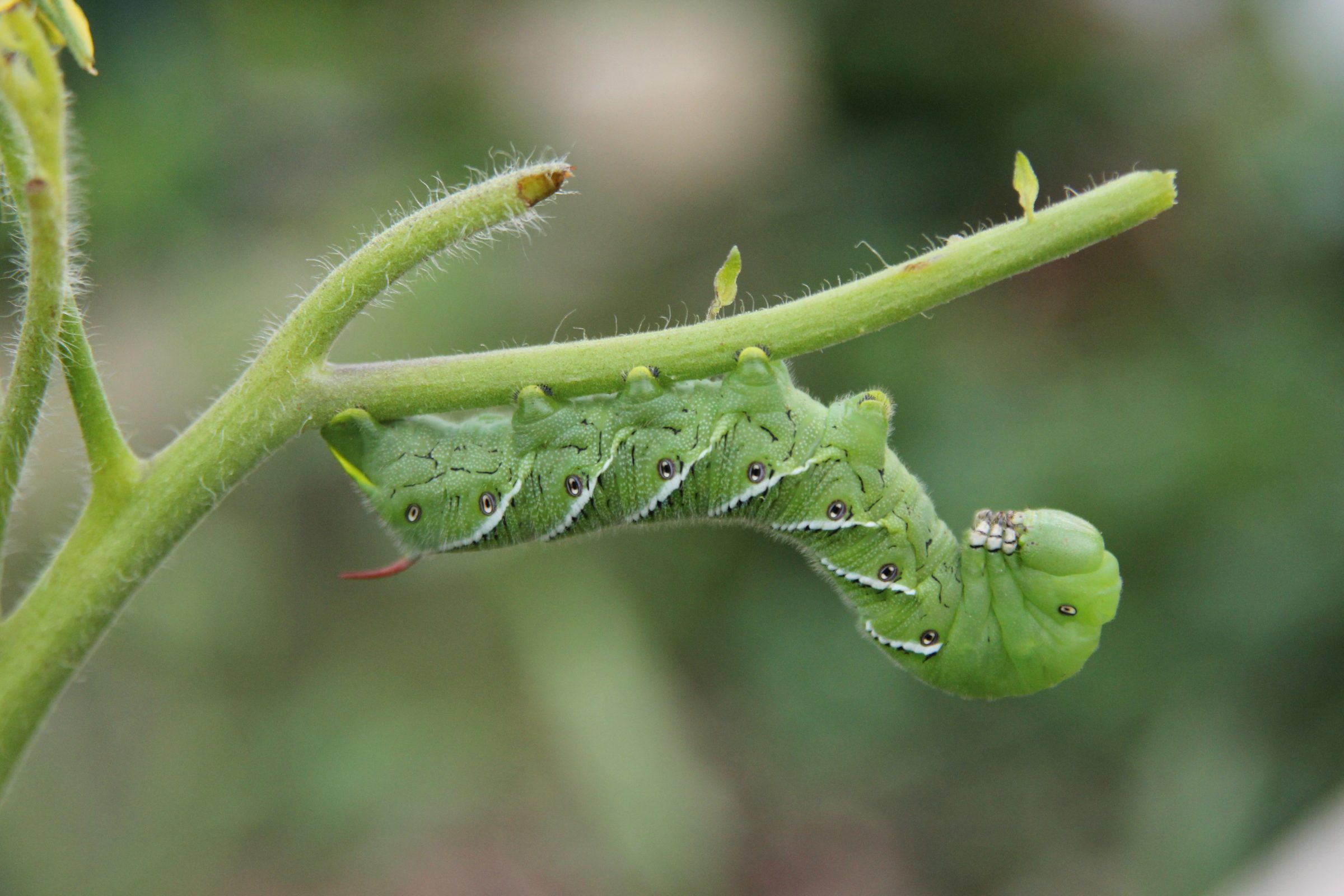
Control Common Pests Early
• Tomato hornworms: Handpick large green caterpillars
• Aphids: Blast them off with a strong spray of water
• Whiteflies: Avoid infested transplants; inspect leaves carefully
• Colorado potato beetles: Remove eggs and adults by hand
• Cutworms: Use cardboard collars around young stems
• Flea beetles: Use row covers at planting; remove when temps rise
Encourage beneficial insects like ladybugs and lacewings by planting marigolds or alyssum nearby.
Manage Diseases with Smart Practices
• Blossom end rot: Caused by calcium deficiency from uneven watering—keep soil consistently moist
• Early blight & Septoria: Remove lower leaves, avoid overhead watering, rotate crops
• Late blight: Remove infected plants immediately; consider fungicides if widespread
• Fusarium & Verticillium wilt: Choose resistant varieties (look for “F” or “V” on seed packets)
• Catfacing: Caused by cold weather during flowering—don’t transplant too early
• Sunscald: Don’t over-prune; leaves protect fruit from intense sun
• Fruit cracking: Prevent by maintaining even soil moisture
Clean up all plant debris in fall to reduce overwintering diseases.
Select the Best Tomato Varieties for Your Garden

Match Varieties to Your Climate and Season
Choose based on days to maturity:
• Early (65 days or less): Early Girl, Cosmonaut Volkove, Daybreak
• Mid-season (65–80 days): Better Boy, Celebrity, Jet Star
• Late (80+ days): Brandywine, Cherokee Purple
In cooler zones, stick to early or mid-season types to ensure ripening before frost.
Understand Growth Habits for Easy Care
• Determinate: Bushy, compact, fruit all at once—great for containers or canning
• Indeterminate: Vining, produce all season—need staking
• Semi-determinate: Moderate size, continuous fruit, less pruning needed
Try Top-Performing Varieties
• Cherry: Sungold, Supersweet 100, Early Cherry
• Paste: Roma, Viva Italia, Plum Dandy
• Heirlooms: Brandywine, Black Prince, Green Zebra
• Disease-resistant hybrids: Better Boy (VFN), Celebrity, Mountain Spring
Hybrids often offer better disease resistance and yield, while heirlooms deliver exceptional flavor.
Frequently Asked Questions About Planting Tomatoes
Why should I bury most of the tomato stem when planting?
Burying the stem encourages the plant to grow roots along the buried portion, creating a deeper, stronger root system. This improves water and nutrient uptake, reduces stress during dry periods, and leads to higher yields.
Can I plant tomatoes in the same spot every year?
No. Avoid planting tomatoes where potatoes, peppers, eggplants, or tomatoes grew in the last two years. These crops share diseases like fusarium and verticillium wilt, which can linger in the soil and infect new plants.
How deep should I plant a tomato seedling?
For stocky plants, bury the stem up to the first set of healthy leaves. For leggy seedlings, use trench planting—lay the stem horizontally and bury all but the top 4–6 inches. Always remove lower leaves to prevent disease.
Do all tomato plants need cages or stakes?
Indeterminate varieties need support to stay upright and reduce disease. Determinate types are bushy and usually don’t require staking, though cages can help keep fruit off the ground.
What causes tomato leaves to turn yellow after planting?
Yellowing can be caused by overwatering, nutrient deficiency, or transplant shock. Ensure well-drained soil, avoid nitrogen-heavy fertilizers, and water consistently. Some lower leaf loss is normal as the plant adjusts.
How do I prevent blossom end rot?
Blossom end rot is caused by calcium deficiency due to inconsistent watering. Prevent it by keeping soil moisture even—use mulch and drip irrigation, and avoid letting the soil dry out completely between waterings.
Key Takeaways for How to Plant Tomatoes in a Garden
Mastering how to plant tomatoes in a garden comes down to three essentials: full sun, fertile soil, and deep planting. Choose a spot with at least 8 hours of daily sun, prepare well-drained soil with a pH of 6.0–6.8, and always bury the stem to build a robust root system. Whether you use vertical or trench planting, the goal is the same—more roots, better water uptake, and higher yields.
Support plants early, water consistently at the roots, and stay ahead of pests and diseases. With the right start and care, your tomato plants will reward you with juicy, flavorful fruit all season long. Now that you know the secrets, get in the garden and plant deep for a harvest you’ll savor.