Starting a backyard garden is one of the most rewarding things you can do—whether you’re growing vegetables for better nutrition, saving money on groceries, or simply enjoying time outdoors. With just a few essential steps, you can transform a patch of yard into a thriving source of fresh food. This guide walks you through everything you need to know to start a backyard garden successfully, from choosing the right spot to harvesting your first crop. You’ll learn how to plan, prepare, plant, and maintain a garden that fits your space, climate, and lifestyle—no matter your experience level.
Whether you have a sprawling yard or a small patio, there’s a way to grow your own food. Let’s dig in.
Choose the Right Garden Type for Your Space

Your garden type should match your available space, soil quality, and physical needs.
In-Ground vs. Raised Beds vs. Containers
• In-ground gardens work best in large yards with healthy, well-draining soil. They’re cost-effective and allow deep root development.
• Raised beds give you full control over soil quality, warm up faster in spring, and reduce back strain. Ideal for poor soil or limited mobility.
• Container gardens are perfect for patios, balconies, or small yards. Use pots, grow bags, or recycled buckets—great for beginners.
Match Garden Type to Your Situation
• Large yard with good soil? Try in-ground rows or multiple raised beds.
• Small space or hard surfaces? Use containers or vertical planters.
• Compacted or contaminated soil? Raised beds or containers with fresh potting mix are your best option.
Pick a Sunny, Accessible Garden Spot
The right location sets your garden up for success from day one.
Maximize Sunlight for Strong Growth
• Most vegetables need 6–8 hours of direct sunlight daily.
• Leafy greens like lettuce and spinach can handle 4–6 hours.
• Observe your yard at different times to find the sunniest area.
• Avoid shade from trees, buildings, or fences.
Ensure Easy Water Access
• Place your garden near a hose or outdoor spigot.
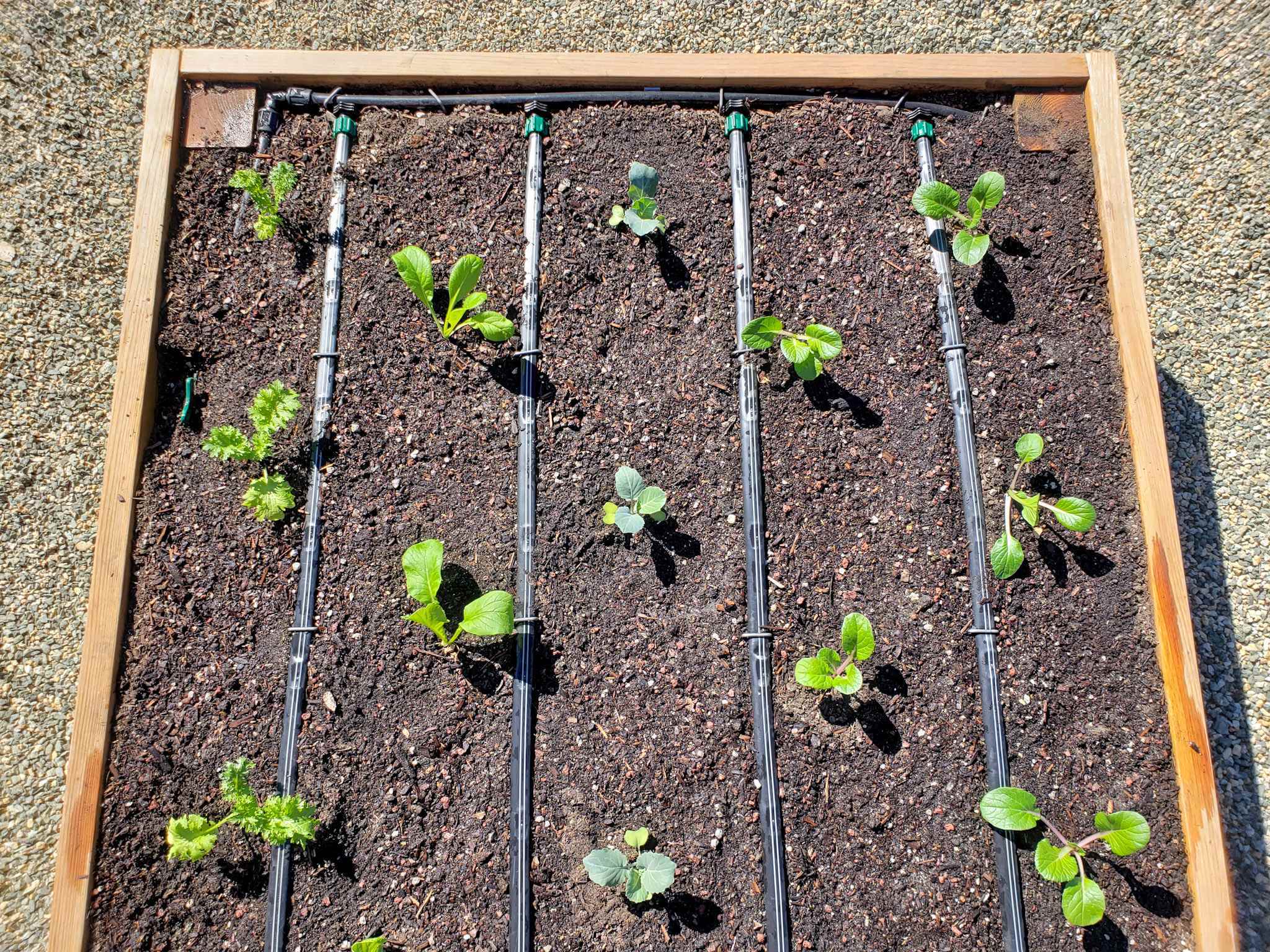
• Install a soaker hose or drip irrigation to save water and time.
• Consider a rain barrel to collect roof runoff for eco-friendly watering.
Avoid Problem Areas
• Stay away from low spots where water pools—roots can rot.
• Shield your garden from strong winds with fences or shrubs.
• Keep clear of tree roots that steal water and nutrients.
• Choose a spot visible from your home so you remember to check on it.
Test and Improve Your Garden Soil
Healthy soil is the foundation of a productive backyard garden.
Test Your Soil Before Planting
• Get a soil test from your local Extension Service.
• It reveals pH, nutrient levels, and organic matter.
• Most vegetables grow best in slightly acidic to neutral soil (pH 6.0–7.0).
Boost Soil Quality with Organic Matter
• Mix in 2–3 inches of compost or aged manure.
• This improves drainage in clay soil and water retention in sandy soil.
• Work amendments into the top 6–8 inches of soil.
Adjust pH If Needed
• Too acidic (below 6.0)? Add garden lime.
• Too alkaline (above 7.0)? Use elemental sulfur.
• Follow soil test recommendations for correct amounts.
Loosen Soil for Deep Roots
• Use a garden fork or tiller to break up soil 8–12 inches deep.
• This helps roots grow strong and access nutrients.
• Remove rocks, weeds, and debris as you go.
Plan What to Grow Based on Your Climate
Smart crop selection leads to a thriving, low-stress garden.
Start Small with Easy Crops
• Beginners: Start with 10–12 plants or a 4’x4’ bed.
• Best starter crops: Lettuce, radishes, tomatoes, zucchini, and green beans.
• Avoid overcrowding—give plants room to grow and breathe.
Choose Climate-Suitable Vegetables
• Know your USDA Hardiness Zone.
• Pick varieties bred for your region.
• Check seed packets for “days to maturity” to match your growing season.
Seeds vs. Seedlings: What’s Best?
• Start from seed indoors: Tomatoes, peppers, broccoli (6–8 weeks before last frost).
• Direct sow outdoors: Carrots, beans, peas, radishes.
• Buy transplants: Save time with herbs, kale, or lettuce.
Use Companion Planting for Natural Pest Control
• Grow compatible plants together to boost growth and deter pests.
• Tomatoes + basil: Repels hornworms, improves flavor.
• Carrots + onions: Onions deter carrot flies.
• Corn + beans + squash: The “Three Sisters” method supports all three.
Start Seeds Indoors for an Early Harvest

Get a head start on the growing season by starting seeds inside.
When to Start Seeds Indoors
• Count backward 6–8 weeks from your last frost date.
• Use online tools or local Extension guides for timing.
• Starting too early leads to leggy, weak seedlings.
Supplies You’ll Need
• Seed trays or clean containers with drainage
• Sterile seed-starting mix (not garden soil)
• Grow lights or a sunny south-facing window
• Labels and a marker
Step-by-Step Seed Starting
- Fill containers with moist seed mix.
- Plant seeds at the depth listed on the packet.
- Cover and keep warm (65–75°F).
- Keep soil moist—don’t let it dry out.
Grow Strong, Healthy Seedlings
• Provide 14–16 hours of light daily with grow lights.
• Keep lights 2–3 inches above plants.
• Use a small fan for air circulation to prevent disease.
• Feed with diluted liquid fertilizer once true leaves appear.
Harden Off and Transplant Seedlings Safely
Moving seedlings outdoors? Do it gradually to avoid shock.
What Is Hardening Off?
• A 7–10 day process to acclimate indoor seedlings to outdoor conditions.
• Prevents damage from sun, wind, and temperature swings.
Step-by-Step Hardening Process
- Day 1–2: Place seedlings in shade for 1–2 hours.
- Increase time daily, adding more sun.
- By day 7–10: Leave them out all day (bring inside if frost threatens).
- Transplant on a cloudy day or in late afternoon.
Transplanting Tips for Success
• Dig a hole slightly larger than the root ball.
• Gently loosen roots before planting.
• Water thoroughly after transplanting.
• Use mulch to retain moisture and block weeds.
Sow Seeds Directly in the Garden
Some crops grow best when planted right in the soil.
Best Crops for Direct Seeding
• Root vegetables: Carrots, radishes, beets
• Legumes: Beans, peas
• Leafy greens: Lettuce, spinach, arugula
• Squash and cucumbers
How to Plant Seeds Outdoors
• Follow packet instructions for depth and spacing.
• Plant when soil has warmed to the right temperature.
• Use a ruler or dibber for consistent spacing.
• Water gently after planting.
Keep Soil Moist for Germination
• Seeds need consistent moisture to sprout.
• Use a fine mist sprayer to avoid washing them away.
• Cover with row cover or burlap to retain moisture.
Water Wisely to Prevent Disease and Stress
Watering right is more important than watering often.
Best Watering Practices
• Water deeply 1–2 times per week instead of daily sprinkles.
• This encourages deep roots.
• Water at the base of plants, not the leaves.
• Morning is best—reduces disease risk.
Use Mulch to Conserve Moisture
• Apply 2–3 inches of straw, shredded leaves, or wood chips.
• Mulch keeps soil cool, reduces evaporation, and blocks weeds.
• Keep mulch a few inches from stems to prevent rot.
Consider Drip Irrigation for Efficiency
• Soaker hoses or drip systems deliver water straight to roots.
• Save up to 50% more water than sprinklers.
• Set on a timer for consistent, hands-free watering.
Control Weeds and Pests Without Chemicals
Keep your garden healthy with natural, sustainable methods.
Stop Weeds Early and Often
• Pull weeds when small and soil is moist.
• Use a hoe to slice off weeds just below the surface.
• Apply mulch to block sunlight and prevent regrowth.
Prevent Pest Problems Naturally
• Inspect plants weekly for bugs or damage.
• Encourage beneficial insects like ladybugs and lacewings.
• Plant marigolds, dill, or nasturtiums to repel pests.
Handle Infestations Quickly
• Hand-pick large pests like tomato hornworms or slugs.
• Spray strong water jet to knock off aphids.
• Use neem oil or insecticidal soap only when necessary.
Stop Diseases Before They Spread
• Space plants properly for air flow.
• Avoid watering leaves—wet foliage spreads disease.
• Remove and discard infected plants (don’t compost them).
• Rotate crops each year to prevent soil-borne diseases.
Support and Train Tall or Vining Plants

Help your plants grow strong and save valuable space.
Use Stakes, Cages, or Trellises
• Tomatoes: Use cages or stakes to support heavy fruit.
• Cucumbers and beans: Grow on trellises to save space and improve air flow.
• Peas: Install netting or twiggy branches at planting.
Install Supports Early
• Place stakes or trellises when planting to avoid root damage later.
• Tie stems loosely with soft garden tape or twine.
Try Vertical Gardening for Small Spaces
• Grow up, not out—ideal for patios and small yards.
• Use wall planters, pallet gardens, or hanging baskets.
• Great for strawberries, herbs, and cherry tomatoes.
Harvest Vegetables at Peak Ripeness
Picking at the right time means better flavor and more yield.
Know When to Harvest
• Lettuce and greens: Pick outer leaves when young.
• Tomatoes: Harvest when fully colored but still firm.
• Zucchini: Pick small (6–8 inches) for best texture.
• Carrots and beets: Pull when shoulders are 1–2 inches wide.
Harvest in the Morning for Best Quality
• Vegetables are crispest and most hydrated early in the day.
• Cool temperatures preserve freshness.
Use Clean Tools to Avoid Damage
• Snip herbs and greens with scissors.
• Cut tomatoes and peppers with pruners to avoid stem damage.
• Handle produce gently to prevent bruising.
Store and Preserve Your Garden Harvest
Make the most of your fresh produce all year.
Cool Produce Quickly After Harvest
• Rinse and dry vegetables, then refrigerate.
• Most greens last 5–7 days in the fridge.
Preserve Excess for Later
• Freeze: Blanch beans, peas, or corn before freezing.
• Can: Tomatoes, pickles, and sauces.
• Dry: Herbs, peppers, or beans.
Share the Surplus
• Give extra to neighbors, friends, or food banks.
• Join a seed or produce swap in your community.
Extend Your Growing Season
Grow more by starting earlier and ending later.
Use Season-Extending Tools
• Row covers: Protect plants from frost and bugs.
• Cold frames: Mini greenhouses for early spring or fall crops.
• Hoop houses: Larger covers for raised beds.
Plant Cool-Season Crops
• Spring: Spinach, peas, radishes
• Fall: Kale, broccoli, carrots
• Use mulch to protect roots in winter.
Grow Indoors in Winter
• Use a sunny window or grow lights.
• Plant herbs, microgreens, or lettuce on your kitchen counter.
Save Seeds for Next Year’s Garden
Keep your garden going year after year.
Choose Open-Pollinated or Heirloom Varieties
• These seeds grow true to type.
• Avoid hybrids—they won’t produce reliable offspring.
How to Save Seeds
- Let plants mature fully (e.g., tomatoes ripen, beans dry on the vine).
- Remove seeds and dry them completely.
- Store in labeled envelopes in a cool, dry, dark place.
- Most seeds last 2–5 years.
Make Gardening Sustainable and Eco-Friendly
Grow food while protecting the planet.
Conserve Water
• Use rain barrels to collect roof runoff.
• Group plants with similar water needs.
• Water deeply and less often.
Compost Kitchen Scraps
• Turn food waste into garden gold.
• Mix greens (veggie scraps) and browns (leaves, paper).
• Turn pile regularly for faster breakdown.
Support Biodiversity
• Plant flowers like marigolds, sunflowers, or borage.
• Attract bees, butterflies, and beneficial insects.
• Avoid pesticides that harm pollinators.
Troubleshoot Common Garden Problems
Even experienced gardeners face issues—here’s how to fix them.
Poor Germination?
• Check seed age—old seeds may not sprout.
• Ensure proper soil temperature.
• Keep soil moist but not soggy.
Yellow Leaves?
• Could be nitrogen deficiency—side-dress with compost.
• Or overwatering—let soil dry between waterings.
Blossom End Rot on Tomatoes?
• Caused by inconsistent watering and calcium deficiency.
• Mulch to keep moisture steady.
• Add lime or gypsum if soil test shows low calcium.
Plants Bolting (Flowering Too Soon)?
• Heat or long days trigger bolting in lettuce or spinach.
• Choose bolt-resistant varieties.
• Provide shade during hot afternoons.
Adapt Gardening for All Abilities
Gardening should be accessible to everyone.
Use Raised Beds at Waist Height
• Reduces bending and kneeling.
• Ideal for wheelchairs or limited mobility.
Install Wide, Firm Paths
• Use gravel, mulch, or pavers for stable walking.
• Allow space for wheelchairs or walkers.
Try Vertical or Container Gardens
• Wall-mounted planters save floor space.
• Lightweight pots can be moved easily.
Use Ergonomic Tools
• Long-handled or padded tools reduce strain.
• Look for D-handle hoes or knee pads.
Key Takeaways for First-Time Gardeners
Starting your first backyard garden? Keep these tips in mind.
• Start small: A 4’x8’ bed or a few containers is plenty. Success builds confidence.
• Keep a garden journal: Track planting dates, varieties, and yields. Note what worked—and what didn’t.
• Learn from mistakes: Not every plant will thrive. Each season teaches you more.
• Enjoy the process: Gardening is about growth—both in the soil and in yourself. Take time to watch bees, smell herbs, and taste sun-warmed tomatoes.
Frequently Asked Questions About Starting a Backyard Garden
What is the easiest vegetable to grow for beginners?
Lettuce, radishes, green beans, and zucchini are among the easiest vegetables for new gardeners. They grow quickly, require minimal care, and are rarely troubled by pests.
How much sun does a vegetable garden need?
Most vegetables need 6–8 hours of direct sunlight daily. Leafy greens can manage with 4–6 hours, but fruiting crops like tomatoes and peppers need full sun.
Can I grow a garden in a small yard or on a balcony?
Yes! Use containers, raised beds, or vertical planters to grow vegetables in small spaces. Balconies, patios, and even window sills can support a thriving mini-garden.
Do I need to test my soil before starting a garden?
Yes. A soil test reveals pH, nutrient levels, and organic matter. Most vegetables grow best in slightly acidic to neutral soil (pH 6.0–7.0). Your local Extension Service can help.
How often should I water my backyard garden?
Water deeply 1–2 times per week instead of daily. This encourages deep roots. Use mulch and drip irrigation to conserve moisture and reduce watering needs.
Can I reuse soil from last year’s garden?
Yes, but refresh it with compost or aged manure. Avoid reusing soil that had diseased plants—rotate crops and don’t plant the same family in the same spot two years in a row.