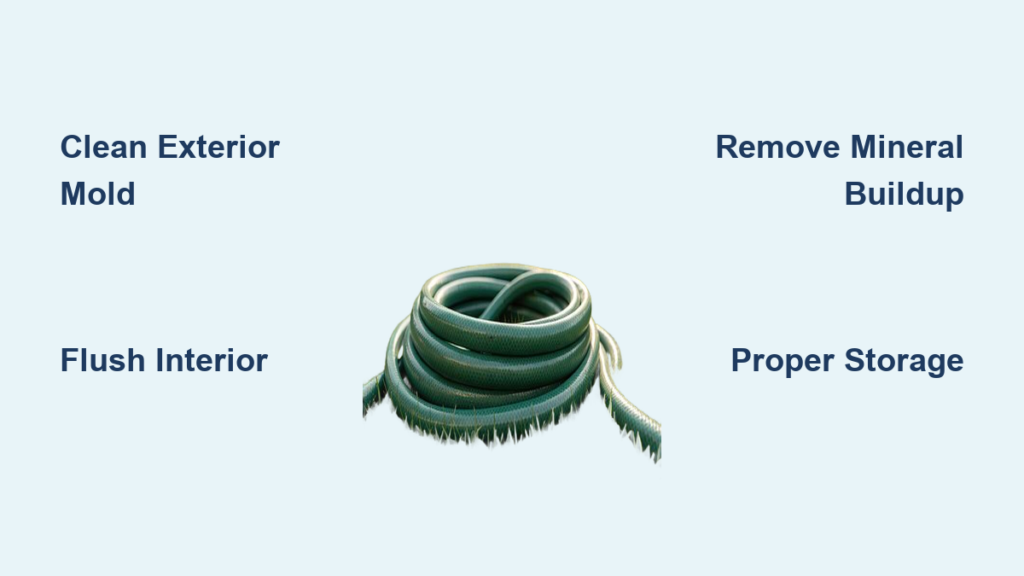
Turn on your garden hose expecting a clean stream of water—only to get a burst of slime, mold, or foul-smelling liquid. It’s a common but avoidable problem. Over time, garden hoses collect mold, bacteria, mineral deposits, and debris, especially when left full of water or stored in damp, shaded areas. Knowing how to clean garden hose properly is essential for delivering safe water to your plants, preventing clogs, and extending your hose’s lifespan. This guide covers proven methods using bleach, vinegar, CLR, and natural solutions, along with storage and maintenance tips to keep your hose in top condition year-round.
You’ll learn how to safely remove exterior mold, flush internal buildup, clean fittings, and prevent future issues. Whether you’re dealing with green slime, lime scale, or musty odors, these step-by-step techniques will restore your hose’s performance—without damaging your plants or risking your health.
Why Clean Your Garden Hose?
A garden hose isn’t just a water carrier—it’s a hidden breeding ground for mold, bacteria, and mineral deposits. When water sits inside the hose, especially in warm, dark conditions, it creates the perfect environment for microbial growth. Exterior mold forms when hoses are left outside in humid weather, while internal slime can contaminate your soil and plants. Left uncleaned, these issues lead to clogged nozzles, reduced water pressure, and premature hose failure. Regular cleaning ensures clean water delivery, prevents structural damage, and keeps your gardening tools working efficiently.
When to Clean Your Garden Hose
Every 3–4 Months for Routine Maintenance
Clean your hose every few months, especially during peak watering seasons. This prevents mold, bacteria, and mineral buildup before they become serious.
After Winter Storage
Hoses stored outdoors in winter often retain moisture, encouraging mold. Clean thoroughly before spring use.
At First Sign of Mold or Odors
Green or black spots on the outside or a musty smell when watering are clear signals it’s time to clean.
Before Spring Watering Season
Remove winter mineral deposits and inspect for damage to ensure optimal performance.
How to Remove Mold from Hose Exterior
Prepare a Cleaning Solution
For heavy mold, mix 1 part household bleach with 10 parts water. For light cleaning, use 120ml of white vinegar per bucket of water. Always follow label instructions for bleach dilution.
Submerge the Hose Fully
Unhook the hose and place it in a bathtub. Press it down to submerge completely. Run a small amount of fresh water through the nozzle to help it sink.
Soak for 24 Hours
Let the hose soak for at least 24 hours. Bleach breaks down mold without scrubbing. For vinegar, 8–12 hours may suffice for light cases.
Rinse Thoroughly
Drain the tub and rinse the hose with a detachable showerhead. For stubborn spots, gently scrub with a soft-bristled brush. Ensure all residue is removed.
How to Clean Inside a Garden Hose
Flush with Vinegar Solution
Mix 1 part white vinegar to 3 parts water in a bucket. Submerge the female end and run the solution through the hose for a few minutes.
Let It Soak
Close the nozzle end and let the solution sit inside for 1–2 hours to kill bacteria and eliminate odors.
Rinse Until Clear
Flush with clean water for several minutes until the vinegar smell disappears. This protects your plants from chemical residue.
For Severe Internal Mold: Replace the Hose
If water remains cloudy or smells rotten after cleaning, internal mold has likely damaged the lining. Replace the hose—this is a sign of structural failure.
Remove Mineral and Lime Buildup
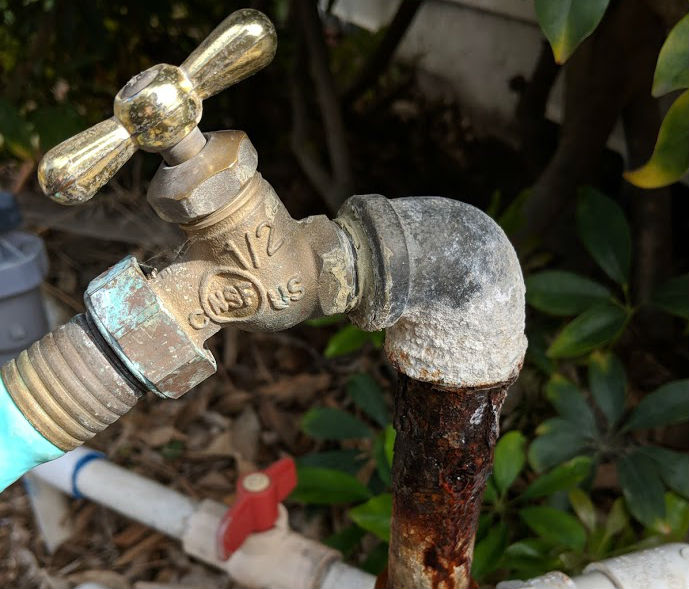
Use CLR for Hard Water Deposits
Mix equal parts Calcium, Lime & Rust Remover (CLR) and water. Submerge the hose and nozzle for 15–30 minutes to dissolve deposits.
Scrub Fittings and Nozzles
Use an old toothbrush to clean threads and spray heads where crusty buildup collects.
Rinse Immediately
Flush thoroughly with clean water. Never exceed the recommended soak time—CLR can damage rubber if left too long.
Prevent Future Buildup
Flush with vinegar every few months if you have hard water.
Clean Hose Fittings and Nozzles
Soak in Soapy Water
Remove nozzles and fittings. Soak in warm water with mild dish soap for 30 minutes.
Scrub Tight Spaces
Use a toothbrush to clean threads and crevices where dirt and mineral deposits hide.
Rinse and Dry Completely
Rinse under running water and dry with a clean cloth before reattaching to prevent corrosion.
Best Cleaning Solutions Compared
| Solution | Best For | Soak Time | Safety Notes |
|---|---|---|---|
| Bleach (1:10) | Heavy exterior mold | 24 hours | Ventilate well; never mix with vinegar or ammonia |
| White Vinegar | Light mold, odors, bacteria | 8–24 hours | Safe for plants after rinsing |
| CLR | Lime, calcium, rust | 15–30 min | Wear gloves; rinse immediately |
| Tea Tree Oil | Natural disinfecting | Wipe or flush | Use a few drops in water; non-toxic |
How to Dry and Store Your Hose
Drain All Water First
After use, turn off the tap and hold both ends down to let water drain completely.
Air Dry in Sunlight
Lay the hose in a sunny, ventilated area. UV light helps kill remaining bacteria.
Coil Properly Using Over/Under Method
Alternate loops—one over your hand, the next under—to prevent kinks and twists.
Store on a Hose Reel or Hanger
Avoid nails, which cause kinks. Use a reel, wall hanger, or hose pot to keep it off the ground and shaded.
Prevent Mold and Mildew Growth
Never Leave Water in the Hose
Stagnant water breeds bacteria. Always drain after use.
Store Indoors or in Shade
UV rays degrade rubber. Keep the hose out of direct sunlight when not in use.
Use a Hose Cover
If stored outside, a UV-protective cover shields the hose from sun and weather damage.
Avoid Winter Exposure
Freezing water expands and cracks the inner lining. Drain and store in a frost-free area.
Fix Common Cleaning Problems
Stubborn Mold Spots Won’t Come Off?
Extend soak time to 48 hours. After soaking, gently scrub with a soft brush. Repeat if needed.
Hose Still Smells Bad After Cleaning?
Persistent odor means internal contamination. Flush with vinegar again. If the smell remains, replace the hose.
Water Flow Is Still Low?
Check nozzle and fittings for clogs. Soak them in vinegar. If flow doesn’t improve, kinks or internal damage may require replacement.
Maintain Your Hose Year-Round
Spring: Deep Clean and Inspect
- Clean with CLR to remove winter mineral buildup
- Check for cracks, leaks, and worn washers
- Replace tap seal if cracked or brittle
Summer: Clean Every 3–4 Months
- Rinse after heavy use
- Store in shade during peak heat
- Drain daily to prevent overheating
Fall: Prepare for Storage
- Drain completely
- Clean and dry before storing
- Remove all attachments
Winter: Store Properly
- Keep in garage, shed, or basement
- Avoid freezing temperatures
- Coil loosely on a reel
Repair vs. Replace: When to Let Go

Replace If:
- Internal mold is present (water looks cloudy or smells rotten)
- Multiple leaks can’t be patched
- Severe kinks restrict water flow
- Outer layer is cracked or peeling from UV damage
Repair If:
- Small leaks appear—use a hose mending kit or waterproof tape
- Fittings are loose—replace washers or seals
Safety Tips for Cleaning
Ventilate When Using Bleach
Always open windows or turn on a fan. Never mix bleach with vinegar or ammonia—this creates toxic fumes.
Wear Gloves
Protect your hands from harsh chemicals like bleach and CLR.
Keep Kids and Pets Away
Store cleaning solutions out of reach. Rinse hoses thoroughly before reuse.
Dispose of Solutions Safely
Don’t pour bleach or CLR down storm drains. Dilute and dispose of in a sink or toilet.
Extend Your Hose’s Lifespan
Use a Hose Reel
Prevents kinks, tangles, and UV exposure. Automatic reels make storage effortless.
Handle With Care
Never drag the hose by the nozzle. Lift it when moving across rough surfaces.
Water in Morning or Evening
Avoid midday heat that warms water inside the hose, accelerating rubber degradation.
Replace Washers Annually
A $2 washer prevents leaks and maintains pressure. Check twice a year.
Frequently Asked Questions About Cleaning Garden Hoses
Can I use bleach to clean the inside of my garden hose?
No. Bleach should only be used on the exterior for mold removal. Internal bleach exposure can damage the hose lining and leave harmful residue. Use vinegar instead for internal cleaning.
How do I know if my hose has internal mold?
If water comes out cloudy, slimy, or smells rotten—even after cleaning—your hose likely has internal mold. This indicates structural damage, and the hose should be replaced.
Is vinegar safe for cleaning garden hoses?
Yes. A vinegar and water solution is safe, natural, and effective for removing light mold, odors, and mineral deposits. Always rinse thoroughly before reuse.
Can I leave my hose outside in winter?
No. Freezing water expands and can crack the inner lining. Always drain and store your hose in a frost-free area during winter.
How often should I replace my garden hose?
A well-maintained hose lasts 5–10 years. Replace it if you notice multiple leaks, severe kinks, cracked outer layers, or internal mold.
What’s the best way to prevent kinks?
Use the over/under coiling method and store on a hose reel. Avoid sharp bends and never hang the hose on a nail.
Key Takeaways for Keeping Your Garden Hose Clean and Functional
Cleaning your garden hose is a simple but critical task for garden health and tool longevity. A dirty hose can deliver contaminated water, reduce pressure, and fail prematurely. By cleaning every 3–4 months with vinegar or bleach, removing mineral buildup with CLR, and storing it properly, you’ll keep your hose in top condition for years.
Essential tips to remember:
• Clean at first sign of mold, odor, or discoloration
• Use bleach for exterior mold, vinegar for internal cleaning, and CLR for mineral deposits
• Always rinse thoroughly to protect plants and soil
• Drain and dry completely before storage
• Replace the hose if internal mold is present
With consistent care, your garden hose can last up to a decade or more—delivering clean water and reliable performance every time you turn on the tap.