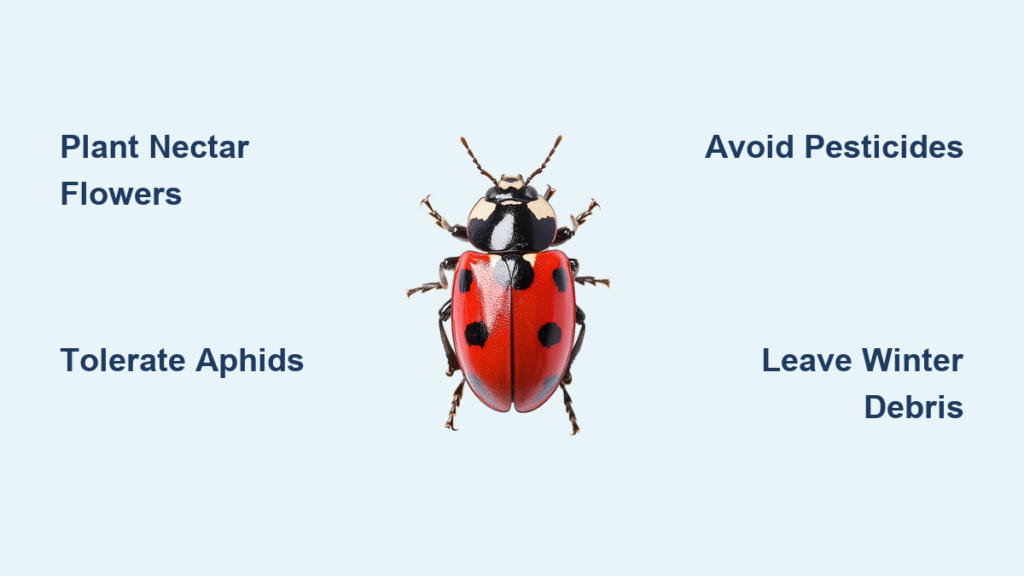
Ladybugs are tiny garden guardians—each one can devour up to 50 aphids a day, protect seedlings from mites, and even help pollinate flowers. But if you’re buying boxes of ladybugs online hoping to solve pest problems, you’re likely wasting your time. Most released ladybugs fly away within hours, searching for a more suitable habitat. The real solution isn’t purchasing insects—it’s creating a garden that naturally attracts ladybugs and keeps them there year after year.
The key is simple: support their full life cycle. Ladybugs need food, shelter, breeding sites, and safe overwintering spots. When your garden offers all four, native populations will find it—and stay. This guide shows you exactly how to build a ladybug-friendly ecosystem using plants, patience, and smart gardening habits.
No sprays. No shipments. Just results.
Plant Flowers That Lure Ladybugs with Nectar and Pollen

Adult ladybugs rely on nectar and pollen to fuel flight, mating, and egg-laying. Without these energy sources, they won’t linger—even in pest-infested areas. The right blooms act like a dinner bell, drawing in hungry adults ready to reproduce.
Choose High-Reward Nectar Plants
Ladybugs prefer small, shallow flowers that let them feed easily. These plants also attract other beneficial insects, boosting your garden’s natural defenses.
• Alyssum – A top performer; its sweet scent and dense clusters are irresistible to ladybugs.
• Cosmos – Open-faced blooms provide easy access and last all summer.
• Yarrow – Flat, umbrella-like flowers offer a stable landing pad and drought tolerance.
• Marigolds – Repel nematodes while inviting ladybugs and hoverflies.
Plant in drifts or clusters to increase visibility to flying insects.
Grow Carrot Family Herbs to Boost Ladybug Numbers
Plants in the Apiaceae family produce abundant nectar and are exceptional ladybug magnets when allowed to flower.
Include these in your garden:
• Dill – Flowers attract adults and host swallowtail caterpillars.
• Fennel – Tall and feathery, ideal for shelter and feeding.
• Cilantro – Bolt it early for flowers; a favorite in late spring.
• Parsley – Let some plants go to seed to support beneficials.
Pro Tip: Stagger sowings every few weeks so herbs flower at different times, extending the food supply.
Support Eggs, Larvae, and Pupae for Lasting Results
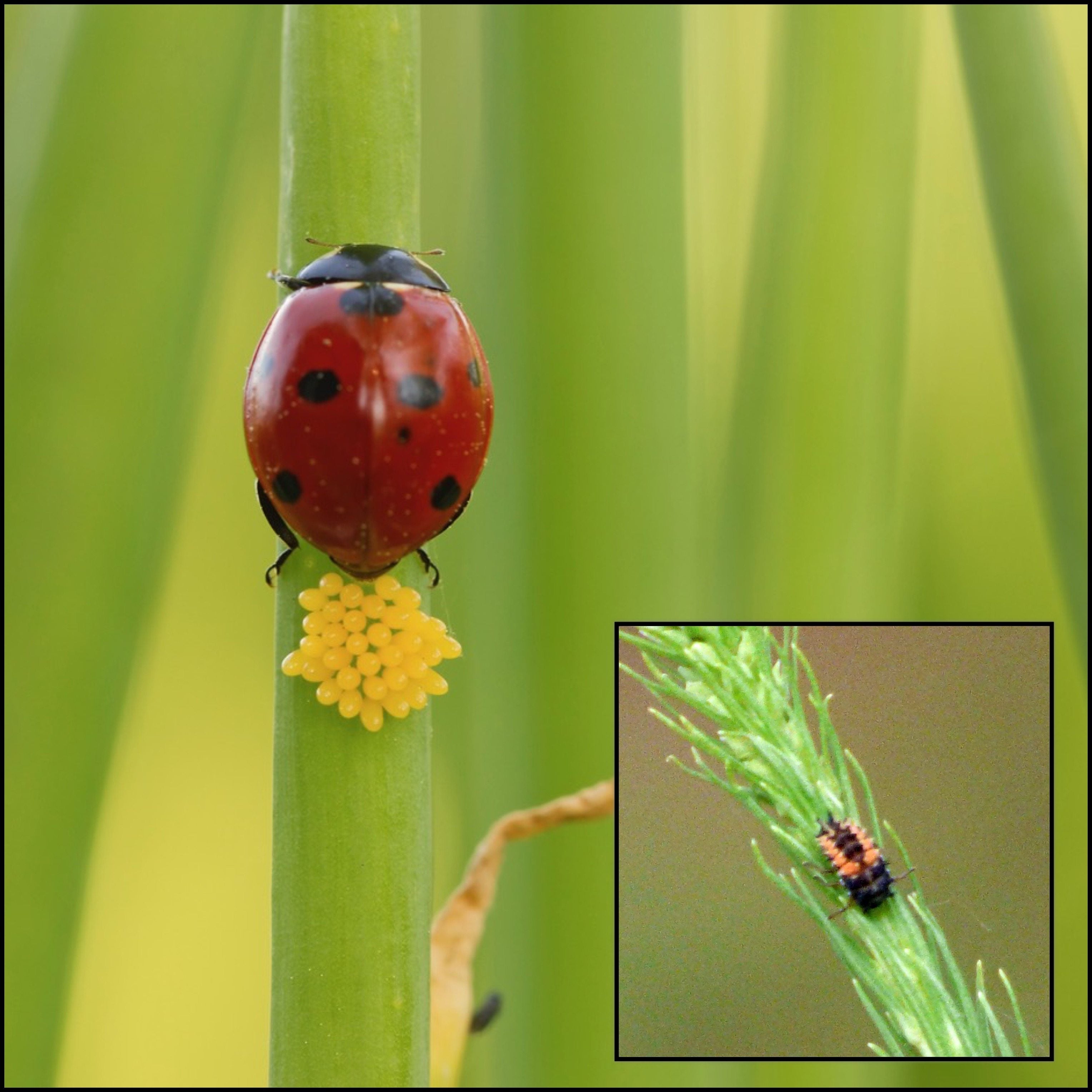
Attracting adults is only half the battle. To establish a permanent population, you must support all life stages—each plays a critical role in pest control.
Encourage Egg Laying Near Pest Colonies
Ladybugs lay bright yellow-orange eggs directly on aphid-infested leaves so larvae have food the moment they hatch.
Look for:
• Tiny, oval-shaped eggs in tight clusters
• Undersides of leaves near curled or sticky stems
If you spot them, do not remove or spray. This is nature’s pest control in action.
Protect the Hungry Ladybug Larvae
Ladybug larvae don’t look like their parents—they’re black with orange spikes and resemble tiny alligators. But they’re aphid-eating machines, consuming up to 400 before pupating.
Avoid using any sprays near them, including organic options like neem oil or insecticidal soap. Even gentle treatments can kill larvae or disrupt development.
Warning: Never mistake larvae for pests. They’re your most effective allies.
Preserve Pupae for Next-Generation Adults
After feeding, larvae attach to stems and form yellow-orange pupae. They remain still for 7–10 days while transforming into adults.
Leave them undisturbed on:
• Rose canes
• Kale or broccoli stalks
• Tomato stems
Look for small, blob-like cases stuck to upright surfaces—this means new ladybugs are on the way.
Let Aphids Stay to Keep Ladybugs Fed
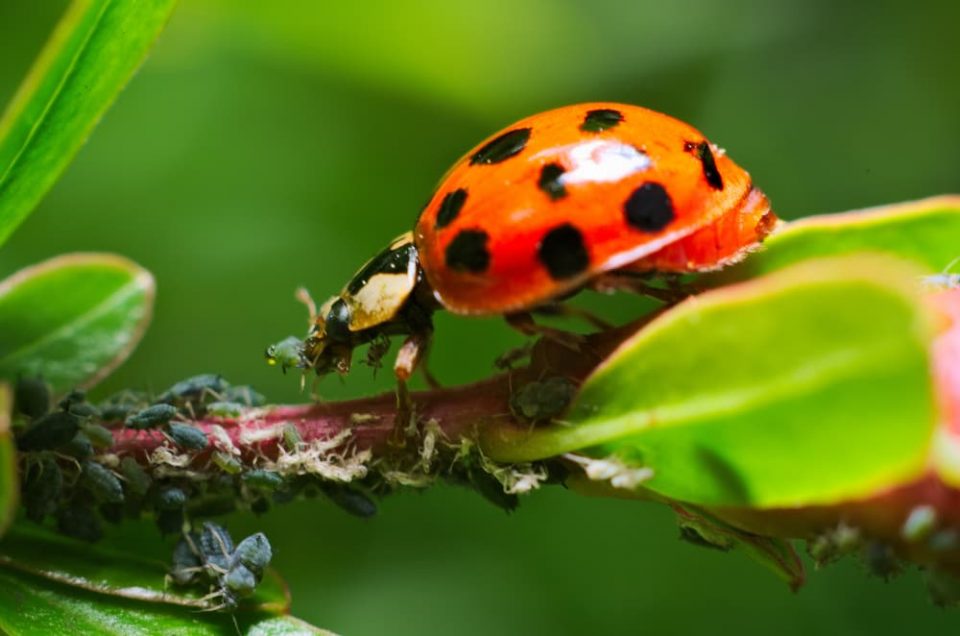
Here’s the truth: you need aphids to keep ladybugs.
Aphids are the primary food source for larvae and a major part of adult diets. A completely clean garden sends ladybugs packing.
Stop Over-Reacting to Early Infestations
Many gardeners spray at the first sign of aphids. But this eliminates the very food that attracts and sustains ladybugs.
Instead:
• Monitor aphid levels weekly
• Use a strong water spray to knock off heavy clusters
• Leave light infestations for ladybugs to clean up
Rule of thumb: If leaves aren’t distorted or plants aren’t stunted, let nature handle it.
Use Sacrificial Plants as Aphid Bait
Grow nasturtiums, calendula, or milkweed near vegetable beds to draw aphids away from prized crops.
These “trap plants” become feeding zones that lure in ladybugs and keep them nearby. Over time, this creates a self-regulating system: more aphids = more ladybugs = fewer aphids.
Provide Winter Shelter for Returning Ladybugs
Ladybugs overwinter as adults, hiding in protected spots until spring. If your garden offers safe refuge, they’ll return year after year.
Leave Garden Debris for Hibernation
Instead of a full fall cleanup, leave stems, leaf litter, and dried foliage in place.
They shelter in:
• Hollow plant stems
• Under bark or mulch
• Clumps of fallen leaves
• Dense ground covers like ivy or vinca
These microhabitats protect them from freezing temps and predators.
Delay Garden Cleanup Until Spring
Wait until early spring, after temperatures stay consistently above 50°F (10°C), before cutting back old growth.
By then, ladybugs have emerged and flown to new plants. A “messy” winter garden is a sign of ecological health—not neglect.
Expert note: A tidy garden in fall means fewer beneficials in spring.
Avoid Pesticides That Harm Beneficial Insects
Even organic sprays can kill ladybug eggs, larvae, and adults. Broad-spectrum treatments disrupt the balance you’re trying to build.
Skip Neem Oil on Active Ladybug Zones
Neem oil is natural but can interfere with ladybug development if sprayed directly on feeding or breeding sites.
Use it only when no beneficials are present—and never on plants with eggs, larvae, or pupae.
Use Physical Pest Controls Instead
For serious outbreaks, try:
• Water blasts to dislodge aphids
• Pruning heavily infested tips
• Row covers to protect young plants
These methods protect crops without harming allies.
Build a Year-Round Ladybug Habitat
A seasonal garden won’t sustain ladybugs. You need continuous resources across all months.
Stagger Bloom Times for Constant Nectar
Plant flowers that bloom in sequence to feed adults all season.
Try this rotation:
• Spring: Alyssum, flowering cilantro
• Summer: Dill, cosmos, yarrow
• Fall: Marigolds, asters, goldenrod
This ensures food is available from early emergence through late reproduction.
Add Native Plants for Local Support
Native perennials like goldenrod (Solidago), milkweed (Asclepias), and purple coneflower (Echinacea) support local ladybug species better than exotics.
They’re adapted to your climate and co-evolved with native insects—plus they attract lacewings and hoverflies.
Monitor Progress and Be Patient
Ladybug attraction takes time—weeks or months—especially if your garden lacks biodiversity.
Watch for Key Signs of Success
Look for:
• Eggs on aphid-infested leaves
• Larvae crawling on stems
• Pupae on plant surfaces
• Adults feeding or mating
Their presence means your ecosystem is working.
Track Changes Over Time
Keep a simple journal or take weekly photos to note:
• When ladybugs appear
• Which plants they use
• Aphid levels over time
You’ll likely see pest pressure drop as populations grow.
Why Native Ladybugs Beat Purchased Ones

Most sold ladybugs are Hippodamia convergens, harvested from wild western populations. But they’re not adapted to local conditions.
Problems include:
• 95% fly away within 48 hours
• Risk of spreading disease to native species
• Outcompete local ladybugs for resources
In contrast, native ladybugs stay, breed, and return—because they’re already adapted to your garden.
Bottom line: Let local populations thrive instead of importing outsiders.
Design a Ladybug-Friendly Garden Layout
Smart design increases habitat value and makes it easier for ladybugs to find food and shelter.
Group Plants into Insectary Zones
Cluster beneficial-attracting plants together near pest-prone areas.
Examples:
• Dill + cosmos + alyssum near tomatoes or brassicas
• Fennel + yarrow near roses or peppers
This creates feeding and breeding hotspots.
Use Layered Planting for Maximum Shelter
Mix tall flowers, medium herbs, and low ground covers to create depth.
Benefits:
• More hiding spots
• Better microclimates
• Increased insect diversity
Add trellises with climbing beans or clematis for vertical habitat.
Frequently Asked Questions About Attracting Ladybugs to Garden
Do ladybugs really help control aphids?
Yes. Each adult eats up to 50 aphids daily, and larvae consume up to 400 before becoming adults. They’re one of the most effective natural predators.
What plants attract the most ladybugs?
Alyssum, dill, fennel, yarrow, cosmos, and marigolds are top choices. Let herbs flower to maximize appeal.
Should I buy ladybugs for my garden?
No. Most released ladybugs fly away within hours. They’re not adapted to your area and may carry disease. Focus on attracting native ones instead.
Why aren’t ladybugs staying in my garden?
They may lack food (aphids), nectar sources, or overwintering shelter. Ensure all life stages are supported year-round.
Can I use neem oil if I want ladybugs?
Only when no ladybugs are present. Avoid spraying on plants with eggs, larvae, or pupae—neem can disrupt their development.
How long does it take to attract ladybugs naturally?
It can take several weeks to months, especially if rebuilding biodiversity. Be patient—once they arrive, they’ll return each year.
Key Takeaways for Building a Ladybug-Powered Garden
• Plant nectar-rich flowers and herbs like alyssum, dill, and yarrow to feed adults.
• Tolerate light aphid infestations to feed larvae and encourage egg laying.
• Avoid all pesticides, even organic ones, near active ladybug zones.
• Leave stems and leaf litter over winter to support hibernation.
• Wait until spring to clean up garden debris.
• Be patient—native ladybugs will come when conditions are right.
Start with one or two changes this season. Over time, your garden will become a self-sustaining haven where ladybugs thrive—and pests stay in check.