Turning your outdoor area into a vibrant retreat is easier than you think. Knowing how to decorate garden spaces with intention can transform even the smallest balcony or neglected backyard into a personal oasis. By combining color, structure, lighting, and personality, you can create a space that’s not only beautiful but also functional and inviting year-round.
This guide reveals practical, budget-friendly ways to decorate garden areas using seasonal plants, vertical designs, sensory elements, and DIY decor. You’ll learn how to attract pollinators, add nighttime charm with solar lights, and express your style through unique planters and art. Whether you’re a beginner or looking to refresh your current layout, these proven strategies will help you design a garden that reflects your taste and thrives in every season.
Choose a Color Theme for Visual Impact

Pick a Cohesive Color Palette
A unified color scheme instantly elevates your garden’s appearance. Instead of random plantings, select 2–3 dominant colors to create harmony. Soft pastels like pinks, lavenders, and creams bring calm, making them ideal for relaxation zones. For energy and warmth, go bold with reds, oranges, and yellows—perfect near dining areas. Cool blues and purples add depth and make small spaces feel larger.
Use white or green as neutral accents to prevent visual overload. Sticking to one theme helps your garden look intentional and polished, no matter the size.
Plant in Bold Clusters
Scattering single flowers weakens visual impact. Instead, plant in groups of 3–7 identical blooms to create strong focal points. A tight cluster of zinnias or dahlias stands out far more than isolated plants.
Repeat color blocks in different areas—like placing marigolds near the front path and echoing them beside a bench—to guide the eye and build rhythm throughout the space.
Define Edges with Low-Growing Plants
Sharp borders give flower beds a clean, finished look. Use low-maintenance edging plants like boxwood or creeping thyme to outline your planting zones. These not only frame the bed but also reduce weeds and soil erosion.
Creeping thyme doubles as a sensory delight—its fragrance releases when walked on, making it perfect for garden paths.
Plan for Year-Round Color
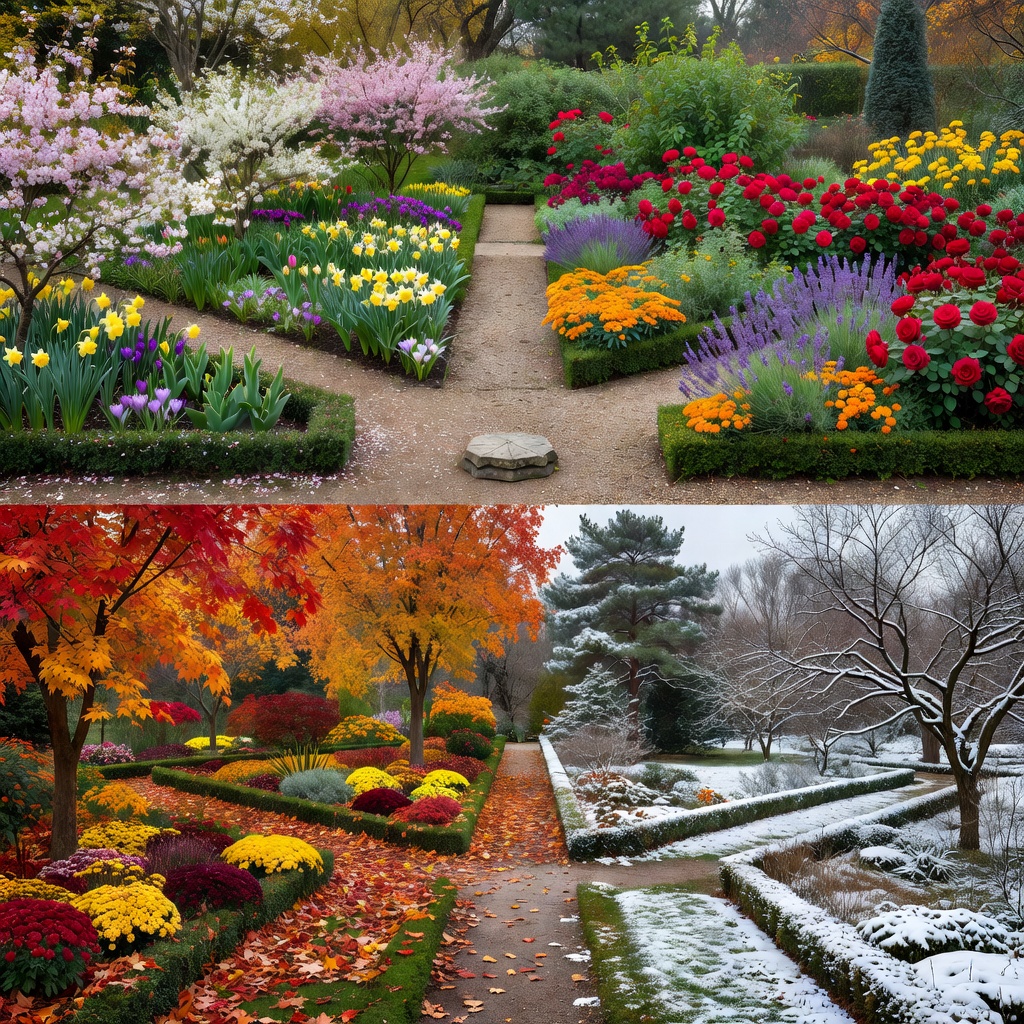
Spring: Brighten with Early Bloomers
Start strong with spring flowers that emerge as temperatures rise. Plant bulbs in fall for a vibrant display:
– Tulips – available in endless colors and heights
– Daffodils – pest-resistant and long-lasting
– Pansies – charming, frost-tolerant blooms
Place them in sunny spots and pair with evergreen ground covers for contrast and structure.
Summer: Maximize Vibrancy and Height
Summer is peak bloom time. Fill your garden with heat-loving, high-impact flowers:
– Sunflowers – dramatic height that attracts birds
– Petunias – spill beautifully from containers
– Geraniums – reliable, drought-tolerant, and long-blooming
Add vertical interest by training morning glories or clematis on trellises.
Fall: Extend the Season with Hardy Blooms
Keep color alive into autumn with mums (chrysanthemums) in rich reds, golds, and purples. Snapdragons add whimsy and height, thriving in cooler weather.
Plant these in late summer so they establish before frost hits.
Winter: Add Subtle Interest
Even in cold months, your garden can shine. In sheltered areas, grow:
– Hellebores – known as “Christmas roses,” blooming in late winter
– Winter aconite – bright yellow flowers that push through snow
These early risers signal spring’s arrival and prevent your garden from looking bare.
Create Flowering Pathways
Line Walkways with Low-Growing Blooms
Transform plain paths into enchanting routes by planting along the edges. Use low-growing, spreading flowers like:
– Narcissus
– Forget-me-nots
– African violets (in shaded areas)
They soften hard lines, add fragrance, and help suppress weeds.
Use Stepping Stones with Creeping Flowers
Install pavers or natural stone stepping stones with gaps between. Fill spaces with creeping plants like thyme or miniature daisies. As they grow, they’ll spill over, creating a lush, natural look.
This design also prevents mud buildup and improves safety during wet weather.
Mix Beauty with Function
Grow Edible and Fragrant Flowers
Some flowers do double duty—looking stunning and serving your kitchen or wellness routine. Try:
– Nasturtiums – peppery edible blooms great in salads
– Calendula – vibrant petals used in teas and skincare
– Lavender – calming scent, deters pests, perfect for drying
Plant these near kitchen windows or herb gardens for easy access.
Attract Pollinators and Deter Pests Naturally
Boost biodiversity with flowers that support bees, butterflies, and beneficial insects:
– Calendula – attracts hoverflies that eat aphids
– Lavender – draws pollinators and repels mosquitoes
Rely on these natural allies instead of chemical pesticides.
Add Vertical Interest
Install Trellises and Climbing Structures
Go up, not out. Vertical gardening adds depth and saves space—ideal for small yards or balconies. Use:
– Trellises
– Fences
– Wall-mounted planters
Attach climbers like honeysuckle, clematis, or morning glories for a living wall of color and fragrance.
Build a Living Wall with Recycled Pallets
Turn an old wooden pallet into a vertical garden:
1. Lay it flat and line with landscape fabric
2. Fill with soil
3. Plant herbs, succulents, or trailing flowers like lobelia
Once planted, stand it upright against a wall. It’s a low-cost way to green up unused spaces.
Light Up the Garden

Use Solar Pathway Lights for Ambiance
Solar-powered lights are simple to install and free to run. Place them:
– Along walkways
– Around seating areas
– Near garden borders
They improve nighttime safety and create a magical glow after dark.
Match Lights to Your Garden Style
Choose designs that reflect your theme:
– Rustic – lantern-style or copper fixtures
– Modern – sleek geometric shapes
– Whimsical – fairy-tale or animal-shaped lights
Even a few well-placed lights can transform your garden’s evening mood.
Add Art and Personality
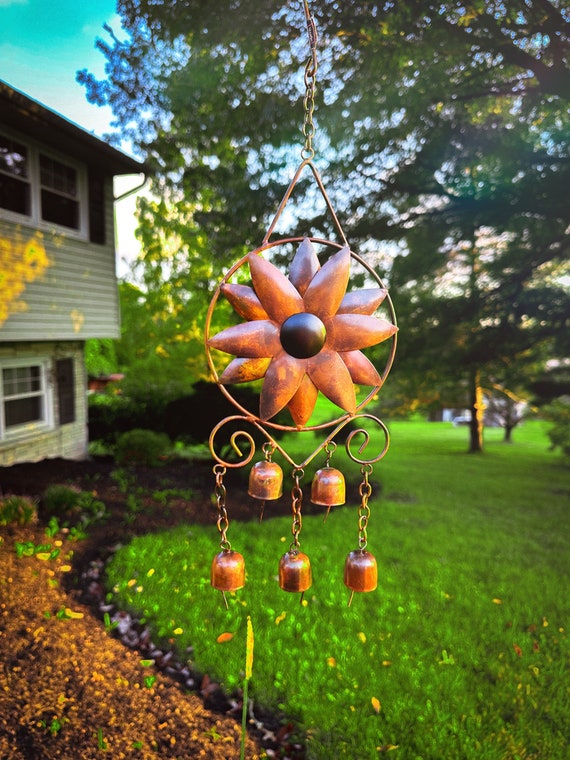
Place Statues and Wind Chimes Strategically
Garden art adds character and becomes a focal point. Consider:
– Handcrafted statues (birds, animals, abstract forms)
– Metal art pieces
– Wind chimes – add gentle sound and movement
Position them where they’ll catch attention—near a pond, at a pathway turn, or in a quiet corner.
DIY a Bird Bath from Repurposed Items
Turn a broken terracotta pot, old bowl, or stone basin into a bird bath:
1. Stack a large saucer on a pedestal
2. Add a recirculating pump for moving water
3. Place in a visible, quiet spot
Moving water attracts birds and creates soothing sounds.
Use Creative Planters
Choose Unique Containers
Planters are more than functional—they’re style statements. Try:
– Vintage teapots
– Old boots
– Geometric metal planters
– Painted ceramic pots
These add whimsy and reflect your personality.
Mix and Match Styles
For an eclectic look, combine materials and colors. Use a few matching planters for balance, then add contrasting ones for interest. Always ensure proper drainage.
Design for All Senses
Engage Sight, Smell, Sound, and Touch
A truly inviting garden appeals to all senses:
– Sight: Use color blocks and height variation
– Smell: Plant lavender, honeysuckle, or roses
– Sound: Add wind chimes or a small fountain
– Touch: Include fuzzy lamb’s ear, smooth stones, or rough bark
This multi-sensory approach makes your garden more immersive and relaxing.
Adapt to Your Space
Small Balcony? Go Vertical
If space is tight:
– Use wall-mounted planters
– Hang baskets with trailing flowers
– Choose compact or dwarf plant varieties
– Scale down decor—small statues, mini lights
Maximize every inch with railing planters and foldable furniture.
Large Backyard? Create Garden “Rooms”
In spacious areas, divide the garden into zones:
– A dining area with bold flowers
– A quiet corner with soft colors and a bench
– A wildlife zone with native plants and a bird bath
Use hedges, trellises, or pathways to separate spaces.
Maintain for Lasting Beauty
Group Plants by Sun and Water Needs
Save time and keep plants healthy by grouping those with similar needs. For example:
– Place drought-tolerant succulents together
– Keep shade lovers (like African violets) in cool spots
– Water-loving plants near the hose or rain barrel
This reduces stress and maintenance.
Deadhead and Rotate Seasonally
Remove spent blooms (deadheading) to encourage new growth. At the end of each season, rotate annuals to prevent soil depletion and disease.
Keep a simple seasonal checklist:
– Spring: Plant tulips, daffodils
– Summer: Add petunias, sunflowers
– Fall: Plant mums, snapdragons
– Winter: Protect hellebores, clean tools
Choose a Style That Fits You
Minimalist: Clean and Calm
- Use simple geometric planters
- Stick to one or two colors
- Limit decor to one or two sleek pieces
- Focus on structure over clutter
Ideal for modern homes and low-maintenance lovers.
Rustic: Natural and Cozy
- Use terracotta, stone, and wood
- Repurpose old items (teapots, boots)
- Choose traditional flowers like marigolds and daisies
- Embrace a slightly wild, cottage look
Perfect for country homes and nature lovers.
Whimsical: Playful and Fun
- Add fantasy statues (fairies, dragons)
- Mix bright colors and patterns
- Use quirky planters and colorful lights
- Let creativity run wild
Great for families and creative personalities.
Modern: Sleek and Stylish
- Use angular planters and clean lines
- Install contemporary solar lights
- Choose structured plants like boxwood
- Keep decor minimal but striking
Suits urban gardens and contemporary homes.
Eclectic: Personal and Curated
- Mix styles, textures, and colors
- Combine matching and contrasting elements
- Showcase handmade or travel souvenirs
- Let your garden tell your story
Best for those who love self-expression.
Frequently Asked Questions About How to Decorate Garden
How can I decorate my garden on a budget?
Use recycled materials like old boots, teapots, or pallets for planters and vertical gardens. Plant seasonal flowers from seeds, and make your own bird bath from repurposed containers. Solar lights are affordable and require no wiring.
What flowers bloom all year round?
No single flower blooms year-round in most climates, but you can achieve continuous color by planning seasonally. Combine spring tulips, summer sunflowers, fall mums, and winter hellebores for non-stop visual interest.
How do I make a small garden look bigger?
Use vertical gardening with trellises and wall planters. Add mirrors (covered for safety) to create depth. Stick to a simple color palette and include tall plants to draw the eye upward.
How can I attract butterflies and bees?
Plant pollinator-friendly flowers like calendula, lavender, and zinnias. Avoid pesticides and include a water source like a shallow bird bath. Native plants also help attract local wildlife.
What are low-maintenance garden decorations?
Solar lights, decorative stones, and drought-tolerant succulents require little care. Wind chimes and statues need only occasional cleaning. Grouping plants by water needs reduces ongoing effort.
Can I decorate a garden in an apartment?
Yes. Use railing planters, hanging baskets, and vertical walls. Choose compact, sun-loving plants like petunias or herbs. Add fairy lights and small statues to personalize your balcony space.
Key Takeaways for How to Decorate Garden
Creating a beautiful garden doesn’t require a big budget or expert skills. Focus on a cohesive color theme, use vertical space wisely, and include sensory elements like fragrance and sound. Start small—plant a themed bed or install solar lights—and build over time.
Mix function with beauty by growing edible flowers and using natural pest deterrents. Match your decor to your personal style, whether minimalist, rustic, or whimsical. With thoughtful planning and regular care, your garden can be a year-round sanctuary that reflects who you are.