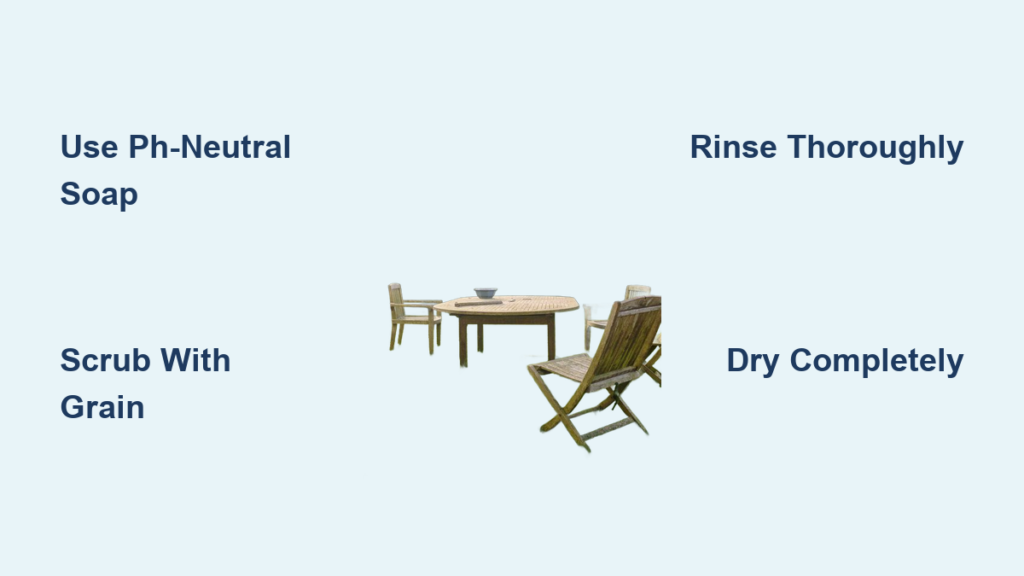
Is your wooden garden furniture looking dull, stained, or covered in grime? Over time, outdoor wood accumulates dirt, algae, and weather damage — but regular cleaning can restore its beauty and extend its life. Knowing how to clean wooden garden furniture properly is essential, especially for premium materials like teak, which benefit from annual maintenance. Left uncleaned, organic buildup can degrade the surface and compromise the wood’s natural durability. In this guide, you’ll learn a simple, effective cleaning routine using the right tools and techniques to keep your outdoor pieces looking their best for years. Whether you’re preparing for summer, refreshing after winter, or maintaining year-round appeal, these steps will deliver professional results without damaging the wood.
Essential Cleaning Tools for Wooden Garden Furniture

Using the correct tools ensures a deep clean without harming the wood’s surface. The wrong brush or cleaner can scratch, fade, or weaken your furniture over time.
Choose the Right Brush for Your Wood Type
Use a soft- to medium-bristle brush designed for outdoor wood. Stiff wire brushes can gouge softer woods like acacia or eucalyptus and damage the grain of teak. A long-handled scrub brush helps you reach tight slats and joints without straining your back. For best results, select an ergonomic outdoor furniture brush with durable, non-abrasive bristles.
Use pH-Neutral Wood Soap — Never Household Cleaners
Avoid dish soap, bleach, or all-purpose cleaners — they strip natural oils and cause discoloration. Instead, use a pH-neutral wood soap formulated for outdoor furniture. These cleaners lift grime and organic growth safely. Brands like Fritz Hansen offer specialized wood soaps in their outdoor care kits, available at fritzhansen.com.
Gather These Additional Supplies
• Bucket of warm water
• Clean microfiber cloths or sponge
• Garden hose with adjustable spray nozzle
• Dry towel for wiping
• Rubber gloves to protect your hands
Do not use a pressure washer unless the manufacturer explicitly approves it. High pressure can etch the wood surface, leading to splintering and moisture retention.
Step-by-Step Guide to Cleaning Wooden Garden Furniture
Follow this method to deep-clean your furniture safely and effectively. The entire process takes 20–40 minutes per piece, depending on size and condition.
Prepare the Furniture and Work Area
Move each piece to an open space like a driveway or lawn where water can drain freely. Remove cushions, covers, or detachable hardware. Sweep away loose leaves, dust, and debris with a dry cloth or brush before wetting the wood.
Dampen the Surface Evenly
Use a garden hose to lightly wet the furniture. Do not soak it — just moisten the surface. Pre-wetting prevents the wood soap from drying too quickly and helps loosen embedded dirt.
Mix and Apply Wood Soap Solution
Combine pH-neutral wood soap with warm water in a bucket, following label instructions. Dip your brush into the solution and gently scrub the wood, always moving with the grain. Focus on areas with dark spots, stains, or rough patches — these often indicate algae or mildew.
Scrub Along the Grain to Prevent Damage
Always brush in the direction of the wood grain to avoid scratches. Pay extra attention to joints, slats, and crevices where dirt builds up. For stubborn areas, let the soap sit for 2–3 minutes before re-scrubbing. Never use steel wool or abrasive pads.
Rinse All Soap Residue Completely
Thoroughly rinse the furniture with clean water from the hose. Leftover soap can attract dirt or cause uneven discoloration. Continue rinsing until the water runs clear.
Dry the Furniture Fully Before Use
Wipe surfaces with a dry microfiber towel to speed up drying. Then place the furniture in direct sunlight or a well-ventilated area for several hours. Never store or cover wood while damp — this encourages mold and warping.
How to Remove Stubborn Stains from Outdoor Wood

Even with regular cleaning, some stains persist. Identify the type before treating to avoid worsening the damage.
Eliminate Algae and Mildew Buildup
Dark green or black patches are typically algae or mildew, common in shaded, humid areas. Reapply wood soap and let it sit for 5 minutes before scrubbing. For severe cases, use an oxygen-based wood cleaner — never chlorine bleach. Always test on a small hidden area first.
Treat White or Gray Water Marks
These are often caused by pooled rainwater. Light marks may fade after cleaning and sun exposure. For deeper discoloration, lightly sand the area with 220-grit sandpaper along the grain, then apply a wood protector.
Clean Food or Oil-Based Spills
Fresh spills should be blotted immediately. For dried grease from food or lotions, apply a small amount of wood-safe degreaser or mild, non-caustic dish soap. Scrub gently, rinse thoroughly, and dry completely. Avoid soaking the wood.
Prevent Long-Term Damage to Wooden Garden Furniture
Cleaning is only half the battle — protection and habits make the difference in longevity.
Clean at Least Once a Year
Teak and other hardwoods should be cleaned annually, ideally in spring or early summer. In coastal or humid climates, a second cleaning in fall helps remove salt and moisture buildup.
Avoid These Common Cleaning Mistakes
• Don’t use power washers unless approved — they can erode wood fibers.
• Never use bleach — it breaks down lignin, weakening the wood structure.
• Don’t leave furniture wet — always dry after rain or cleaning.
• Avoid plastic covers — they trap moisture and promote mold. Use breathable fabric covers instead.
Store Furniture Properly Off-Season
If storing during winter or rainy months, keep furniture in a dry, covered area like a garage or shed. Elevate legs slightly to allow airflow and prevent ground moisture absorption. Store cushions separately in a dry place.
Restore the Natural Color of Weathered Wood
Untreated teak naturally turns silvery-gray from UV exposure. This is protective, but you can restore the warm golden tone if preferred.
Lightly Sand to Reveal Fresh Wood
Use 180–220 grit sandpaper to gently remove the oxidized top layer. Sand evenly with the grain, then wipe with a damp cloth to remove dust. This reveals the original color beneath.
Apply a Wood Brightener for Deep Revival
For more dramatic results, use a wood brightener with oxalic acid. It removes tannin stains and evens out discoloration. Follow instructions carefully and wear gloves and eye protection.
Seal the Wood to Maintain Color
After brightening, apply a UV-protective wood sealant to slow graying. Reapply every 6–12 months depending on sun exposure. Note: sealing requires ongoing maintenance and changes the wood’s natural aging process.
Maintain Your Furniture’s Beauty for Decades
Well-maintained wooden garden furniture can last 20–30 years or more. A consistent care routine preserves both strength and appearance.
Schedule Seasonal Maintenance Checks
Set reminders to inspect furniture each season. Look for:
• Loose screws or joints
• Cracks or splinters
• Mold or insect activity
• Debris trapped in slats
Tighten hardware and address small issues early to prevent bigger repairs.
Rotate Furniture for Even Aging
Sun and rain exposure vary across your yard. Rotate pieces every few months to ensure even weathering and prevent one side from deteriorating faster.
Invest in a Dedicated Care Kit
Brands like Fritz Hansen offer outdoor care kits with a compatible brush and pH-neutral soap. These are tailored to their furniture’s finish, ensuring safe and effective cleaning. Find them at fritzhansen.com or through authorized retailers.
Key Takeaways for Cleaning Wooden Garden Furniture
Cleaning wooden garden furniture doesn’t require harsh chemicals or complex tools — just consistency and the right method. Using a soft brush, pH-neutral soap, and grain-aligned scrubbing removes years of buildup while protecting the wood. Annual cleaning prevents long-term damage, maintains appearance, and honors the craftsmanship of your outdoor pieces. Whether you own teak, eucalyptus, or acacia, this simple routine keeps your garden space looking timeless and inviting. For best results, consider using a brand-specific care kit and inspect your furniture seasonally to catch issues early.
Frequently Asked Questions About Cleaning Wooden Garden Furniture
How often should I clean wooden garden furniture?
Clean at least once a year, preferably in spring. In humid or coastal areas, clean twice a year — once in spring and again in fall — to remove salt, algae, and moisture buildup.
Can I use a pressure washer on teak furniture?
Only if the manufacturer approves it. Most experts advise against pressure washing, as high pressure can damage the wood grain and lead to splintering over time.
Why is my wooden furniture turning black in spots?
Black or dark green spots are usually algae or mildew, especially in shaded, damp areas. Clean with pH-neutral wood soap and rinse thoroughly. For stubborn cases, use an oxygen-based wood cleaner.
Should I oil my wooden garden furniture after cleaning?
Oiling is not necessary for teak, as it contains natural oils. For other hardwoods like eucalyptus, a manufacturer-recommended oil can help maintain color and moisture resistance.
How do I prevent my wooden furniture from turning gray?
The silvery-gray patina is natural and protective. To preserve the golden tone, lightly sand the surface and apply a UV-protective sealant. Reapply the sealant every 6–12 months.
Is it safe to use bleach on outdoor wood?
No. Bleach breaks down lignin, the compound that binds wood fibers, weakening the structure over time. Use oxygen-based cleaners instead for stain removal.