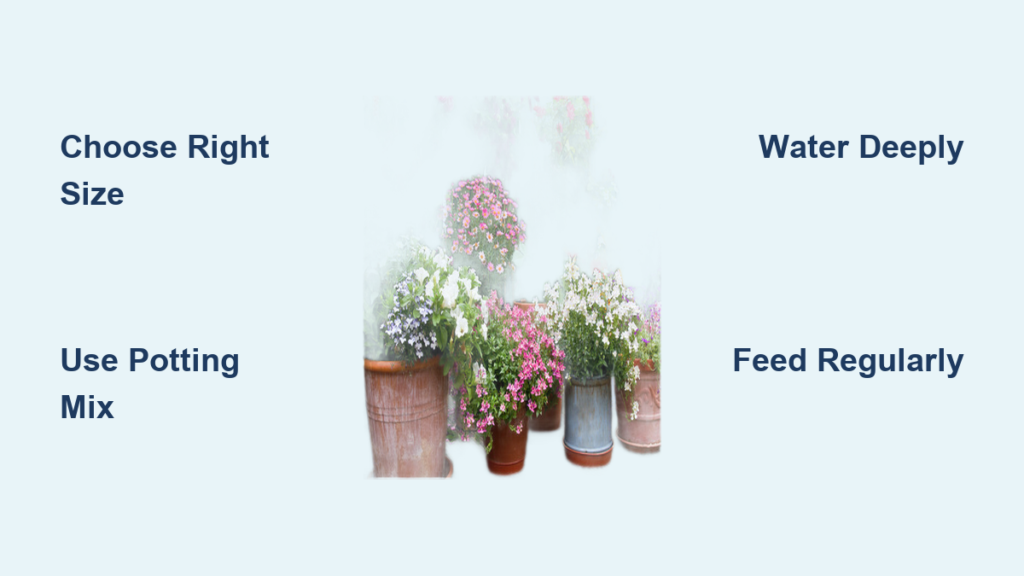
You don’t need a sprawling yard to grow fresh produce, fragrant herbs, or colorful blooms. A container garden brings nature to patios, balconies, fire escapes, and sunny windowsills—ideal for city dwellers, renters, or anyone with limited outdoor space. Whether you’re growing cherry tomatoes in a planter or mint on a kitchen ledge, container gardening is flexible, affordable, and perfect for beginners.
The secret to thriving potted plants? Choosing the right containers, using quality potting mix, and matching plants to your light conditions. Unlike in-ground gardens, containers dry out faster and hold limited nutrients, so they need consistent care. This guide walks you through every step—from picking the best pots to watering wisely—so you can build a lush, productive garden in just a few days.
Choose the Right Size for Your Plants
Match Container Depth to Root Growth
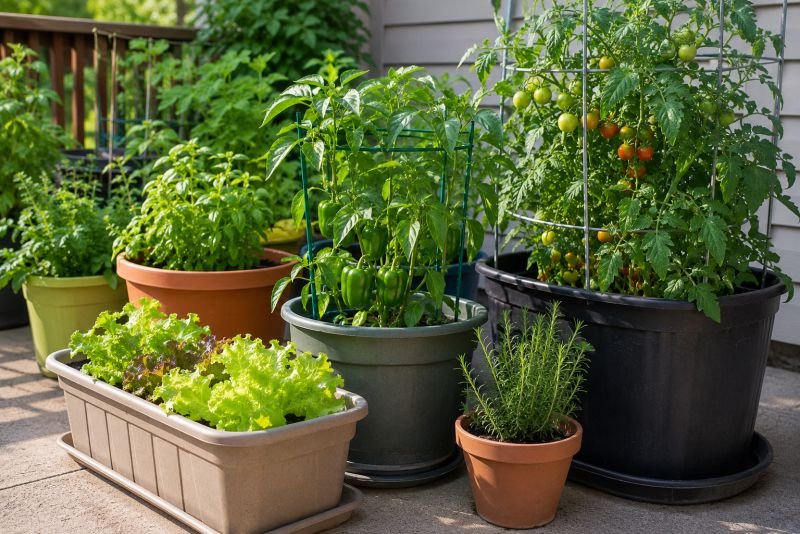
Small pots work for shallow-rooted herbs like thyme or lettuce, but deep-rooted vegetables need room to stretch. A cramped root system leads to stunted growth and poor yields.
Use these size guidelines:
– Herbs & leafy greens: 6–8 inch deep pots
– Peppers & bush tomatoes: 10–12 inch containers
– Vining tomatoes, cucumbers: 14+ inch pots or fabric grow bags
– Dwarf citrus or fig trees: 18–24 inch planters
Too small? Roots circle and choke themselves. Too large? Soil stays wet too long, risking root rot.
Avoid Common Container Mistakes
Never use containers without drainage holes. Standing water suffocates roots and invites disease. If you love a decorative pot without holes, use it as a sleeve—plant in a smaller, functional pot with drainage and slide it inside.
Heavy pots like ceramic or concrete stay stable in wind but are hard to move. Lightweight plastic or fabric bags are portable but dry out fast. Pick based on your space and how often you can water.
Use High-Quality Potting Mix

Skip Garden Soil—It’s Not for Pots
Garden soil compacts in containers, blocks oxygen, and may carry pests or fungi. Instead, use a lightweight potting mix designed for containers. Look for blends that include:
– Peat moss or coconut coir for moisture retention
– Perlite or vermiculite to improve airflow
– Compost or slow-release fertilizer to feed plants over time
Some mixes include moisture-control crystals—great if you travel or forget to water.
Refresh Soil Every Growing Season
Pots lose nutrients quickly, especially after growing heavy feeders like tomatoes. At the start of each season:
– Remove old roots and leftover debris
– Replace half the soil—or all of it for nutrient-hungry plants
– Fluff compacted soil to restore aeration
Fresh mix gives your plants a strong start and prevents nutrient deficiencies.
Pick Plants That Fit Your Space

Start with Beginner-Friendly Crops
New gardeners should choose compact, resilient varieties:
– Vegetables: Cherry tomatoes, radishes, bush cucumbers, peppers
– Herbs: Basil, parsley, chives, oregano
– Flowers: Marigolds, petunias, pansies, nasturtiums (edible blooms!)
Avoid aggressive spreaders like mint in shared pots—grow them solo to prevent takeover.
Match Plants to Your Light Conditions
Sunlight determines what thrives. Check your space daily:
– Full sun (6+ hours): Tomatoes, peppers, basil, zinnias
– Partial sun (3–6 hours): Lettuce, spinach, chives, begonias
– Low light (<3 hours): Pothos, snake plant, peace lily (best for indoor pots)
South-facing spots get the most sun. Use light-colored walls or mirrors to reflect sunlight into shaded areas.
Water Smartly to Prevent Stress
Check Soil Daily in Warm Weather
Containers dry out fast—especially small or fabric pots. Test moisture by sticking your finger 1–2 inches into the soil. If it feels dry, it’s time to water.
In summer, small pots may need watering every day. Self-watering containers or large planters reduce frequency.
Water Deeply Until Drainage Flows
Pour slowly until water runs from the bottom. This ensures roots throughout the pot get hydrated. Shallow watering encourages weak, surface-level roots.
Pro tip: Water in the morning to reduce evaporation and lower the risk of fungal diseases.
Don’t Overwater—Drain Excess Immediately
Yellowing leaves or soggy soil mean overwatering. Always empty saucers under pots within 30 minutes to prevent root rot.
If roots smell rotten or look brown and mushy, cut back watering and improve drainage.
Feed Your Plants Regularly
Pots Need Extra Nutrition
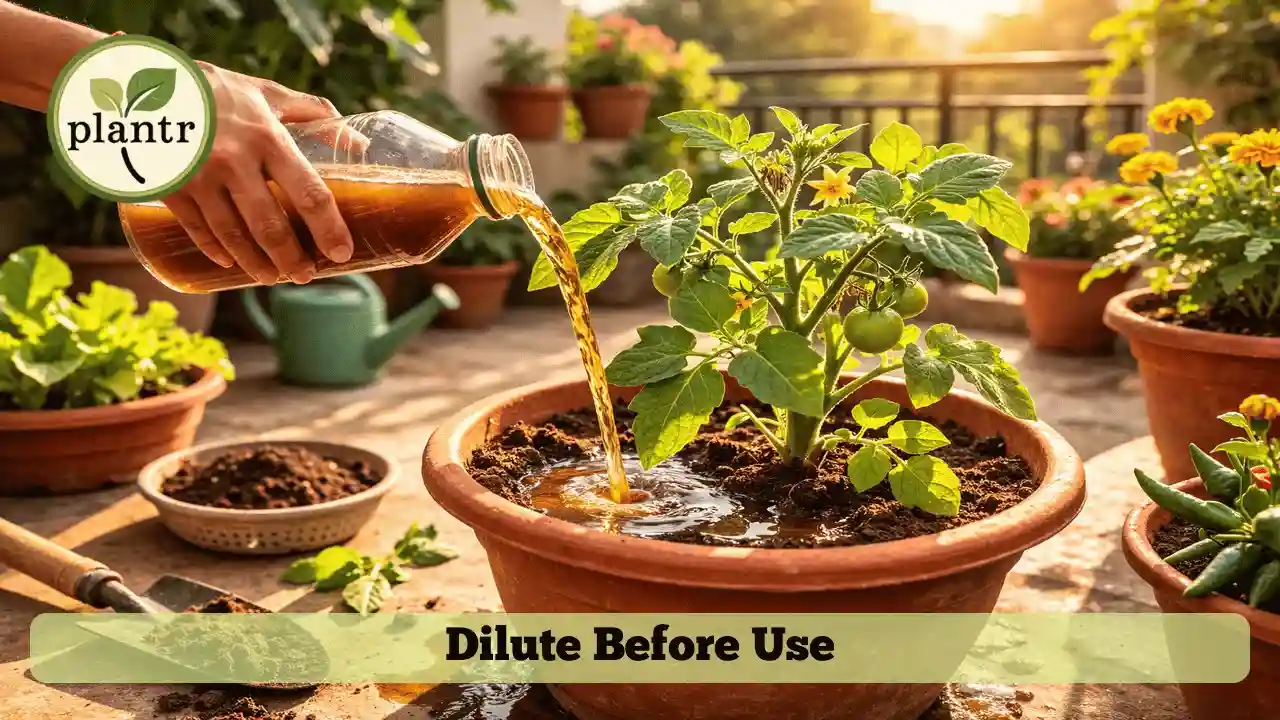
Potting mix has limited nutrients, and watering washes them away. Without feeding, plants grow slowly and produce less.
Use one of these methods:
– Liquid fertilizer every 2–4 weeks (ideal for tomatoes, peppers, herbs)
– Slow-release granules mixed into soil at planting (feeds for 3–6 months)
– Organic options like fish emulsion, seaweed extract, or compost tea
Always follow label instructions—too much fertilizer burns roots and damages plants.
Place Pots Where They’ll Thrive
Maximize Sun and Convenience
Put containers where plants get the right light and you can easily water, harvest, or check for pests. A kitchen windowsill is perfect for snipping basil. A balcony rail suits compact petunias.
Rotate pots every few days so all sides get light—especially indoors where light comes from one direction.
Shield Plants from Temperature Extremes
In hot climates, move dark-colored pots out of afternoon sun—they absorb heat and cook roots. In cold zones, bring tender plants like basil or geraniums indoors before frost.
Use plant caddies with wheels to roll heavy pots inside or into shade when needed.
Maintain Your Container Garden Weekly
Harvest and Prune to Encourage Growth
Regular harvesting keeps plants producing. Snip leafy greens and herbs often to delay bolting (going to seed).
Pinch off dead flowers (deadhead) to keep petunias and marigolds blooming all season.
Inspect for Pests and Disease Early
Check leaves weekly for:
– Aphids (tiny green or black bugs on new growth)
– Spider mites (fine webbing under leaves)
– Fungal spots (yellow or brown patches)
Act fast:
– Blast pests off with a strong spray of water
– Apply insecticidal soap or neem oil
– Remove badly infected leaves to stop spread
Prevent problems by spacing pots for airflow and avoiding wet foliage.
Repurpose Household Items as Planters

Turn Everyday Objects into Pots
You don’t need to buy containers. Try:
– Clean yogurt cups (poke drainage holes first)
– Mason jars (use for herbs with a gravel layer at the bottom)
– Wooden crates (line with plastic to hold soil)
– Hanging shoe organizers (plant herbs or strawberries in pockets)
Ensure all DIY pots have drainage and aren’t made of toxic materials.
Upgrade to Self-Watering Containers
These have a built-in water reservoir that feeds roots as needed—perfect for busy gardeners or hot climates.
Benefits:
– Reduces watering frequency
– Prevents drought stress
– Minimizes root rot with overflow protection
Look for models with clear water level indicators and easy refill tops.
Frequently Asked Questions About Container Gardening
Can I use garden soil in containers?
No. Garden soil compacts in pots, blocks drainage, and may contain pests or diseases. Always use a lightweight potting mix designed for containers.
How often should I water container plants?
Check daily in warm weather. Water when the top 1–2 inches of soil feel dry. Small pots may need daily watering; large or self-watering containers last longer.
What vegetables grow best in containers?
Cherry tomatoes, peppers, lettuce, radishes, and bush cucumbers thrive in pots. Choose compact or dwarf varieties for best results.
Why are my container plant leaves turning yellow?
Yellow leaves often mean overwatering or poor drainage. Check for soggy soil and ensure pots have drainage holes. Nutrient deficiency can also cause yellowing—try feeding with balanced fertilizer.
Can I grow herbs indoors in containers?
Yes. Basil, parsley, chives, and oregano grow well on sunny windowsills. Use a pot with drainage and place in a south-facing window with 6+ hours of light.
Do container plants need fertilizer?
Yes. Pots lack natural nutrients, and watering leaches fertilizer. Feed every 2–4 weeks with liquid fertilizer or use slow-release granules at planting.
Key Takeaways for Starting a Successful Container Garden
A container garden lets you grow fresh food and beautiful plants anywhere—even without a yard. Start by choosing the right-sized pot with drainage, fill it with quality potting mix, and pick plants that match your light conditions. Water when the soil feels dry, feed regularly, and harvest often to keep plants productive.
Begin with a few easy crops like cherry tomatoes or basil, then expand as you gain confidence. With consistent care, your container garden will thrive season after season—bringing flavor, color, and joy to your space.