Does your dog dig up flower beds or your cat vanish into the bushes? You’re not alone. Millions of pet owners struggle to balance a beautiful outdoor space with the needs of their furry companions. The good news? You don’t have to choose between a lush garden and a happy pet. With smart planning, you can create a pet-friendly garden that’s safe, engaging, and easy to maintain.
A pet-friendly garden isn’t just about avoiding toxic plants—it’s about designing a space where your pets can explore, play, and relax without damaging your landscaping or risking their health. Whether you have a playful puppy, a curious kitten, or a senior dog who loves sunbathing, this guide will show you how to build a yard that works for both you and your pets. From choosing safe plants to creating designated play zones, we’ll cover every step to transform your outdoor space into a shared sanctuary.
Choose Non-Toxic Plants for Your Pet-Safe Garden

Avoid These Commonly Poisonous Plants
Many popular garden plants are dangerous for pets. Lilies are deadly for cats—even a small nibble can lead to kidney failure. Azaleas, sago palms, and oleander are highly toxic to dogs and may cause vomiting, seizures, or worse. Keep these out of your yard entirely.
Daffodils, tulips, and chrysanthemums also pose risks, potentially causing stomach upset or skin irritation. Always consult the ASPCA’s list of toxic and non-toxic plants before adding greenery to your garden.
Plant These Safe and Attractive Alternatives
Replace hazardous species with pet-safe options that still deliver beauty and color. Marigolds, sunflowers, and snapdragons add vibrancy without risk. Herbs like rosemary, thyme, and basil are non-toxic and naturally repel pests.
For ground cover, try Irish moss or woolly thyme—both are soft underfoot and safe if chewed. Ornamental grasses such as blue fescue offer visual interest and are completely harmless to pets.
Use Raised Beds to Protect Delicate Plants
Install raised planters at least 12 inches high to keep flowers and vegetables out of reach from curious noses and digging paws. Wooden, stone, or composite beds work well when placed near seating areas or along quiet borders.
Line the inside with hardware cloth if your pet is a persistent digger. Fill with well-draining soil and position away from high-traffic pet zones to minimize temptation.
Design Safe and Fun Play Zones for Pets
Build a Designated Digging Pit
Digging is natural behavior, especially for dogs. Instead of discouraging it entirely, redirect it with a sandbox or digging pit in a shaded corner.
Fill it with soft soil or sand and bury toys or treats to encourage use. For dogs, add a piece of used bedding to make the area more inviting. Supervise early sessions and reward your pet for using the pit—it saves your lawn and satisfies instinctual needs.
Install Secure, Pet-Safe Fencing
Keep your pet contained and safe with smooth wood, vinyl, or composite fencing at least 4–5 feet tall. Avoid chain-link or sharp-edged materials that can injure paws or fur.
For escape artists, bury the bottom 6–12 inches of fencing or install an L-footer to prevent tunneling. Use self-closing, latch-secured gates—especially important for agile cats or strong dogs.
Electric fences are not recommended for young pets or those with anxiety, as they can cause stress and confusion.
Add Shade Structures and Sheltered Rest Areas
Pets can overheat quickly in direct sunlight. Install a doghouse, pergola, or pop-up canopy in a quiet part of the yard.
Ensure the shelter is large enough for your pet to stand, turn, and lie down comfortably. Use breathable, weather-resistant materials and elevate the floor slightly to prevent moisture buildup. Place it near water and away from noisy areas so your pet feels secure.
Use Durable, Pet-Safe Ground Coverings
Replace Weak Grass with Resilient Alternatives
Traditional lawns often can’t withstand heavy pet traffic. Urine spots, digging, and constant running create bare patches and mud.
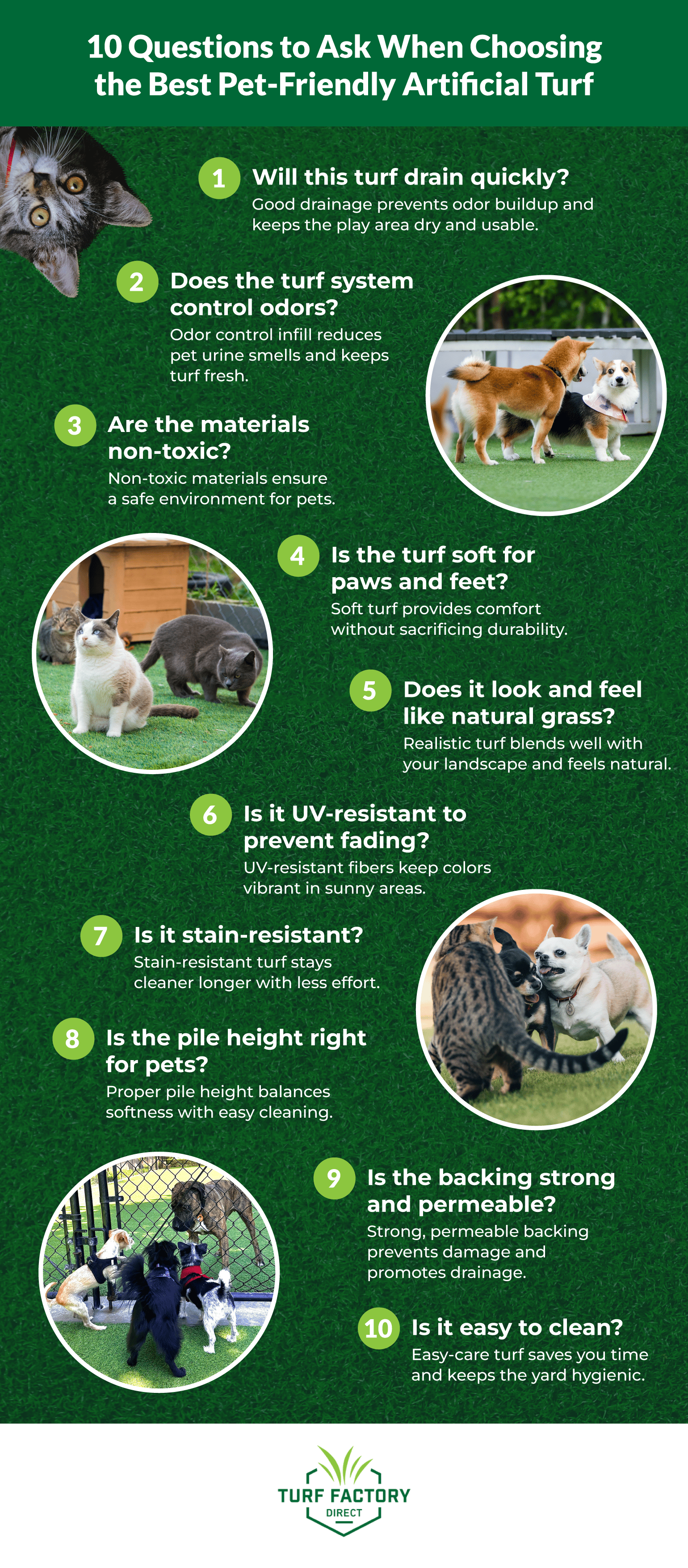
Switch high-use zones to artificial turf designed for pets—look for varieties with antimicrobial backing and excellent drainage. It stays green year-round and cleans easily with water or pet-safe disinfectants.
Microclover is another great option. It’s soft, drought-tolerant, naturally repels fleas, and is safe if eaten. It recovers quickly from wear and tear.
Lay Pavers or Gravel for Low-Maintenance Paths
Create durable walkways using permeable pavers, flagstone, or river rock to protect grass and guide pets along preferred routes.
These surfaces reduce mud and are easy to clean. Leave gaps between pavers and fill them with pet-safe ground cover like thyme or sedum.
Avoid jagged stones or loose gravel that could injure sensitive paw pads. Keep paths wide—minimum 2 feet for small pets, 3+ feet for larger dogs.
Choose Safe Mulch Over Toxic Types
Never use cocoa bean mulch—it smells like chocolate and is highly toxic to dogs, potentially causing seizures or death. Pine needles can splinter and injure mouths or paws.
Opt for shredded bark, cedar (in moderation), or rubber mulch in play areas. Cedar naturally deters insects but may irritate sensitive pets—test a small area first.
Set Up Outdoor Water and Feeding Stations

Provide Constant Access to Fresh Water
Pets need hydration, especially in hot weather. Place multiple water bowls in shaded spots, away from direct sun and dirt.
Upgrade to a solar-powered pet fountain with moving water—it encourages drinking and stays cleaner longer. Choose models that are easy to disassemble and clean.
Elevated bowls reduce neck strain, especially for large or senior dogs.
Create Weatherproof Feeding Zones
If you feed pets outdoors, use a covered station to protect food from rain, bugs, and wildlife. Mount bowls on a stand near the kitchen door for convenience.
Use stainless steel or ceramic bowls—they’re more hygienic than plastic and won’t leach chemicals. Clean them daily to prevent bacterial growth.
Never leave food out all day—it attracts raccoons, ants, and other pests.
Keep Pests and Odors Under Control Naturally
Use Pet-Safe Pest Prevention Methods
Avoid chemical pesticides and herbicides—they can poison pets through skin contact or ingestion.
Sprinkle food-grade diatomaceous earth in problem areas to control fleas, ticks, and ants. Reapply after rain. Use beneficial nematodes to kill grubs without harming pets or plants.
Plant marigolds, lavender, or lemongrass—they naturally repel mosquitoes and flies while enhancing your garden’s appeal.
Eliminate Yard Odors Without Harsh Chemicals
Pet urine and waste can create lingering smells, especially in damp spots. Sprinkle baking soda on affected areas, then rinse with water.
For deeper cleaning, use an enzyme-based outdoor cleaner. Rake up waste daily and hose down high-traffic zones weekly.
Install a small gravel or artificial turf “potty patch” for easy sanitation. Avoid ammonia-based cleaners—they mimic urine scent and may encourage repeat marking.
Add Enrichment Features for Mental Stimulation
Build a DIY Pet Obstacle Course
Boredom leads to destructive behavior. Prevent it with a simple agility course using safe, homemade elements.
Use low PVC pipe hurdles, tunnels made from large drainage tubes, and weave poles from sturdy stakes. Rotate features weekly to keep things fresh.
Always supervise training and reward with treats or playtime to reinforce positive engagement.
Create a Scent Exploration Garden
Dogs rely heavily on their sense of smell. Design a “sniff garden” with fragrant herbs like mint, lavender, and lemon balm.
Bury scented toys or sprinkle pet-safe spices like cinnamon in the soil to encourage natural foraging.
Avoid essential oils or concentrated extracts—they can be toxic if licked.
Maintain a Clean and Low-Maintenance Pet Garden
Follow a Daily Cleanup Routine
Spend 5–10 minutes each day removing waste, refilling water, and checking for hazards. Pick up fallen fruit, sticks, or broken toys that could cause injury.
Use a pooper scooper with a bag dispenser for quick cleanup. Store waste in a sealed bin until disposal.
This small habit keeps your yard hygienic and extends the life of your landscaping.
Conduct Monthly Safety Inspections
Walk your garden monthly to spot potential dangers. Check fencing for damage, inspect plants for chewing, and test water features for leaks.
Trim overgrown branches, remove thorny weeds, and replace worn toys. Look for holes or escape routes and fix them immediately.
Keep a maintenance log to track tasks and seasonal updates.
Frequently Asked Questions About Pet-Friendly Gardens
What are the most dangerous plants for pets in a garden?
Lilies, azaleas, sago palms, and oleander are highly toxic to pets. Daffodils, tulips, and chrysanthemums can also cause illness. Always verify plant safety using the ASPCA’s database before planting.
How can I stop my dog from digging up the garden?
Redirect digging behavior by creating a designated sandbox or digging pit. Bury toys or treats and reward use. Supervise early sessions to reinforce the habit.
Is artificial turf safe for pets?
Yes, pet-specific artificial turf with antimicrobial backing and good drainage is safe and durable. It resists urine damage and is easy to clean with water or pet-safe disinfectants.
What kind of fencing is safest for dogs and cats?
Smooth wood, vinyl, or composite fencing at least 4–5 feet high is safest. Bury the bottom 6–12 inches or install an L-footer to prevent digging. Use self-latching gates.
Can I use mulch in a pet-friendly garden?
Yes, but avoid cocoa bean mulch and pine needles. Use shredded bark, cedar (in moderation), or rubber mulch instead—these are safer if ingested or contacted.
How do I keep pests out without harming my pet?
Use food-grade diatomaceous earth, beneficial nematodes, or pest-repelling plants like marigolds and lavender. Avoid chemical pesticides that can poison pets through contact or ingestion.
Key Takeaways for Creating a Safe and Fun Pet-Friendly Garden
Creating a pet-friendly garden means balancing beauty with safety, freedom with boundaries, and fun with function. By choosing non-toxic plants, installing secure fencing, and using durable ground coverings, you can design a yard that both you and your pets enjoy.
Start small—focus on high-traffic areas like play zones and potty spots—then expand your pet-safe features over time. Add enrichment like digging pits, scent gardens, and obstacle courses to keep pets mentally and physically engaged.
With consistent maintenance and natural pest control, your garden becomes more than just a yard—it becomes a shared haven of health, joy, and connection. Begin today, and transform your outdoor space into a true pet paradise.