Nothing ruins the joy of gardening faster than discovering your hard-earned lettuce riddled with holes or your tomatoes devoured by unseen pests. If you’re tired of losing crops to bugs, you’re not alone—but there is a simple, proven solution. The most effective way to keep bugs out of your vegetable garden isn’t a chemical spray or expensive trap. It’s insect netting—a lightweight, affordable barrier that stops pests before they attack.
After years of trial, error, and crop loss, I discovered that covering my garden beds with insect netting eliminated over 90% of pest problems. No more cabbage worms, aphids, cucumber beetles, or tomato hornworms. Just healthy, thriving plants from seedling to harvest. And the best part? You don’t need special skills or tools—just a smart, proactive approach.
In this guide, you’ll learn exactly how to use insect netting, when to apply it, and what to do if a few pests still sneak through. You’ll also discover how this one tool protects against wind, hail, frost, and even hungry animals. Whether you’re growing carrots, kale, squash, or strawberries, these strategies will keep your garden productive and pest-free—naturally.
Install Insect Netting Early
The key to stopping bugs is prevention, not reaction. Once pests lay eggs or start feeding, damage is already done. That’s why timing matters more than anything.
Cover Plants at Transplant
• Apply netting immediately after planting seedlings.
• Young plants are most vulnerable—protect them from day one.
• Brassicas like cabbage and kale attract cabbage white butterflies within hours if left uncovered.
Use Netting for Direct-Seeded Crops
• Stretch netting over carrots, beets, and lettuce seeds.
• Secure edges with soil, rocks, or landscape pins to prevent gaps.
• Remove only when necessary, such as for thinning or harvesting.
Pro Tip: Even tiny gaps let in pests. Make sure the netting touches the ground all around.
Build the Right Support Structure
Insect netting needs a frame to stay off the plants. If it rests directly on foliage, bugs can still crawl through or damage tender leaves.
Choose a Sturdy Hoop System
• Use PVC pipes bent into hoops and anchored into the soil.
• Space hoops every 3–4 feet along the bed.
• Cover with lightweight floating row cover or insect mesh (20–30 gsm).
Try Pre-Made Vego Covers
• Vego garden covers are zip-up, Velcro-sealed nets on wire frames.
• Easy to install and remove—ideal for beginners.
• Reusable for multiple seasons.
DIY Frame Options
• Build a simple wooden frame with 2x4s.
• Staple netting to the sides and ends.
• Add zippers or flaps for easy access.
Visual Cue: Look for any sagging or contact with plants. Lift the netting if needed using center supports.
Block Common Garden Pests
Different bugs require different strategies—but insect netting stops most before they reach your crops.
Stop Cabbage Worms
• Adult cabbage white butterflies can’t lay eggs through netting.
• No eggs means no green caterpillars chewing holes in your kale or broccoli.
• If you see butterflies fluttering around the net, you know they’re being blocked.
Prevent Cucumber Beetles
• These striped pests spread bacterial wilt and eat squash blossoms.
• Netting keeps them away from cucumbers, zucchini, and melons—until flowering.
Keep Away Tomato Hornworms
• Hornworms are hard to spot until damage is done.
• Use dill as a trap plant near tomatoes.
• If hornworms appear on dill, they’re likely on your tomatoes—but only if uncovered.
Expert Note: Netting doesn’t interfere with watering or sunlight. Most quality mesh allows 85–90% light transmission.
Manage Pollination Needs
Some crops need pollinators—but you can still protect them most of the time.
Remove Netting During Flowering
• Cucumbers, squash, pumpkins, and melons require bees for fruit set.
• Uncover plants when flowers appear.
• Monitor daily for pests once uncovered.
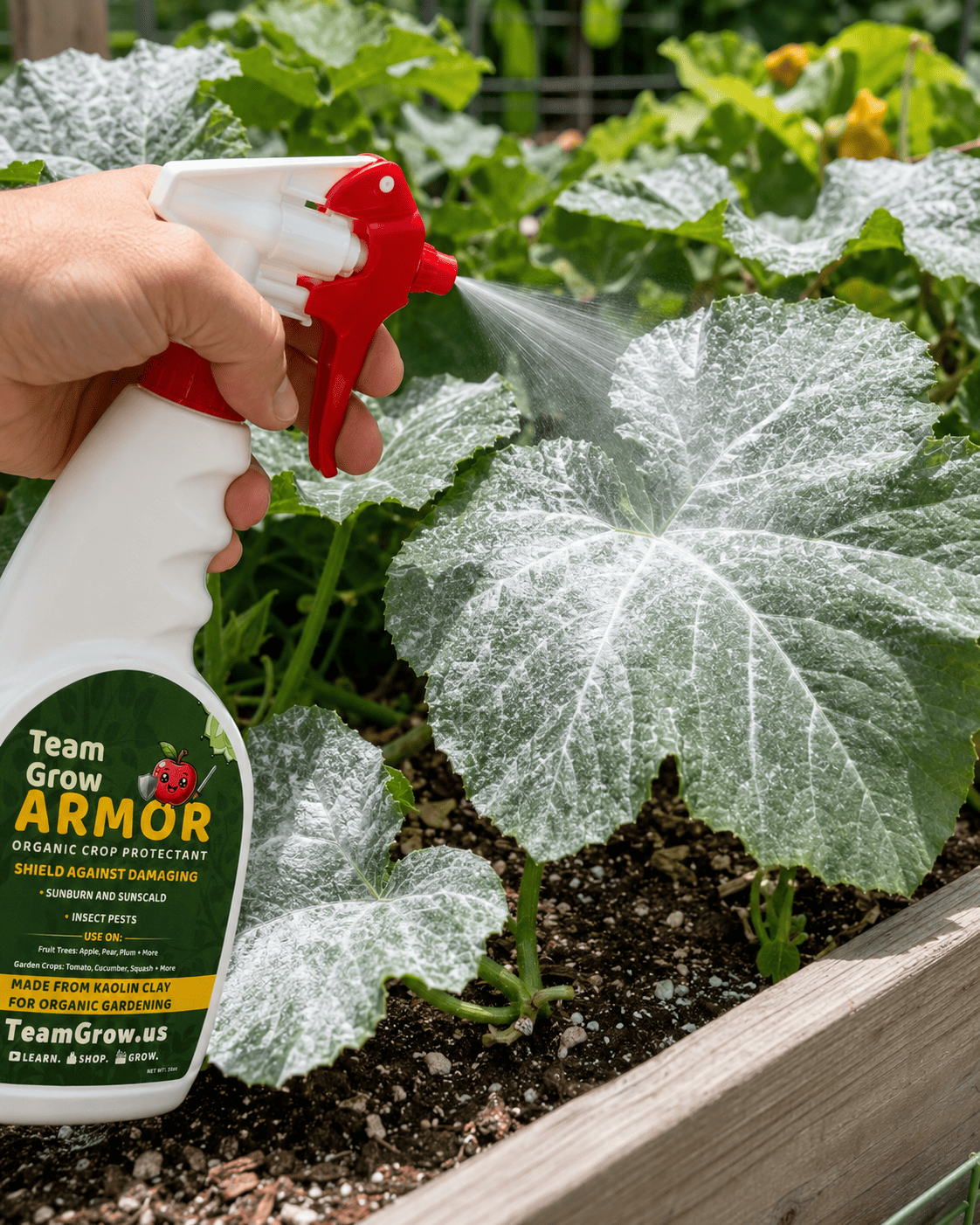
Alternative: Use Kaolin Clay
• Can’t remove netting? Apply Surround® WP (kaolin clay).
• Mix with water and spray on leaves and stems.
• Forms a white film that repels insects and disrupts feeding.
Why it works: Insects avoid the gritty texture and can’t detect the plant easily.
Extend Protection Beyond Bugs

Insect netting isn’t just for pests—it’s a multi-purpose shield for your entire garden.
Defend Against Wind Damage
• Strong spring winds stunt young plants.
• Netting acts as a windbreak, reducing gusts by up to 50%.
• Seedlings grow straighter and stronger.
Survive Hailstorms
• Hard hail bounces off the mesh.
• No bruised leaves or broken stems.
• Plants continue growing without delay.
Add Frost Protection
• Layer a frost blanket over the netting when cold snaps hit.
• Traps heat and prevents freezing.
• Protects crops down to 28°F (-2°C).
Reduce Heat Stress
• In summer, drape 40% shade cloth over the netting.
• Lowers soil temperature and prevents bolting in lettuce and spinach.
Pro Tip: Use removable clips or Velcro to attach shade or frost covers—easy on, easy off.
Deter Animals Naturally

Bugs aren’t the only threat. Birds, rabbits, and squirrels can destroy a garden overnight.
Stop Birds from Eating Crops
• Strawberries, peas, and blueberries disappear fast when birds find them.
• Netting keeps them out completely.
• No need for scarecrows or noise makers.
Block Rabbits and Groundhogs
• These animals chew through low-growing plants like lettuce and bok choy.
• Netting on a frame is too high for them to reach.
• Bury the edges slightly to prevent tunneling.
Prevent Squirrel Digging
• Squirrels dig up soil looking for buried nuts.
• Covered beds look “disturbed” and unappealing.
• No digging means no uprooted seedlings.
Warning: Don’t use bird netting with large gaps—it can trap animals. Use fine mesh (1/4 inch or smaller).
Handle Pests That Get Through
Even with netting, a few pests may appear—especially if you remove covers for pollination.
Cabbage Worms: Use Bt Spray
• Apply Bacillus thuringiensis (Bt) at first sign of damage.
• Organic, safe for bees, and breaks down in sunlight.
• Spray in the evening to avoid UV degradation.
Aphids: Spray Insecticidal Soap
• Mix Safer Insecticidal Soap with water.
• Spray directly on colonies, especially undersides of leaves.
• Kills on contact—no residue.
Plum Curculio & Fruit Pests: Apply Kaolin Clay
• For fruit trees or berries, use Surround® WP.
• Prevents beetles from laying eggs in developing fruit.
• Reapply after heavy rain.
Avoid Neem Oil on Covered Plants: It can harm beneficial insects trapped under netting.
Maximize Yield with Minimal Work
The real benefit of insect netting isn’t just pest control—it’s peace of mind.
Sleep Easy Knowing Crops Are Protected
• No more checking every morning for damage.
• No panic when you see butterflies or beetles nearby.
• Your plants are safe, even when you’re not.
Reduce Reliance on Sprays
• Most organic sprays require perfect timing.
• With netting, you don’t need to spray at all—unless pollinators are active.
Grow More in Less Space
• With protection, you can plant densely (e.g., 16 carrots per sq ft).
• No gaps needed for pest access.
• Higher yields, less weeding.
Real Result: My bok choy grows 3x larger under netting—no competition from pests or animals.
Maintain and Reuse Your Netting
Insect netting lasts for years if cared for properly.
Clean at Season’s End
• Shake off dirt and debris.
• Rinse with a hose if needed.
• Let dry completely before storing.
Store Properly
• Fold or roll netting neatly.
• Keep in a dry, rodent-free area.
• Avoid direct sunlight during storage.
Inspect Before Reuse
• Check for tears or holes.
• Patch small rips with garden tape or mesh patches.
• Replace if more than 10% is damaged.
Cost-Saving Tip: One $20 net can protect a 4×8 bed for 3–5 years—less than $5 per season.
Frequently Asked Questions About Keeping Bugs Out of Vegetable Garden
Can insect netting stop all garden pests?
Yes, insect netting blocks most flying and crawling pests like cabbage worms, cucumber beetles, and aphids. It’s especially effective when installed early and sealed tightly. However, it won’t stop soil-dwelling pests or those already inside the plant. For best results, combine netting with crop rotation and trap plants.
When should I remove insect netting from squash and cucumbers?
Remove the netting when your cucumbers, squash, or pumpkins begin to flower. This allows bees to pollinate the blossoms and set fruit. Monitor plants daily after uncovering to catch any pests early.
Is insect netting safe for pollinators?
Yes, insect netting doesn’t harm bees or other pollinators. Since most crops are covered only before flowering, pollinators are not trapped. If you use kaolin clay instead of removing netting, pollinators can still access flowers safely.
Can I use insect netting in raised beds?
Absolutely. Insect netting works perfectly on raised beds. Use hoop supports or pre-made covers to keep the mesh off the plants. Secure the edges with soil or pins to prevent gaps.
Does insect netting block sunlight or rain?
No. High-quality insect netting allows 85–90% of sunlight through and does not block rain or irrigation. Your plants will receive full light and water while staying protected.
How long does insect netting last?
With proper care, insect netting lasts 3–5 growing seasons. Avoid punctures, clean it at season’s end, and store it dry and out of direct sunlight. Patch small tears to extend its life.
Key Takeaways for Keeping Bugs Out of Your Vegetable Garden
• Insect netting is the most effective way to keep bugs out of your vegetable garden—blocking over 90% of pests naturally.
• Install it early, right after planting, and keep it sealed to the ground.
• Use hoop frames or Vego covers to prevent contact with plants and allow room for growth.
This single tool also defends against wind, hail, frost, and animals—making it a year-round garden protector. Once you see your first perfect head of lettuce with zero holes, you’ll realize how much easier gardening can be.
Start small: Cover one raised bed. Watch the difference. Then expand.
Gardening shouldn’t be a battle. With insect netting, it becomes what it’s meant to be—a rewarding, peaceful way to grow real food. And that’s a harvest worth celebrating.