Nothing ruins the joy of gardening faster than returning to your carefully planted vegetable bed only to find weeds overtaking your tomatoes, peppers, and greens. Weeding is exhausting, repetitive, and often feels like a never-ending battle. But you don’t have to keep pulling weeds by hand or spraying harmful chemicals. The real solution is simpler: stop weeds before they grow. By using a proven, chemical-free system, you can keep weeds out of your vegetable garden for up to 10 years with minimal effort.
This guide reveals the same method used by experienced gardeners to maintain clean, productive vegetable beds year after year. You’ll learn how to use a durable weed barrier, proper mulch, and smart planting techniques to block weeds at the source. No more backbreaking labor — just healthy vegetables and a garden that stays low-maintenance for a decade.
Install a High-Quality Weed Barrier to Block Weeds Permanently
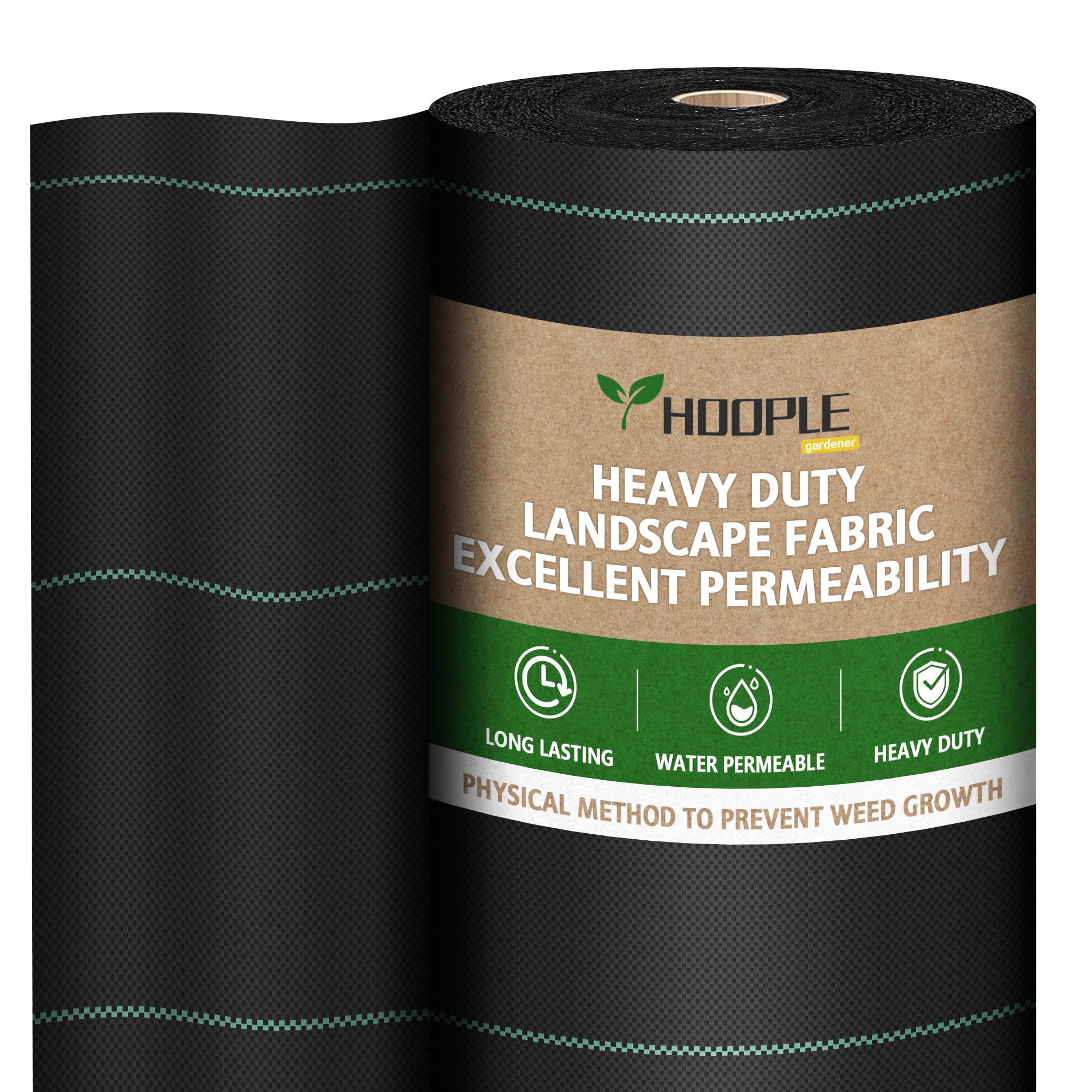
The most effective way to stop weeds is to prevent them from germinating in the first place. A heavy-duty weed barrier acts as a physical shield, cutting off weed seeds from the conditions they need to grow.
Block Sunlight to Prevent Weed Seeds from Sprouting
Weed seeds require sunlight to germinate. A UV-stabilized landscape fabric blocks light from reaching the soil, stopping 95% of weed seeds from activating. Even if seeds land on top, they can’t grow without light — making this the single most effective prevention method.
Smother Existing Weeds Without Digging
If your garden already has weeds, the barrier will kill them naturally. Once covered, existing plants are deprived of sunlight and air, causing them to die within weeks. No herbicides, no tilling — just passive suppression that works while you focus on planting.
Stop New Seeds from Reaching the Soil
Wind, rain, and foot traffic carry weed seeds into your garden, where they build up in the soil over time. This “seed bank” ensures future weed problems. A weed barrier stops new seeds from ever touching the soil, breaking the cycle for good.
Choose the Right Fabric for Long-Term Results
Not all barriers are equal. For vegetable gardens, use a perforated, woven polypropylene landscape fabric. It’s breathable, allows water and nutrients to pass through, and lasts up to 10 years. Avoid plastic sheeting — it traps water, harms soil life, and degrades quickly.
✅ Pro Tip: Black woven fabric is ideal — it resists UV damage, blends into the garden, and is eco-friendly compared to plastic.
Prepare the Garden Bed Before Laying the Barrier
Skipping bed prep leads to trapped weeds, poor drainage, and a barrier that fails early. Proper preparation ensures your system lasts for years.
Remove All Existing Weeds Completely
Pull or hoe out every visible weed, especially deep-rooted types like dandelions and bindweed. If roots remain, they can grow under the fabric and push through. Get them all — it’s a one-time job that pays off long-term.
Level the Soil Surface
Use a rake to smooth the bed. Uneven ground creates gaps where weeds can emerge and causes water to pool. A flat surface ensures full contact between the fabric and soil, maximizing effectiveness.
Clear Rocks, Sticks, and Debris
Remove stones, sticks, and old plant matter. These can puncture the fabric or create spaces for weeds to sneak through. A clean base means a cleaner garden.
Lay and Secure the Weed Barrier Correctly
Even the best fabric fails if it’s not installed right. A loose or torn barrier lets weeds back in.
Unroll Fabric Across the Entire Bed
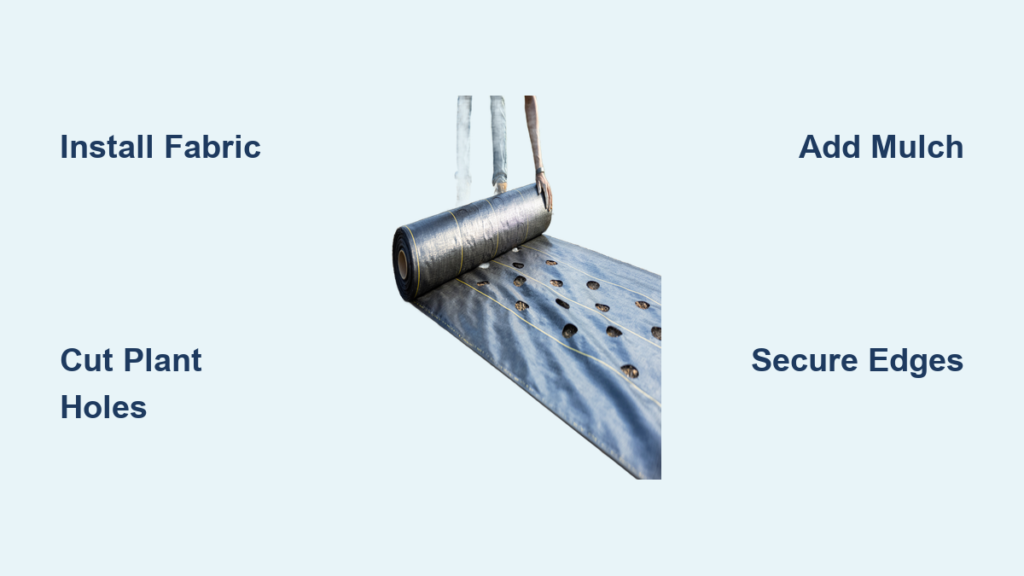
Start at one end and unroll the fabric smoothly. Overlap seams by at least 6 inches to prevent gaps. For raised beds, cut to size with a utility knife for a perfect fit.
Anchor Edges with Staples or Weights
Use landscape staples every 12–18 inches along edges and seams. In windy areas, add rocks or bricks for extra hold. This keeps the fabric flat and prevents lifting.
Cut Small Holes for Plants
Make X-shaped slits or small circles just large enough for plant stems. Larger holes expose soil where weeds can grow. For tomatoes, peppers, or squash, cut precise openings and plant directly through.
✅ Pro Tip: In raised beds, extend the fabric up the sides and staple it to the frame for full protection.
Add Mulch for Extra Weed Suppression and Moisture Control
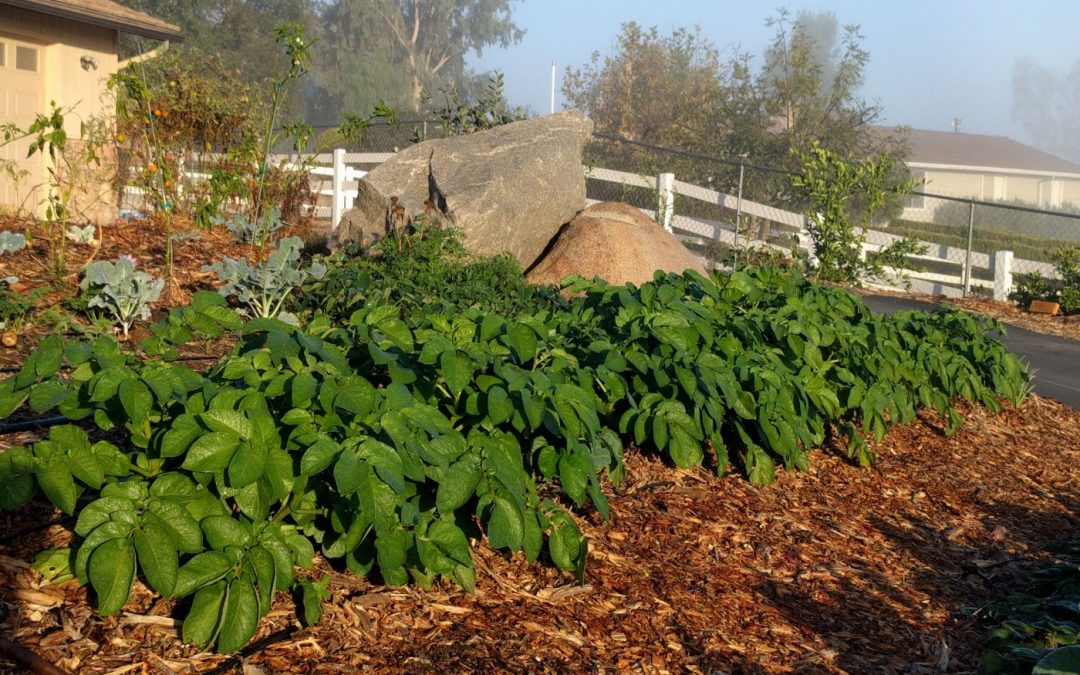
The barrier does the heavy lifting, but mulch adds a second layer of defense while improving soil health.
Apply 2–3 Inches of Organic Mulch
Top the fabric with straw, shredded leaves, or wood chips. Mulch blocks any stray seeds from germinating, retains moisture, and slowly decomposes to feed the soil. It also gives your garden a clean, finished look.
Keep Mulch Away from Plant Stems
Avoid piling mulch against stems — this traps moisture and can cause rot. Leave a 1–2 inch gap around each plant to prevent disease and pest issues.
Replenish Mulch Each Spring
Mulch breaks down over time. Top it off annually to maintain thickness and effectiveness. This also helps protect the fabric from UV exposure and keeps it weighed down.
Plant Vegetables Through the Barrier the Right Way
Your vegetables will thrive — the barrier doesn’t block roots, only weeds.
Space Plants to Shade the Soil
Use close spacing or companion planting with leafy crops like lettuce, kale, or squash. Their broad leaves create a natural canopy that blocks sunlight from reaching potential weed sites.
Use Cutouts for Transplants
For seedlings like tomatoes, peppers, or eggplants, cut small circles in the fabric and plant directly into the soil. Roots grow down freely, while the fabric protects the base from weeds.
Sow Seeds Through Slits in the Fabric
For carrots, beans, or radishes, make short parallel slits and sow seeds underneath. Cover lightly with compost. The fabric holds everything in place and prevents weed competition from day one.
Maintain the System for Long-Term Success
A weed barrier isn’t “set and forget” — but maintenance is minimal.
Check for Tears or Lifting
Inspect the fabric every few months, especially after storms. Repair small rips with landscape tape or fabric patches. Re-staple any loose edges before weeds take advantage.
Keep Mulch Layer Consistent
Reapply mulch as needed to maintain 2–3 inches of coverage. Bare spots on top can collect wind-blown seeds that may sprout if moisture is present.
Avoid Walking on the Fabric
Foot traffic compacts soil and tears the material. Use designated paths or stepping stones to protect both the barrier and your plants.
What Happens When You Remove the Barrier?
When I removed part of my garden’s weed barrier during a renovation, weeds returned within weeks. Crabgrass, purslane, and chickweed exploded in the exposed sandy soil — an area that had been weed-free for eight years. This real-world test proves: no barrier means instant weed comeback.
Without a physical block, your garden is always under threat. Even diligent weeding leaves behind seeds that will sprout again. Prevention is the only permanent solution.
Alternative Weed Prevention Methods (If You Skip the Barrier)
While a weed barrier is the most effective method, these alternatives can help — especially when combined.
Use Thick Organic Mulch Alone
A 4–6 inch layer of straw or leaves can suppress some weeds. But it breaks down fast and needs frequent reapplication. It’s less reliable in sunny or windy areas.
Try Cardboard or Newspaper Under Mulch
Lay down 6–8 sheets of newspaper or flattened cardboard before mulching. These block light and decompose naturally. But they last only 1–2 seasons and can blow away if not weighted.
Plant Cover Crops in Off-Season
Grow clover, winter rye, or vetch in fall or winter. These cover crops shade the soil, prevent weed growth, and enrich the soil when tilled in.
Common Mistakes That Let Weeds Back In

Even a great system fails when these errors are made.
Using Solid Plastic Instead of Perforated Fabric
Plastic sheeting doesn’t breathe, traps water, and suffocates soil life. It may block weeds short-term but harms long-term soil health.
Skipping Edge Anchoring
Unsecured fabric flaps in the wind, exposing soil. Always staple or weigh down every edge to keep it in place.
Cutting Plant Holes Too Large
Big openings give weeds space to grow around your plants. Keep cuts tight and cover gaps with mulch.
Walking on the Fabric
Constant foot traffic weakens the material and compacts soil. Designate walkways to preserve the barrier.
Why This Method Beats Chemicals and Constant Weeding
Herbicides kill visible weeds but don’t stop new seeds — and they can harm pollinators, soil microbes, and your vegetables. Hand-weeding is exhausting and temporary. In contrast, a weed barrier system:
• Saves 10+ hours per season in labor
• Costs less than $1 per square foot upfront
• Lasts 8–10 years with minimal upkeep
• Eliminates need for chemicals
• Improves moisture retention and soil health
It’s not just easier — it’s smarter, sustainable gardening.
Key Takeaways for Keeping Your Vegetable Garden Weed-Free
You don’t have to live with weeds. The most productive gardens aren’t the ones where gardeners weed the most — they’re the ones that prevent weeds from growing at all. By installing a durable, perforated weed barrier and topping it with mulch, you create a clean, low-maintenance space that stays productive for years.
This isn’t a quick fix — it’s a long-term investment. One weekend of work can save you hundreds of hours of weeding over the next decade. Your vegetables will grow stronger, with fewer pests and better yields.
The best tool for a weed-free vegetable garden? A roll of landscape fabric. Install it once, and enjoy a healthier, easier garden for years to come.
Frequently Asked Questions About Keeping Weeds Out of Vegetable Garden
Can I grow vegetables through a weed barrier?
Yes. Cut small holes or slits in the fabric and plant directly into the soil. Roots grow down freely, while the barrier blocks weeds around the plant.
How long does a weed barrier last in a vegetable garden?
A high-quality, UV-stabilized landscape fabric lasts 8–10 years. Avoid cheaper plastics, which degrade in 1–2 seasons.
Is mulch necessary over a weed barrier?
Mulch isn’t required but highly recommended. It adds extra weed suppression, improves appearance, retains moisture, and protects the fabric from sunlight.
Will a weed barrier stop all weeds?
It blocks 95%+ of weeds by preventing sunlight and seed contact. Occasional wind-blown seeds may land on mulch, but they’re easy to remove.
Can I use cardboard instead of landscape fabric?
Yes, but cardboard lasts only 1–2 years and can blow away. It’s a short-term option. For long-term results, use durable fabric.
Does a weed barrier harm soil health?
No — perforated fabric allows water, air, and nutrients to pass through. It protects soil life, unlike plastic sheeting, which suffocates it.