You step into your garden, only to find your freshly planted bulbs dug up, corn stalks stripped, and soil scattered—again. Crows, though intelligent and ecologically important, can wreak havoc when they treat your yard like a feeding ground. The good news? You can keep crows out of your garden without harming them. With a mix of smart deterrents and habitat adjustments, you can protect your plants and peace of mind.
Crows are drawn to gardens that offer food, water, and shelter. They learn quickly, remember faces, and adapt to threats—so one-time fixes won’t work. But by removing food sources, rotating deterrents, and using physical barriers, you can make your garden unappealing. This guide gives you a proven, humane, and legal strategy to keep crows out of your garden using science-backed methods that actually last.
Eliminate Food Attractants
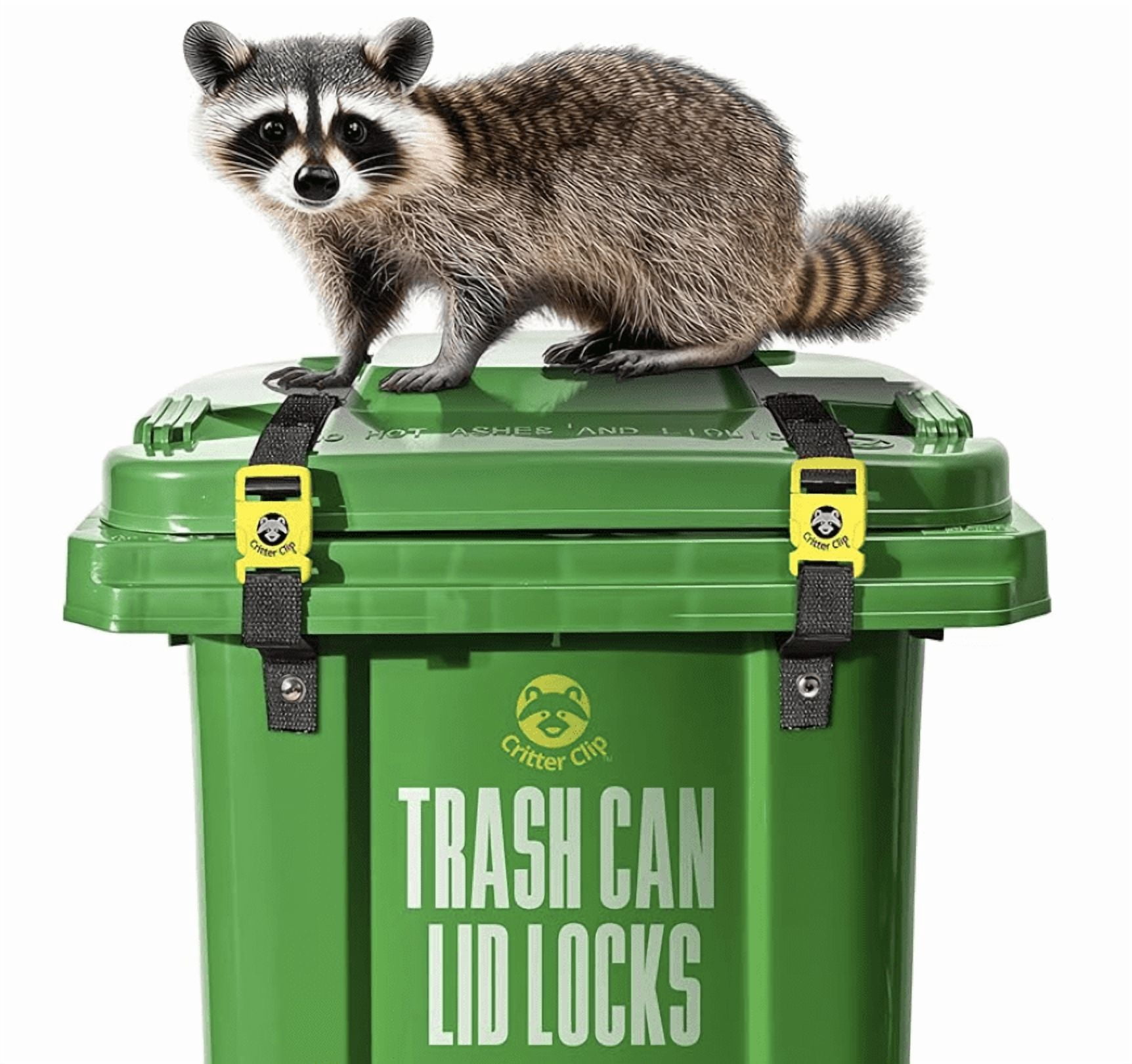
Secure Trash and Compost Bins
Crows aren’t gardeners—they’re scavengers. Open trash or exposed compost is a dinner bell. Start by removing the reason they visit.
• Use locking or animal-proof trash cans with tight-fitting lids
• Cover compost piles with hardware cloth or solid lids
• Avoid adding meat, fruit, or grains to outdoor compost
• Wash bins weekly to eliminate lingering odors
Even the smell of rotting food can draw crows from blocks away. A clean yard is your strongest defense.
Pick Up Fallen Fruit Every Morning
Overripe apples, pears, or berries on the ground are crow magnets. They’ll return daily if the buffet stays open.
• Harvest fruit as soon as it ripens
• Sweep or rake up fallen fruit each morning
• Use fruit netting on trees to reduce drop
This simple routine removes a major food source and breaks their feeding cycle.
Pause Bird Feeding for 2–4 Weeks
Your bird feeder might be the real culprit. Crows dominate feeders and return daily once they learn the schedule.
• Stop feeding birds temporarily to disrupt crow habits
• When restarting, use weight-activated or cage-style feeders
• Place feeders away from trees or fences crows use as launchpads
• Offer safflower or nyjer seed, which crows dislike
This reset gives you time to install other deterrents without competition.
Use Moving Visual Deterrents

Hang Reflective Objects That Move
Crows fear unpredictable flashes and motion. Static shiny objects become perches—only moving reflections work.
• Hang CDs, aluminum pie plates, or reflective tape from strings
• Space them every 3–5 feet around vulnerable crops
• Position near corn, berries, or seedling beds
On sunny days, flickering light mimics motion. But move or rotate them every 2–3 days—or crows will ignore them.
Install Scare Devices That Actually Move
Plastic owls and rubber snakes are crow perches, not deterrents. To work, they must move with the wind or on timers.
• Use scare balloons with predator eyes
• Mount decoy hawks or owls on swivels so they spin
• Add fluttering ribbons or tape that dance in the breeze
Pro Tip: Pair with motion-activated sprinklers for a surprise combo of sight and sound.
Rotate Visual Tactics Weekly
Crows learn fast. A shiny object that scares them Monday may be ignored by Friday.
• Switch between 3–4 types of visual deterrents weekly
• Change height and placement regularly
• Combine with sound or water to increase unpredictability
Variety keeps crows on edge—and out of your garden.
Combine Sound and Motion
Install Motion-Activated Sprinklers
One of the most effective crow deterrents is water. A sudden spray startles and soaks them—crows hate both.
• Place near garden entry points or feeding zones
• Adjust sensitivity to detect birds, not just wind
• Works 24/7, even when you’re not home
After a few soakings, crows associate your yard with discomfort and avoid it.
Play Crow Distress Calls Sparingly
Crows flee when they hear alarm calls. You can use that to your advantage.
• Use motion-activated devices that play crow distress calls
• Limit playback to 5–10 minute bursts, 2–3 times a day
• Never loop continuously—crows tune out predictable sounds
These calls signal danger, making your yard seem unsafe.
Mix Sound with Movement
A single scare tactic fails fast. Layered threats work best.
• Pair wind chimes with reflective spinners
• Use ultrasonic devices (effectiveness varies)
• Add flapping tape that makes noise in the wind
The goal is to create an unstable, unpredictable environment—without harming birds.
Block Access with Physical Barriers

Cover Crops with Bird Netting
For high-value plants like corn, strawberries, or bulbs, netting is the most reliable protection.
• Use ¼-inch or smaller mesh to block crows
• Drape over hoops or frames to avoid crushing plants
• Secure edges with stakes, rocks, or soil to prevent lifting
Netting is nearly invisible, lets in light and rain, and stops crows cold.
Build or Install Garden Fencing
For larger areas, fencing adds a permanent barrier.
• Use chicken wire or hardware cloth, buried 6 inches deep to stop digging
• Install vertical fencing at least 6 feet tall
• Consider electric bird netting for persistent flocks (humane and effective)
Fencing is a long-term investment that pays off in crop protection.
Modify the Garden Habitat
Trim Trees and Overhanging Branches
Crows use tall branches as lookouts and launchpads. Remove their advantage.
• Prune lower limbs within 6–8 feet of the ground
• Cut back branches that overhang gardens or trash bins
• Thin dense foliage to reduce cover
Without perches, crows feel exposed and vulnerable—making your yard less appealing.
Prevent Nesting in Spring
In early spring, crows scout for nesting sites. Act before they settle in.
• Remove dead branches or potential nest materials (twigs, string)
• Avoid planting tall, dense trees near gardens
• Use spike strips on roof peaks or poles to block roosting
Never disturb an active nest—crows are protected by law.
Follow a Seasonal Deterrence Plan
Spring: Stop Nesting Before It Starts
Crows pair up and build nests in spring. This is your best chance to set boundaries.
• Remove nesting materials like twigs and wire
• Use motion-activated sprinklers to deter roosting
• Cover bulbs and seedlings before planting
Once a nest is active, you can’t touch it—so act early.
Summer: Protect Crops and Young Crows
Juvenile crows learn feeding routes from adults. Break the cycle now.
• Double down on food control—no fallen fruit, no open compost
• Use netting on berries and corn
• Stay consistent with deterrents—don’t let up
This is peak damage season. Vigilance saves your harvest.
Fall and Winter: Manage Large Flocks
Crows gather in big groups during colder months. Make your yard the last stop.
• Secure all trash with bungee straps or locks
• Keep yards clean—no pet food or scraps left out
• Rotate deterrents weekly to maintain effectiveness
Large flocks are noisy and destructive. Make your yard the least appealing option.
Avoid These Common Mistakes

Never Use Static Decoys
Plastic owls, rubber snakes, or motionless hawks are crow perches, not deterrents.
• Crows recognize they don’t move or breathe
• Within days, they’ll ignore or even roost on them
If you use decoys, make them move—use swivels, fans, or timers.
Don’t Play Constant Noise
Leaving a radio or noise machine on 24/7 teaches crows the sound is harmless.
• Use motion-activated sound, not continuous
• Vary the type and timing of noise
• Pair with visual or water deterrents
Predictability kills effectiveness.
Don’t Quit After a Few Days
Crows test boundaries. If you stop too soon, they’ll return.
• Commit to 2–4 weeks of consistent action
• Track results: fewer crows? Less damage?
• Adjust based on what you observe
Persistence trains crows to avoid your yard.
Key Takeaways for Keeping Crows Out of Your Garden
Crows are protected under the Migratory Bird Treaty Act, so you can’t harm them—but you can make your garden uninviting. The most effective way to keep crows out of your garden is to remove food, rotate deterrents, and use physical barriers. Focus on consistency and unpredictability: crows avoid places that feel unsafe and inconvenient. Start with securing trash and compost, then layer in moving visual deterrents, motion-activated sprinklers, and netting. Stay persistent, and within weeks, your garden will be back under your control.
Frequently Asked Questions About Keeping Crows Out of Garden
Can I legally keep crows out of my garden?
Yes. While you cannot harm, trap, or destroy active nests (protected by the Migratory Bird Treaty Act), you can legally use humane deterrents like netting, motion-activated sprinklers, and visual scare tactics to keep crows away.
What is the most effective way to scare crows away?
The most effective method is motion-activated sprinklers combined with rotating visual deterrents. Crows fear sudden movement and water. Using both creates a memorable, unpleasant experience that discourages return visits.
Do fake owls work to keep crows out?
Only if they move. Static fake owls become perches within days. Use swiveling decoys or pair them with wind spinners and reflective tape to increase realism and effectiveness.
Why do crows keep coming back to my yard?
Crows return because they’ve found food, water, or shelter. Common attractants include open trash, fallen fruit, compost, and bird feeders. Remove these, and the visits will stop.
How long does it take to get rid of crows?
With consistent effort, you can see results in 2–4 weeks. Crows are smart and test boundaries, so stay persistent. Combine food removal, moving deterrents, and barriers for lasting success.
Can I coexist with crows without banning them completely?
Yes. Allow crows to forage on open lawns or distant fields, but protect gardens, compost, and feeders. Create a “crow zone” away from your plants. This promotes smart coexistence—you protect what matters while respecting their ecological role.