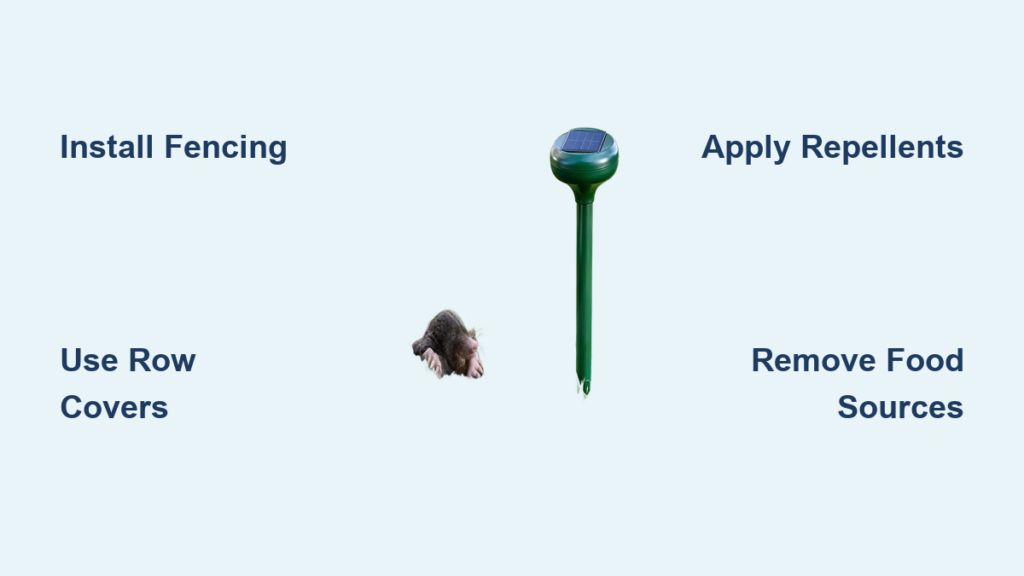
You’ve carefully planted your garden, only to find it ravaged by deer, rabbits, or raccoons overnight. These animals can trample seedlings, chew through vegetables, and dig up soil—undoing weeks of hard work. The good news is you don’t need harsh chemicals or permanent traps to protect your plants. With humane, effective strategies, you can keep animals out of your garden and enjoy a thriving harvest all season long.
This guide covers proven methods—from physical barriers and natural repellents to smart landscaping and seasonal adjustments. You’ll learn how to deter pests without harming wildlife, using affordable, easy-to-implement solutions. Whether you’re dealing with squirrels stealing tomatoes or deer grazing on hostas, these actionable tips will help you reclaim your garden and keep it safe year after year.
Build Strong Physical Barriers to Block Access

Physical barriers are the most reliable way to keep animals out of garden areas. They prevent entry before damage occurs and work best when installed early in the growing season.
Install Animal-Proof Fencing
Fencing is your first and strongest defense. Choose the right type based on the pests in your area:
• 2–3 foot wire mesh fencing: Stops rabbits, groundhogs, and voles
• 7–8 foot tall fencing: Essential for deterring deer
• Low-voltage electric fencing: Effective against raccoons, deer, and stray dogs
Pro tip: Bury the bottom 6 inches of fencing to block burrowing animals like rabbits and woodchucks.
Use Raised Beds with Protective Covers
Raised beds are easier to secure than ground-level gardens. Add hardware cloth or fine mesh netting over the top to stop squirrels, cats, and birds from digging.
• Use removable covers during germination and early growth
• Secure edges with stakes or heavy rocks to prevent lifting
• Ideal for protecting lettuce, carrots, and young herbs
Cover Vulnerable Plants with Row Covers
Floating row covers are lightweight fabric sheets that shield young plants from pests while allowing light and water through.
• Protects against rabbits, birds, and insects
• Best for brassicas, spinach, and root crops
• Remove once plants flower to allow pollination
Apply Natural Repellents That Animals Dislike
Natural repellents make your garden unpleasant to pests using smell, taste, or texture—without toxic chemicals.
Make and Use Homemade Spray Repellents
Create a DIY garlic-pepper spray that deters mammals with strong scent and taste.
Recipe:
• 1 chopped garlic bulb
• 1 tablespoon cayenne pepper
• 1 quart water
• 1 teaspoon dish soap (helps it stick)
Boil for 10 minutes, cool, strain, and spray on plant leaves. Reapply every 3–5 days or after rain.
Important: Test on a few leaves first—some plants may react to the spice.
Plant Strong-Smelling Companion Plants
Certain herbs and flowers naturally repel animals due to their scent or texture.
• Mint: Deters mice, ants, and deer (plant in containers—it spreads fast)
• Lavender: Repels rabbits and deer
• Marigolds: Discourage rabbits, squirrels, and nematodes
Plant these around borders or between high-risk crops like lettuce and beans.
Try Predator Urine or Scent-Based Repellents
Predator-based products mimic the smell of foxes or coyotes, triggering fear in small animals.
• Available as granules or sprays at garden centers
• Reapply every 2–4 weeks or after heavy rain
• Most effective for rabbits, raccoons, and deer
Warning: Avoid if you have pets—these scents may stress dogs or cats.
Use Motion-Activated Devices to Scare Animals Away
Modern deterrents use movement, sound, or water to startle animals—humane and reusable.
Set Up Motion-Activated Sprinklers
These devices detect heat and motion, then release a sudden burst of water.
• Covers up to 1,000 square feet
• Stops deer, raccoons, and stray cats in their tracks
• Solar-powered models available for easy setup
Tip: Place near garden entrances or areas with frequent damage.
Install Ultrasonic Repellers and Flashing Lights
Ultrasonic devices emit high-pitched sounds that annoy rodents and small mammals.
• Combine with flashing LED lights for stronger effect
• Rotate placement every 2–3 weeks—animals adapt quickly
• Best for enclosed spaces like vegetable beds or patios
Modify Your Garden to Be Less Appealing
Animals come for food, water, and shelter. Remove these attractions to make your garden less inviting.
Remove Easy Food Sources
• Harvest ripe fruits and vegetables promptly
• Pick up fallen apples, berries, or nuts daily
• Store compost in sealed, animal-proof bins
Did you know? One rotting tomato can attract raccoons for days.
Clear Hiding Places and Shelter
• Remove brush piles, tall grass, and stacked wood near the garden
• Trim back dense shrubs that offer cover
• Reduces habitat for rabbits, rodents, and snakes
Keep Bird Feeders Far from the Garden
Bird feeders draw squirrels, raccoons, and even deer.
• Place feeders at least 30 feet away from garden beds
• Use squirrel-proof models with weight-activated shields
• Sweep up spilled seed daily to avoid attracting pests
Protect High-Risk Plants with Targeted Solutions

Some crops are animal magnets. Use specific defenses to save your most vulnerable plants.
Shield Tomatoes and Corn from Squirrels and Raccoons
• Wrap tomato cages in plastic mesh to block climbing squirrels
• Place metal or plastic collars around corn stalks to stop raccoons
• Harvest corn as soon as silks turn brown—don’t wait
Guard Root Vegetables from Digging Pests
Carrots, beets, and potatoes are often dug up by voles or raccoons.
• Grow in buried wire baskets or garden cages
• Cover soil with chicken wire until harvest time
• Check for tunnels or disturbed soil weekly
Prevent Rabbits from Eating Lettuce and Greens
Rabbits love tender leafy greens. Use physical protection:
• Mini hoop tunnels with row covers
• Plastic cloches (bell-shaped covers)
• Elevated planters at least 2 feet off the ground
Choose Plants Animals Naturally Avoid

Prevention starts with smart planting. Some species animals tend to ignore.
Grow Deer-Resistant Flowers and Shrubs
Deer avoid plants with strong scents, fuzzy leaves, or toxicity.
• Lavender, salvia, Russian sage
• Daffodils, foxglove, poppies
• Yarrow, coneflower, black-eyed Susan
Plant these around the perimeter to create a natural buffer.
Select Rabbit-Proof Herbs and Perennials
Rabbits skip many herbs and tough-leaved flowers.
• Rosemary, thyme, oregano
• Coneflowers, marigolds, snapdragons
• Bearded iris, peony, bleeding heart
Avoid tulips, pansies, and hostas if rabbits are common in your yard.
Use Humane Traps Only When Necessary
If animals persist despite other methods, live trapping may be needed—but follow local rules.
Trap Raccoons or Squirrels Safely
• Use live cage traps baited with peanut butter, fruit, or tuna
• Check traps daily—never leave animals unattended
• Release at least 5 miles away (check state laws first)
Warning: Never trap during spring—nursing mothers may leave young behind.
Seal Entry Points After Removal
Once an animal is gone, block access to prevent return.
• Fill empty burrows with soil and rocks
• Cover shed vents or deck openings with wire mesh
• Trim tree branches that touch your roof or garden
Maintain a Seasonal Defense Strategy
Animals change behavior with the seasons. Stay ahead with regular maintenance.
Rotate Deterrents to Prevent Habituation
Animals get used to the same repellent or device.
• Alternate between sprays, noise, and motion-activated tools
• Move sprinklers or lights every 2–3 weeks
• Switch scent types monthly
Inspect Your Garden Weekly
Walk through your garden weekly to catch problems early.
• Look for tracks, droppings, or chewed leaves
• Check fencing for gaps or damage
• Replace worn row covers or netting
Fix issues immediately to stop infestations before they spread.
Adjust Tactics by Season
Animal threats shift throughout the year:
• Spring: Protect seedlings from rabbits and deer
• Summer: Guard ripening fruit from birds and raccoons
• Fall: Clean up fallen fruit and secure compost
• Winter: Wrap tree trunks to prevent deer rubbing
Key Takeaways for Keeping Animals Out of Your Garden
Protecting your garden from animals doesn’t require extreme measures. By combining physical barriers, natural repellents, and smart landscaping, you can deter pests humanely and effectively. Start with fencing and row covers for immediate protection, then add scent-based repellents and motion-activated devices for long-term defense. Choose animal-resistant plants and remove food sources to make your garden less appealing.
Consistency is key—rotate methods, inspect regularly, and adapt to seasonal changes. The best defense is a layered approach that evolves with animal behavior. Try one or two strategies first, monitor results, and build your system over time. With the right plan, you can enjoy a healthy, productive garden without harming local wildlife.
Frequently Asked Questions About Keeping Animals Out of Your Garden
What is the most effective way to keep animals out of a garden?
The most effective method is physical barriers like fencing. A 3-foot wire mesh fence stops rabbits, while an 8-foot fence deters deer. Combine with row covers and motion-activated sprinklers for maximum protection.
How can I keep rabbits out of my garden naturally?
Plant lavender, marigolds, or rosemary around your garden. Use homemade garlic-pepper spray on plants, and install raised beds with netting. Remove hiding spots like brush piles to discourage rabbits from staying.
Do motion-activated sprinklers really work for deer and raccoons?
Yes, they are highly effective. Motion-activated sprinklers detect heat and movement, then release a sudden burst of water that startles animals. Most pests avoid the area after one or two encounters.
What plants do deer not like to eat?
Deer avoid daffodils, lavender, salvia, Russian sage, and yarrow. These plants have strong scents, fuzzy leaves, or toxic properties that make them unappealing. Use them as border plants for natural protection.
How do I stop raccoons from digging in my garden?
Secure food sources like compost and fallen fruit. Use motion-activated sprinklers or ultrasonic repellents. Cover soil with chicken wire at night, and consider live trapping if the problem persists (check local laws).
Can I keep animals out without using chemicals?
Yes. Use fencing, row covers, companion planting, and natural sprays instead of chemicals. These methods are safe for pets, pollinators, and the environment while still effectively keeping animals out of your garden.