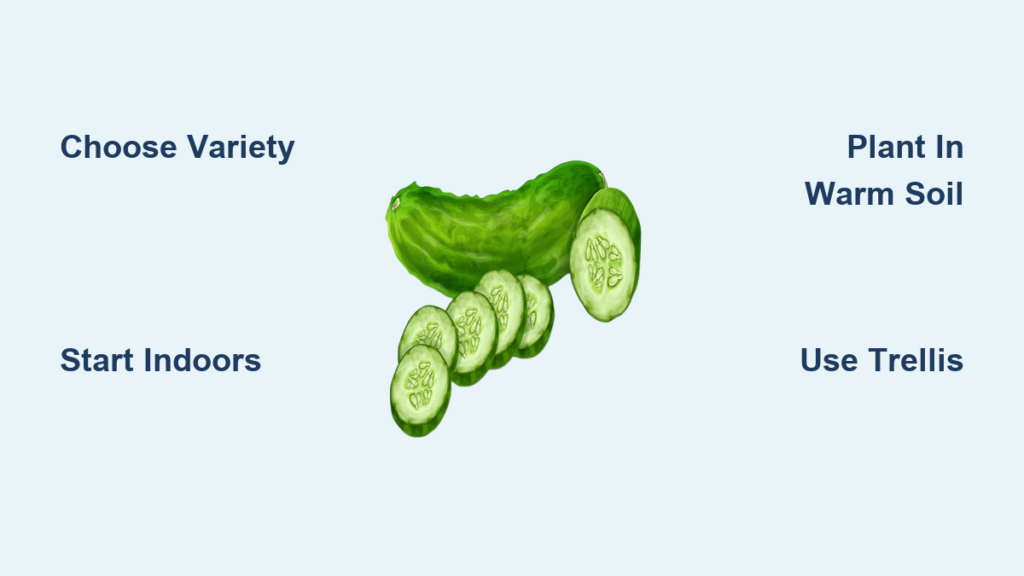
There’s nothing quite like biting into a cool, crisp cucumber fresh from your own garden. Juicy, flavorful, and free of chemicals, homegrown cucumbers are a summer favorite — but getting them to thrive starts with knowing how to plant cucumbers in a garden the right way. Whether you’re working with a small backyard plot or a sunny raised bed, cucumbers are surprisingly easy to grow if you follow a few key steps.
Cucumbers love warmth, sunlight, and consistent moisture. They grow quickly once established, but timing and technique matter. From choosing the best variety to preparing the soil and supporting vigorous vines, this guide walks you through every step of planting cucumbers successfully. You’ll learn how to start seeds, harden off seedlings, space plants properly, and set up supports that boost yield and reduce disease.
By the end, you’ll be ready to grow a bountiful cucumber harvest — crisp, fresh, and picked at peak flavor.
Choose the Best Cucumber Variety for Your Garden
Picking the right cucumber variety ensures strong growth and great-tasting harvests. Not all types thrive outdoors, so match your selection to your climate and growing space.
Pick Outdoor or Greenhouse Types Based on Climate
• Outdoor (ridge) cucumbers tolerate cooler weather and have thick, spiny skins that resist pests and wind damage.
• Greenhouse cucumbers prefer warmth and protection, producing long, smooth fruits ideal for slicing.
• Some dual-purpose varieties adapt well to both environments if grown in a sunny, sheltered spot.
Always check seed packets for labels like “outdoor,” “ridge,” or “greenhouse” to ensure suitability.
Match Varieties to Your Culinary Needs
Think about how you plan to use your cucumbers:
• Slicing types like ‘Marketmore 76’ are perfect for salads and sandwiches.
• Pickling cucumbers such as ‘Parisian Gherkin’ stay firm and small, ideal for brining.
• Seedless, parthenocarpic types are common in greenhouses and deliver tender, non-bitter fruit.
Choosing the right type early improves flavor, texture, and overall yield.
Start Cucumber Seeds Indoors for Early Growth
Starting seeds indoors gives cucumbers a head start, especially in regions with short growing seasons.
Sow Seeds in Warm Conditions for Fast Germination
• Begin 3–4 weeks before the last frost, using small pots filled with seed-starting mix.
• Plant two seeds per pot, about 1 inch (3 cm) deep, and water gently.
• Keep soil at 68°F (20°C) or warmer — use a heat mat or propagator for best results.
Germination usually takes 7–10 days. If not using added heat, wait until outdoor soil warms naturally.
Thin to One Strong Seedling Per Pot
Once sprouts appear, remove the weaker seedling to prevent competition. Keep the sturdiest plant.
• Place seedlings in a bright window or under grow lights.
• Rotate pots daily to prevent leaning toward the light.
Pro Tip: Let the top inch of soil dry slightly between waterings. Overwatering invites damping-off disease.
Harden Off Cucumber Seedlings Before Transplanting

Moving indoor-grown seedlings outdoors requires gradual exposure to avoid shock.
Begin Hardening Off 7–10 Days Before Planting
Start when nighttime temperatures stay above 50°F (10°C).
• Set seedlings outside in a shady, sheltered spot for 2–3 hours on day one.
• Gradually increase sun and wind exposure over 7–10 days.
• Bring them indoors at night if temperatures dip.
Using a cold frame simplifies the process — open the lid during the day, close it at night.
Watch for Signs of Stress
Wilting, yellowing, or scorched leaves mean the plants are adjusting too fast. Slow down and provide more shade.
Proper hardening builds resilience and sets the stage for strong garden performance.
Prepare Garden Soil for Optimal Cucumber Growth
Cucumbers thrive in rich, well-drained soil with plenty of organic matter.
Enrich Soil with Compost Before Planting
• Dig in well-rotted compost or aged manure across the planting area.
• This boosts fertility and helps retain moisture.
• Aim for a soil pH between 6.0 and 7.0 — use a simple test kit to check.
Avoid heavy clay or soggy soils that can lead to root rot.
Select a Sunny, Wind-Protected Location
• Cucumbers need 6–8 hours of direct sunlight daily.
• Choose a spot sheltered from strong winds, which can damage vines.
• Avoid low-lying areas where cold air settles — these increase disease risk.
Full sun and good airflow are essential for healthy growth.
Space Cucumber Plants to Prevent Disease and Maximize Yield
Proper spacing improves air circulation and reduces fungal issues like powdery mildew.
Plant Climbing Varieties 18 Inches Apart
• Train vining cucumbers on trellises or supports.
• Space plants 18 inches (45 cm) apart in rows 3–4 feet (90–120 cm) apart.
• Vertical growing saves space and keeps fruit clean.
Space Trailing Varieties 3 Feet Apart
• Bush or sprawling types need room to spread.
• Plant them 3 feet (90 cm) apart in all directions.
• Use straw or compost mulch to suppress weeds and retain moisture.
Warning: Crowding leads to poor airflow, higher disease risk, and lower yields.
Install Supports at Planting to Avoid Root Damage

Set up trellises or frames early to protect delicate roots later.
Use Trellises, Netting, or Cages for Vertical Growth
Options include:
• Bamboo teepees
• Metal or wooden trellises
• Strong garden netting
• Cattle panels or wire fencing
Secure supports firmly — mature vines with fruit can become heavy.
Build a Cucumber A-Frame for Dual Benefits
A wooden A-frame with wire mesh offers:
• Maximum vertical growing space.
• Shade for cool-season crops like lettuce grown underneath.
• Improved airflow to reduce disease.
Ideal for hot climates where partial shade prevents leaf scorch.
Transplant Cucumbers into Warm Garden Soil
Cold soil stunts growth and increases the risk of rot — timing is crucial.
Wait Until Soil Reaches 70°F (21°C)
• Plant outdoors in late spring to early summer.
• Use a soil thermometer to confirm temperature.
• If soil is still cool, use black plastic mulch to warm it faster.
Never rush transplanting — cucumbers hate cold roots.
Transplant Seedlings Carefully to Avoid Shock
• Dig a hole slightly larger than the root ball.
• Gently remove the seedling, keeping roots intact.
• Plant at the same depth as in the pot — do not bury the stem.
• Water thoroughly after planting.
Avoid disturbing roots — cucumbers are sensitive to transplant stress.
Pinch Out Tips to Encourage More Fruit
Strategic pruning boosts side shoot development and increases harvests.
Pinch the Main Stem After Six Leaves
When the main vine has six true leaves, pinch off the top with clean fingers or scissors.
This triggers the growth of fruit-bearing side shoots.
Prune Side Shoots in Greenhouses
For greenhouse varieties:
• Allow side shoots to grow.
• Pinch each shoot after one fruit forms, leaving two leaves beyond the fruit.
This keeps plants productive and prevents overcrowding.
Note: Outdoor ridge cucumbers usually don’t need side shoot pruning unless vines become too dense.
Water and Feed Cucumbers for Continuous Harvests
Cucumbers are heavy feeders and need steady moisture to prevent bitter, misshapen fruit.
Keep Soil Evenly Moist with Deep Watering
• Water at the base to keep leaves dry and prevent mildew.
• Use drip irrigation or a soaker hose for consistent delivery.
• Mulch with straw or compost to retain moisture.
Avoid letting soil dry out completely or become waterlogged.
Fertilize Every Two Weeks with Potassium-Rich Feed
• Start feeding when flowers appear.
• Use a potassium-rich liquid fertilizer (like tomato feed).
• Avoid high-nitrogen formulas — they promote leaves, not fruit.
Pro Tip: Yellowing leaves may signal nutrient deficiency. Adjust feeding as needed.
Remove Male Flowers to Prevent Bitterness in Greenhouse Cucumbers

Unless growing all-female (parthenocarpic) varieties, male flowers can cause bitterness.
Identify Female and Male Flowers
• Female flowers have a tiny cucumber (ovary) behind the bloom.
• Male flowers grow on thin stalks with no swelling.
Pinch Off Male Flowers Weekly
• Check plants regularly and remove male flowers by hand.
• This prevents pollination, which leads to seedy, bitter fruit in greenhouse types.
Important: Leave male flowers on outdoor ridge cucumbers — they need pollination to produce fruit.
Harvest Cucumbers at the Right Time for Best Flavor
Picking cucumbers early and often encourages more production.
Pick Cucumbers When Small and Tender
Harvest when:
• 6–8 inches (15–20 cm) long for slicing.
• 1 inch (3 cm) for cornichons.
• 3 inches (8 cm) for standard pickles.
Smaller cucumbers are crisper and less likely to turn bitter.
Cut Cucumbers with Pruners, Don’t Pull
• Use sharp pruners or a knife to cut the fruit from the vine.
• Pulling can damage stems and reduce future yields.
• Harvest in the cool morning when fruits are most hydrated.
Expert Note: Regular picking keeps plants producing. Never let cucumbers overripen on the vine.
Frequently Asked Questions About How to Plant Cucumbers in a Garden
When is the best time to plant cucumbers outdoors?
Plant cucumbers in late spring to early summer when soil temperature reaches at least 70°F (21°C). In cooler zones, start seeds indoors 3–4 weeks before the last frost and harden off seedlings before transplanting.
How deep should I plant cucumber seedlings?
Plant cucumber seedlings at the same depth they were growing in their pots — do not bury the stem. Planting too deep increases the risk of rot.
Do cucumbers need full sun?
Yes, cucumbers need 6–8 hours of direct sunlight daily. Less sun leads to weak growth and fewer fruits. Choose the sunniest spot in your garden.
Why are my cucumbers bitter?
Bitterness is often caused by stress — irregular watering, extreme heat, or pollination in greenhouse varieties. Keep soil evenly moist and remove male flowers from parthenocarpic types.
Can I grow cucumbers in containers?
Yes, bush or compact varieties grow well in large containers (at least 12 inches deep) with good drainage. Use a trellis for vining types to save space.
How often should I water cucumber plants?
Water deeply 2–3 times per week, more often in hot weather. Keep soil consistently moist but not soggy. Drip irrigation or soaker hoses work best.
Key Takeaways for Planting Cucumbers Successfully
Growing cucumbers in your garden is simple when you follow the right steps. Start with warm soil, full sun, and the correct variety for your space. Begin seeds indoors for a head start, harden off seedlings gradually, and transplant only when conditions are warm enough.
Use proper spacing, install supports early, and prune vines to boost fruiting. Keep plants well-watered and feed them regularly with potassium-rich fertilizer. For greenhouse types, remove male flowers to avoid bitterness.
Harvest often and early to keep the vines productive. With consistent care, you’ll enjoy a steady supply of crisp, flavorful cucumbers all summer long. Now that you know how to plant cucumbers in a garden, get your seeds in the soil and grow your best harvest yet.