There’s nothing quite like harvesting your own crisp, flavorful onions straight from the soil. Whether you’re new to gardening or expanding your backyard crop, learning how to plant onions in a garden is one of the easiest ways to enjoy fresh, chemical-free produce. Onion sets—small pre-grown bulbs—are the best choice for most gardeners because they skip the tricky germination phase and mature in just 40 to 70 days. With the right planting method, soil prep, and care, you can grow large, healthy bulbs that store for up to six months.
This guide covers everything you need to know to succeed: choosing the correct day-length variety for your region, preparing ideal soil, planting sets properly, and avoiding common mistakes. You’ll also learn how to grow onions in containers, maximize yield, and store your harvest long-term. Whether you have a full garden bed or just a sunny patio, you can grow onions with confidence.
Choose the Right Onion Type for Your Climate Zone
Match Day-Length to Your Region’s Sunlight
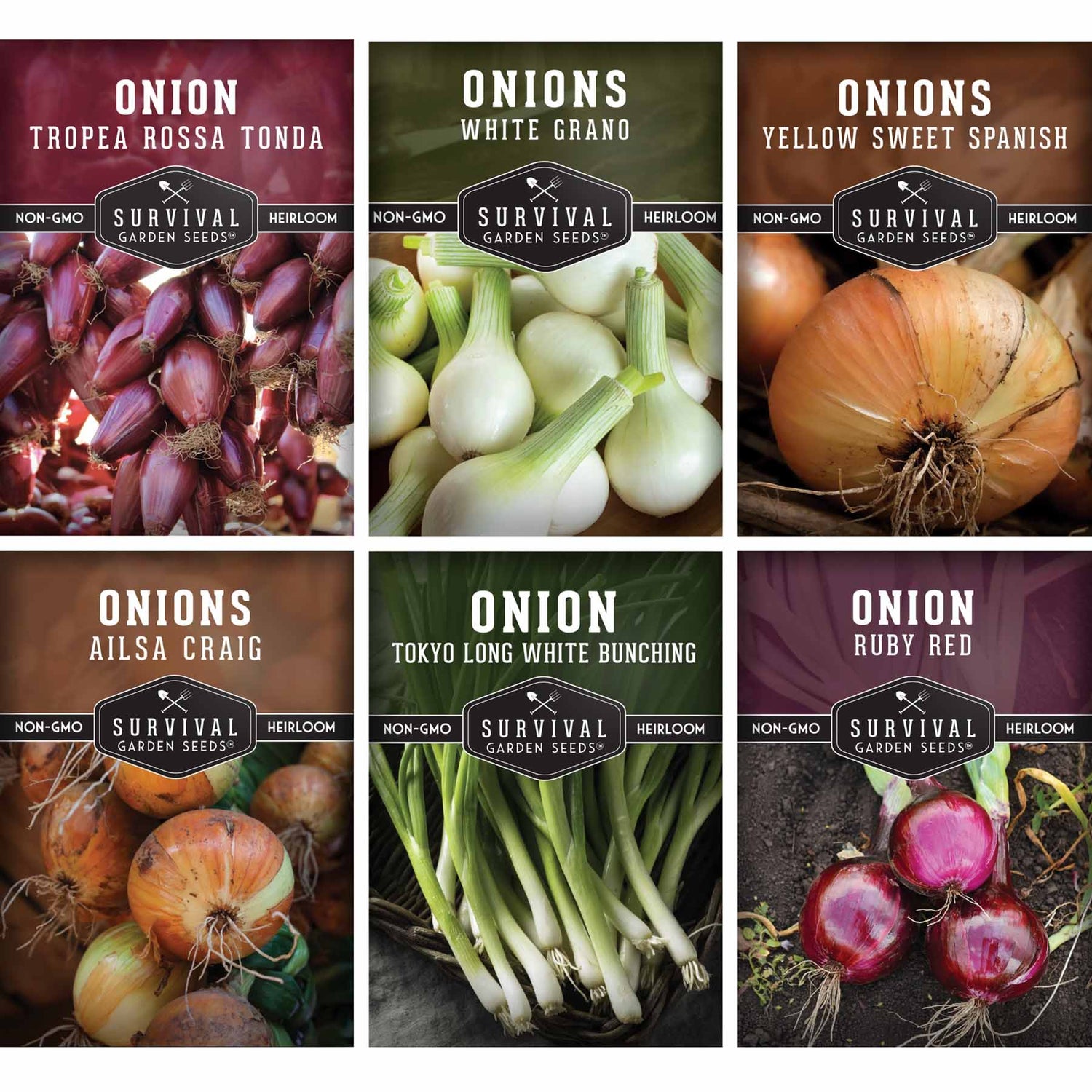
Onions form bulbs based on daylight hours, not size or age. Planting the wrong type means no bulbs or stunted growth. Select your variety based on your location:
- Long-day onions (14–16+ hours): Best for northern U.S., Canada, and cooler zones
- Intermediate-day onions (12–14 hours): Ideal for central U.S. and mild climates
- Short-day onions (10–12 hours): Perfect for southern states like Texas and Florida
Always check seed or set labels to ensure compatibility with your area’s average summer daylight. For example, planting a short-day onion in Maine will result in poor bulb development.
Pick Onion Sets for Fast, Reliable Growth
Onion sets—tiny dormant bulbs—are the top choice for most gardeners. They’re already started, so you skip germination and transplant shock. They mature faster than seeds and are less prone to failure. Look for firm, dry sets about the size of a marble. Avoid soft, shriveled, or moldy ones—they may rot or bolt (prematurely flower).
Use Starters for Container Gardening
Onion starters (young green plants with roots) are ideal for pots. If using compostable pots, plant them directly. For plastic pots, gently loosen roots and plant at the same depth as in the container.
Prepare Soil for Healthy Bulb Development
Use Loose, Well-Draining Soil
Onions need loose, crumbly soil rich in organic matter. Heavy clay or compacted ground leads to misshapen or split bulbs. Amend dense soil with compost or aged manure to improve texture and fertility. The ideal pH is 6.0 to 7.0—slightly acidic to neutral.
Avoid Garden Soil in Containers
For container growing, never use garden soil. It compacts in pots and blocks root growth. Instead, use a high-quality potting mix that drains well but holds moisture.
Wait for the Right Soil Temperature
Plant when soil reaches at least 45°F—usually just after the last spring frost. In most zones, this means planting in late March to early May. Cold soil delays growth; too-early planting risks rot.
Plant Onion Sets Correctly for Maximum Yield
Identify the Top and Bottom of Each Set
Each set has a pointed end (top) where green shoots emerge and a flat, scarred end (bottom) where roots will grow. Always plant with the pointed end up and the flat end down.
Plant No More Than 1 Inch Deep
Onions grow shallowly and need light to trigger growth. Push each set into the soil so the top is just below the surface—no deeper. Burying them too deep prevents sprouting and leads to rot.
Space Plants to Avoid Competition
Crowding creates competition, resulting in small bulbs. Follow these spacing rules:
- In-ground: 6 inches between plants, 12–18 inches between rows
- Containers: 4 to 6 inches apart
A 12-inch pot holds 4–6 onions. Larger containers (18+ inches) allow more plants.
Maximize Sunlight and Maintain Consistent Moisture
Provide 6 to 8 Hours of Full Sun Daily
Onions need full sun to form bulbs properly. Without enough light, plants become weak or leggy. In containers, place pots in the sunniest spot available—a south-facing patio or balcony is ideal.
Water Thoroughly After Planting
Soak the soil right after planting. This breaks dormancy and kickstarts growth. Keep soil consistently moist—not soggy—throughout the season. Container soil dries faster, so check daily.
Apply Mulch to Reduce Maintenance
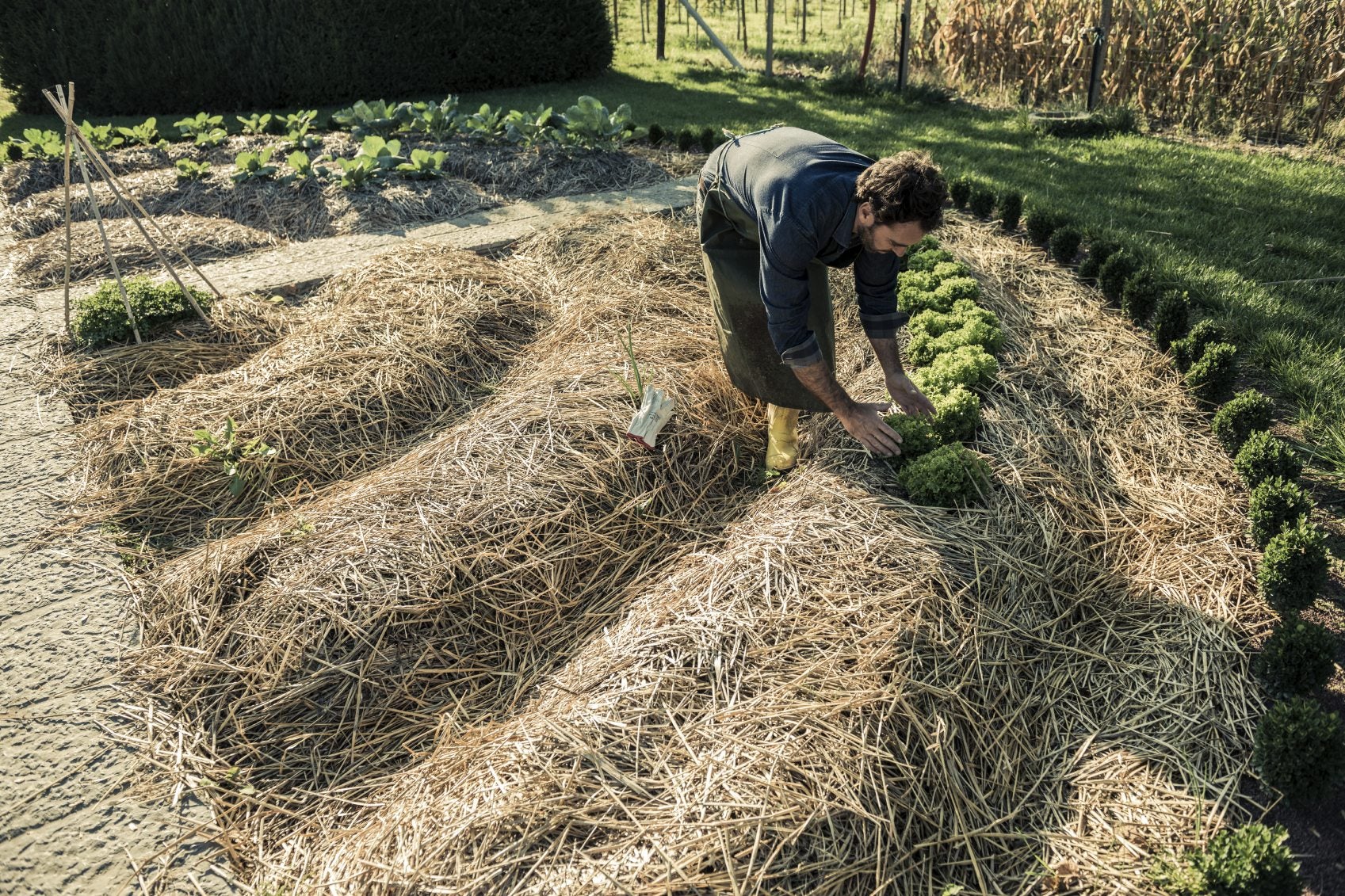
Use a 1-inch layer of straw, leaves, or compost after planting. Mulch:
- Retains moisture
- Suppresses weeds
- Prevents soil crusting
Don’t skip this step—mulch reduces watering needs and boosts yield.
Feed Onions at the Right Growth Stages
Wait 3–4 Weeks Before Fertilizing
Newly planted sets don’t need immediate feeding. Wait until green shoots are 3–4 inches tall before applying fertilizer. Early feeding can burn roots or encourage rot.
Use Balanced Fertilizer First
Apply a 5-5-5 organic liquid fertilizer to support early leaf growth. This builds the green tops, which directly influence bulb size.
Add Nitrogen in Poor Soils
If your soil is sandy or low in nutrients, apply a second round with 10-5-5 NPK to fuel leaf development. But stop feeding 4 weeks before harvest—late nitrogen promotes soft growth and poor storage.
Avoid Over-Fertilizing
Too much fertilizer, especially nitrogen late in the season, leads to thick necks, delayed curing, and rot. Less is more when it comes to feeding onions.
Grow Onions Successfully in Containers

Choose Deep, Roomy Pots
Onions have deep roots. Use containers at least 10 to 12 inches deep. Shallow pots limit bulb size and yield. A 12-inch diameter pot fits 4–6 onions; larger pots allow more.
Use Quality Potting Mix
Stick to light, well-draining potting soil. Avoid garden soil—it compacts and suffocates roots. Keep mix consistently moist but never waterlogged.
Place Pots in Full Sun
Containers can be moved—use that to your advantage. Position them where they get maximum sunlight. Rotate pots if needed to ensure even exposure.
Water and Monitor Daily
Container soil dries out faster than garden beds. Check moisture every day, especially in hot weather. Water when the top inch feels dry.
Prevent Pests and Diseases Naturally
Onions Deter Common Garden Pests
Onions naturally repel aphids, carrot flies, and other pests thanks to their strong scent. No chemical sprays are needed in most cases.
Use Companion Planting for Protection
Pair onions with:
- Carrots (onions repel carrot flies)
- Beets, lettuce, tomatoes, brassicas (cabbage, broccoli)
- Dill and leeks
Avoid planting near peas, beans, or asparagus—onions can inhibit their growth or affect flavor.
Prevent Disease at Planting
Start with healthy, firm sets. Discard any that are soft, moldy, or damaged. This simple step prevents rot and fungal issues.
Fix Common Onion Growing Problems
Why Aren’t My Onions Forming Bulbs?
Check your day-length variety. Wrong type = no bulbs. Also, ensure plants get 6–8 hours of sun and are spaced 6 inches apart.
What Causes Misshapen or Split Bulbs?
Caused by compact or clay-heavy soil. Amend with compost to loosen structure and improve drainage.
Why Are My Onions So Small?
Likely due to overcrowding. Thin plants to 6 inches apart. Also, avoid late fertilization—excess nitrogen keeps energy in leaves, not bulbs.
Why Are My Onion Tops Falling Over Early?
Tops naturally flop when onions are ready to harvest. But if they fall over early, check for overwatering, pests, or poor soil.
Harvest Onions When Tops Signal Readiness
Watch for Natural Harvest Cues
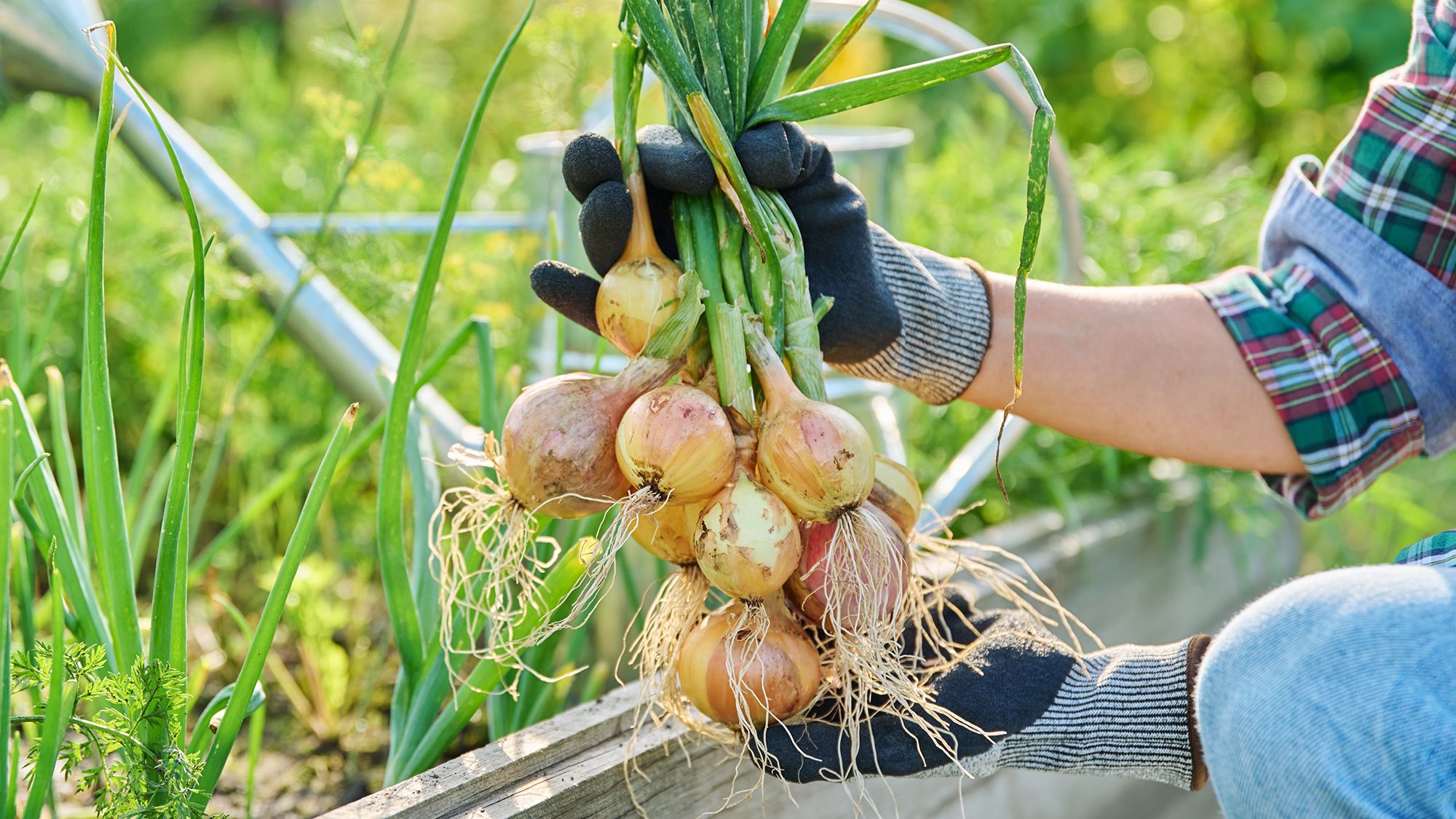
Onions are ready when:
- Tops yellow and flop over
- Necks become soft and dry
- Outer skin turns papery and crisp
This usually happens 40 to 70 days after planting sets.
Pull or Dig Gently
Use your hands or a garden fork to lift bulbs carefully. Avoid bruising—damaged onions won’t store well.
Don’t Cut Tops Before Harvest
Let the foliage die back naturally. Cutting it shortens storage life.
Cure and Store Onions for Up to 6 Months
Cure in a Dry, Ventilated Area
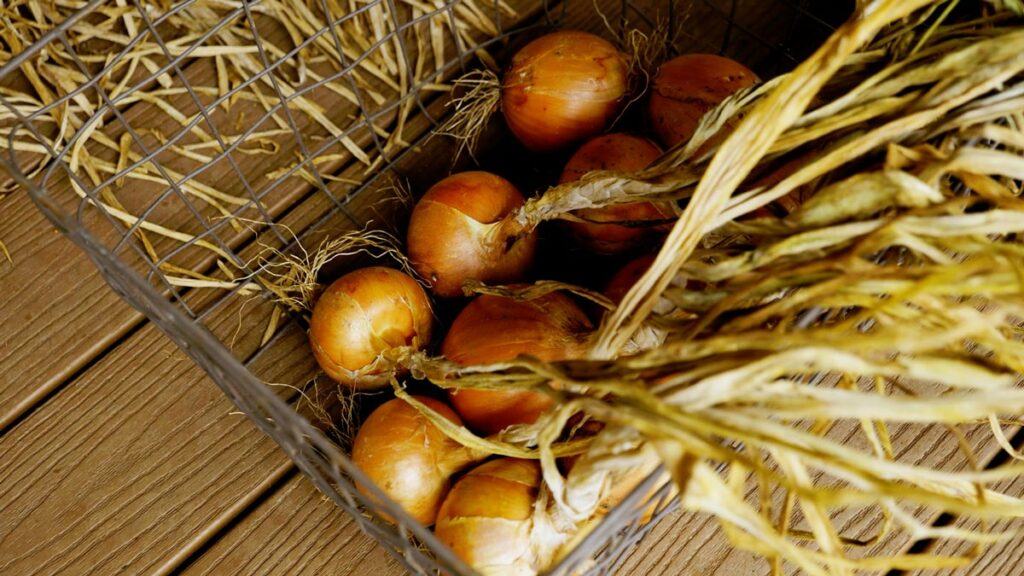
After harvest, lay onions in a dry, shaded, well-ventilated space—a garage, shed, or covered porch works. Let them cure for 1–2 weeks until necks are fully dry and outer skins are crisp.
Trim and Store Properly
Once cured:
- Trim tops to 1 inch above the bulb
- Cut roots short
- Store in a cool, dry, dark place (45–55°F)
Use mesh bags or crates for airflow. Properly cured onions last up to six months.
Key Takeaways for Growing Onions Successfully
Follow these essential tips to grow strong, flavorful onions every season:
- Match your onion type to your region’s day-length—this is the #1 factor for success
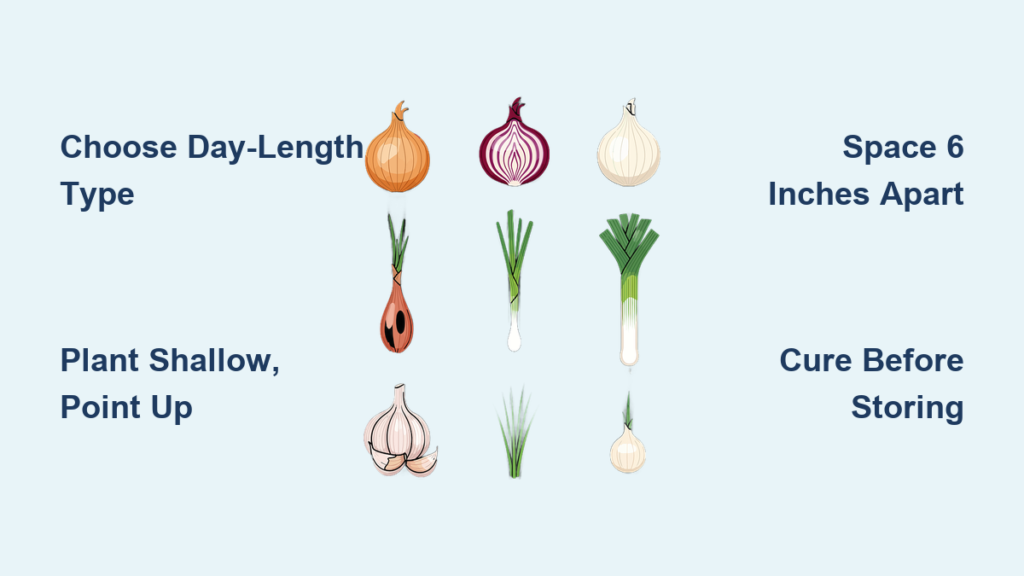
- Plant firm sets shallow—no more than 1 inch deep, pointed end up
- Space plants 6 inches apart to prevent competition and encourage large bulbs
- Provide full sun and consistent moisture—mulch helps retain both
- Stop fertilizing 4 weeks before harvest to ensure proper curing
- Cure thoroughly before storing to extend shelf life up to six months
Start small, avoid common errors like planting too deep or skipping mulch, and enjoy the rewards of homegrown flavor. Whether in a garden bed or a container, onions deliver big results with minimal effort.
Frequently Asked Questions About Planting Onions
When is the best time to plant onions in the garden?
Plant onion sets when soil temperatures reach at least 45°F, typically just after the last spring frost. In most regions, this means late March to early May. Timing ensures strong root development without rot risk.
Can I grow onions in pots on my balcony?
Yes, onions grow well in containers. Use a pot at least 10–12 inches deep with drainage holes. Fill with quality potting mix, plant sets 4–6 inches apart, and place in full sun. Water daily in hot weather.
How deep should I plant onion sets?
Plant onion sets no more than 1 inch deep, with the pointed end facing up. Shallow planting allows light to trigger growth. Burying them too deep can prevent sprouting or cause rot.
Why are my onions not forming bulbs?
The most common cause is planting the wrong day-length variety for your region. Other reasons include insufficient sunlight, overcrowding, or poor soil. Ensure your onions get 6–8 hours of sun and are spaced 6 inches apart.
How do I know when to harvest onions?
Onions are ready when the tops yellow and fall over, the necks soften, and the outer skin turns papery. Gently lift a few bulbs to check firmness. Harvest on a dry day to avoid rot.
How long can homegrown onions be stored?
Properly cured onions can be stored for up to six months. Cure them for 1–2 weeks in a dry, ventilated area, then store in a cool, dark place (45–55°F) with good airflow. Avoid refrigeration.