You’ve probably seen the viral gardening trick: threading copper wire through tomato stems to stop disease. Or maybe you’ve spotted spiral copper antennas rising from garden beds, said to boost plant growth using atmospheric energy. With so many bold claims, it’s hard to know what actually works. The truth is, how to use copper in the garden effectively depends on science—not myths. Copper has real, proven roles in plant health, but only when applied correctly.
This guide cuts through the noise with evidence-based insights. You’ll learn why copper stem wiring doesn’t protect tomatoes, how copper cloudbusters are built (and whether they do anything), and what actually works—like targeted fungicides and soil amendments. We’ll also cover safety, alternatives, and how to test experimental methods without risking your harvest.
Debunked: Copper Wire Through Tomato Stems

No Disease Protection from Stem Wiring
Inserting copper wire through a tomato stem is a popular DIY hack, but it does not prevent fungal diseases like early blight or septoria leaf spot. Despite claims that copper ions enter the plant’s system and boost immunity, controlled trials show no difference in disease onset or severity. In tests across eight tomato varieties, wired and unwired plants developed symptoms at the same time and with equal intensity.
Copper-based fungicides work by releasing ions on leaf surfaces, killing pathogens on contact. But a passive wire inside the stem can’t replicate this. Copper isn’t systemically transported through the plant’s vascular system. Any corrosion from the wire is minimal and localized, meaning no meaningful amount of copper reaches infection-prone areas.
No Impact on Growth or Yield
Proponents also claim copper wiring increases vigor and fruit production. However, trials found no measurable improvement in growth rate, leaf density, or total harvest. In some cases, unwired plants outperformed wired ones in late-season yield and longevity. While the wire didn’t kill the plants, it posed a small risk of stem damage during insertion.
If your wired tomato thrives, credit likely goes to good soil, proper watering, or a resilient variety—not the copper.
Why the Myth Endures
Copper’s real use as a fungicide gives this idea a scientific veneer. Gardeners love low-effort solutions, and without side-by-side comparisons, it’s easy to misattribute success to the wire. But anecdotes aren’t evidence. Without controlled testing, you can’t separate correlation from causation.
Save your plants the unnecessary puncture. Copper stem wiring is ineffective and should be avoided.
Proven Tomato Disease Prevention Alternatives
Use Potassium Bicarbonate Sprays
For real fungal control, switch to potassium bicarbonate sprays—an organic, contact fungicide. It disrupts fungal cell walls on contact and works against powdery mildew, early blight, and leaf spot. Apply every 7–10 days during humid weather or at the first sign of disease. Unlike copper wire, it acts where pathogens land: on the leaf surface.
Prune Lower Leaves Early
Remove the lowest 6–8 inches of foliage when planting. This reduces soil splash, improves airflow, and eliminates early infection sites. Re-prune weekly as plants grow, especially if lower leaves yellow or touch the soil.
Optimize Airflow and Watering
Space tomato plants 24–36 inches apart, depending on variety. Use cages or trellises to keep foliage off the ground. Water at the base, not overhead, to keep leaves dry. Morning watering allows moisture to evaporate quickly, reducing fungal risk.
Rotate Crops Annually
Avoid planting tomatoes in the same spot year after year. Rotate with non-solanaceous crops like beans, lettuce, or carrots. A three-year rotation helps break disease cycles and improves soil health.
Choose Resistant Varieties
Look for labels like “EB” (early blight resistance) or “VFN” (resistant to verticillium, fusarium, and nematodes). Varieties such as ‘Mountain Magic’ and ‘Iron Lady’ are bred for disease resilience and consistently outperform untreated heirlooms.
Copper Cloudbuster Antennas: Experimental Setup
What Is a Copper Cloudbuster?
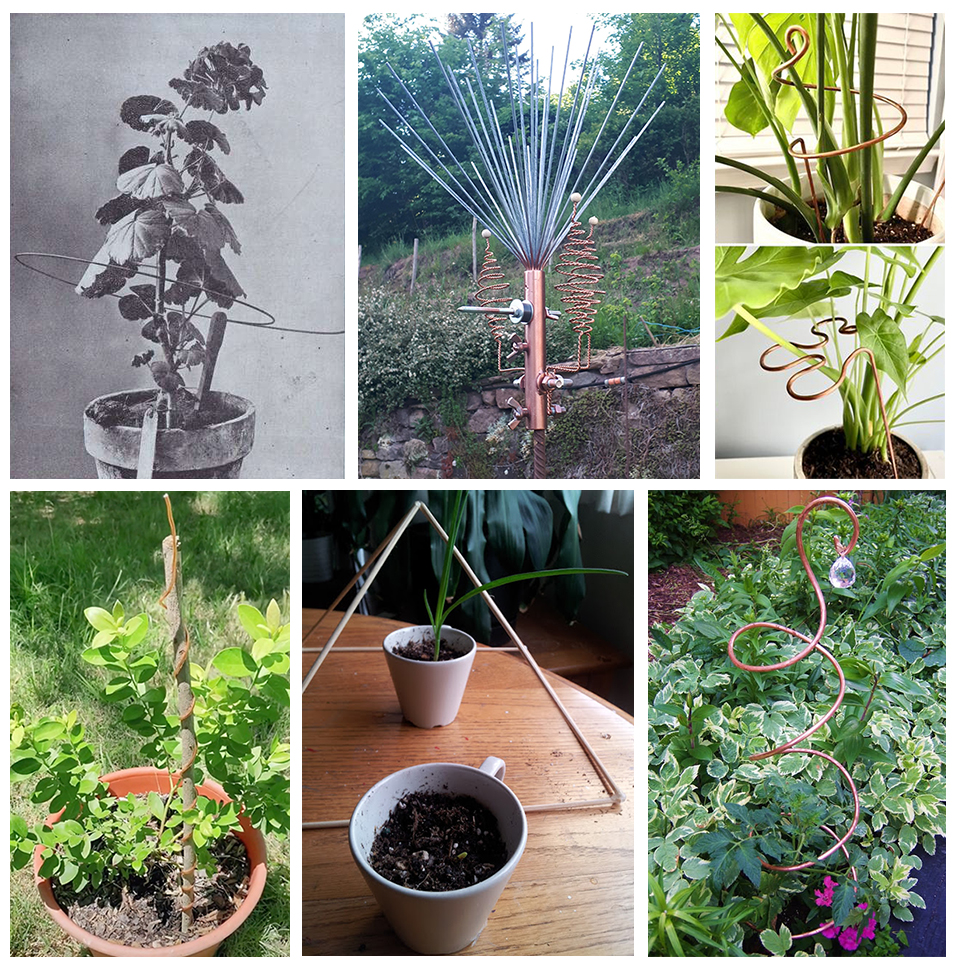
A copper cloudbuster is a DIY garden antenna based on electroculture—a fringe practice claiming that atmospheric energy can be harnessed to improve plant growth. The device uses a wooden stake wrapped with bare copper wire in a spiral, topped with a pointed wire tip. It’s believed to attract natural electrical fields and transfer energy into the soil, boosting microbial activity and plant vigor.
There’s no peer-reviewed evidence supporting these effects. But many gardeners report faster germination, stronger growth, and higher yields. Whether it’s placebo, environmental interaction, or observer bias, the technique remains popular.
If you’re curious, building one is low-cost and harmless—if done right.
Build a Basic Cloudbuster Antenna
Select a Non-Conductive Stake
Use a 6–8 foot untreated wooden stake or sturdy tree branch. Wood insulates the copper wire and prevents grounding. Avoid metal posts, rebar, or treated lumber, which can interfere or leach toxins.
Wrap With Bare Copper Wire
Use 10–14 gauge bare copper wire. Starting near the top, wrap it in a tight spiral down the stake. Keep coils 1–2 inches apart—this spacing is said to enhance energy capture. Do not overlap turns; maintain consistent gaps.
Leave a Pointed Antenna Tip
At the top, extend 2–3 inches of straight wire upward. This exposed tip acts as the atmospheric collector. Bend it slightly upward if needed for stability.
Install Into the Ground
Push the stake about 6 inches into the soil. Keep it upright and secure. Ensure the copper wire doesn’t touch the ground or any metal objects—this could ground the antenna and nullify its effect.
Proper Garden Placement
For Fruit Trees
Place one antenna 2–4 feet from the trunk, ideally near the drip line where roots absorb water. This zone has active root growth and may benefit most from alleged energy transfer.
For Vegetable Beds
Space antennas 3–6 feet apart, depending on garden size. A 4×8 raised bed might need just one; larger plots may benefit from multiple units. You don’t need one per plant—start small and observe.
Avoid Metal Interference
Keep the entire copper structure at least a few feet away from metal fences, gutters, rebar, or irrigation lines. Metal can create grounding paths or electromagnetic interference, potentially disrupting the antenna’s function.
Monitoring Results: Test vs. Control
Compare Treated and Untreated Areas
To evaluate effectiveness, leave part of your garden untreated. For example, install cloudbusters in one raised bed but not another. Grow the same crops under identical conditions. Track germination speed, growth rate, pest resistance, and yield.
This side-by-side comparison helps eliminate bias. If the “treated” area outperforms the control, you’ll have real data—not just hope.
Adjust Based on Observation
Some gardeners report better results with multiple antennas or tighter spacing. Others notice effects only during certain seasons. There’s no standard protocol—experiment and adapt. But always compare to a baseline.
Copper in the Garden: What Works vs. What Doesn’t
| Method | Does It Work? | Scientific Support | Recommendation |
|---|---|---|---|
| Copper wire through tomato stem | ❌ No | None | Avoid—ineffective and potentially harmful |
| Copper-based fungicide sprays | ✅ Yes | Strong | Use for fungal disease control |
| Potassium bicarbonate sprays | ✅ Yes | Strong | Organic, safe alternative |
| Copper cloudbuster antennas | ⚠️ Uncertain | Anecdotal only | Optional experiment—low risk, unproven benefit |
| Soil copper amendments (for deficiency) | ✅ Yes (if needed) | Lab-confirmed | Only with soil test results |
When Copper Is Actually Needed: Deficiency Correction
Diagnose Before You Apply
Copper is an essential micronutrient, but deficiencies are rare in most soils. Symptoms include stunted growth, wilting leaf tips, and yellowing of new leaves. However, these can mimic drought or nitrogen deficiency.
Never amend soil with copper without a soil test. Excess copper is toxic to plants, earthworms, and beneficial microbes. It can accumulate and render soil unusable over time.
Correcting Verified Deficiency
If a lab test confirms low copper levels:
• Apply copper sulfate at recommended rates (usually 1–2 lbs per acre)
• Mix into the top 6 inches of soil
• Re-test in 6–12 months
• Avoid repeated applications
Organic options like composted manure may slowly improve micronutrient balance, but they’re not targeted fixes.
Safety Tips for Handling Copper
Wear Gloves and Eye Protection
Copper wire edges can be sharp. When cutting or bending, wear work gloves and safety glasses. Avoid inhaling fumes if soldering or heating copper.
Keep Copper Away From Edible Parts
Never allow copper wire or treated materials to directly contact fruits or vegetables. While trace exposure isn’t dangerous, direct contact can increase metal uptake in produce.
Store Copper Products Safely
Keep copper sulfate and other amendments locked away from children and pets. Label containers clearly. Store in a dry, cool place to prevent clumping or corrosion.
Frequently Asked Questions About Using Copper in the Garden
Does copper wire in tomato stems prevent disease?
No. Scientific trials show no reduction in fungal diseases like early blight or leaf spot. Copper is not systemically transported through the plant, so a passive wire cannot deliver protective ions.
Can copper cloudbusters really boost plant growth?
There is no scientific evidence supporting copper cloudbusters. Some gardeners report benefits, but results are anecdotal. If you try one, use a control area to test effectiveness.
Is copper safe to use in vegetable gardens?
Yes, when used correctly. Copper fungicides are approved for organic gardening, but overuse can lead to soil toxicity. Always follow label instructions and avoid direct contact with edible parts.
How do I know if my soil needs copper?
Only a soil test can confirm copper deficiency. Symptoms like stunted growth or yellowing new leaves may suggest a problem, but they can also mimic other issues. Never add copper without testing first.
What are safe alternatives to copper wire for disease control?
Potassium bicarbonate sprays, proper pruning, crop rotation, and disease-resistant varieties are proven, safe alternatives. These methods target pathogens effectively without risking plant damage.
Can too much copper harm my garden?
Yes. Excess copper is toxic to plants, earthworms, and beneficial soil microbes. It can accumulate over time and degrade soil health. Always apply copper-based products sparingly and only when needed.
Smart Ways to Use Copper in the Garden: Final Verdict
Copper has real uses in gardening—but only when applied wisely. Inserting wire through tomato stems is a myth with no scientific backing. Skip the hacks and focus on proven methods: potassium bicarbonate sprays, smart pruning, crop rotation, and disease-resistant varieties.
Copper cloudbusters? They’re harmless curiosities. If you enjoy experimenting, build one and compare results. Just don’t expect miracles.
True benefits come from targeted, informed use—whether as a foliar fungicide or a soil amendment after testing. Respect copper’s power, avoid overuse, and let science—not social media—guide your decisions.
Your garden doesn’t need magic. It needs good habits, observation, and the right tools used the right way. And when it comes to copper, that means skipping the myths and sticking to what works.