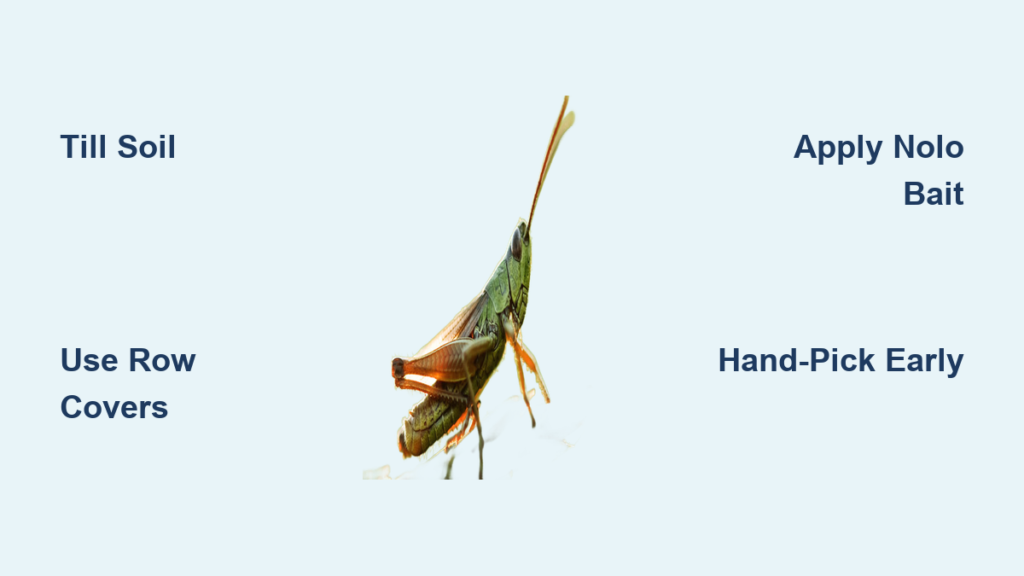
Grasshoppers can devastate a garden in days, chewing through leaves, flowers, and vegetables with alarming speed. If you’re seeing skeletonized foliage or noticing green-brown insects hopping through your plants, you’re likely facing an infestation. Learning how to kill grasshoppers in garden environments safely and effectively is essential—especially if you grow edibles or want to avoid harsh chemicals. These pests thrive in warm, dry areas and reproduce quickly, making early intervention critical.
This guide delivers proven, step-by-step strategies to eliminate grasshoppers using natural predators, organic sprays, physical barriers, and smart garden practices. You’ll learn when and where to act, which methods work best for vegetables and flowers, and how to prevent future outbreaks. Whether you’re dealing with a few stragglers or a full invasion, these actionable tips will help you regain control—without harming pollinators or contaminating your food.
Target Grasshopper Breeding and Feeding Zones

Grasshoppers don’t appear out of nowhere—they migrate from nearby overgrown areas, ditches, or field edges where they lay eggs and feed. Controlling them starts by identifying and disrupting these hotspots before they reach your crops.
Locate and Destroy Egg-Laying Sites
Female grasshoppers deposit egg pods in late summer and fall in compacted, bare soil—often along garden borders, pathways, or unused plots. These eggs survive winter and hatch in spring as small, wingless nymphs that grow rapidly.
What to do:
• Till soil deeply (4–6 inches) in fall and early spring to expose and destroy egg pods
• Rake and disturb sunny, undisturbed patches around your garden’s edge
• Cover bare ground with mulch or plant ground cover to deter egg laying
Act During Early Morning Hours
Grasshoppers are sluggish in cool morning temperatures, making dawn the ideal time to spot and remove them. Their movement slows, allowing for easier hand-picking or treatment application.
Pro tip: Carry a bucket of soapy water at first light. Shake infested plants gently to knock grasshoppers into the water and drown them quickly.
Attract Natural Grasshopper Predators
Boosting your garden’s ecosystem with natural enemies helps reduce grasshopper numbers over time. While no single predator eliminates an infestation, combining several biological controls increases long-term success.
Encourage Bird Predation
Birds like bluebirds, robins, and meadowlarks feed on grasshoppers, as do domestic fowl such as chickens and guinea fowl. A single chicken can eat 50+ grasshoppers daily.
How to attract them:
• Install bird baths and native shrubs for shelter and hydration
• Place feeders near, but not inside, garden beds to draw birds in
• Use chickens or guinea fowl in rotation or enclosed runs to avoid soil damage
Warning: Free-ranging poultry can scratch up seedlings and compact soil. Use temporary fencing or mobile coops.
Support Beneficial Insect Populations
Parasitic wasps and flesh flies lay eggs on or inside grasshoppers. The larvae feed internally, eventually killing the host. You can’t buy these insects, but you can create conditions that attract them.
To support natural parasitism:
• Avoid broad-spectrum insecticides that kill beneficial bugs
• Plant nectar-rich flowers like dill, yarrow, and cosmos
• Maintain diverse plantings to support a balanced insect ecosystem
Apply Safe, Organic Sprays

When grasshopper numbers rise, targeted organic sprays offer fast, food-safe control—perfect for vegetable gardens where chemical residues are a concern.
Use Neem Oil to Disrupt Feeding
Neem oil interferes with grasshopper appetite and molting. It won’t kill adults instantly but reduces feeding and stops nymphs from maturing.
How to apply:
1. Mix 2 tablespoons neem oil + 1 teaspoon mild liquid soap per gallon of water
2. Spray both sides of leaves thoroughly, especially at dusk
3. Reapply every 5–7 days or after rain
Best for: Light infestations and preventative use on leafy greens and herbs
Apply Nolo Bait (Nosema locustae) for Biological Control
Nolo Bait contains Nosema locustae, a natural parasite that infects grasshoppers when ingested. Infected pests stop eating within days and die in 2–3 weeks.
How to use:
• Apply granules around garden borders and infested zones
• Use 1 lb per 2,000 sq ft
• Apply in early morning or evening when grasshoppers are active
• Reapply weekly for 3–4 weeks
Key points:
• Most effective on young nymphs
• Works slowly—combine with traps or barriers
• Safe for pets, birds, and pollinators
Pro tip: Start treatment in spring when nymphs first emerge for maximum impact.
Block Access with Physical Barriers
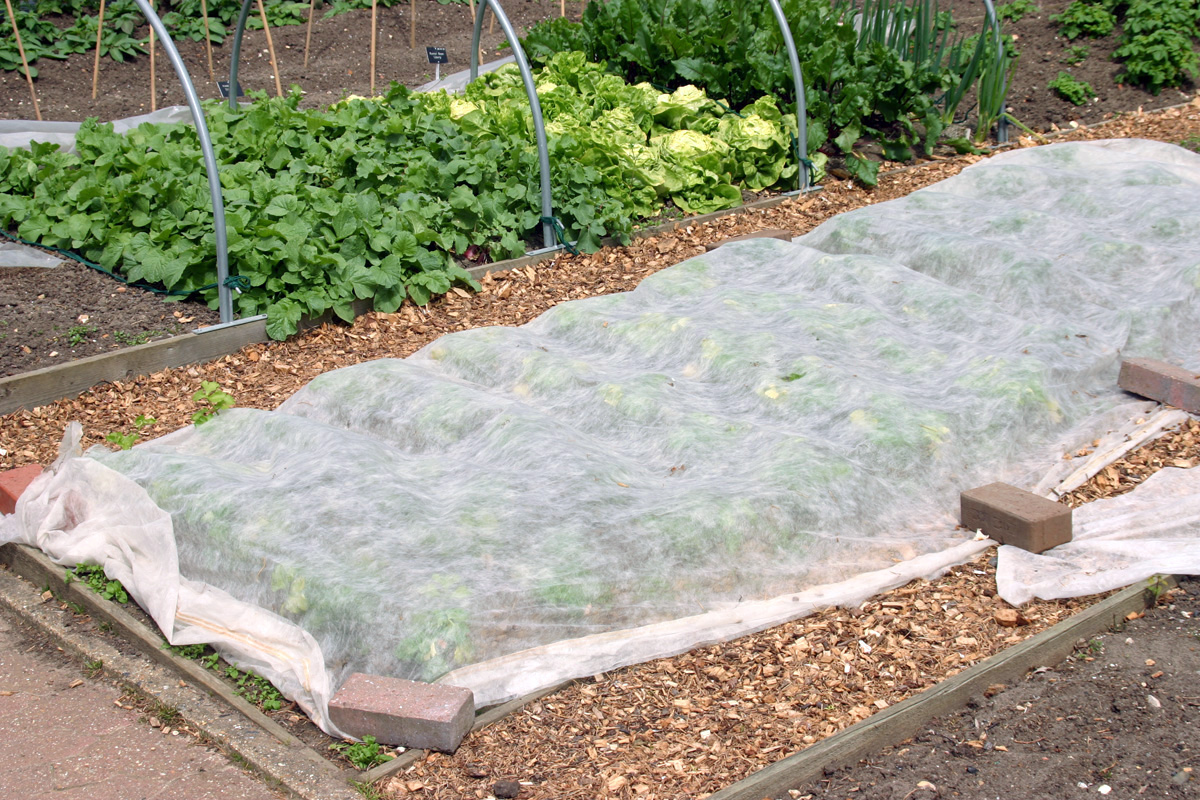
Preventing grasshoppers from reaching your plants is more effective than trying to kill them after damage occurs—especially for tender crops.
Install Floating Row Covers
Lightweight spun polyester row covers block grasshoppers while letting in sunlight, water, and air. They’re ideal for protecting high-value crops.
How to install:
• Use wire hoops or stakes to keep fabric off plants
• Seal edges with soil, rocks, or pins to prevent entry
• Apply before grasshoppers arrive—typically early summer
Best for: Lettuce, kale, cabbage, broccoli, and young seedlings
Protect Seedlings with Plant Collars
New transplants are vulnerable. Cardboard or plastic collars create a physical shield around the stem and base.
How to make:
• Cut toilet paper rolls or plastic cups into 3-inch rings
• Press into the soil around seedlings
• Ensure at least 2 inches extend above the soil line
This simple step gives young plants time to grow strong enough to withstand minor feeding.
Use Traps and Baits to Reduce Populations

Traps won’t eliminate an infestation alone but can reduce adult numbers when used alongside other methods.
Build a Molasses Trap
Grasshoppers are drawn to sweet, fermenting liquids. A molasses trap can lure and drown them effectively.
DIY setup:
1. Mix 1 part molasses with 2 parts water in a shallow container
2. Place near, but not directly beside, infested plants
3. Bury the container so the rim is level with the soil
4. Refresh solution every 2–3 days and remove dead insects
Tip: This method attracts some beneficial insects—use sparingly and monitor for bycatch.
Try the Flour Dusting Technique
Dusting plants with wheat flour causes grasshoppers to dehydrate and die after ingestion. The flour absorbs moisture in their gut and blocks digestion.
How to apply:
• Use a flour sifter or shaker bottle for even coverage
• Dust leaves lightly in the early morning
• Reapply after rain or heavy dew
Note: Only use in dry weather and avoid thick application, which can shade leaves.
Remove Habitat and Food Sources
A clean, well-maintained garden is less attractive to grasshoppers. Eliminating their shelter and preferred plants reduces both current and future populations.
Clear Weeds and Tall Grass
Grasshoppers feed on weeds like lambsquarters, pigweed, and foxtail. Keeping your garden and surrounding areas tidy removes food and hiding spots.
Action steps:
• Mow lawn edges and ditch banks weekly
• Hand-pull or hoe weeds before they seed
• Avoid letting vegetation grow unchecked near garden beds
Space Plants Properly and Rotate Crops
Dense plantings create cover. Proper spacing improves airflow and makes it harder for grasshoppers to hide.
Also, rotate crops annually to disrupt feeding patterns and improve soil health.
Apply Diatomaceous Earth for Contact Control
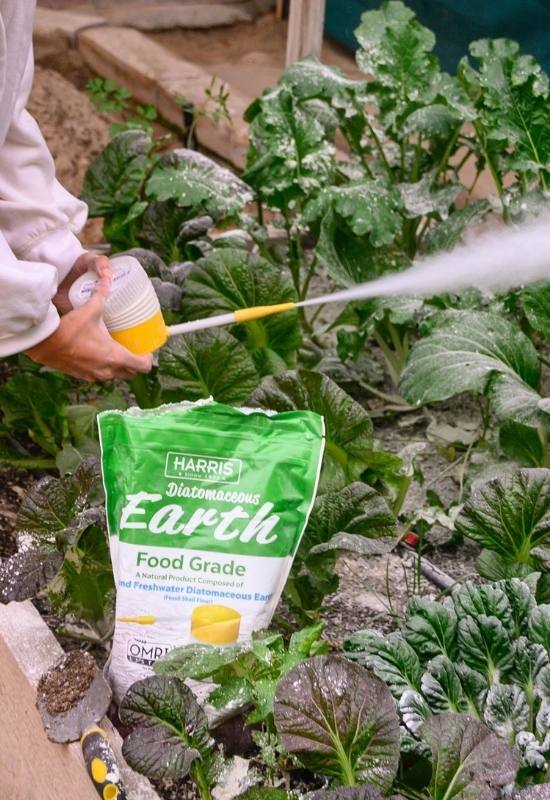
Food-grade diatomaceous earth (DE) is a natural powder that kills grasshoppers by damaging their exoskeletons, leading to dehydration.
How to use:
• Dust lightly on leaves and around plant bases
• Focus on stems and soil where grasshoppers crawl
• Reapply after rain or watering
Safety tips:
• Wear a mask to avoid inhaling fine particles
• Use only food-grade DE (never pool-grade)
• Avoid heavy application on blooming plants to protect bees
Note: DE works best in dry conditions and is more effective on nymphs than adults.
Use Chemical Insecticides as a Last Resort
If natural methods fail and plant damage is severe, targeted chemical options exist—but they should be used sparingly.
Choose Carbaryl or Permethrin Carefully
Carbaryl (Sevin) and permethrin are labeled for grasshopper control in home gardens.
Application tips:
• Spray in the evening to protect bees
• Treat only infested areas—not the entire garden
• Follow label instructions exactly
• Avoid spraying edibles close to harvest
Drawbacks:
• Kills beneficial insects like bees and ladybugs
• Repeated use can lead to resistance
• Toxic to pets if misapplied
Recommendation: Reserve chemical sprays for emergency outbreaks and rotate with organic methods.
Prevent Grasshopper Comebacks
Stopping infestations before they start is easier and more effective than reacting after damage occurs.
Till Soil in Fall and Spring
Tilling exposes grasshopper eggs to birds, weather, and predators. Work the soil deeply, especially along borders and unused areas.
Plant Grasshopper-Resistant Crops
Some plants are less appealing to grasshoppers. Incorporate these into your garden design:
• Herbs: cilantro, basil, mint
• Flowers: marigolds, calendula, cleome
• Vegetables: tomatoes, onions, squash
These won’t repel all grasshoppers but can reduce feeding pressure.
Monitor Weekly Starting in Late Spring
Check your garden regularly for early signs:
• Wingless nymphs (smaller than adults)
• Leaves with ragged, chewed edges
• Insects hopping when plants are disturbed
Early detection allows for faster, easier control with minimal intervention.
Frequently Asked Questions About Killing Grasshoppers in Garden
What is the fastest way to kill grasshoppers naturally?
The fastest natural methods include hand-picking and drowning in soapy water, applying diatomaceous earth, or using Nolo Bait. For immediate results, combine physical removal with targeted neem oil sprays.
Does vinegar kill grasshoppers?
No, vinegar is not an effective grasshopper killer. While it may act as a mild repellent, it doesn’t kill eggs, nymphs, or adults reliably and can damage plant leaves if used heavily.
Are coffee grounds good for keeping grasshoppers away?
There’s no scientific evidence that coffee grounds repel grasshoppers. While they may improve soil, they do not deter or kill these pests. Rely on proven methods like row covers or Nolo Bait instead.
Can dish soap kill grasshoppers?
Yes, a strong soapy water solution can kill grasshoppers on contact by breaking down their protective cuticle. Spray directly or use in a trap bucket for hand-picked insects.
What time of year are grasshoppers most active?
Grasshoppers are most active from mid-summer to early fall. Nymphs emerge in late spring, and adults peak in July–September. Start control measures in spring for best results.
Do marigolds keep grasshoppers away?
Marigolds are less preferred by grasshoppers and may reduce feeding in mixed plantings. While they won’t eliminate infestations, they can be part of a broader deterrent strategy.
Key Takeaways for Killing Grasshoppers in Garden
To effectively kill grasshoppers in garden settings, combine early detection with multiple control methods. Start by disrupting egg sites through tilling and mulching, then use row covers and collars to protect vulnerable plants. Apply organic solutions like neem oil and Nolo Bait early, especially on nymphs, and support natural predators like birds and beneficial insects.
For immediate results, hand-pick grasshoppers at dawn or use flour dusting and molasses traps. Use diatomaceous earth for contact control in dry weather, and reserve chemical insecticides for severe cases only. Finally, prevent future outbreaks by keeping weeds down, rotating crops, and monitoring weekly.
Next step: Walk your garden at first light tomorrow and look for nymphs or chewed leaves. Begin with one or two methods—like row covers and Nolo Bait—and build a long-term defense plan to keep your garden thriving.