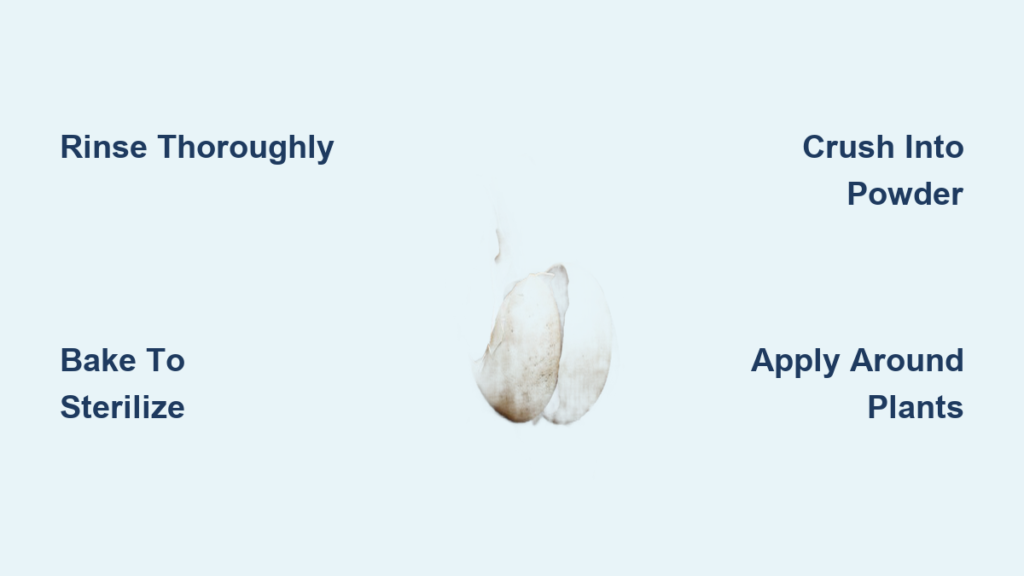
Tossing eggshells in the trash means throwing away a powerful, natural garden booster. Knowing how to put eggshells in garden settings the right way unlocks their full potential—adding calcium to prevent blossom-end rot, strengthening plant cell walls, and creating natural barriers against slugs and snails. Made mostly of calcium carbonate, eggshells slowly release nutrients into the soil, improving plant health over time. Best of all, they’re free, sustainable, and easy to prepare. Whether you grow tomatoes, peppers, or leafy greens, this simple kitchen scrap can make a big difference.
In this guide, you’ll learn step-by-step methods to clean, crush, and apply eggshells effectively. From boosting soil fertility to repelling pests without chemicals, you’ll discover how to use eggshells around plants, in compost, and even in seed-starting mixes. No special tools? No problem—we’ve got solutions for every gardener.
Prepare Eggshells Properly Before Garden Use
Raw egg residue can attract pests and harbor bacteria, so proper preparation is essential. Cleaning and drying eggshells ensures they enrich your garden instead of inviting problems.
Rinse Eggshells to Remove Residue
Wash each shell under running water to remove any leftover egg white or membrane. Even small traces can attract ants, rodents, or flies, or encourage mold in damp soil. Rinse immediately after use or store shells in a sealed container in the fridge until you’re ready to process them. Skipping this step risks turning a helpful amendment into a backyard nuisance.
Dry and Sterilize Shells with Heat
After rinsing, spread shells on a baking sheet and bake at 400°F (200°C) for 10 minutes. This kills bacteria, removes moisture, and makes crushing easier. The heat also eliminates any lingering egg odor that might draw animals. For a no-energy alternative, place shells in direct sunlight for 24–36 hours, but this method is less effective in humid or cloudy conditions.
Crush Eggshells into Fine Powder for Maximum Benefit

The size of your eggshells determines how quickly plants can access their nutrients. Whole or coarse pieces take years to break down—fine powder delivers calcium faster and mixes smoothly into soil.
Use a Food Processor for Fast, Fine Powder
Place dried shells in a food processor and pulse in short bursts until you achieve a fine, sand-like texture. This form integrates quickly into soil and is ideal for preventing calcium deficiencies. A dedicated coffee grinder works too, but avoid using one that also grinds beans to prevent flavor transfer.
Crush by Hand If You Don’t Have a Processor
Seal dried shells in a plastic bag and crush with a rolling pin, mallet, or heavy pan. Aim for the smallest possible fragments. While this won’t create true powder, it’s sufficient for pest control or slow-release soil enrichment. Store larger pieces separately from fine powder for different uses.
Apply Eggshells Around Plants to Prevent Disease and Pests

Once processed, eggshells can be used directly in your garden beds. The application method depends on your goal—nutrient boost or pest barrier.
Sprinkle Powder at the Base of Tomato and Pepper Plants
Apply a thin layer of eggshell powder around the base of calcium-sensitive plants like tomatoes, peppers, and eggplants. Focus on the root zone, just outside the stem, to help prevent blossom-end rot. Reapply every 2–3 weeks or after heavy rain, which washes the powder away. For best results, work the powder lightly into the top inch of soil.
Create Sharp Barriers to Deter Slugs and Snails

Use coarsely crushed shells to form a jagged ring around plant stems. Slugs and snails avoid crawling over the sharp edges, protecting seedlings and tender greens. Replace after rain, as moisture flattens the shells and reduces their effectiveness. Combine with other deterrents like copper tape for stronger protection.
Mix Eggshells into Soil for Long-Term Fertility
For deeper soil enrichment, incorporate eggshells directly into the ground. This slow-release method supports root development and overall plant strength.
Amend Planting Beds Before Sowing Seeds
Before planting, mix ½ cup of eggshell powder per square foot into the top 6 inches of soil. This provides a steady calcium supply for heavy feeders like squash, zucchini, broccoli, and cabbage. Till thoroughly to ensure even distribution and faster breakdown.
Boost Seed-Starting Mix with Calcium
Prevent early deficiencies by adding 1 teaspoon of eggshell powder per 4 cups of potting mix. This strengthens young roots and cell walls, leading to more resilient seedlings. Ideal for tomatoes and peppers started indoors, this simple addition pays off once plants are transplanted.
Add Eggshells to Compost for Balanced Nutrient Content
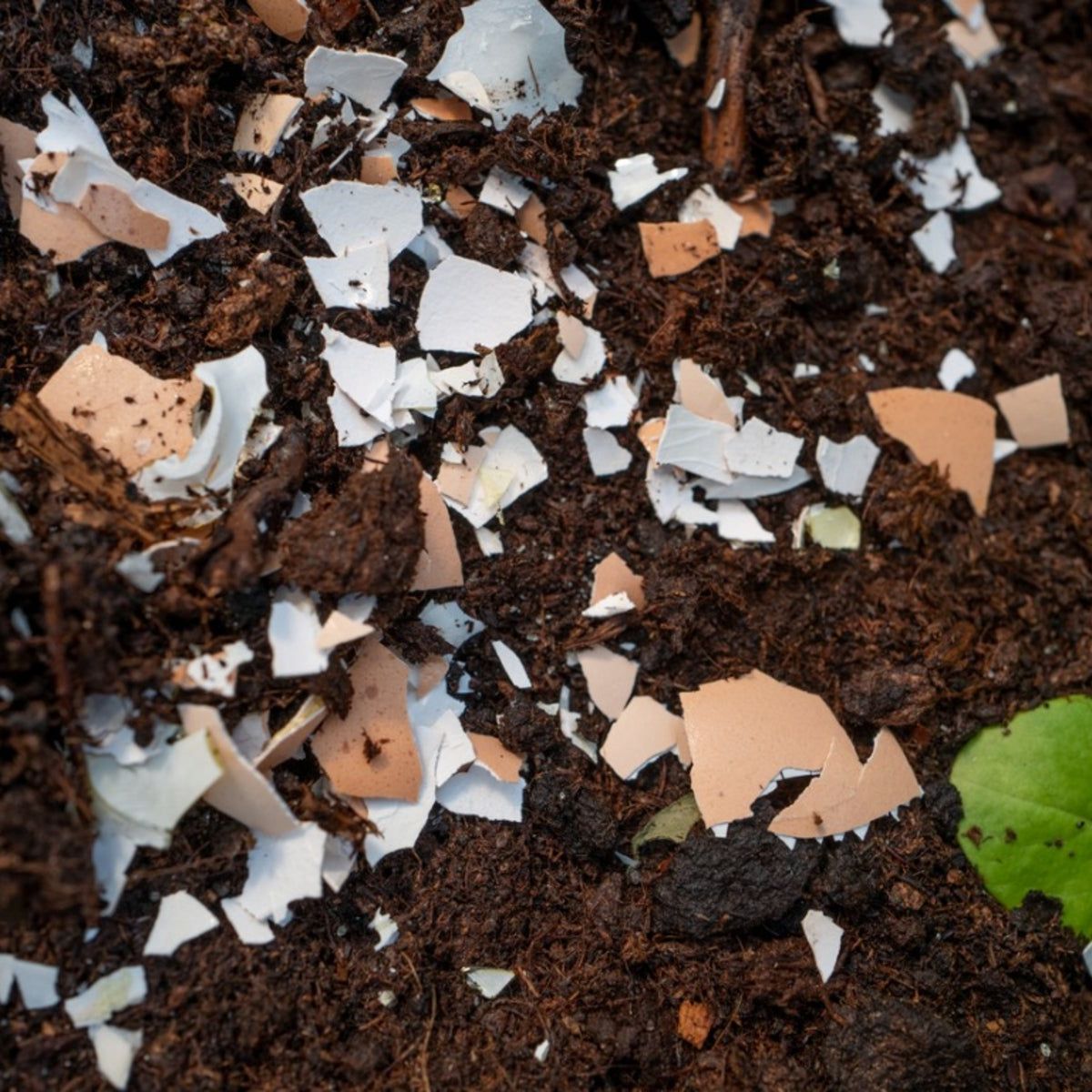
Eggshells improve compost by neutralizing acidity and adding essential minerals. They help balance acidic materials like coffee grounds, fruit peels, and pine needles.
Include Crushed Shells in Your Compost Pile
Toss clean, crushed eggshells into your compost bin regularly. They contribute calcium and help maintain a neutral pH, which supports healthy microbial activity. Over time, worms and microbes break them down, releasing nutrients into the finished compost.
Speed Up Breakdown in Compost
To prevent long decomposition times, crush shells into fine powder before adding. Whole or large pieces can take months—or even years—to break down. Turn your compost pile frequently to expose shells to moisture, heat, and microbes, speeding up integration.
Avoid These Common Eggshell Mistakes
Even a simple garden hack can go wrong if done incorrectly. Steer clear of these common errors to get the most from your eggshells.
Never Use Unwashed Eggshells
Egg residue attracts pests like rats, raccoons, and flies. Always rinse shells thoroughly before drying. If you skip cleaning, you risk inviting unwanted visitors to your garden or compost bin.
Don’t Apply Large Chunks Directly to Soil
Big pieces decompose too slowly to benefit plants during the current growing season. Unless used for pest control, fine powder is far more effective for soil applications. Save coarse fragments for surface barriers only.
Don’t Expect Immediate Results
Eggshells are a slow-release amendment. They won’t fix calcium deficiency overnight. For plants showing signs of blossom-end rot, pair eggshell powder with a fast-acting calcium spray for immediate relief while building long-term soil health.
Store Extra Eggshells for Future Garden Use
You don’t need to use all your eggshells at once. With proper storage, they’ll stay clean and ready for the next planting season.
Keep Dried Shells in an Airtight Container
Store clean, dry shells in a sealed container or resealable bag in a cool, dry place like a kitchen cabinet. Label the container clearly to avoid confusion. Proper storage prevents moisture absorption and keeps pests away.
Grind Only What You Need
Process shells in small batches. Powdered eggshells can clump over time if exposed to humidity, making them harder to spread evenly. Keep whole dried shells until needed, then grind fresh for best results.
Frequently Asked Questions About Using Eggshells in the Garden
Can eggshells really stop blossom-end rot in tomatoes?
Yes, but only over time. Eggshells provide calcium slowly as they break down. For immediate results, use eggshell powder alongside a liquid calcium spray to correct deficiencies fast.
How long do eggshells take to break down in soil?
Whole or coarse pieces can take 6 months to 3 years to fully decompose. Finely ground powder breaks down in a few months, especially in warm, moist, and acidic soils.
Do eggshells attract rodents to the garden?
Unwashed shells with egg residue can attract rodents and flies. Always rinse shells before drying and using them. Clean, baked shells do not attract pests.
Can I put eggshells directly in my garden without composting?
Yes. You can crush them into powder and mix them into soil, sprinkle around plants, or use as a pest barrier. No compost bin is required for effective use.
Are there plants that benefit most from eggshells?
Tomatoes, peppers, eggplants, broccoli, cabbage, and squash benefit most due to their high calcium needs. Leafy greens and root vegetables also respond well to added calcium.
Can too many eggshells harm my garden?
Excessive use can raise soil pH over time, especially in already alkaline soils. Use eggshells in moderation—½ cup powder per square foot is sufficient for most garden beds.
Key Takeaways for How to Put Eggshells in Garden Successfully
Learning how to put eggshells in garden environments the right way turns kitchen waste into a valuable, eco-friendly resource. By rinsing, baking, and crushing shells into powder, you unlock their ability to prevent blossom-end rot, enrich soil, and deter pests. Apply finely ground shells to planting beds or seed mixes for slow-release calcium, or use coarse fragments as natural slug barriers. Always avoid unwashed shells and large chunks in soil to prevent pests and ensure effectiveness.
Start saving your eggshells today. With just a few minutes of prep, you’ll boost plant health, reduce waste, and grow stronger, more resilient crops—naturally.