Knowing how to care for a garden means tuning into your plants’ needs every day—not just watering on a schedule or pruning by habit. A thriving garden starts with healthy soil, smart watering, and consistent observation. Whether you’re growing vegetables in raised beds, tending houseplants, or maintaining a lawn, the key is responding to what you see: dry soil, yellowing leaves, or early pest signs. This guide covers the essential, earth-friendly practices that keep your garden strong, from soil prep to hand-pollination, all based on real-time plant cues and sustainable habits.
You’ll learn how to adjust care as plants grow, prevent problems before they spread, and design a low-maintenance space that works with your climate. With just a few minutes of daily attention, you can grow healthier plants, reduce waste, and enjoy a garden that flourishes year after year.
Build Healthy Soil Before Planting
Test and Adjust Soil pH for Plant Needs
Soil pH directly affects nutrient availability. Most vegetables and flowers grow best in slightly acidic to neutral soil (pH 6.0–7.0). Blueberries need more acidic conditions, while lavender prefers alkaline soil. Use a home test kit to check your soil’s pH. If it’s too low, add garden lime to raise it gradually. If it’s too high, mix in elemental sulfur. Avoid drastic changes—adjust over weeks to protect soil life and prevent plant stress.
Improve Soil Texture and Drainage Naturally
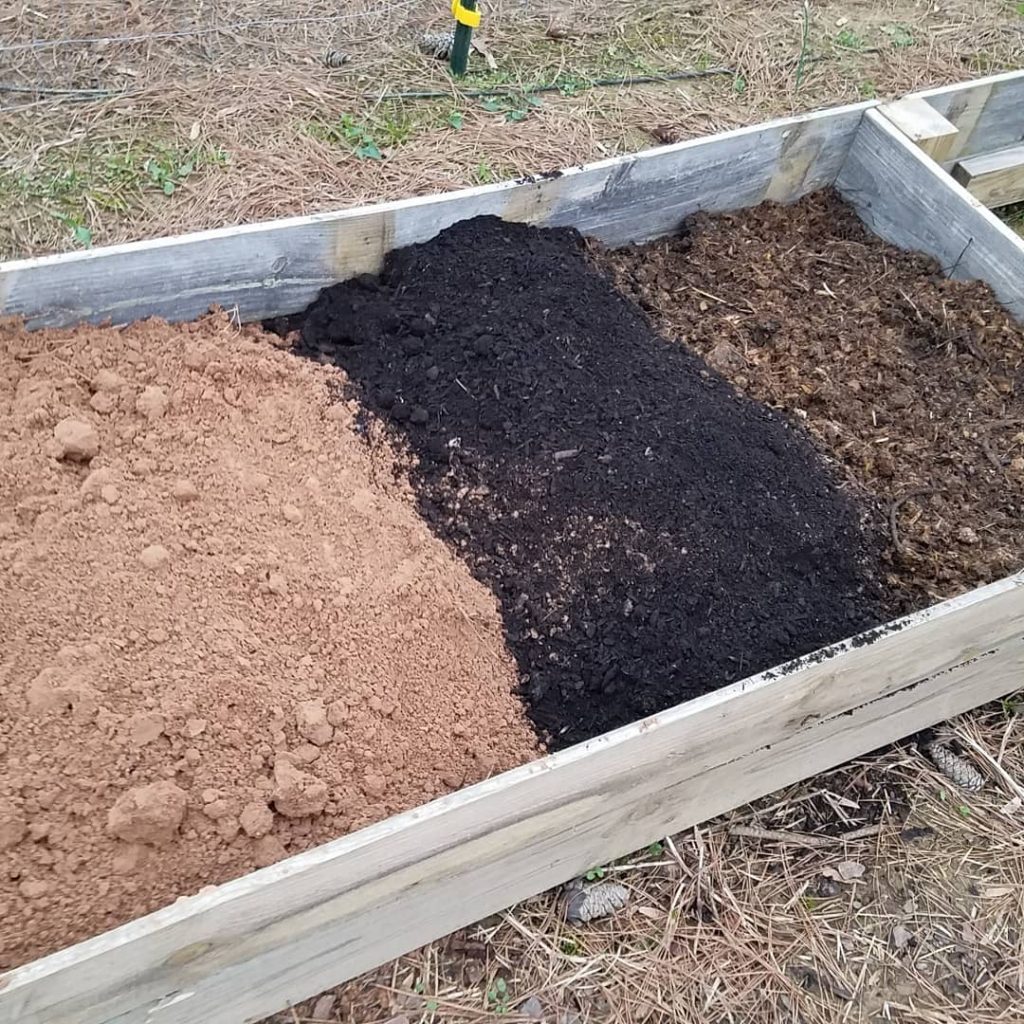
Ideal garden soil is loamy—balanced between sand, silt, and clay. Sandy soil drains too fast; clay holds water and compacts easily. Improve texture by mixing in 2–3 inches of compost or well-rotted manure. This boosts water retention in sandy soils and improves drainage in clay. For poor native soil, consider raised beds or containers filled with quality potting mix. These give you full control over soil composition and root health.
Feed Soil with Organic Matter, Not Chemicals
Skip synthetic fertilizers and enrich soil with compost, leaf mold, or worm castings. These materials feed beneficial microbes, improve structure, and release nutrients slowly. Apply compost as a top dressing each season or mix it into planting holes. Healthy soil produces resilient plants that resist pests and disease naturally, reducing the need for chemical fixes.
Water Deeply and Only When Needed
Match Watering to Plant Growth Stage
Seedlings and newly planted seeds need frequent, light watering to keep the top inch of soil moist. Letting them dry out can kill fragile roots. Once plants are established, switch to deep, infrequent watering—soak the soil to 6–8 inches. This encourages roots to grow downward, making plants more drought-tolerant and stable. Shallow, daily watering leads to weak root systems.
Adjust Watering Based on Weather and Soil
Never water on a fixed schedule. Check conditions daily:
– Hot, windy days? Increase watering—plants lose moisture fast.
– After rain or high humidity? Skip watering—wet soil can cause root rot.
– Cool, cloudy weather? Reduce frequency.
Use your finger or a moisture meter to test the top 1–2 inches of soil. If it’s dry, water deeply in the morning. This gives foliage time to dry, reducing fungal disease risk. Avoid evening watering, which leaves leaves damp overnight.
Perform Daily Garden Checks

Remove Debris and Deadhead Flowers
Spend 5–10 minutes each day walking through your garden. Pick up fallen leaves, spent blooms, and dead plant material. This reduces disease risk and removes hiding spots for pests. Deadhead faded flowers on roses, marigolds, and petunias to encourage new blooms. Removing spent flowers redirects energy from seed production to growth, extending the flowering season.
Prune Suckers and Thin Seedlings Early
For tomatoes and vining plants, pinch off suckers—the small shoots that form where branches meet the stem. This improves airflow and focuses energy on fruit. Also, thin crowded seedlings so each plant has room to grow. Overcrowding leads to competition for light, water, and nutrients. Remove weaker seedlings at soil level to avoid disturbing neighbors’ roots.
Stop Pests and Diseases Before They Spread
Inspect Plants Daily for Early Warning Signs
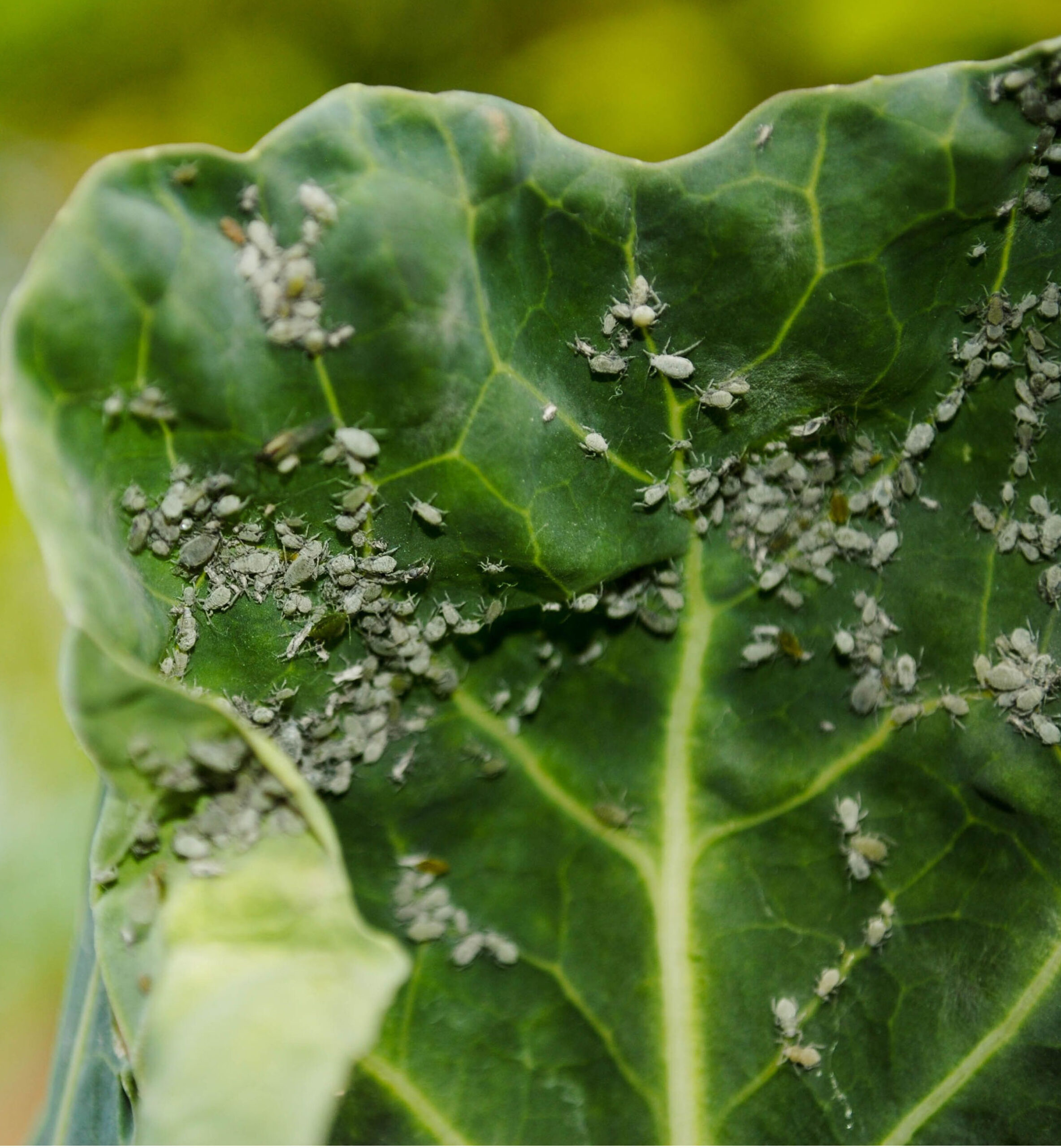
Daily inspection is your best defense. Flip leaves and check stems for:
– Aphids clustering on new growth
– Spider mites leaving fine webbing
– Fungal spots appearing as yellow or brown patches
Catching problems early means easier fixes. Wipe off a few aphids with a damp cloth. Trim and dispose of a moldy leaf before it spreads. Early action prevents minor issues from becoming full infestations.
Use Organic Pest Controls Safely
When pests appear, act fast with earth-friendly solutions:
– Neem oil disrupts insect life cycles and deters feeding
– Insecticidal soap kills soft-bodied pests like aphids and mites on contact
Apply in the evening to avoid harming bees and other pollinators. Avoid chemical pesticides—they kill beneficial insects like ladybugs and lacewings that naturally control pests.
Support Plants as They Grow
Install Trellises and Stakes at Planting Time
Climbing plants like cucumbers, pole beans, and tomatoes need support to grow upright. Set up trellises, cages, or stakes when you plant to avoid damaging roots later. Gently guide stems through supports as they grow. Vertical growth improves air circulation, reduces fungal disease, and makes harvesting easier.
Watch for Signs of Stress or Poor Growth
Monitor how plants respond to their environment. Leggy seedlings? They need more light. Yellowing leaves? Could be overwatering or nutrient deficiency. Stunted growth? Check for root crowding or poor soil. Healthy plants show steady growth, vibrant color, and strong stems. Adjust care based on what you observe—not a calendar.
Boost Fruit Production with Hand Pollination
Recognize When Natural Pollination Fails
If squash, cucumbers, or watermelons bloom but drop flowers without fruit, poor pollination is likely the cause. Fewer bees in urban areas or rainy weather can reduce natural pollination. Female flowers (with a tiny fruit at the base) need pollen from male flowers to set fruit.
Hand-Pollinate in Minutes for Better Harvests
Hand-pollination takes seconds and improves yields. In the morning, use a small brush or cotton swab to:
1. Collect pollen from the center of a male flower
2. Transfer it to the stigma of a female flower
One swipe per flower is enough. This simple step ensures fruit development, especially when pollinators are scarce.
Use Sustainable Habits That Last
Care for Plants Based on Need, Not Schedule
Avoid routine-based care. Water only when soil is dry. Fertilize only when plants show deficiency signs like pale leaves. Over-maintenance wastes water, time, and resources—and can harm plants. Instead, observe daily and act only when necessary. This needs-based approach conserves energy and aligns with natural cycles.
Choose Earth-Friendly Practices That Protect Ecosystems
Sustainable gardening supports long-term health. Key habits include:
– Using compost instead of synthetic fertilizers
– Collecting rainwater for irrigation
– Planting native species that need less water and resist local pests
– Avoiding chemical pesticides that harm pollinators and soil life
These practices build resilience and support biodiversity.
Tailor Care to Your Plants’ Type

Adjust for Succulents and Houseplants
Succulents need well-draining soil and infrequent, deep watering. Let soil dry completely between waterings. Indoors, place in bright, direct light and avoid cold drafts. For houseplants, check humidity—many tropicals benefit from misting or a pebble tray. Repot only when roots fill the container.
Maintain Lawns and Perennials Properly
Mow lawns high (3–4 inches) to shade roots and reduce weeds. Water deeply once or twice a week. For perennials, divide every 3–5 years to prevent overcrowding. Cut back dead foliage in fall or early spring, depending on the plant. Mulch around the base to retain moisture and suppress weeds.
Care for Trees and Shrubs the Right Way
Plant trees with the root flare at soil level—never bury the trunk. Stake only if necessary, and remove stakes after one year. Prune young trees to develop strong structure. Mulch in a donut shape (not against the trunk) to protect roots and reduce lawn competition.
Design a Garden That Fits Your Climate
Use Hardiness and Heat Zones to Choose Plants
Know your USDA Hardiness Zone (or regional equivalent) to pick plants that survive winter. For example, zone 5 gardeners shouldn’t plant zone 8 plants outdoors. Also check Heat Zones, which track how many days exceed 86°F—critical for heat-sensitive plants like lettuce or spinach.
Match Plants to Light and Soil Conditions
Select plants based on your garden’s conditions:
– Full sun (6+ hours direct light): tomatoes, lavender, sunflowers
– Partial shade: hostas, ferns, kale
– Full shade: coral bells, astilbe, mint
Pair plants with your soil type—sandy, clay, or loam. The right plant in the right place needs less intervention and thrives with minimal care.
Plan for Easy, Long-Term Success
Use Companion Planting to Reduce Pests
Strategic plant pairings reduce pests and boost growth. Examples:
– Tomatoes + basil: repels thrips and improves flavor
– Carrots + onions: deter each other’s pests
– Marigolds around veggies: discourage nematodes and attract pollinators
Companion planting creates a balanced ecosystem, reducing the need for sprays and fertilizers.
Design for Easy Access and Efficient Watering
Create paths so you can reach all areas without stepping on soil. Group plants with similar water and sun needs together (hydrozoning). Use raised beds or containers to improve soil control and reduce bending. A well-planned garden saves time, water, and effort all season.
Frequently Asked Questions About How to Care for a Garden
How often should I water my garden?
Water only when the top 1–2 inches of soil are dry. Seedlings need light, frequent watering. Established plants need deep, infrequent watering—about once or twice a week, depending on weather. Always check soil before watering to avoid overwatering.
What is the best time of day to water plants?
Water in the morning. This gives plants time to absorb moisture and allows foliage to dry before nightfall, reducing the risk of fungal diseases. Avoid evening watering, which can leave leaves wet overnight.
How do I know if my soil is healthy?
Healthy soil is dark, crumbly, and rich in organic matter. It drains well but holds moisture. Plants grow steadily with strong stems and vibrant leaves. A simple test: squeeze a handful of moist soil—it should hold shape but break apart easily.
Can I grow a garden without using chemical fertilizers?
Yes. Use compost, worm castings, or leaf mold to feed your soil naturally. These organic materials release nutrients slowly and support beneficial microbes, leading to healthier, more resilient plants without synthetic inputs.
Why are my plant leaves turning yellow?
Yellow leaves can signal overwatering, nutrient deficiency, or poor drainage. Check soil moisture first. If it’s soggy, reduce watering. If dry, water deeply. Consider adding compost to boost nutrients. Also, ensure your plant gets the right amount of light.
How can I get more pollinators in my garden?
Plant native flowers like coneflowers, milkweed, and bee balm. Avoid pesticides. Add a shallow water source. Include plants that bloom at different times to provide food year-round. More pollinators mean better fruit and seed production.
Key Takeaways for How to Care for a Garden
Caring for a garden is a daily practice of observation and response. Focus on building healthy soil, watering deeply but only when needed, and inspecting plants regularly to catch problems early. Use organic methods to prevent pests and support pollinators. Tailor your care to each plant’s needs and your local climate.
Start small, stay consistent, and let your garden teach you. With earth-friendly habits and a few minutes each day, you’ll grow a garden that doesn’t just survive—it thrives.