You wake up to find your lettuce shredded, bean sprouts gone, and tender seedlings reduced to nubs. No holes in the ground, no tracks—just devastation. Chances are, rabbits are the culprits. And while fencing is the go-to solution, it’s not your only option. In fact, you can keep rabbits out of your garden without a fence—by tapping into their deepest instinct: fear.
Rabbits aren’t just hungry. They’re cautious survivors. If they sense danger, they’ll avoid your garden altogether—even if the food looks delicious. The secret isn’t blocking them out. It’s making your garden feel unsafe. This guide reveals science-backed, humane strategies that deter rabbits without barriers, using predator psychology, scent cues, and smart landscaping. No digging, no hardware cloth—just smarter gardening.
Create a Predator-Friendly Perimeter
Rabbits avoid areas where predators lurk. You don’t need a fox in your yard—just the suggestion that one might be nearby. Transform your garden edges into a natural defense zone that invites real or perceived threats.
Install a Native Plant Buffer
Replace open borders with a living fence of native shrubs, grasses, and perennials. This isn’t just landscaping—it’s rabbit deterrence.
• Choose dense, thicket-forming plants like elderberry, serviceberry, or little bluestem grass
• Allow some areas to grow wild to shelter owls, hawks, snakes, and cats
• Position buffers along garden edges where rabbits typically enter
These plants do more than block sightlines. They provide nesting sites and hunting perches for birds of prey. Even the rustle of grass or a shadow overhead signals danger to rabbits.
Pro Tip: Avoid overly tidy borders. Neat mulch beds and bare soil feel safe to rabbits. A slightly wild edge feels risky.
Encourage Natural Predators
Invite nature’s rabbit control team into your yard:
• Install a nesting box for barn owls on a nearby tree or post
• Leave a snake-friendly rock pile at the garden’s edge
• Let your cat patrol the perimeter (supervised, if needed)
You don’t need constant predator presence. Just occasional signs—feathers, droppings, movement—that make rabbits think twice.
Use Scent-Based Rabbit Deterrents

Rabbits rely heavily on smell. A single whiff of predator scent can send them fleeing. Use this to your advantage with odor-based repellents that mimic danger.
Apply Coyote or Fox Urine
Predator urine is one of the most effective non-fence deterrents.
• Purchase commercial coyote or fox urine from garden stores
• Apply around garden edges, near chewed plants, and entry points
• Reapply every 2–3 weeks, or after rain
The scent triggers an instinctive fear response. Rabbits associate the area with danger and avoid it—even if they’ve never seen a coyote.
Note: Use only synthetic or ethically sourced urine products. Avoid anything that harms animals.
Try Homemade Smell Repellents
If you prefer DIY options, these scents also deter rabbits:
• Crushed garlic or pepper spray (mix 1 tbsp cayenne, 1 tsp garlic powder, 1 quart water, 1 tsp dish soap)
• Used coffee grounds sprinkled around plants
• Human hair clippings (place in mesh bags near vulnerable beds)
These won’t last as long as predator urine, but they add sensory confusion—making your garden less inviting.
Deploy Motion-Activated Deterrents
Sudden movement or noise breaks the illusion of safety. Rabbits are creatures of habit. If your garden surprises them, they’ll stop coming.
Install Motion-Activated Sprinklers
One of the most effective tools: a motion-activated sprinkler.
• Detects heat and movement (like a rabbit approaching)
• Releases a sudden burst of water
• Covers up to 1,000 sq ft
Rabbits hate being startled and wet. After one or two sprays, they learn to avoid the area.
Best models: Orbit Enforcer, Hoosier Daddy Sprinkler
Placement: Aim at low entry points, near lettuce beds or young plants
Works on deer and raccoons too—bonus protection.
Use Reflective and Noisy Objects
Simple, low-cost items can create unpredictable sensory input:
• Reflective tape hung on stakes flutters and flashes in sunlight
• Wind chimes near garden edges create irregular sounds
• Pinwheels or aluminum pie pans spin and glint in the breeze
These don’t fool rabbits long-term, but when rotated weekly, they maintain uncertainty.
Expert Tip: Combine multiple deterrents. A flash of light plus a sudden noise is more effective than either alone.
Modify Garden Conditions to Reduce Appeal
Rabbits don’t just come for food. They seek shelter, soft soil, and safety. Change these conditions, and your garden becomes far less attractive.
Avoid Bare Soil and Open Beds
Rabbits love to dig shallow nests in loose, uncovered soil. Prevent this by:
• Using mulch heavily (straw, wood chips, or leaf litter)
• Laying floating row covers over seedlings (without fencing)
• Planting ground covers like thyme or clover to reduce bare patches
Dense ground cover = harder to dig = less appealing.
Remove Hiding Spots
Eliminate places where rabbits can hide:
• Clear brush piles, tall grass, or debris near garden edges
• Trim low-hanging shrubs that create cover
• Store garden tools and pots away from planting zones
The more exposed your garden feels, the less likely rabbits are to enter.
Choose Rabbit-Resistant Plants
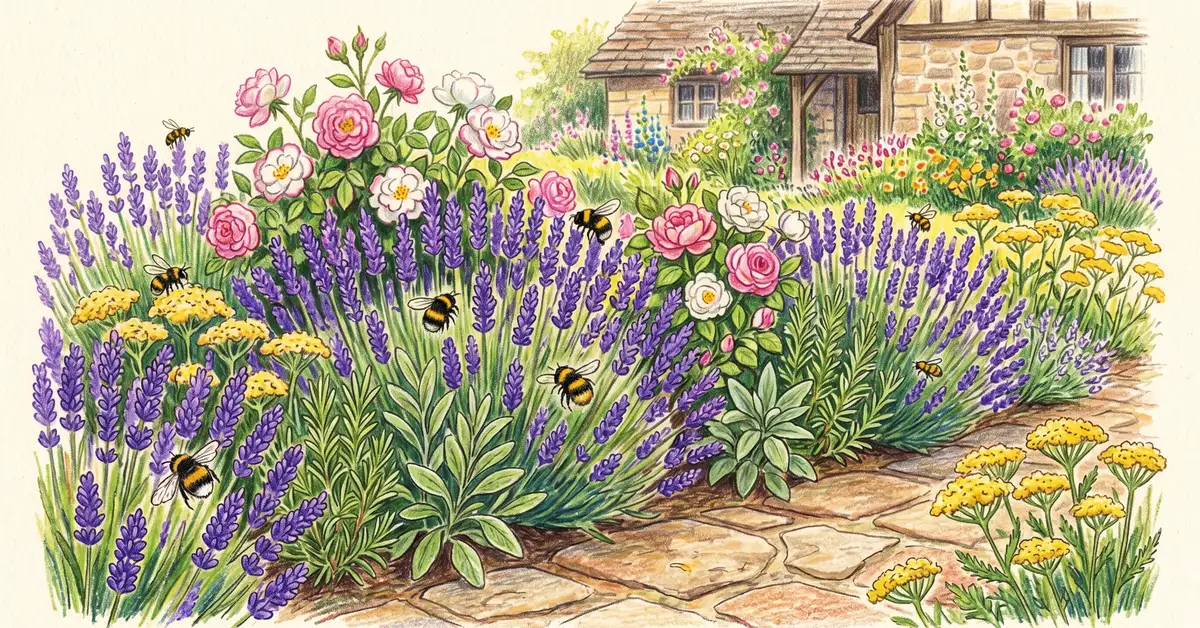
Not all plants are equal targets. Rabbits prefer tender greens like lettuce, broccoli, and beans. But they avoid many others.
Grow Plants Rabbits Dislike
Incorporate these into your garden layout:
• Herbs: Lavender, rosemary, oregano, sage
• Flowers: Marigolds, snapdragons, geraniums
• Vegetables: Onions, garlic, tomatoes (fuzzy stems deter chewing)
These aren’t 100% rabbit-proof, but they’re far less appealing than salad greens.
Surround Vulnerable Crops with Deterrent Plants
Use rabbit-resistant plants as natural borders:
• Plant lavender or marigolds around lettuce beds
• Edge bean rows with onions or chives
• Interplant rosemary among brassicas
This creates a scent barrier that masks the smell of tastier plants.
Apply Organic Repellent Sprays Regularly
Topical sprays add another layer of protection—especially for young, vulnerable plants.
Use Egg-Based Repellents
One of the most effective organic sprays: liquid egg mix.
• Mix 2 raw eggs per gallon of water, blend well
• Add a few drops of garlic oil or cayenne for extra kick
• Spray on and around plants every 5–7 days, or after rain
The smell and sticky residue mimic predator saliva and deter chewing.
Commercial option: Liquid Fence (contains egg solids and garlic)
Rotate Repellent Types
Rabbits adapt. If you use the same spray too long, they’ll ignore it.
• Alternate between egg-based, pepper-based, and predator-scent sprays
• Switch every 2–3 weeks
• Apply in the evening when rabbits are most active
This keeps their senses confused and prevents habituation.
Monitor and Adjust Your Strategy
No single method works forever. Rabbits are smart and adaptable. Success comes from layered, changing tactics.
Track Rabbit Activity
Keep a simple log:
• When damage occurs (dawn/dusk?)
• Where (specific beds or edges?)
• What’s eaten (lettuce? carrots? flowers?)
This helps you target solutions where they’re needed most.
Rotate Deterrents Weekly
Example weekly rotation:
• Week 1: Motion sprinkler + egg spray
• Week 2: Coyote urine + reflective tape
• Week 3: Wind chimes + pepper spray
Variety prevents rabbits from getting used to any one cue.
Reassess in Spring and Fall
Rabbit pressure peaks in:
• Spring (nesting season, new growth)
• Fall (food scarcity, young rabbits exploring)
Boost deterrents during these times. Add extra repellent, reactivate sprinklers, and refresh scent applications.
Frequently Asked Questions About Keeping Rabbits Out of Garden Without a Fence
Do motion-activated sprinklers really work on rabbits?
Yes. Motion-activated sprinklers detect body heat and movement, releasing a sudden spray that startles rabbits. Most learn to avoid the area after one or two encounters. They’re especially effective at dawn and dusk when rabbits are most active.
Can I use fake owls or snakes to scare rabbits?
Fake predators can work short-term, but rabbits often realize they’re not moving and stop fearing them. For better results, move decoys weekly or combine them with motion-activated devices or reflective materials.
Are coffee grounds effective at repelling rabbits?
Coffee grounds add a bitter smell that some rabbits dislike. While not foolproof, sprinkling used grounds around plants can help—especially when combined with other deterrents like egg spray or mulch.
What plants do rabbits hate the most?
Rabbits tend to avoid lavender, rosemary, sage, marigolds, onions, garlic, and tomatoes. These have strong scents, fuzzy textures, or natural compounds that make them unappealing. Use them as borders around vulnerable crops.
How often should I reapply homemade rabbit repellents?
Reapply homemade sprays like garlic or pepper mix every 3–5 days, or after rain. Egg-based sprays last slightly longer—about 5–7 days—but should also be refreshed after wet weather.
Is it safe to use predator urine around pets and children?
Yes, when used as directed. Commercial predator urine products are designed for outdoor use and break down naturally. Keep children and pets from direct contact during application, and avoid spraying near edible parts of vegetables.
Key Takeaways for Keeping Rabbits Out of Your Garden Without a Fence
You don’t need a fence to protect your garden. By making your space feel unsafe, you tap into rabbits’ natural instincts. Combine predator cues, scent deterrents, motion triggers, and smart planting—and you’ll keep rabbits out without a single post in the ground.
The best gardens aren’t walled fortresses. They’re balanced ecosystems where pests stay away because nature says so. Stop fighting rabbits. Start outsmarting them.
Next step: Pick two strategies from this guide—like installing a motion sprinkler and planting marigolds—and apply them this week. Monitor results, then layer in more tactics as needed.