You step outside to enjoy your garden, only to freeze at the sight of a slithering snake near the flowerbed. It’s a common concern for homeowners—especially in spring and summer when snakes become more active. While most garden snakes are harmless, their presence can be unsettling, and venomous species like the timber rattlesnake pose real danger. The good news? With the right strategies, you can effectively keep snakes out of your garden and reduce the risk of encounters. This guide reveals proven, science-backed methods—from sealing entry points and removing food sources to modifying landscaping and installing snake-proof fencing. You’ll learn exactly what attracts snakes, how they enter your yard, and what you can do—starting today—to make your outdoor space uninviting to them.
You’ll discover the 1/2-inch rule that most homeowners miss, why summer is the safest time to seal cracks, and how your bird feeder might be inviting snakes. From quick fixes like mowing your lawn to long-term solutions like solid brick retaining walls, this guide gives you a complete action plan. Whether you’re dealing with garter snakes in spring or worried about rattlesnakes in summer, these steps will help you reclaim your garden—safely and humanely.
Seal Foundation Cracks and Gaps to Block Entry

Snakes don’t need large openings to invade your yard. A gap as small as 1/2 inch is enough for most species to squeeze through. They often enter through cracks between your house and patio, or in the foundation itself—especially those hidden behind concrete steps or stoops. These spaces also serve as overwintering sites, meaning snakes may already be hiding there during colder months.
Fill Cracks During Summer to Avoid Trapping Snakes
The safest time to seal foundation gaps is during summer, when snakes are active and outside. Sealing in winter or spring risks trapping a snake inside your foundation. This can force it into your home or cause it to die in the wall, leading to foul odors and further complications. Watch for signs of snake activity in spring—like garter snakes basking on steps—as an early warning to prepare for summer repairs.
Use Tuck-Pointing and Caulking for Lasting Repairs
For masonry foundations, tuck-pointing is a durable method to fill cracks. For smaller gaps, apply expandable caulking around joints and edges. If you’re unsure where entry points are, consider hiring an energy audit company. Their air-leak detection tools can pinpoint hidden cracks that serve as snake highways into your yard.
Eliminate Rodent Food Sources That Attract Snakes

Snakes aren’t in your garden for the scenery—they’re hunting. If you have mice, rats, or other rodents, you’re indirectly inviting snakes to stay. Rodents are a primary food source, especially for species like garter snakes and timber rattlesnakes.
Store Food in Rodent-Proof Containers
Birdseed, pet food, and compost attract rodents. Store these in metal garbage cans with tight-fitting lids. Never leave dog food outside overnight, and sweep up spilled birdseed regularly to reduce rodent traffic.
Move Bird Feeders Away from House and Garden
Bird feeders are rodent magnets. Place them at least 20 feet from your home and garden. This reduces rodent activity near your foundation and lowers the chance of snakes following the trail into your yard.
Remove Woodpiles and Clutter That Shelter Rodents
Woodpiles, old boards, and yard clutter near the house provide nesting sites for rodents—and hunting grounds for snakes. Relocate woodpiles to areas far from your home. Keep garages and sheds clean and sealed to prevent rodent infestations.
Modify Your Landscaping to Remove Snake Cover
Your garden’s layout might be unintentionally inviting snakes. Certain materials and plant arrangements create ideal hiding spots and hunting grounds.
Replace Mulch and Large Stones with Less Inviting Ground Cover
Damp mulch and big rocks retain moisture and shelter insects, worms, and rodents—snake prey. Switch to smaller pebbles or river rock, which are less attractive to both snakes and their food sources. This simple change reduces humidity and hiding spots.
Trim Shrubs and Trees to Eliminate Ground-Level Hiding Spots
Snakes use low-hanging branches and dense shrubs for cover. Trim plants so there’s at least 6 inches of clearance between the ground and the first branches. This reduces shelter and makes your yard less appealing to snakes and their prey.
Keep Grass Short to Increase Predator Exposure
Long grass gives snakes cover from predators like hawks and foxes. A well-mowed lawn removes this protection. The larger the open, mowed area around your home, the less likely snakes are to venture close. Short grass also makes it easier to spot snakes if they do appear.
Manage Moisture to Reduce Prey Populations
Overwatering your garden may feel nurturing, but it creates a paradise for worms, slugs, and frogs—food for many snake species.
Avoid Excessive Watering and Use Drip Irrigation
Water only when necessary, and avoid creating soggy soil. Use drip irrigation instead of sprinklers to reduce surface moisture. Dry conditions discourage prey and make your yard less attractive to snakes.
Fix Leaky Outdoor Fixtures Immediately
Dripping hoses, faucets, or irrigation systems keep areas damp. Repair leaks promptly to eliminate moisture-rich zones that attract prey and the snakes that follow.
Remove Debris and Hiding Spots Snakes Love
Clutter is a snake’s best friend. Anything that provides cover—old pots, tarps, bricks, or abandoned equipment—can become a hiding place.
Clear Garden Clutter and Store Tools Properly
Regularly remove unused materials from your yard. Store garden tools and equipment in sealed sheds. Pick up fallen fruit, leaves, and yard waste promptly to eliminate shelter.
Relocate Compost Bins and Trash Cans Away from House
Move compost bins, trash cans, and recycling bins away from the house. Elevate them if possible to prevent rodents from nesting underneath. This reduces both rodent and snake activity near your home.
Install Snake-Proof Fencing for Complete Protection
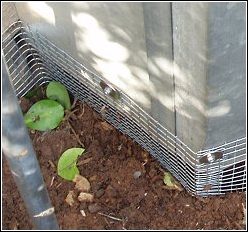
If you want a guaranteed barrier, snake-proof fencing is the most effective solution. Unlike regular fences, it blocks snakes from entering at ground level.
Use 24-Inch Hardware Cloth with 1/4-Inch Weave
Attach 24-inch-high hardware cloth with a 1/4-inch weave to the outside bottom of your existing fence. Bury the bottom 2 to 4 inches deep to prevent snakes from burrowing underneath. This works on chain-link, picket, or split-rail fences.
Try 24-Inch Aluminum Flashing for Open Yards
If you don’t have a fence, install 24-inch aluminum flashing around your yard’s perimeter. Bury 2–4 inches underground and ensure it stands upright. Snakes can’t grip the smooth surface and will turn away.
Seal Gaps and Keep Gates Closed
Any opening—even a small gap under a gate—defeats the purpose. Ensure gates are snake-proofed the same way as the fence and kept closed at all times. If your fence ends at a driveway or wall, extend the barrier to maintain a complete enclosure.
Fill Nearby Burrows That Serve as Snake Entry Points
Mammal burrows near fences are backdoors for snakes. Regularly inspect the perimeter and fill any holes with soil or gravel. Monitor for new digging activity and respond quickly.
Replace Problematic Retaining Walls That Harbor Snakes

Old retaining walls made of loose stone or railroad ties are snake magnets. They offer dark, cool crevices perfect for hiding.
Upgrade to Solid Brick or Concrete Retaining Walls
Replace crumbling stone or wooden walls with solid brick or concrete retaining walls. These provide no gaps for snakes or rodents to exploit. This is a long-term investment in a snake-resistant landscape.
Seal Cracks in Existing Walls to Prevent Entry
If replacement isn’t possible, inspect walls regularly and seal cracks with caulk or mortar. Even small openings can become entry points for snakes and their prey.
Know When to Call a Professional for Snake Removal
Some situations require expert help—especially when dealing with venomous snakes.
Contact a Timber Rattlesnake Responder for Safe Removal
If you spot a timber rattlesnake near your home—typically seen in late June, July, and August—do not attempt removal yourself. These snakes are dangerous and protected in many areas. Call a licensed Timber Rattlesnake Responder for safe, legal removal.
Hire an Energy Auditor to Find Hidden Entry Points
If you suspect snake entry points but can’t find them, an energy audit company can use thermal imaging and air-leak detectors to locate hidden gaps in your foundation or walls.
Follow a Seasonal Prevention Calendar for Year-Round Results
Timing matters. Some tasks should be done in specific seasons to be effective.
Spring: Watch for Snake Emergence and Plan Repairs
In spring, garter snakes emerge from overwintering sites under patios and steps. This is the time to inspect for snake activity and prepare for summer sealing.
Summer: Seal Cracks and Install Fencing
Use the warm months to fill foundation cracks and install fencing. Snakes are active and outside, so sealing won’t trap them inside.
Fall and Winter: Monitor and Plan Ahead
Snakes retreat to warm spots under concrete or in foundation walls. Avoid sealing during this time. Instead, note problem areas and plan repairs for summer.
Integrated Prevention: 12-Step Checklist to Keep Snakes Out of Your Garden
For maximum effectiveness, combine multiple strategies. Here’s your complete action plan:
• Seal all foundation cracks (1/2 inch or wider) using tuck-pointing or caulk
• Fill gaps between house and patio or stoop
• Control rodent populations with traps and sanitation
• Store birdseed and pet food in sealed metal containers
• Move bird feeders at least 20 feet from the house
• Replace damp mulch with small pebbles or river rock
• Trim shrubs to create 6-inch ground clearance
• Keep grass short and mow regularly
• Remove woodpiles, debris, and clutter from yard edges
• Install 24-inch hardware cloth or aluminum flashing around perimeter
• Bury fencing material 2–4 inches deep and keep gates closed
• Replace loose-stone retaining walls with solid brick or concrete
Frequently Asked Questions About Keeping Snakes Out of Garden
Can snakes get through small cracks in my foundation?
Yes. Most snakes can fit through a gap as small as 1/2 inch. Even tiny cracks in your foundation, patio, or stoop can serve as entry points. Seal them during summer to prevent access.
What is the best way to keep snakes out of my yard?
The most effective method is snake-proof fencing made of 24-inch hardware cloth or aluminum flashing, buried 2–4 inches deep. Combine this with rodent control, short grass, and clutter removal for best results.
When is the safest time to seal cracks to prevent snakes?
Summer is the safest time to seal foundation cracks. Snakes are active and outside, so you won’t trap them inside walls. Sealing in winter or spring risks trapping overwintering snakes.
Do bird feeders attract snakes to my garden?
Yes. Bird feeders attract rodents with spilled seed, and rodents attract snakes. Move feeders at least 20 feet from your house and clean up fallen seed regularly.
How does short grass help keep snakes away?
Snakes avoid open areas where they’re exposed to predators like hawks and foxes. A well-mowed lawn removes cover and makes your yard less appealing.
What should I do if I see a timber rattlesnake near my home?
Do not approach or attempt to remove it. Call a licensed Timber Rattlesnake Responder for safe, legal removal. These snakes are dangerous and protected in many regions.
Key Takeaways for Keeping Snakes Out of Your Garden
To keep snakes out of your garden, focus on removing what they need: food, shelter, and entry points. Eliminate rodents by securing food and moving bird feeders. Replace mulch and woodpiles with less inviting materials. Seal foundation cracks in summer, install snake-proof fencing, and maintain short grass and trimmed shrubs.
The most effective strategy is combining multiple methods—no single fix works alone. Start with the 12-step checklist and follow the seasonal calendar. If you spot a venomous snake, call a professional. With consistent effort, you can enjoy a safer, snake-free garden all year.