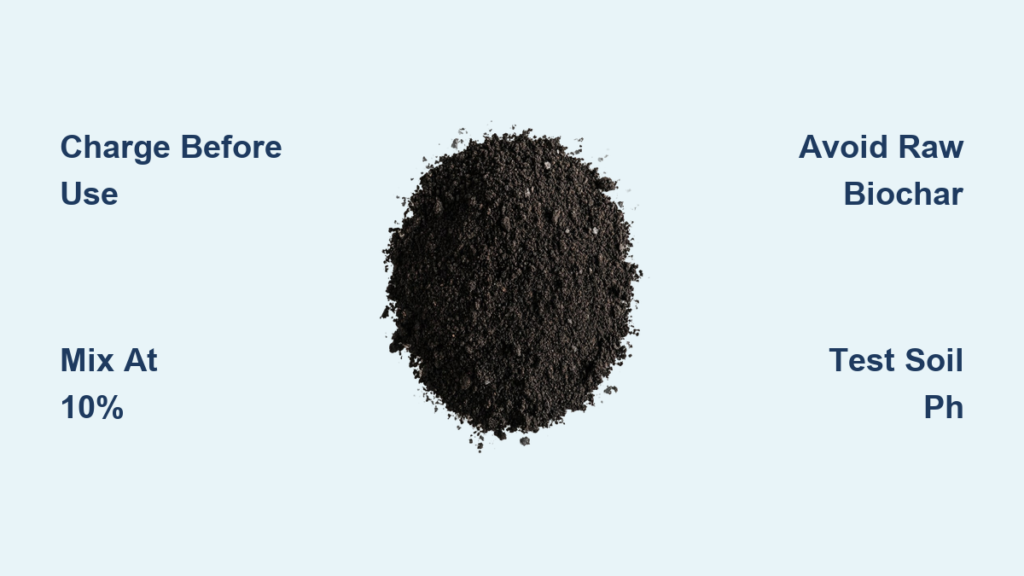
You’ve heard biochar can transform your soil—but tossing it in raw could starve your plants instead of feeding them. Made from pyrolyzed organic waste like crop residues or hardwood, biochar isn’t fertilizer. It’s a long-term soil enhancer that acts like a microbial hotel, storing water, nutrients, and beneficial microbes for centuries. When charged properly, it boosts plant growth, cuts watering needs, and locks carbon underground to fight climate change. But to get results, you must prepare it right.
This guide shows you exactly how to use biochar in garden beds, containers, and no-till systems—without making common mistakes. You’ll learn how to charge it with compost or tea, apply it at the right rate, and improve soil structure for years to come. Whether you’re reviving poor soil or boosting a thriving garden, these science-backed steps will help you unlock biochar’s full potential.
Charge Biochar Before Using It
Raw biochar is like an empty bank account—it has space but no balance. Because it’s highly absorbent, uncharged biochar pulls nitrogen and nutrients from the soil, harming plants. You must charge it first with organic matter and microbes to make it effective.
Mix Biochar Into Compost (Best Method)
The most reliable way to charge biochar is by adding it directly to your compost pile. As microbes break down greens and browns, they colonize the biochar’s pores and bind nutrients to its surface.
Steps to charge in compost:
• Add 1–2 cups of crushed biochar per cubic foot of compost
• Mix it in with every new layer of kitchen scraps and yard waste
• Let it cure through the full composting cycle (4–6 weeks or longer)
✅ Why this works: Charging in compost prevents nutrient theft, builds fungal dominance, and creates a living soil amendment. Over time, it helps develop weed-resistant, resilient soil.
Soak in Compost or Worm Tea for Fast Charging
If you don’t have compost, soaking biochar in nutrient-rich liquid gives quick results.
How to do it:
1. Crush biochar into pieces the size of a quarter or silver dollar
2. Place in a permeable bag (cheesecloth, clean sock, or tea bag)
3. Submerge in a bucket of compost tea or worm castings tea
4. Stir daily for 7–30 days
✅ Pro tip: The longer it steeps, the more microbes it absorbs. After 30 days, your biochar will be alive with beneficial biology.
Avoid Raw or Low-Quality Biochar Products
Many store-bought “pre-charged” biochars aren’t truly charged—or contain harmful additives. Always ask: What was it charged with? If the answer isn’t clear, treat it as raw.
❌ Never use: Charcoal briquettes, lighter fluid-treated coals, or products with binders or fillers.
✅ Only use: 100% natural hardwood lump charcoal or certified biochar made from agricultural waste like rice husks or coconut shells.
Apply Biochar to Garden Beds Correctly
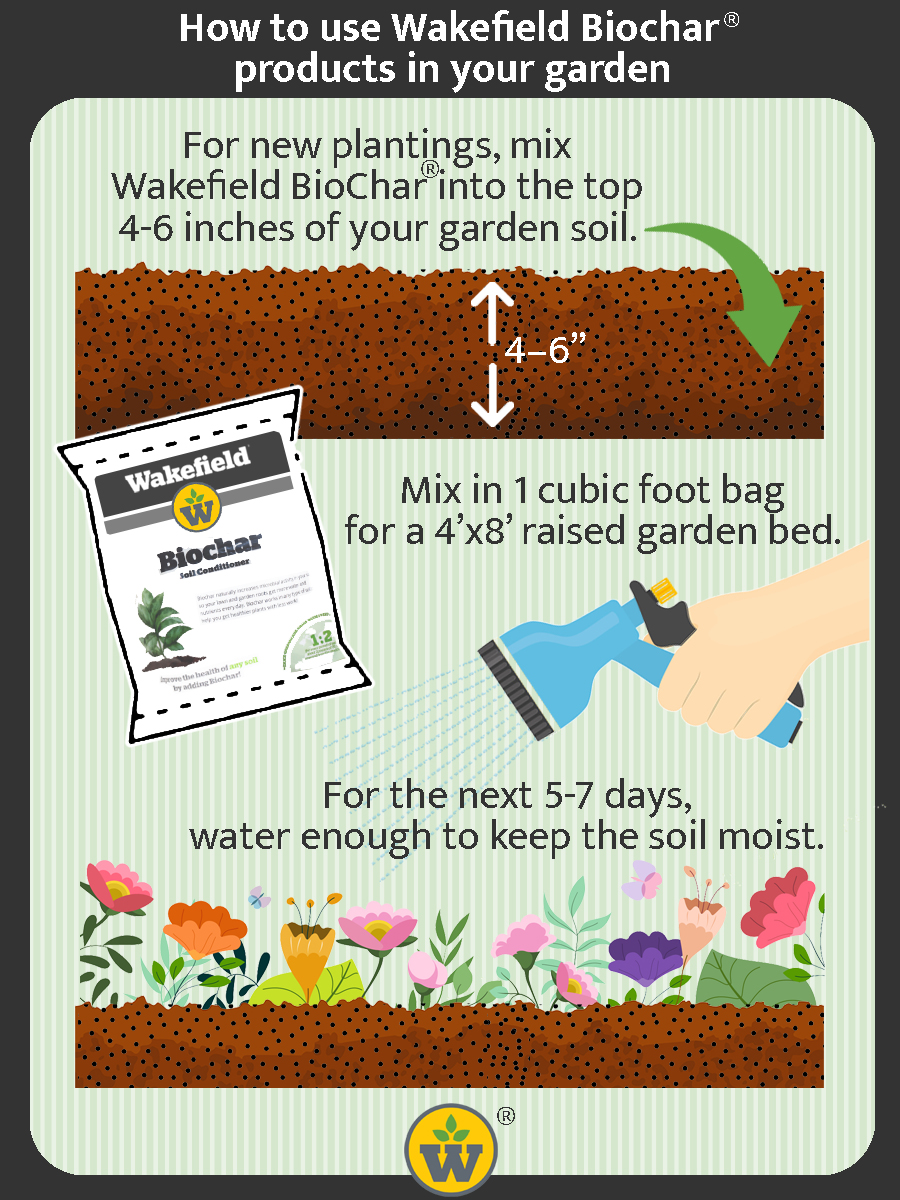
Once charged, biochar becomes a powerful tool for improving both new and existing garden beds. The method depends on your soil type and gardening style.
Incorporate Into New Garden Beds
When starting a new bed—especially in sandy, compacted, or low-organic-matter soil—biochar can dramatically improve fertility.
How to apply:
• Mix 10% biochar by volume into the top 6–12 inches of soil
• Combine with compost and aged manure for best results
🌱 Ideal for: Raised beds, vegetable gardens, and areas with less than 2% organic matter.
Top-Dress No-Till Garden Beds
If you avoid tilling, don’t dig in biochar. Instead, apply it to the surface where microbes and earthworms will pull it down.
Steps:
• Spread a 1/4 to 1/2 inch layer of charged biochar on the soil
• Cover with 1–2 inches of compost or organic mulch
🔁 This method preserves soil structure while gradually integrating biochar into the root zone.
Improve Clay and Sandy Soils
Biochar helps balance extreme soil textures.
For clay soils:
• Improves aeration and drainage
• Prevents compaction
• Mix in at 5–10% volume
For sandy soils:
• Increases water and nutrient retention
• Reduces leaching and watering frequency
• Apply at 10% volume with compost
Use Biochar in Pots and Containers
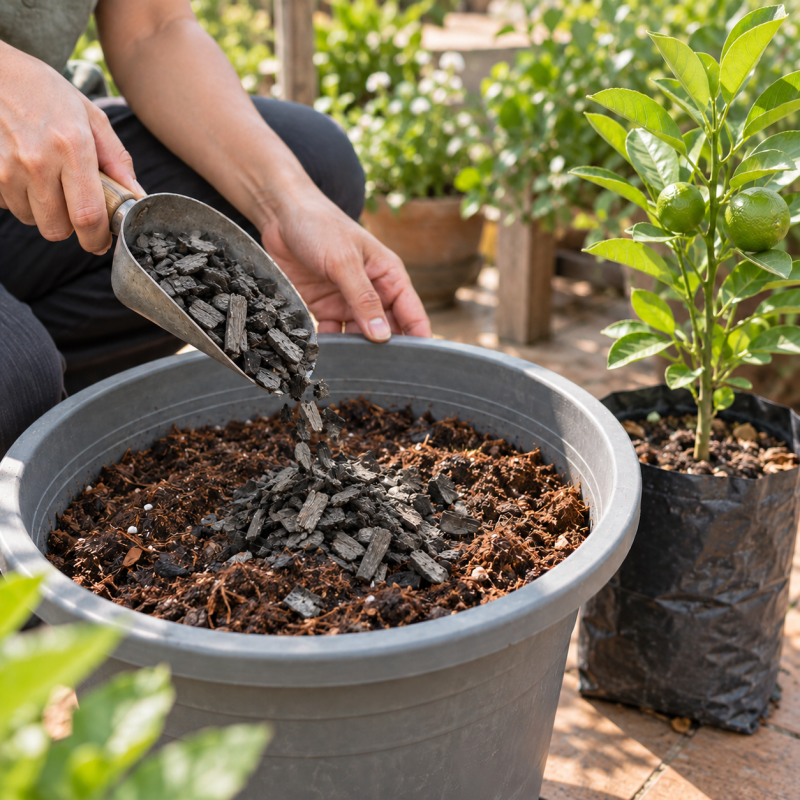
Container plants lose nutrients and moisture quickly. Biochar helps retain both, reducing maintenance and boosting root health.
Blend Biochar Into Potting Mix
Recommended ratio: 10–20% biochar to potting soil
Example: For every 5 gallons of soil, add 0.5 to 1 gallon of charged biochar.
Benefits:
• Reduces fertilizer leaching
• Maintains consistent moisture
• Supports strong microbial activity around roots
🚫 Do not top-dress pots. Mixing ensures roots access benefits from day one.
Refresh Old Container Soil
Instead of replacing potting mix annually, rejuvenate it with biochar.
How to do it:
• Remove the top 2 inches of old soil
• Mix in 10% charged biochar with fresh compost
• Replant and mulch the surface
🔁 This extends soil life, reduces waste, and saves money.
Maximize Long-Term Soil Benefits
Biochar isn’t a quick fix—it’s a centuries-long investment in soil health. Once applied, it continues working long after you’ve moved on.
Create a Microbial Hotel in Your Soil
Biochar’s porous structure shelters beneficial bacteria and fungi from predators and drought.
🦠 Think of it as affordable housing for soil life. Once occupied, these microbes help plants absorb nutrients and resist disease.
Reduce Water and Nutrient Loss
Biochar’s sponge-like pores retain water and essential nutrients like nitrogen and potassium.
• In sandy soils: Cuts irrigation needs by holding moisture
• In clay soils: Prevents waterlogging by improving pore space
• Across all soils: Reduces fertilizer runoff by up to 50%
📉 This means healthier plants and less pollution in nearby waterways.
Lock Carbon in the Soil for Centuries
By converting organic waste into stable carbon, biochar removes CO₂ from the atmosphere.
🌍 Every pound of biochar in your garden acts as a carbon sink, helping fight climate change for hundreds of years.
Encourage Fungal-Dominant Soils
Fungi thrive in carbon-rich environments. Charged biochar promotes fungal networks that:
• Suppress weeds
• Improve soil aggregation
• Enhance plant resilience
🌱 Fungal-dominant soils are the foundation of regenerative, low-maintenance gardening.
Avoid These Common Biochar Mistakes

Even experienced gardeners make errors that reduce biochar’s effectiveness or harm plants.
Never Use Raw Biochar in Soil
Uncured biochar steals nitrogen and other nutrients, leading to stunted growth and yellow leaves.
⚠️ Result: Poor plant performance and nutrient deficiencies.
✅ Fix: Always charge biochar in compost or tea before applying.
Don’t Overapply Biochar
More isn’t better. Excessive amounts can alter soil structure and pH.
Maximum recommended rate: 10% by volume in soil or compost
🌱 Start small—test on one bed before expanding.
Test Soil pH Before Applying
Biochar is alkaline and can raise soil pH.
✅ Best for: Acidic soils (pH < 6.5)
❌ Avoid in: Alkaline soils (pH > 7.5), unless growing pH-tolerant crops
🧪 Always test your soil first to avoid imbalances.
Choose Sustainable Biochar Sources
Not all biochar is eco-friendly.
🚫 Avoid products made from virgin wood—they contribute to deforestation.
✅ Choose biochar made from agricultural waste like rice husks, coconut shells, or crop residues. This supports circular agriculture and reduces pollution.
Frequently Asked Questions About Using Biochar in Garden
Can I use charcoal briquettes as biochar?
No. Charcoal briquettes often contain binders, lighter fluid, and other chemicals toxic to plants and soil life. Only use 100% natural hardwood lump charcoal or certified biochar from waste biomass.
How long does it take to charge biochar?
Charging time depends on the method. In compost, it takes 4–6 weeks or longer. In compost tea, stir daily for 7–30 days. The longer it steeps, the more microbes it absorbs.
Can I add biochar to my worm bin?
Yes. Adding small amounts of crushed, charged biochar to a worm bin improves microbial activity, reduces odors, and helps retain moisture. Start with 1–2 cups per bin and monitor results.
Does biochar break down in soil?
No. Biochar is highly stable and can remain in the soil for hundreds to thousands of years. It doesn’t decompose like organic matter, making it a permanent soil enhancer.
Can I use biochar in indoor plants?
Yes. Mix 10% charged biochar into potting soil for houseplants to improve moisture retention and root health. Avoid top-dressing—always blend it in.
Will biochar raise my soil pH too much?
It can. Biochar is alkaline, so it may raise pH over time. Test your soil first and avoid using it in already alkaline conditions (pH > 7.5). In acidic soils, it’s highly beneficial.
Key Takeaways for Using Biochar in Garden
Biochar isn’t fertilizer—but when charged and used correctly, it transforms your garden into a resilient, regenerative system. The key steps are: charge it first, apply at 10% volume, and use sustainably sourced material. By mixing it into compost, blending it into soil, or refreshing container mixes, you’ll improve water retention, reduce nutrient loss, and support thriving microbial life.
Start with a small test plot, monitor plant growth and watering needs, and scale up as you see results. With proper use, biochar lasts for centuries—making your garden a long-term carbon sink and a model of sustainable growing. Turn waste into wealth, build healthier soil, and grow stronger plants for generations to come.