If you’re harvesting a mountain of bell peppers—bright red, sunny yellow, deep green, or fiery orange—you don’t need to panic about waste. The good news? You can freeze peppers from the garden without blanching, and they’ll keep their flavor, color, and cooking performance for months. Unlike most vegetables, peppers freeze beautifully raw, saving you time and effort. Whether you’re dealing with sweet mini peppers, long Palermo types, or classic bell peppers, freezing is the fastest way to preserve your bounty.
This guide walks you through every step: washing, drying, cutting by type, flash freezing, and storing properly to prevent clumping and freezer burn. You’ll learn how to prep peppers for stir-fries, soups, stuffed dishes, and more—ready to grab and toss into the pan. Follow these proven steps, and your garden-fresh taste will last well into winter.
Wash and Dry Garden Peppers Thoroughly
Rinse and Soak for a Deep Clean
Start by rinsing each pepper under cool running water to remove dirt and pests. For a deeper clean, soak them in a sink filled with water and a pinch of salt for 5 minutes. This loosens stubborn residue, especially in crevices. Drain in a colander and give them a final rinse.
Wipe Every Surface Until Completely Dry
Moisture is the enemy of frozen peppers. Use a clean paper towel to dry each pepper thoroughly—especially around the stem and inside any folds. Trapped water leads to ice crystals, clumping, and freezer burn. Never skip this step. If peppers are even slightly damp, their texture and shelf life will suffer.
Sort and Cut Peppers by Type for Best Results

Match the Cut to the Pepper Variety
Cutting peppers correctly ensures better texture and cooking performance later. Sort them by type before slicing:
• Sweet mini peppers – leave whole for stuffing
• Palermo peppers – slice into long strips or rings
• Large bell peppers – dice or cut into large squares
This approach saves time and keeps your frozen stash organized for specific recipes.
Use ½ to 1 Inch Cuts to Prevent Mushiness
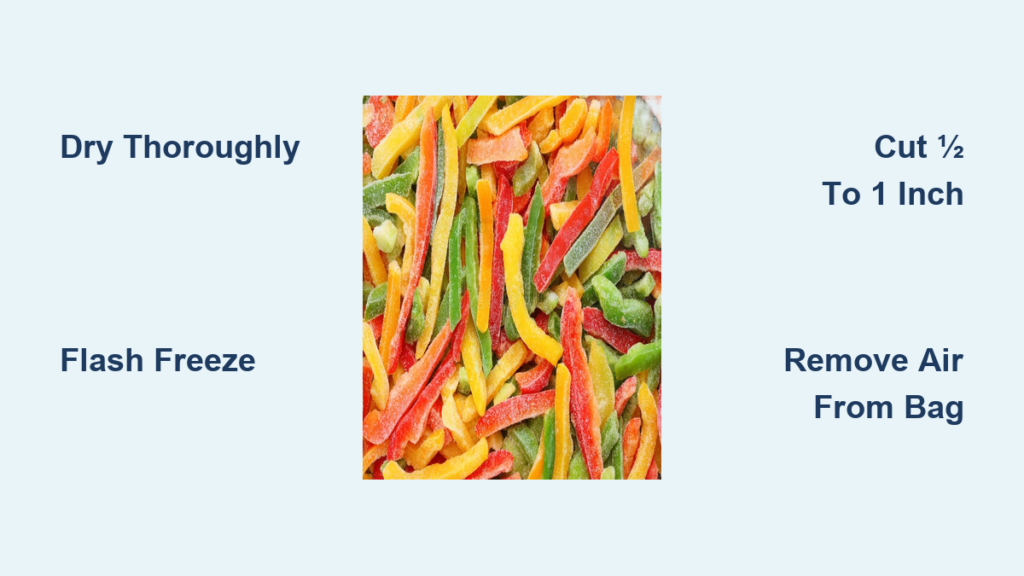
Smaller pieces turn mushy after thawing. Stick to ½ to 1 inch cuts to preserve structure. For soups and salsas, small dice is acceptable—but only if used quickly after thawing. Larger pieces hold up better in stir-fries and roasting.
Flash Freeze Pepper Pieces to Prevent Clumping

Freeze on a Parchment-Lined Tray
Line a baking sheet with parchment paper and spread pepper pieces in a single layer. Make sure they don’t touch—this ensures even freezing and prevents sticking. Whole mini peppers can go directly on the tray too.
Freeze for 1–2 Hours Until Firm
Place the tray in the freezer for at least 60 minutes, or until peppers are completely firm. Check by touching a few pieces—they should feel solid, not soft. Flash freezing locks in freshness and keeps pieces separate so you can grab just what you need later.
Package Peppers for Long-Term Storage
Choose the Right Freezer Bag Method
Use freezer-safe bags or vacuum-sealed bags for best results:
• Vacuum-sealed bags – best for storage up to 12 months
• Ziploc freezer bags – use double-bagging for storage over 6 months
• Portion-sized bags – freeze in recipe-ready amounts (e.g., 1 cup diced)
Remove Air to Stop Freezer Burn
Air causes freezer burn. Remove as much as possible using one of these methods:
• Straw method: Seal the bag almost shut, insert a straw, suck out air, then seal completely
• Manual press: Press out air with your hands before sealing
• Double-bag: Place a sealed bag inside a second freezer bag
This is especially important if you don’t have a vacuum sealer.
Label Each Bag with Date and Cut Type
Always label bags with:
• Freezing date
• Cut type (whole, sliced, diced, etc.)
This helps you rotate stock and use older peppers first. A permanent marker works best on frozen bags.
Store Frozen Peppers Properly for Maximum Shelf Life
Know How Long Peppers Last in the Freezer
Storage duration depends on packaging:
• Standard freezer bags: Use within 5 months
• Vacuum-sealed or double-bagged: Last up to 12 months
• Whole mini peppers: Best within 3–5 months
Keep your freezer at 0°F (-18°C) or lower for optimal quality.
Organize for Easy Access and Space Saving
Freeze bags flat at first to save space. Once solid, you can stack them. Store frequently used cuts—like diced peppers—where you can grab them quickly. Keep older bags in front for first-in, first-out use.
Cook with Frozen Peppers Without Thawing
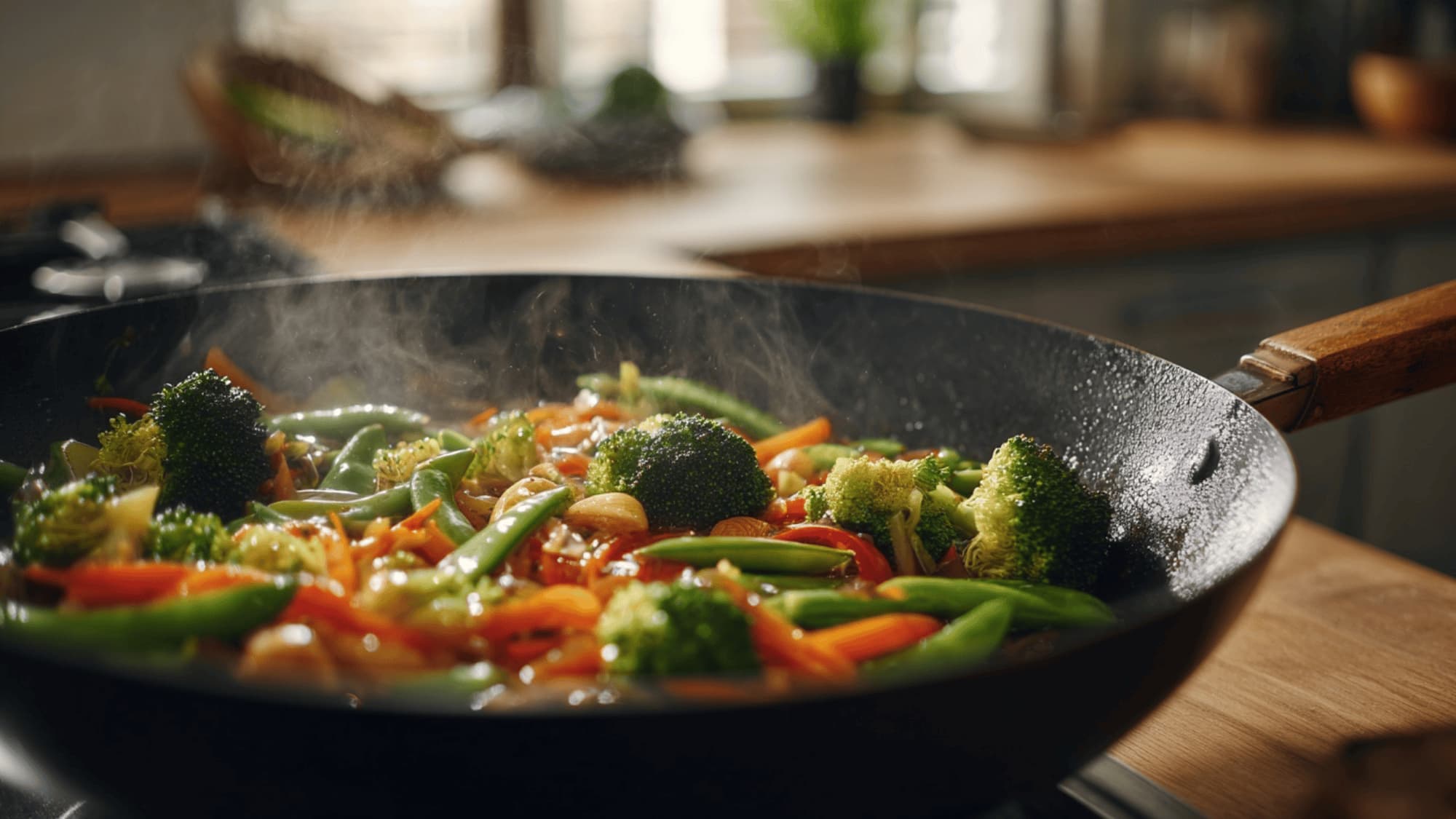
Add Frozen Peppers Directly to Hot Dishes
You don’t need to thaw frozen peppers. Toss them straight into:
• Stir-fries with chicken, tofu, or shrimp
• Soups, stews, and casseroles
• Sauces and salsas
• Pizza toppings
The heat cooks them perfectly while preserving flavor and color.
Soften Whole Mini Peppers Before Stuffing
For stuffed mini peppers, let them sit at room temperature for 5–10 minutes to soften slightly. This makes them easier to fill without cracking.
Recommended recipe:
Stuff with seasoned ground meat, top with sauce, and bake at 375°F (190°C) for 30 minutes. Result: tender, juicy peppers with rich flavor—just like fresh.
Avoid the Most Common Freezing Mistakes
Prevent Clumping with Flash Freezing
Cause: Moisture or skipping the tray freeze
Fix: Always dry thoroughly and freeze on a tray before bagging
Stop Freezer Burn with Air Removal
Cause: Air trapped in bags
Fix: Use vacuum sealing, double-bagging, or the straw method
Avoid Mushy Texture with Proper Cutting
Cause: Cutting pieces too small
Fix: Stick to ½ to 1 inch cuts—larger pieces hold shape better
Eliminate Ice Crystals with Complete Drying
Cause: Moisture in crevices, especially around the stem
Fix: Dry every surface with a paper towel before freezing
Key Takeaways for Freezing Garden Peppers
7 Must-Follow Freezing Tips
- Never skip drying – moisture ruins texture
- Flash freeze every batch – prevents clumping
- Use parchment paper – stops sticking on trays
- Cut ½ to 1 inch – preserves cooking texture
- Label with date and type – track freshness
- No blanching needed – peppers freeze raw
- Freeze immediately after prep – locks in peak freshness
Best Uses for Frozen Peppers
Ideal for cooked dishes:
• Stir-fries
• Soups and stews
• Sauces and salsas
• Casseroles
• Roasted or stuffed dishes
Avoid in raw dishes:
• Salads
• Sandwiches
• Fresh salsas (unless partially thawed and drained)
Frozen peppers lose their crunch, so save fresh ones for raw applications.
Troubleshoot Common Freezing Problems
Peppers Are Stuck Together
Solution: You likely skipped flash freezing or didn’t dry them. Always freeze on a tray first. If already clumped, break apart with a fork while still frozen.
Peppers Look Dull or Dry
Sign of freezer burn. Caused by air exposure. Double-bag or switch to vacuum sealing. Use older bags first.
Texture Is Mushy
Cause: Overly small cuts or overcooking. Use larger pieces and add frozen peppers near the end of cooking.
Ice Inside the Bag
Moisture was trapped. Dry peppers more thoroughly next time, especially around the stem and inside crevices.
Frequently Asked Questions About Freezing Garden Peppers
Can you freeze peppers without blanching?
Yes, you can freeze peppers without blanching. Bell peppers have a sturdy cell structure and high water content that allows them to freeze well raw. Blanching is unnecessary and can soften the texture.
How long do frozen garden peppers last?
Standard freezer bags keep peppers fresh for up to 5 months. Vacuum-sealed or double-bagged peppers can last up to 12 months. Whole mini peppers are best used within 3–5 months.
Do frozen peppers get mushy?
Frozen peppers lose their crispness but remain firm enough for cooked dishes. To avoid mushiness, cut pieces ½ to 1 inch and avoid thawing before cooking.
Can you freeze whole mini peppers?
Yes, you can freeze whole mini peppers. Remove the stem by pressing thumbs around the base and pulling it out—seeds and membrane come with it. Flash freeze on a tray, then bag and label.
Should you thaw frozen peppers before cooking?
No, you don’t need to thaw frozen peppers before cooking. Add them directly to stir-fries, soups, stews, or casseroles. Only soften whole mini peppers slightly before stuffing.
Why are my frozen peppers icy or clumped?
Ice and clumping are caused by moisture or skipping the flash freeze. Always dry peppers completely and freeze them in a single layer on a tray before bagging.
Smart Ways to Use Your Frozen Garden Harvest
Freezing peppers from the garden is simple, efficient, and waste-free. With no blanching required, all it takes is washing, drying, cutting, flash freezing, and proper storage. Follow these steps, and you’ll have ready-to-use peppers for soups, stir-fries, stuffed dishes, and more—all year long. The secret? Dry thoroughly, freeze in a single layer, and remove air from bags. Do that, and your peppers will stay fresh, flavorful, and perfectly usable for months. Start today—your future self will thank you at dinner time.