Ants marching across your garden beds or clustering around plant stems aren’t just a minor annoyance—they can signal bigger problems. While many ant species help aerate soil and control other pests, certain types protect destructive insects like aphids, disrupt root systems, or even damage young seedlings. The key to how to keep ants away from garden spaces lies in using natural, eco-friendly strategies that protect your plants without harming beneficial wildlife or pollinators.
This guide delivers proven, non-toxic methods to keep ants away from garden areas using household items, companion planting, physical barriers, and smart gardening habits. You’ll learn how to identify problematic ant behavior, eliminate food sources, and create long-term prevention plans—all while maintaining a healthy, balanced garden ecosystem.
Spot Early Signs of Ant Infestation
Look for Ant Trails and Mounds
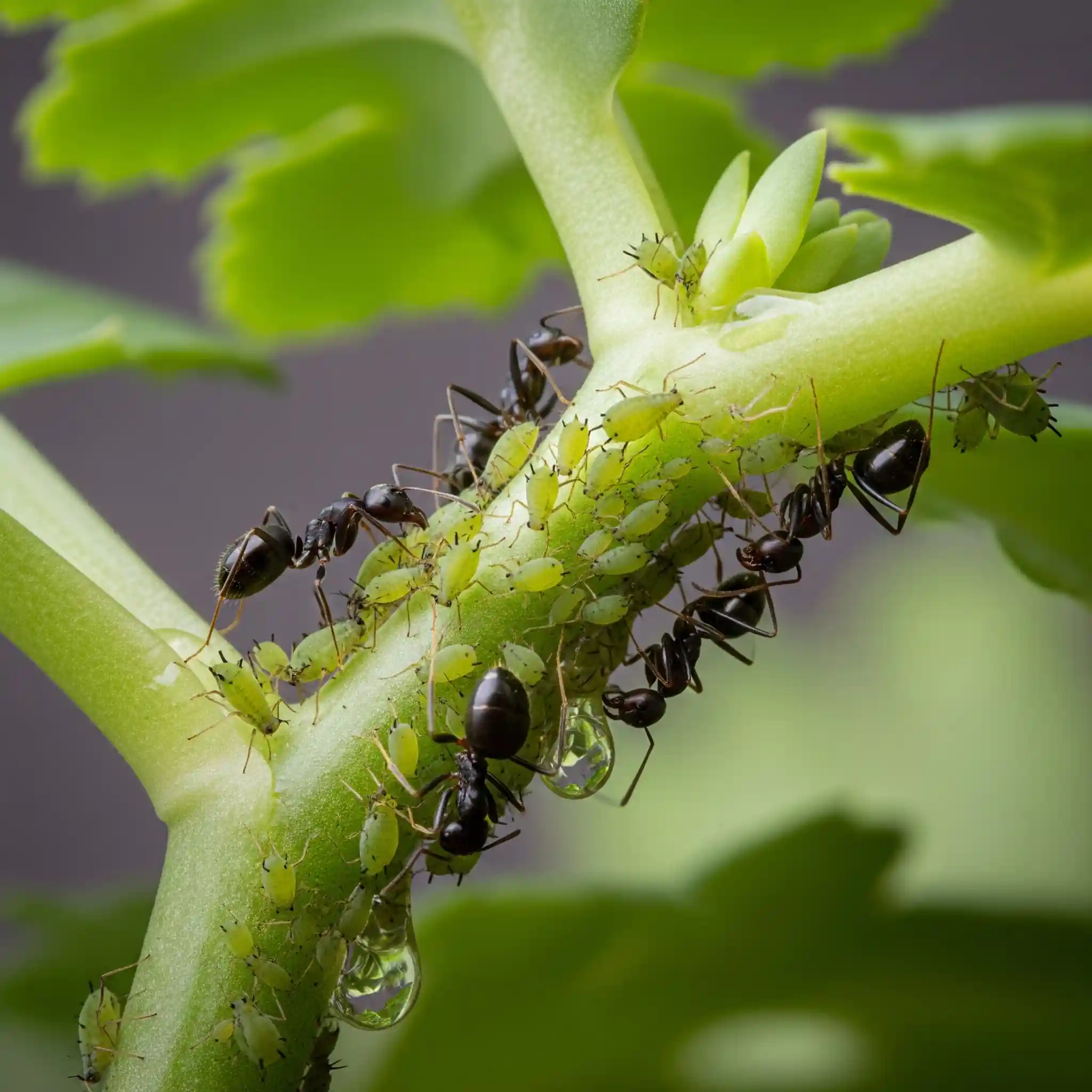
Watch for organized lines of ants moving along plant stems, under leaves, or around the base of plants. These trails indicate established foraging routes. Small soil mounds near garden edges or raised beds may signal underground nests. Early detection allows you to act before colonies expand.
Identify Honeydew and Pest Farming
If you notice sticky residue on leaves or clusters of aphids, mealybugs, or scale insects, ants are likely tending them for honeydew. This symbiotic relationship harms plants and encourages further infestation. Removing the food source disrupts ant activity.
Locate Hidden Nesting Sites
Check under rocks, logs, mulch piles, and near compost bins. Ants prefer warm, sheltered spots close to food. A small hole with loose soil around it is a telltale sign of a nest entrance. Mark these spots for targeted treatment—but avoid disturbing them until you’re ready to apply a solution.
Apply Natural Ant Repellents Safely
Use Food-Grade Diatomaceous Earth
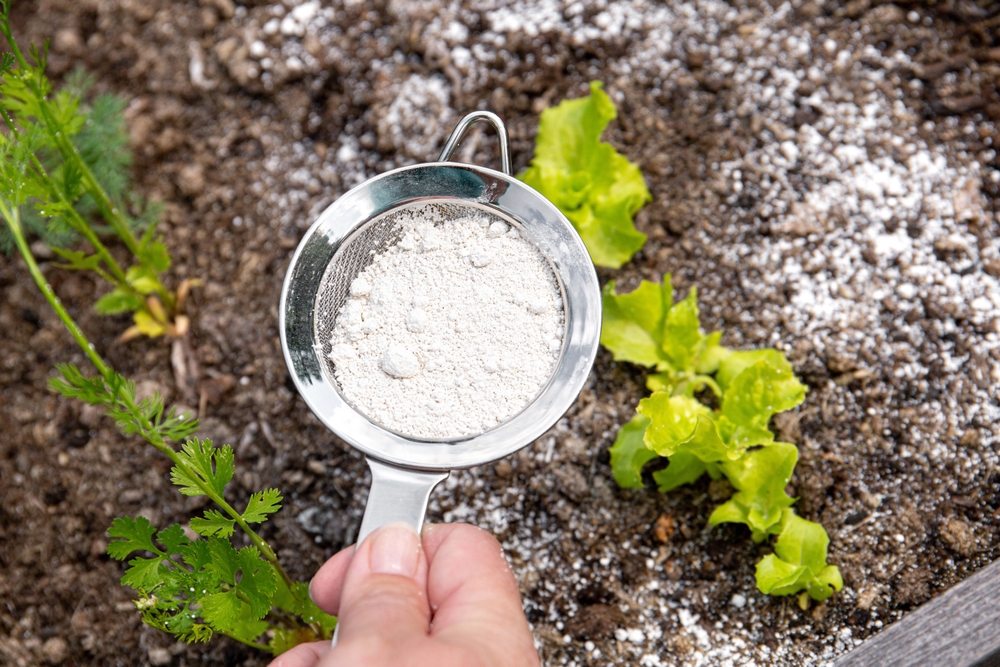
Sprinkle food-grade diatomaceous earth (DE) around plant bases and along ant trails. This fine powder damages ants’ exoskeletons, causing dehydration and death. It’s safe for plants and pets when used correctly. Reapply after rain or watering, as moisture reduces its effectiveness.
Pro Tip: Wear a mask when applying DE to avoid inhaling dust. Avoid heavy application on flowering plants to protect bees and other pollinators.
Spray Vinegar Solution on Trails
Mix equal parts white vinegar and water in a spray bottle. Apply directly to ant paths, nest entrances, and infested zones. The strong scent breaks their pheromone trails, disorienting the colony. Do not spray foliage—vinegar can burn leaves.
Place Citrus Peels or Use Essential Oil
Lay fresh orange or lemon peels around affected areas. Alternatively, mix a few drops of citrus essential oil with water and spray along garden borders. Limonene, a compound in citrus, is toxic to ants and acts as a powerful natural repellent.
Spread Coffee Grounds or Cinnamon
Sprinkle used coffee grounds or ground cinnamon across ant pathways. These materials mask scent trails and create barriers ants avoid. Coffee grounds also add nitrogen to the soil, improving fertility over time.
Block Ant Access With Physical Barriers

Wrap Plant Stems With Sticky Tape
For plants under attack, wrap Tanglefoot or similar sticky tape around stems to stop ants from climbing. Use a protective sleeve made of cardboard or plastic underneath to prevent damage to delicate bark or stems.
Create Sand or Grit Borders
Line garden beds with a 2–3 inch strip of sand, gravel, or crushed eggshells. Ants dislike crawling through dry, loose materials, making these effective deterrents. These barriers also discourage nesting in garden soil.
Install Copper Tape on Beds and Pots
Wrap copper tape around the edges of raised beds or containers. When ants touch the copper, a mild electrical reaction occurs due to their exoskeletons, repelling them instantly. This method works best for potted plants and elevated gardens.
Attract Natural Ant Predators
Invite Ladybugs and Lacewings
These beneficial insects feed on aphids—the primary food source ants protect. Plant dill, fennel, yarrow, or cosmos to attract them. Reducing aphid populations removes the incentive for ants to invade your garden.
Support Ground Beetles and Spiders
Avoid using broad-spectrum pesticides that kill natural ant predators. Leave small piles of leaf litter or rocks to provide shelter for ground beetles and spiders, which hunt ants at night.
Encourage Insect-Eating Birds
Birds such as wrens, sparrows, and chickadees consume ants and their larvae. Install a birdbath, plant native shrubs, or add a small feeder to draw these helpful birds into your garden space.
Eliminate Colonies Without Harmful Chemicals
Pour Boiling Water Into Nests
For outdoor nests in non-sensitive areas, pour 2–3 liters of boiling water directly into the entrance. This kills ants on contact, including queens. Repeat if activity returns. Avoid using near plant roots or in mulched beds to prevent soil and root damage.
Warning: This method can also harm beneficial soil organisms. Use only when necessary and with caution.
Mix Baking Soda and Powdered Sugar
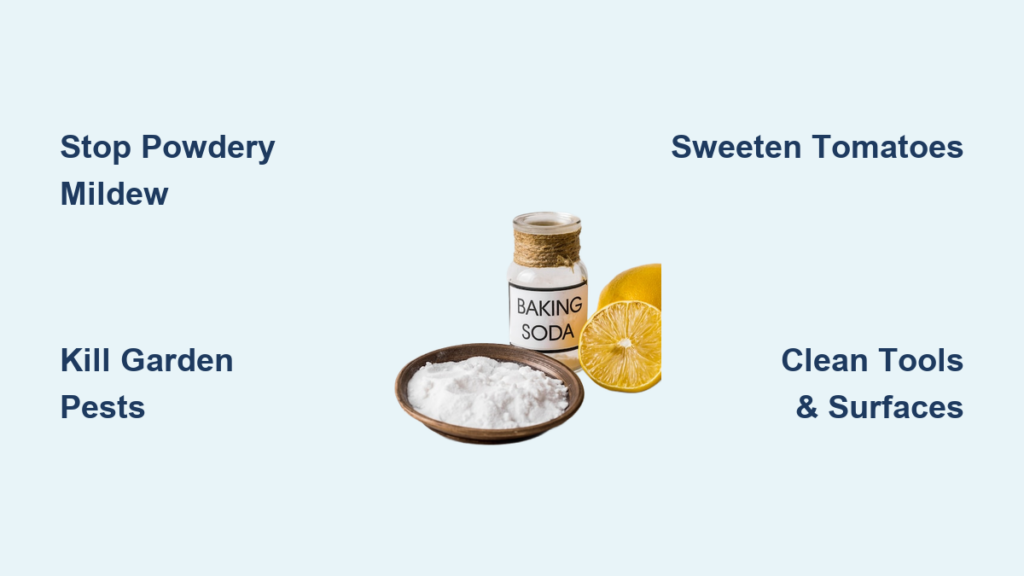
Combine equal parts baking soda and powdered sugar. Place small amounts near active trails. Ants carry the mixture back to the nest. The sugar attracts them, while baking soda reacts with their digestive acids, eliminating them internally.
Set Borax Bait Traps Carefully
Mix 1 teaspoon borax with 2 tablespoons honey or peanut butter. Place in bottle caps near ant paths—but keep them out of reach of pets and children. Ants take the bait back to the colony, killing it over several days. Remove traps once ant activity stops.
Caution: Borax is toxic if ingested. Use only in secure, inaccessible locations and monitor regularly.
Modify Garden Habits to Prevent Ants
Keep Mulch Away From Plant Stems
Excessive mulch holds moisture and provides ideal nesting conditions. Maintain at least a 3-inch gap between mulch and plant bases. Limit mulch depth to 2–3 inches to reduce hiding spots.
Water Plants in the Morning
Overwatering creates damp environments ants love. Water deeply but less frequently, and always in the morning. This allows the soil surface to dry during the day, making it less attractive to ants.
Harvest Produce Promptly
Ripe fruits like strawberries, tomatoes, and melons attract ants. Pick them as soon as they’re ready. Remove fallen fruit immediately to eliminate food sources that draw ants into your garden.
Plant Ant-Repelling Companion Plants

Grow Mint in Containers
Peppermint and spearmint emit strong scents that repel ants. Plant them in pots around garden borders to prevent aggressive spreading. Their aroma also deters other common pests.
Add Tansy or Lavender
Tansy produces a bitter odor that discourages ants and aphids. Lavender’s fragrance repels ants while attracting pollinators like bees and butterflies. Both are hardy perennials in most growing zones.
Interplant with Marigolds
Marigolds release thiophenes—natural compounds that repel a wide range of insects, including ants. Plant them between vegetables or along bed edges for continuous pest protection.
Key Takeaways for Keeping Ants Out of Your Garden
Preventing ants from invading your garden doesn’t require harsh chemicals or extreme measures. By combining natural repellents, physical barriers, smart planting, and consistent maintenance, you can manage ant populations safely and sustainably. Focus on eliminating food sources, disrupting trails, and encouraging natural predators to maintain balance.
To stay ahead:
• Inspect your garden weekly for new trails or mounds
• Act quickly at the first sign of infestation
• Rotate crops and clean up debris to disrupt nesting cycles
Small, consistent actions make the biggest difference in long-term ant control.
Frequently Asked Questions About Keeping Ants Away from Garden
Do ants harm plants directly?
Most ants don’t eat plants, but some species protect aphids and other sap-sucking pests that damage foliage. Fire ants can also chew on young seedlings and deter pollinators with aggressive behavior.
What is the safest way to kill an ant nest?
Pouring boiling water into the nest entrance is effective and chemical-free. Alternatively, use bait traps with borax or baking soda mixed with sugar to target the entire colony safely.
Can companion planting really repel ants?
Yes. Plants like mint, tansy, lavender, and marigolds emit scents or compounds that ants avoid. Interplanting these throughout your garden creates natural repellent zones.
Will vinegar hurt my plants?
Yes, undiluted vinegar or frequent spraying can burn leaves and alter soil pH. Always use a 1:1 vinegar-water mix and avoid direct contact with foliage.
Are coffee grounds good for keeping ants away?
Yes. Coffee grounds mask ant pheromone trails and create barriers they dislike crossing. They also enrich soil with nitrogen, offering dual benefits for garden health.
How do I stop ants from farming aphids?
Break the cycle by removing aphids with a strong water spray or insecticidal soap. Introduce natural predators like ladybugs and lacewings, and use sticky barriers on stems to block ant access.