
You step into your garden at dawn, coffee in hand, only to find your prized lettuce leaves chewed into lace and your ripening strawberries scarred with deep punctures. The culprit? Earwigs. These nocturnal pests, easily recognized by their pincers, are active at night and hide during the day, making them hard to catch — but not impossible to stop.
While earwigs aren’t all bad — they eat aphids, mites, and other garden pests — an overpopulation can quickly tip the balance. When damage becomes visible, it’s time to act. The good news: you don’t need harsh chemicals. With smart, eco-friendly strategies, you can prevent earwigs in garden spaces naturally and effectively.
This guide reveals six proven methods — from simple DIY traps to natural predator support — that stop earwigs before they destroy your plants. You’ll learn how to monitor populations, create barriers, and maintain a balanced ecosystem that keeps earwigs in check — all without harming beneficial insects.
Use Oil Traps to Catch Earwigs at Night
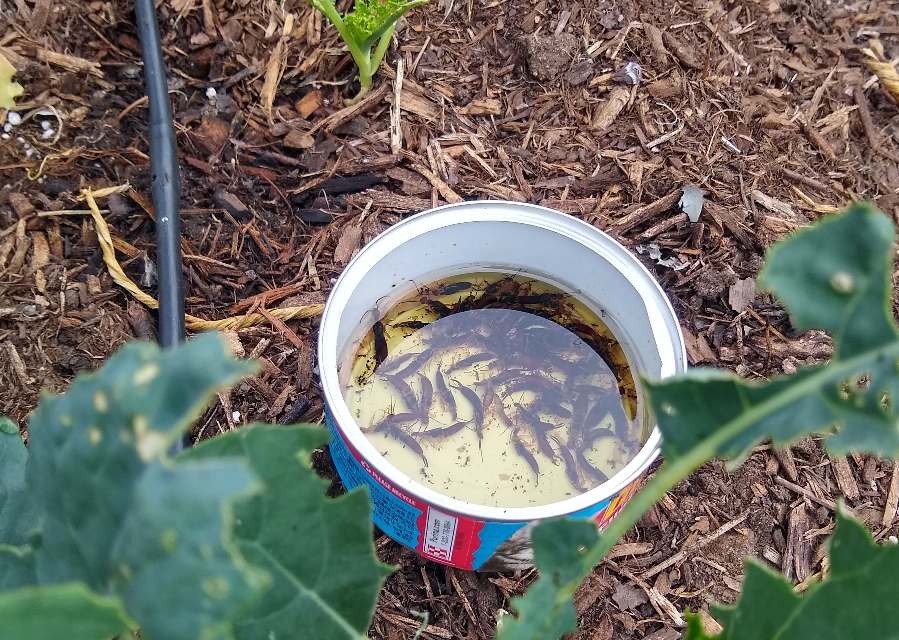
Oil traps exploit earwigs’ attraction to dark, damp, and oily scents. This method is one of the fastest ways to reduce active populations without using sprays.
Set Up Shallow Oil Bowls Near Damaged Plants
Grab a small container like a tuna can or yogurt cup. Fill it with ¼ inch of olive oil and add a splash of soy sauce to enhance the scent. Bury the container so the rim is level with the soil surface.
Earwigs crawl in at night and drown. Check each morning, remove dead pests, and refill as needed.
• Place traps near hostas, strawberries, dahlias, and leafy greens
• Use 3–5 traps around the garden’s edge for best coverage
• Replace oil every 2–3 days or after rain
This method is non-toxic, low-cost, and highly effective for immediate control.
Deploy Cardboard Shelter Traps to Remove Hiding Earwigs

Cardboard traps take advantage of earwigs’ need for tight, moist hiding spots during daylight hours.
Lay Damp Corrugated Cardboard in Shady Areas
Use corrugated cardboard with visible fluted layers. Lightly dampen it and place it flat on the soil under shrubs, near mulch beds, or beside vegetable rows.
By morning, earwigs will be tucked inside the ridges. Lift the cardboard, shake the bugs into a bucket of soapy water, and dispose of them.
• Replace every 2–3 days to prevent re-infestation
• Best for flowerbeds, vegetable patches, and ground-level zones
• Works because it mimics natural crevices
This trap lets you remove dozens of earwigs at once — no chemicals needed.
Try Rolled Newspaper Traps for Organic Pest Control

When cardboard isn’t available, newspaper rolls make an excellent alternative shelter trap.
Create Nighttime Hideouts with Rolled Paper
Roll several sheets of newspaper into tight cylinders and secure them with rubber bands. Place them near vulnerable plants like lettuce, marigolds, and young seedlings.
Earwigs crawl inside at night. In the morning, collect the rolls and drop them into soapy water or burn them.
• Ideal for container gardens and raised beds
• Zero cost and compostable after use
• Refresh every 3 days for continued effectiveness
This method is kid-safe and perfect for organic gardening.
Block Tree Climbing with Vaseline Barrier
Earwigs often climb fruit trees to feed on soft, ripening peaches, plums, and apricots. A sticky barrier stops them in their tracks.
Apply Safe Sticky Barrier to Tree Trunks
Never apply sticky substances directly to bark — they can trap moisture and damage the tree.
Instead:
1. Wrap a strip of plastic wrap or tree tape around the trunk (6–12 inches wide)
2. Smear a 2-inch band of Vaseline across the wrap
3. Reapply every few days or after rain
The greasy layer prevents earwigs from climbing.
• Install when fruit starts to color and keep until harvest
• Use Tanglefoot as a longer-lasting alternative
• Also deters ants and caterpillars
This simple method protects fruit without harming the tree.
Attract Natural Predators to Control Earwig Populations

Long-term prevention means encouraging beneficial insects that hunt earwigs.
Invite Assassin Bugs to Your Garden
Assassin bugs are stealthy predators that inject earwigs with paralyzing toxins and consume their insides.
To attract them:
• Plant dense foliage like yarrow, dill, and cosmos
• Avoid broad-spectrum pesticides
• Leave some leaf litter for cover
They thrive in perennial beds and native plant zones.
Support Praying Mantis Populations
Praying mantises are aggressive hunters. A single mantis can eat dozens of earwigs weekly.
To encourage them:
• Leave tall, dry stems (e.g., goldenrod, coneflower) standing over winter
• Hang purchased mantis egg cases (oothecae) in early spring
⚠️ Note: Mantises eat bees and butterflies too — best for larger gardens where balance can stabilize.
Use predators as preventative allies, not emergency fixes.
Use Organic Insecticides Only When Necessary
If traps and barriers fail and damage spreads, consider targeted organic options.
Apply Diatomaceous Earth for Spot Treatment
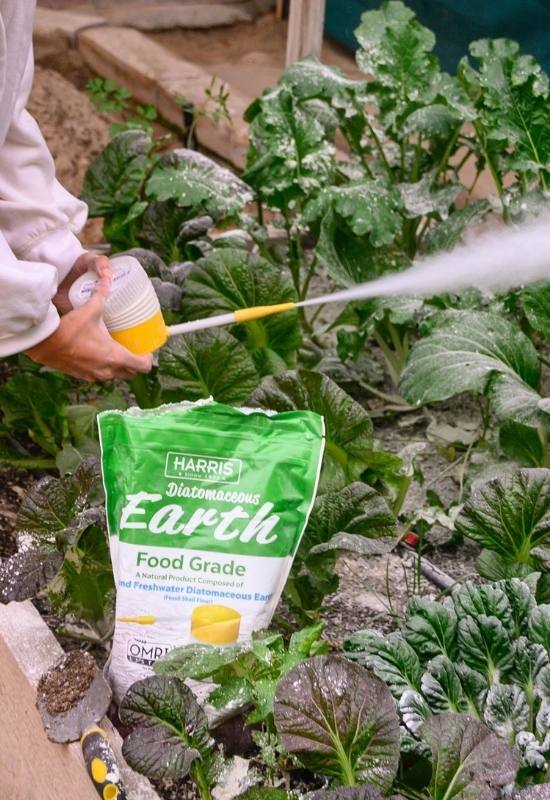
Sprinkle food-grade diatomaceous earth around plant bases. The sharp particles cut earwig exoskeletons, causing dehydration.
• Must be dry to work — reapply after rain or dew
• Wear a mask during application to avoid inhalation
• Keep off flowers to protect pollinators
Best for localized infestations.
Spray Horticultural Oil at Night
Apply horticultural oil after dark when pollinators are inactive. It smothers earwigs on contact.
• Effective on clusters under leaves or in crevices
• Use only where needed to avoid harming beneficials
Both methods are organic but should be used sparingly and precisely.
Eliminate Hiding Spots and Excess Moisture
Prevention starts with removing the conditions earwigs love: dampness and clutter.
Reduce Garden Clutter and Mulch Depth
Remove:
• Piles of leaves or grass clippings
• Excess mulch (keep under 2 inches)
• Old pots, boards, or debris near plants
These are prime daytime shelters.
Water Smartly to Deter Nighttime Visitors
Switch to drip irrigation or morning watering. Wet soil at night invites earwigs.
• Goal: Let the surface dry by evening
• Avoid overhead sprinklers after dusk
A drier garden at night means fewer earwigs.
Monitor with Flashlight Inspections After Dark
Since earwigs are nocturnal, inspect your garden with a flashlight.
Conduct Weekly Night Checks During Peak Season
Check:
• Undersides of leaves
• Flower buds and fruit stems
• Base of stems and soil cracks
Look for:
• Live earwigs (brown, ¾-inch long, with pincers)
• Chewed foliage with irregular holes
• Clusters of damage or slimy trails
💡 Do this weekly from late spring to early fall — peak earwig season.
Early detection means easier control before populations explode.
Rotate and Combine Control Methods for Best Results
Relying on one method leads to resistance. Layer your defenses.
Build a 3-Part Prevention Strategy
- Traps (oil, cardboard, paper) — reduce active numbers
- Barriers (Vaseline, dry zones) — protect high-value plants
- Ecosystem support (predators, habitat control) — prevent future outbreaks
• Rotate traps weekly to avoid adaptation
• Focus first on problem zones: strawberries, dahlias, fruit trees
Example weekly plan:
• Monday: Set oil traps
• Wednesday: Lay cardboard
• Friday: Check trees and reapply Vaseline
Consistency beats intensity.
Avoid Common Mistakes That Attract More Earwigs
Even careful gardeners make errors that worsen infestations.
❌ Don’t use beer traps — earwigs aren’t attracted to beer like slugs. You’ll waste time and attract other pests.
❌ Don’t over-mulch — more than 2 inches creates ideal earwig shelters. Keep mulch thin and away from stems.
❌ Don’t spray broadly — even organic sprays can kill ladybugs, lacewings, and bees. Target only affected areas.
❌ Don’t ignore early signs — a few earwigs are normal. But ragged leaves + nighttime sightings = action time.
Prevention fails when you wait too long.
Maintain Season-Long Protection to Stop Reinfestation
Earwigs lay eggs in late winter. Break their life cycle with seasonal actions.
Spring: Set Early Traps Before Damage Appears
Start cardboard and oil traps in April or May to catch emerging nymphs.
Summer: Protect Ripening Crops
Use Vaseline barriers on fruit trees and night inspections to catch feeding.
Fall: Clean Up and Prevent Next Year
• Remove fallen fruit and plant debris
• Trim dense ground covers
• Replace mulch with gravel or dry wood chips near foundations
This reduces overwintering sites and breaks the life cycle.
Key Takeaways for Preventing Earwigs in Garden
You don’t need toxic chemicals to prevent earwigs in garden spaces. With simple, natural tools — oil traps, cardboard shelters, sticky barriers, and predator support — you can stop damage before it starts.
The key is early action and consistency. Set traps tonight. Check your fruit trees. Reduce moisture and clutter. Invite beneficial insects. Rotate methods weekly.
Within days, you’ll see fewer earwigs. Within weeks, your plants will recover.
Remember: earwigs are part of the garden ecosystem. The goal isn’t total elimination — it’s balance. Keep their numbers low, protect your crops, and let the good bugs thrive.
Do this tonight:
• Bury an oil trap near your strawberries
• Lay down a strip of damp cardboard under your roses
• Check your peach tree trunk for climbers
Your garden doesn’t have to be a buffet. Take back control — naturally.
Frequently Asked Questions About Preventing Earwigs in Garden
Do earwigs actually damage garden plants?
Yes. While they eat aphids and mites, earwigs feed at night on soft plant parts. They chew holes in leaves, flowers, and fruit like strawberries, lettuce, and dahlias. Visible damage means their population is too high.
What attracts earwigs to my garden?
Earwigs are drawn to moisture, darkness, and shelter. Over-mulching, wet soil at night, leaf piles, and cluttered garden beds create ideal conditions. They also climb fruit trees to reach ripening fruit.
Are there natural ways to get rid of earwigs?
Yes. Effective natural methods include oil traps, cardboard rolls, newspaper traps, Vaseline barriers on trees, and encouraging predators like assassin bugs and praying mantises. Habitat control is key.
Can I use diatomaceous earth to stop earwigs?
Yes, but only when dry. Food-grade diatomaceous earth damages earwig exoskeletons, causing dehydration. Reapply after rain or dew. Avoid applying to flowers to protect pollinators.
How do I stop earwigs from climbing my fruit trees?
Wrap the trunk with plastic or tree tape, then apply a 2-inch band of Vaseline or Tanglefoot on top. This sticky barrier stops earwigs from climbing. Do not apply sticky substances directly to bark.
Should I kill all earwigs in my garden?
No. Earwigs help control aphids and other pests. The goal is balance, not elimination. Only take action when you see plant damage and high nighttime activity.