Garden shears are vital for keeping plants healthy and well-shaped, but they can also spread disease if not properly sanitized. Every cut transfers sap, soil, and potentially harmful pathogens like bacteria, fungi, and viruses from one plant to another. Without proper sanitation, your pruning tools can turn into carriers of diseases such as fire blight, tomato mosaic virus, or fungal cankers—threatening the entire garden. Knowing how to sanitize garden shears correctly is essential for preventing these invisible threats.
Sanitizing goes beyond just wiping off dirt. True disinfection requires using the right solution at the right time and following a precise method. While household disinfectants work for routine cleaning, they often fail against plant viruses. For real protection—especially when moving between species or handling diseased plants—bleach is the most effective option. This guide will show you exactly when and how to sanitize your shears, avoid common mistakes, and maintain your tools for long-term use.
When to Sanitize Garden Shears
Between Different Plant Species
Always sanitize shears before switching from one type of plant to another. Pathogens that infect tomatoes can easily spread to peppers or eggplants, even if symptoms aren’t visible. Cross-species transmission is a major cause of disease outbreaks. Wiping blades isn’t enough—use a 1:9 bleach solution to ensure complete pathogen elimination.
After Working with Diseased Plants
If you’ve pruned plants showing signs of infection—like spots, wilting, or discoloration—sanitize immediately. Bacteria such as Erwinia (fire blight), fungi like Verticillium, and viruses including tobacco mosaic can survive on metal surfaces for hours. Failing to sanitize risks spreading these pathogens to healthy plants with your next cut.
Between Plant Varieties
Even within the same species, different cultivars may carry unique diseases. For example, one tomato variety might host a virus that another resists. Sanitize shears when moving between varieties, especially in vegetable gardens where disease pressure is high.
Before Starting a New Task
Always begin any pruning session with sanitized tools. Even if your shears were clean yesterday, dust, moisture, or residual microbes can compromise plant health today. A quick sanitization ensures a fresh, safe start every time.
Best Sanitization Methods

Use Bleach for Maximum Protection
Bleach is the most effective solution for sanitizing garden shears because it kills bacteria, fungi, and plant viruses—unlike alcohol or household cleaners, which often miss viruses. When disease risk is high, bleach provides unmatched protection.
Why Bleach Works Best
• Destroys DNA and RNA of pathogens
• Proven against fire blight, tomato viruses, and fungal spores
• Inexpensive and widely available
• Fast-acting at correct concentrations
Important: Never use undiluted bleach—it damages metal and poses safety risks.
Try Disinfectant for Routine Cleaning
For low-risk tasks—like trimming healthy herbs or deadheading flowers—household disinfectants (e.g., Lysol, Pine-Sol) are sufficient. Spray thoroughly on both sides of the blade and let air-dry completely before reuse.
Limitations to Know
• Does not reliably kill plant viruses
• Less effective on organic residue like sap or soil
• May leave sticky residues that attract dirt
Use disinfectant only for routine maintenance, never after handling diseased plants.
Step-by-Step Bleach Sanitization
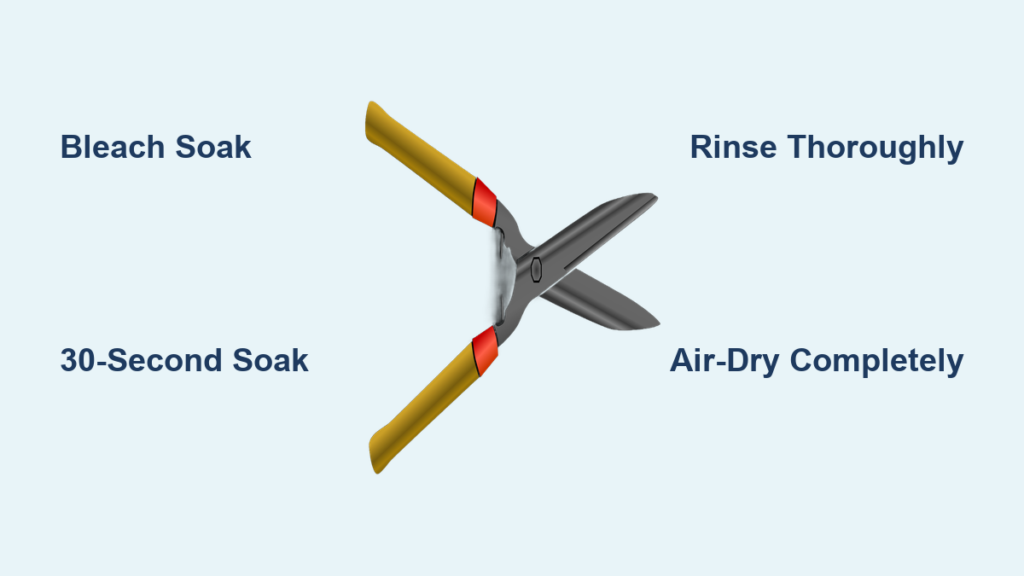
Prepare 1:9 Bleach Solution
Mix 1 part household bleach with 9 parts water. For example:
• 1 cup bleach + 9 cups water
• ½ cup bleach + 4½ cups water
Use a dedicated container—never one used for food or drinks. Label it clearly to prevent accidents.
Pro Tip: Make fresh solution daily. Bleach breaks down in sunlight and loses effectiveness over time.
Soak Blades for 30 Seconds
Fully submerge cutting blades in the solution for exactly 30 seconds. This duration kills pathogens without corroding metal.
What to Watch For:
• Ensure full coverage, especially around pivot points and sap buildup
• Do not exceed 30 seconds—longer exposure increases rust risk
• Use gloves or tongs to protect your hands
Rinse Immediately After Soaking
Remove shears and rinse under clean running water for at least 10–15 seconds. This step is critical.
Why Rinsing Matters:
• Residual bleach causes chemical burns on plant tissue
• Can damage stems, stunt growth, or kill young plants
• Protects both your plants and tool finish
Skipping this step undermines all your efforts.
Air-Dry Completely
Place shears on a clean towel or rack and allow them to air-dry fully before storage or reuse.
Benefits of Air Drying:
• Prevents rust by eliminating moisture
• Ensures no live pathogens remain
• Safer than towel-drying, which can recontaminate blades
Never store damp tools—moisture leads to corrosion and mold.
Common Mistakes to Avoid
Skipping the Rinse Step
This is the #1 mistake gardeners make. Leaving bleach on blades may kill pathogens, but it harms plants during the next cut. Always rinse after soaking—even if you’re in a hurry.
Using Alcohol Instead of Bleach
Rubbing alcohol (70% isopropyl) kills some bacteria and fungi but fails against many plant viruses. Don’t rely on alcohol when disease is suspected. Only bleach offers reliable virus protection.
Soaking Too Long
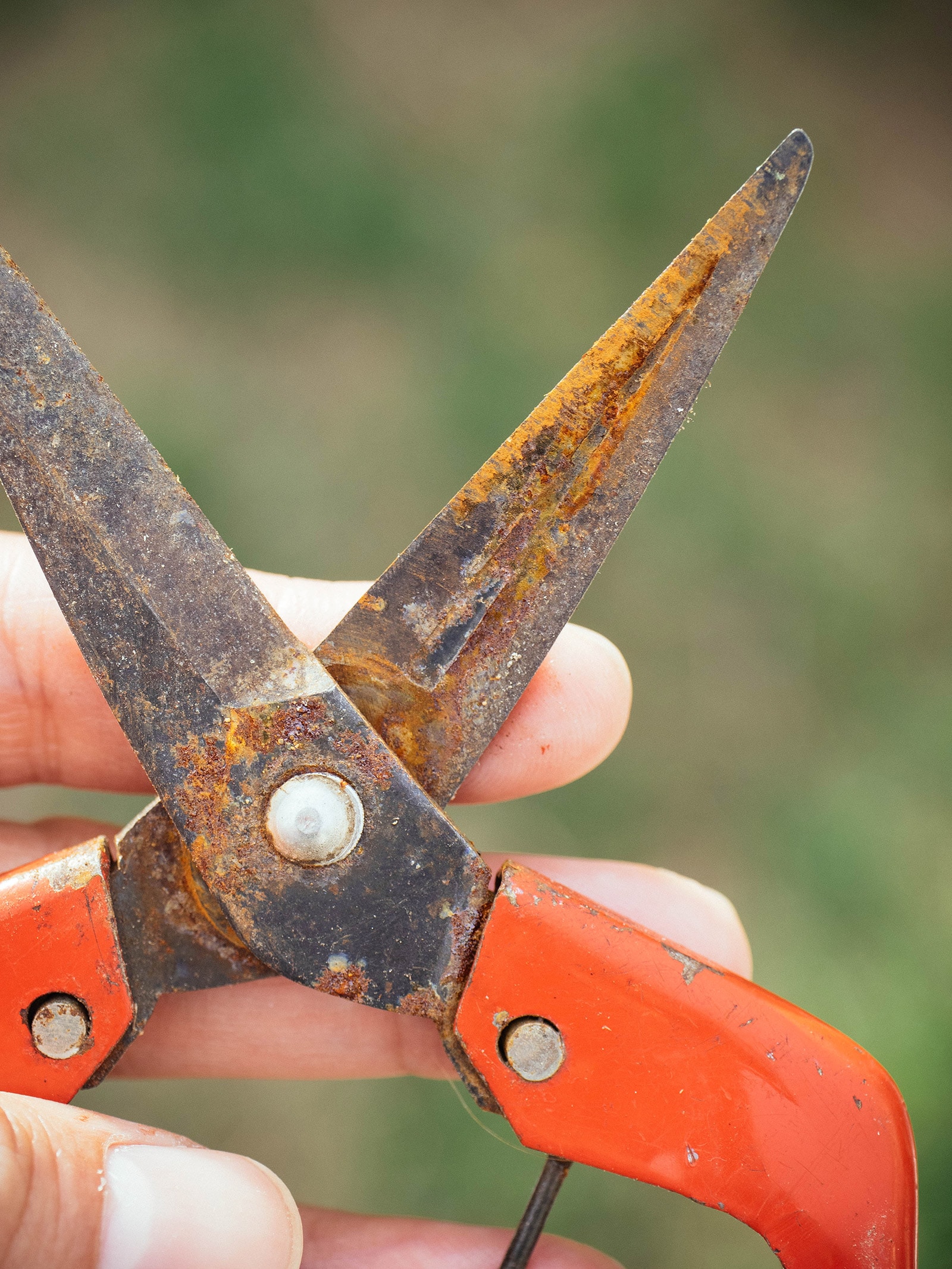
More is not better. Soaking blades longer than 30 seconds increases the risk of metal corrosion and pitting, especially on carbon steel tools. Stick to the recommended time.
Storing Wet Tools
Putting away damp shears invites rust and shortens tool life. Always dry completely before placing in a toolbox or shed.
Reusing Contaminated Containers
Using the same bucket or bowl for multiple batches spreads pathogens. Use a dedicated container for bleach solution and clean it after each use.
Frequency Guidelines
| Scenario | Sanitization Required |
|---|---|
| Moving between plant species | ✅ Yes – use bleach |
| Switching plant varieties | ✅ Yes – especially in veggies |
| After diseased plant contact | ✅ Yes – bleach mandatory |
| Routine trimming (healthy plants) | 🛑 No bleach – disinfectant OK |
| Starting a new gardening task | ✅ Yes – always sanitize first |
Rule of Thumb: When in doubt, sanitize. It takes less than a minute and could save your entire crop.
Tool Care After Sanitizing
Prevent Rust Formation
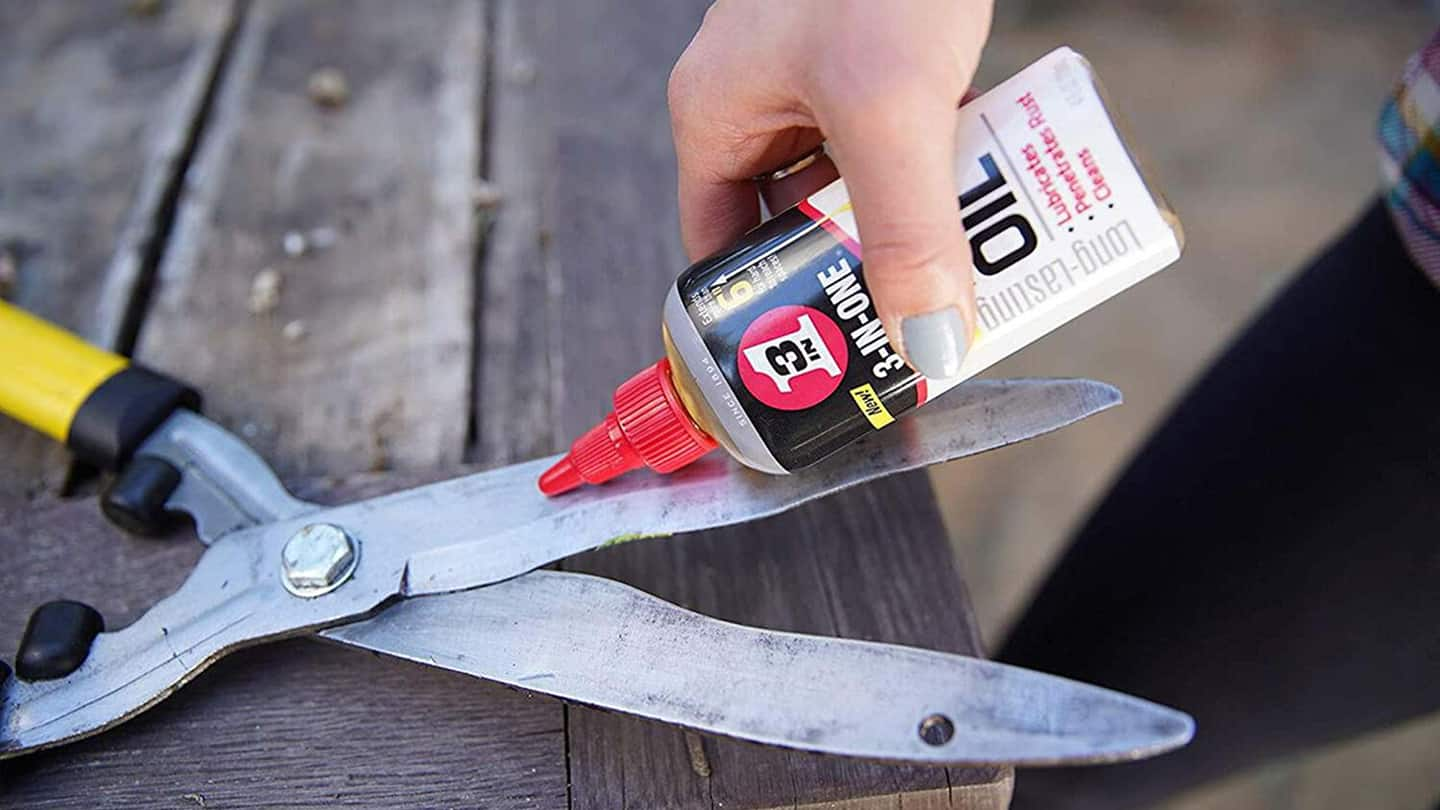
Even with proper rinsing, moisture can linger. To protect your investment:
• Wipe blades with a dry cloth after air-drying
• Apply a light coat of machine oil or WD-40 to metal surfaces
• Store in a dry, climate-controlled space
Pro Tip: Keep a small oil rag in your gardening caddy for quick post-cleaning treatment.
Clean Sap and Debris First
Sanitization works only on clean surfaces. Before disinfecting:
• Remove plant sap, dirt, and debris with a stiff brush
• Wipe blades with soapy water if needed
• Dry before sanitizing
Dirty tools reduce disinfectant effectiveness—pathogens hide under grime.
Maintain a Sanitization Kit
Keep a portable setup ready:
• Spray bottle with disinfectant
• Small container with 1:9 bleach solution
• Clean rags or paper towels
• Pair of gloves
• Bottle of oil for aftercare
Having everything on hand makes regular sanitizing easy and consistent.
Special Cases and High-Risk Situations
Pruning Apple or Pear Trees
Fire blight is a deadly bacterial disease that spreads rapidly through pruning tools. If you’re trimming apple or pear trees—especially in spring—sanitize with bleach after every cut during outbreak seasons.
Signs of Fire Blight:
• Blackened, wilted leaves
• Twisted or “shepherd’s crook” branch tips
• Oozing cankers on bark
Even asymptomatic trees may carry the bacteria. Assume risk and sanitize accordingly.
Working with Tomatoes and Peppers
These crops are highly susceptible to tobacco mosaic virus (TMV) and other viral diseases. Since viruses persist on tools and resist most cleaners, only bleach provides reliable protection.
Sanitize:
• After harvesting or pruning
• Before moving between rows
• If hands or tools touched tobacco products (a TMV source)
Wear gloves and avoid touching your face while working.
Sharing Tools or Renting Equipment
Borrowed or rented shears may have been used on unknown plants. Always sanitize before first use—even if they look clean.
Key Takeaways for Sanitizing Garden Shears
• Always sanitize between different plant species and varieties
• Use a 1:9 bleach-to-water solution for high-risk situations
• Soak blades for exactly 30 seconds—no more, no less
• Rinse thoroughly under clean water to prevent plant damage
• Air-dry completely and apply oil to prevent rust
• Store tools in a dry place to extend lifespan
Make sanitizing a non-negotiable part of your gardening routine. A few seconds of effort can prevent devastating disease outbreaks and keep your garden thriving.
Frequently Asked Questions About Sanitizing Garden Shears
Should I sanitize garden shears after every plant?
No, not after every individual plant—but always when switching between different species or varieties, and after working with diseased plants. For healthy plants of the same type, routine disinfectant spray with air-drying is sufficient.
Can I use rubbing alcohol to sanitize pruning shears?
Rubbing alcohol (70% isopropyl) kills some bacteria and fungi but does not destroy plant viruses. For high-risk situations—like pruning tomatoes or apple trees—alcohol is not sufficient. Use bleach instead.
How long should I soak garden shears in bleach?
Soak blades in a 1:9 bleach-to-water solution for exactly 30 seconds. This kills pathogens without damaging the metal. Longer soaking increases rust risk.
Do I need to rinse shears after using bleach?
Yes, always rinse after bleach soaking. Residual bleach can cause chemical burns on plant tissue, damaging stems and slowing growth. Rinse under clean running water for 10–15 seconds.
Can I use the same bleach solution all day?
No. Bleach degrades quickly in sunlight and loses potency. Make a fresh solution each day and store it in a labeled, dedicated container away from light.
What’s the best way to prevent rust after sanitizing?
After rinsing and air-drying, wipe blades with a dry cloth and apply a light coat of machine oil or WD-40. Store tools in a dry, climate-controlled space to prevent moisture buildup.