You’ve chosen your dream plants and mapped out your garden—but if your soil isn’t ready, your hard work could go to waste. Knowing how to use garden soil correctly is the key to unlocking lush growth, vibrant blooms, and bountiful harvests. Unlike potting mix or native dirt, garden soil is specially formulated to blend with existing ground, improving texture, water retention, and nutrient levels. When used properly—especially with trusted blends like Miracle-Gro—it creates an ideal environment for roots to spread and thrive. This guide walks you through every step: from bed prep to planting, feeding, and long-term care.
In the following sections, you’ll learn how to prepare your garden bed, choose the right soil for your needs, plant without damaging roots, and maintain soil health over time. You’ll also discover common mistakes to avoid—like using garden soil in containers—and get expert tips for troubleshooting issues like compaction and poor growth. Whether you’re growing vegetables, flowers, or shrubs, these proven techniques will help your garden flourish from the ground up.
Clear and Prep Your Garden Bed for Optimal Growth
Before adding fresh garden soil, you must prepare the site so plants can access nutrients, water, and oxygen without competition or physical barriers.
Remove Weeds, Debris, and Old Mulch
Start by pulling out weeds, dead plants, stones, and leftover mulch. Weeds steal essential resources, while debris can block root expansion and reduce drainage. A clean surface ensures your new garden soil works effectively from the start.
Loosen the Top 6 Inches of Native Soil
Use a garden fork or tiller to break up the top layer of your existing soil. This improves aeration and allows roots to penetrate easily. Work carefully to avoid over-tilling, which can destroy soil structure and harm beneficial microbes that support plant health.
Mix in a 3-Inch Layer of Garden Soil
Spread a 3-inch layer of garden soil evenly across the bed. Then, blend it thoroughly into the loosened native soil. This prevents sharp texture changes that can trap water or restrict root movement. Aim for a uniform mix to create a seamless transition between old and new.
Pro Tip: For raised beds, fill entirely with garden soil or a blend of garden soil and compost—no mixing required since there’s no native soil beneath.
Plan Your Plant Layout Before Digging
Skipping layout planning leads to overcrowding, shade conflicts, and poor yields. Take time to position plants strategically before breaking ground.
Arrange Potted Plants to Visualize Spacing
Place your plants (still in their containers) where you plan to plant them. Step back and assess the arrangement for balance, height variation, and sun exposure. Adjust positions until the layout looks both functional and attractive.
Follow Spacing Guidelines on Plant Tags
Check seed packets or plant labels for recommended spacing. Proper distance prevents competition for light, water, and nutrients. Crowded plants are more vulnerable to pests, disease, and stunted development.
Dig and Plant Using Root-Friendly Techniques

Once your layout is set, it’s time to plant—using methods that encourage strong root establishment and prevent long-term issues.
Dig Holes That Are Wide, Not Deep
Make each hole as deep as the plant’s container and twice as wide. This gives roots room to expand outward without being buried too deeply. Avoid planting too low—excess soil around the stem can lead to rot.
Loosen Circling Roots Before Planting
Tap or squeeze the container to release the plant. If roots are tightly wound around the root ball, gently tease them apart with your fingers. This promotes outward growth into the surrounding soil instead of continuing to spiral, which can strangle the plant over time.
Backfill and Firm Soil Gently
Set the plant in the hole so the top of the root ball is level with or slightly above the soil surface. Fill in around it with your amended soil mix, then press lightly to remove air pockets. Don’t pack too hard—roots need space and oxygen to grow.
Water Deeply and Feed at the Right Time
Proper hydration and nutrition right after planting reduce transplant shock and speed up root development.
Soak the Soil After Planting
Water thoroughly at the base of each plant to settle the soil and ensure good root-to-soil contact. Deep watering removes air pockets and encourages roots to grow downward. Avoid wetting foliage, which increases the risk of fungal diseases.
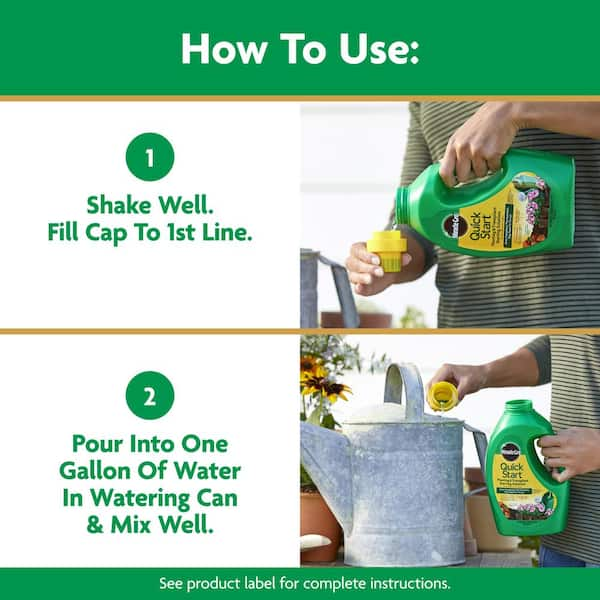
Apply a Root-Boosting Starter Fertilizer
Use Miracle-Gro Quick Start or a similar phosphorus-rich formula at planting time. These fertilizers stimulate early root growth and help plants adapt quickly. Always follow label instructions—over-fertilizing can damage young, sensitive roots.
Begin Regular Feeding Four Weeks Later
About four weeks after planting, switch to a balanced, water-soluble fertilizer like Miracle-Gro All Purpose Plant Food. Feed every 1–2 weeks during the growing season to support steady growth. For heavy feeders like tomatoes or roses, use a specialized formula tailored to their needs.
Choose the Best Garden Soil for Your Garden Type

Not all garden soils are created equal. Selecting the right blend ensures your plants get the support they need based on climate, plant type, and growing method.
Match Soil to Your Garden’s Needs
- Vegetable gardens: Use nutrient-dense blends enriched with compost and slow-release fertilizer.
- Flower beds: Choose lightweight mixes that improve drainage and encourage root spread.
- Dry climates: Opt for moisture-control garden soils that retain water efficiently.
- Raised beds: Use premium garden soil blends designed for contained environments.
Calculate How Much Soil You’ll Need
Check the product label for coverage rates. Most garden soils cover about 12 square feet per bag at a 3-inch depth. Multiply your bed’s length by width to find the total area, then divide by 12 to estimate how many bags to buy. It’s wise to purchase a little extra to avoid running short.
Never Use Garden Soil in Pots or Containers
Garden soil is too heavy for containers and can compact over time, leading to poor drainage and root rot. For pots, always use potting mix, which is lighter, sterile, and specially formulated for container gardening.
Maintain Soil Health for Long-Term Success
A thriving garden depends on ongoing soil care. Simple annual practices keep your garden soil fertile and well-structured.
Refresh with a Spring Top-Dressing
Each spring, add a 1–2 inch layer of fresh garden soil or compost. Lightly mix it into the top few inches of soil to replenish nutrients and improve texture. This “soil tune-up” revitalizes the root zone before the growing season begins.
Rotate Crops in Vegetable Gardens
Avoid planting the same plant families (like tomatoes, peppers, and eggplants) in the same spot year after year. Crop rotation prevents nutrient depletion and reduces the buildup of soil-borne diseases.
Apply Organic Mulch to Protect the Soil
Spread 2–3 inches of mulch—such as shredded bark, straw, or leaves—around your plants. Mulch conserves moisture, suppresses weeds, moderates soil temperature, and slowly breaks down to enrich the soil.
Troubleshoot Common Garden Soil Problems Early
Even well-prepared beds can develop issues. Catching them early prevents long-term damage.
Fix Compacted Soil After Heavy Rain
If water pools on the surface or the soil feels hard, it may be compacted. Lightly fork the top 2–3 inches and mix in more garden soil or compost to restore structure and drainage.
Address Slow Growth Despite Feeding
Poor growth may mean the garden soil wasn’t mixed well with native soil, creating a barrier. In the future, double-dig or amend more thoroughly. Consider applying a root stimulant to boost development.
Prevent Root Balls from Staying Tight
If roots remain in a dense circle, they likely weren’t loosened at planting. Always gently tease apart circling roots so they can grow outward into the surrounding soil.
Frequently Asked Questions About Using Garden Soil
Can I use garden soil in containers or pots?
No. Garden soil is too dense for containers and can compact, leading to poor drainage and root rot. Use potting mix instead, which is lightweight and designed for container growing.
How deep should I mix garden soil into my bed?
Blend a 3-inch layer of garden soil into the top 6 inches of native soil. This creates a consistent root zone that supports strong plant growth.
Do I need to mix garden soil with compost?
While not required, mixing in compost boosts organic matter and nutrient content. A blend of 2 parts garden soil to 1 part compost is ideal for most beds.
Can I plant directly into garden soil without mixing?
Only in raised beds or new plots with no existing soil. In most cases, you should mix garden soil with native soil to prevent sharp texture transitions that hinder root growth.
How often should I replace garden soil?
You don’t need to replace it entirely. Instead, top-dress annually with 1–2 inches of fresh garden soil or compost to maintain fertility and structure.
Is Miracle-Gro garden soil safe for vegetables?
Yes. Miracle-Gro garden soils are formulated to be safe for vegetables when used as directed. Pair with Miracle-Gro plant food for best results.
Key Takeaways for Using Garden Soil Successfully
Using garden soil properly transforms weak, lifeless ground into a thriving plant habitat. Start by clearing weeds and mixing a 3-inch layer of garden soil into the top 6 inches of native soil. Plan your layout before planting, dig wide (not deep) holes, and always loosen circling roots. Water deeply after planting and feed with a starter fertilizer, then switch to regular feeding after four weeks.
Choose the right garden soil for your needs—vegetables, flowers, dry climates, or raised beds—and never use it in containers. Maintain long-term health by top-dressing annually, rotating crops, and mulching. With these steps, you’re not just gardening—you’re building a living soil ecosystem that supports stronger, more resilient plants season after season.